
Victorian Serving Dish
A victorian serving dish brings the weight of nineteenth-century dining tables straight to modern rooms through heavy earthenware, gleaming silver plate and transfer-printed pottery.
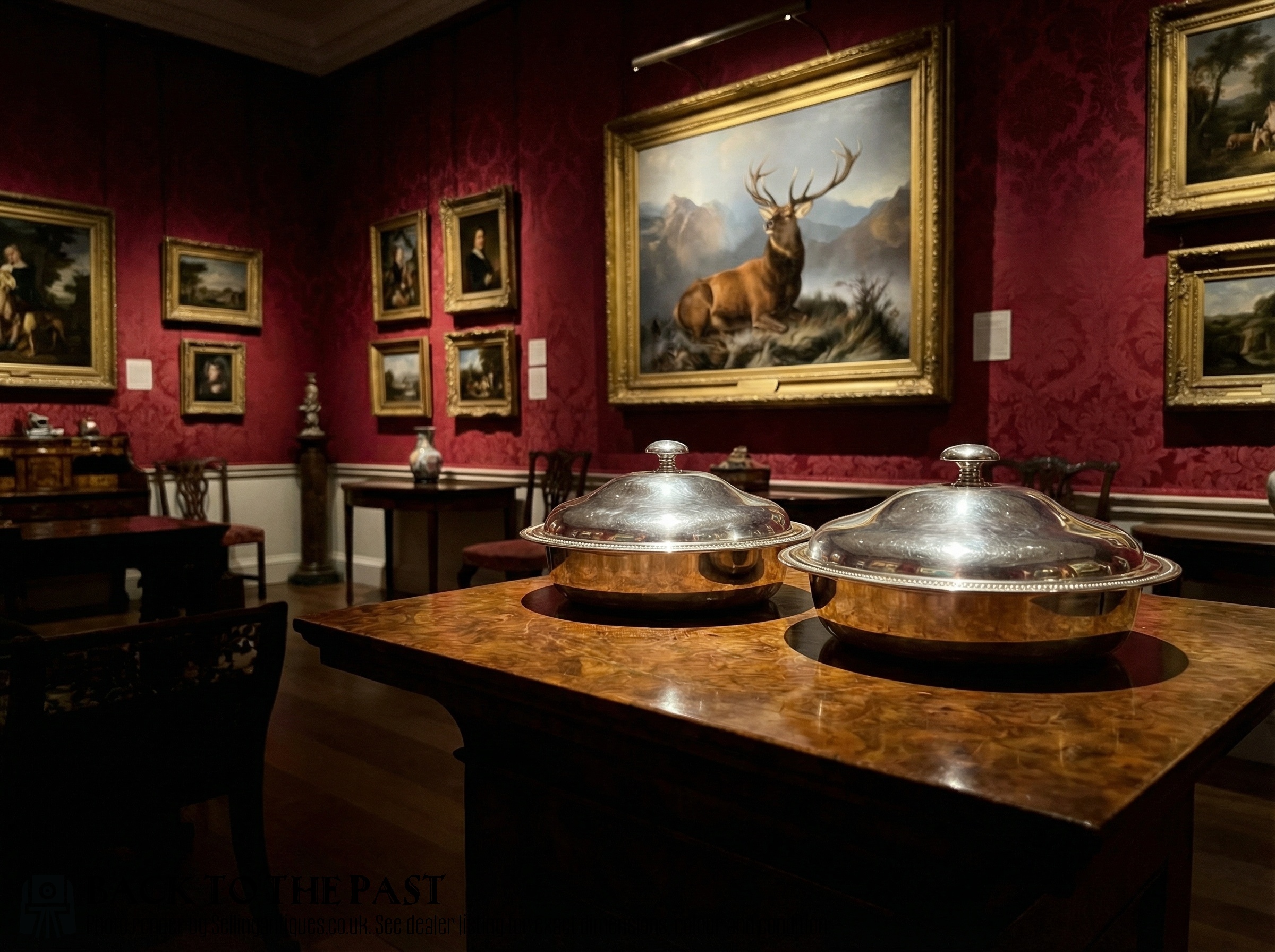
Victorian Serving Dish
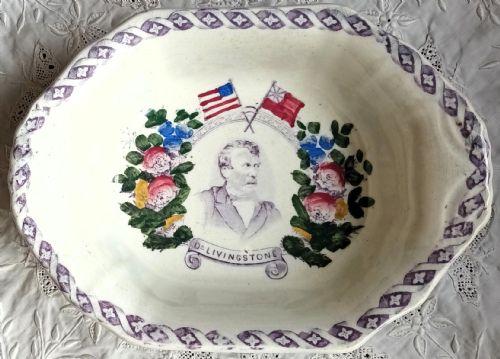
A victorian serving dish encompasses everything from large meat platters and lidded vegetable tureens to specialised oyster dishes and fruit baskets intended for formal nineteenth-century meals. These pieces span earthenware, porcelain, ceramic and silver plate, reflecting the diverse dining habits of the period.
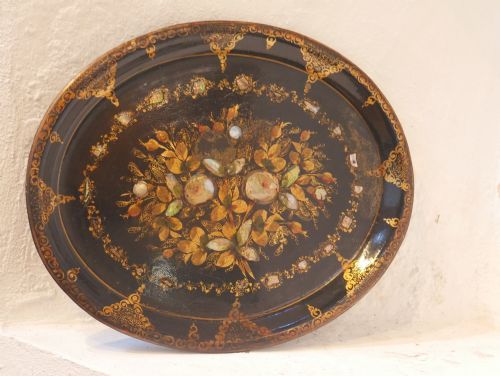
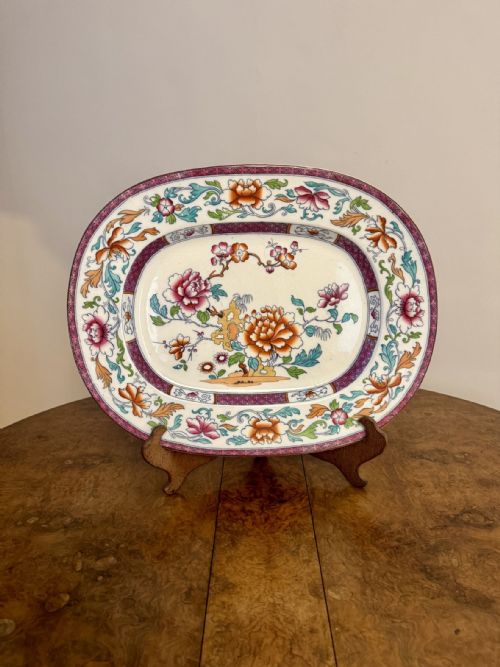
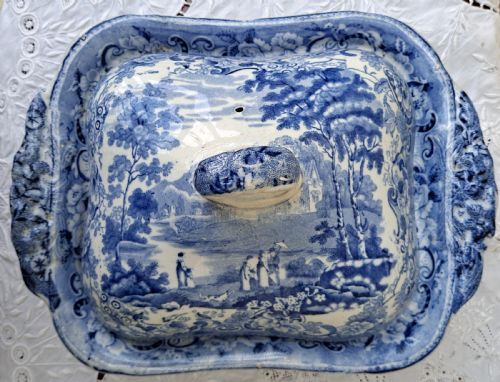
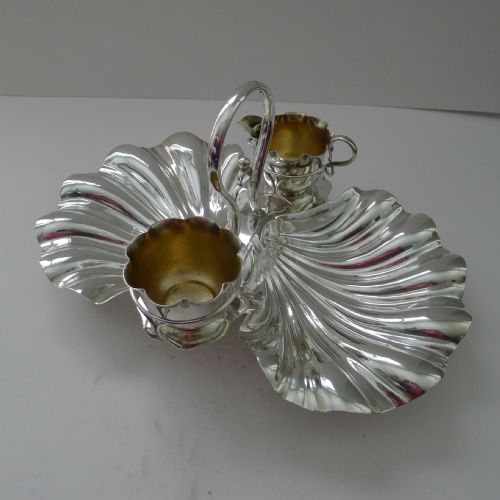
The most common examples on this page are transfer-printed earthenware meat platters and silver-plated revolving butter or preserve dishes dating from the middle to the late nineteenth century. Makers applied styles ranging from traditional blue and white scenery to Rococo Revival and Aesthetic Movement ornamentation across these domestic forms.
How they were made
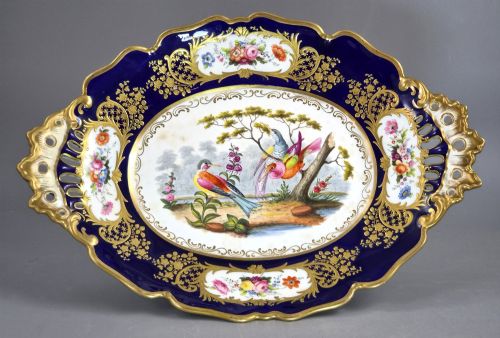
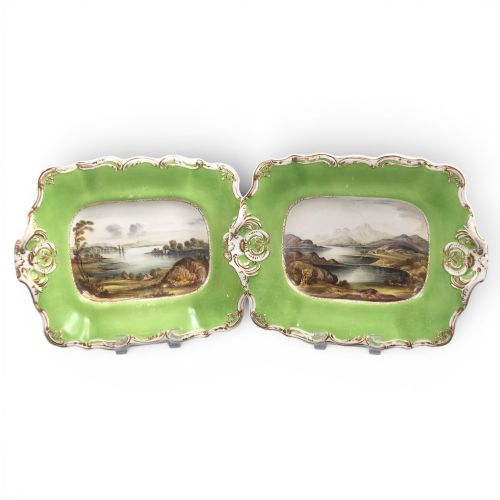
Pottery items rely on ceramic bodies finished with glazes and blue and white transfer printing, sometimes enhanced with hand-painted details or gilt highlights. Earthenware and ironstone pieces were fired in kilns before receiving intricate printed motifs depicting pastoral or exotic scenes.
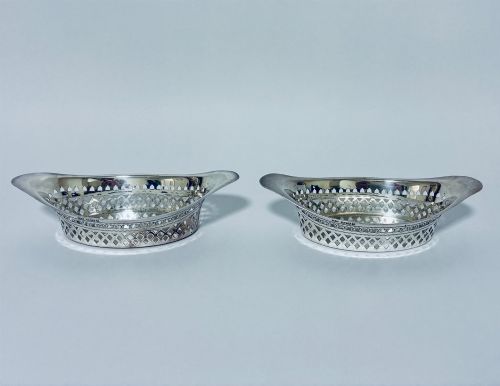
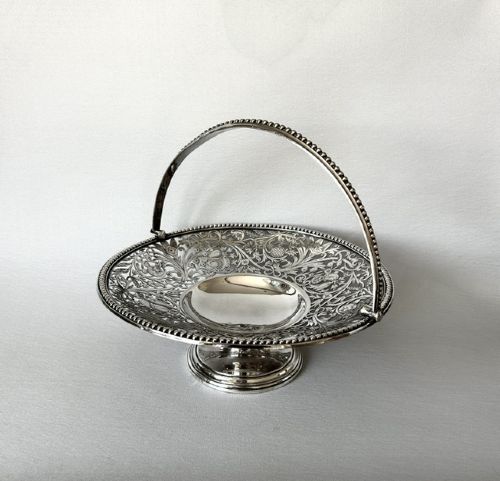
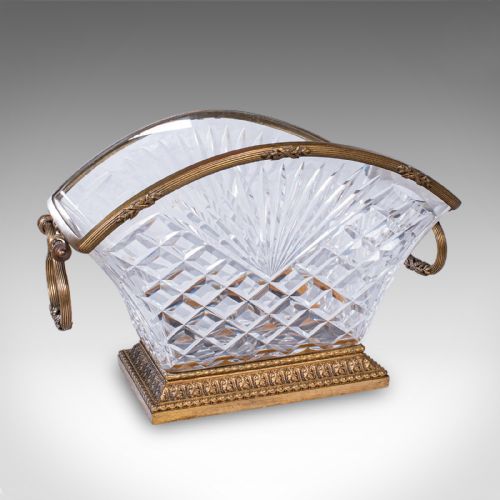
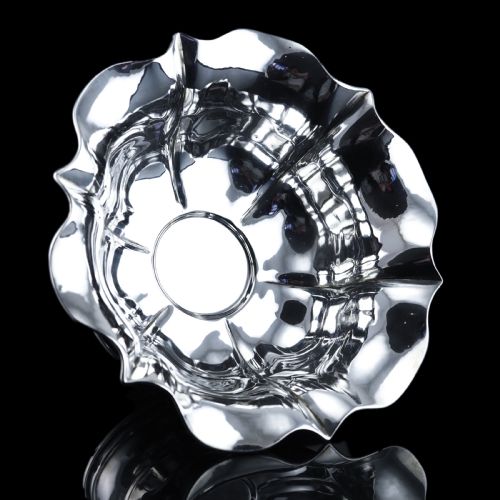
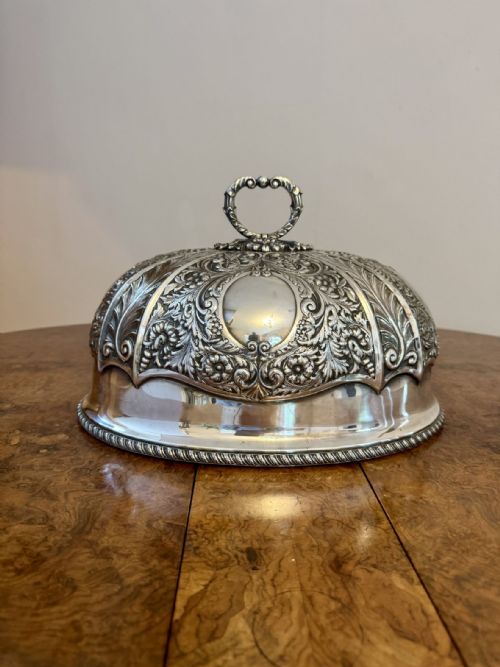
Metal vessels combine a base metal foundation with silver plating, often shaped through embossing, piercing or engraving. Cut glass elements appear paired with ormolu, brass and silver-plated frames, utilising specialised mounts to hold boat hulls, shells and bowls securely.
Listings span earthenware, porcelain, silver plate and cut glass, recording forms from large meat platters to revolving butter dishes.
What varies in quality
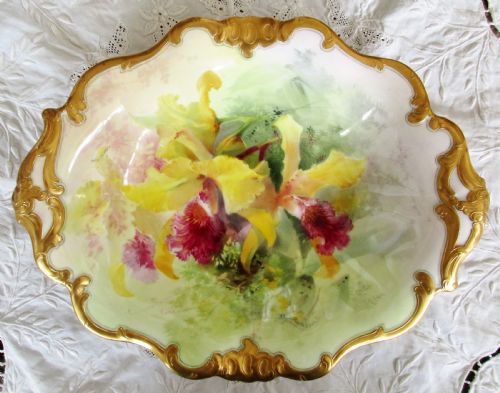
The distinction between standard domestic ware and finer pieces rests on the crispness of the transfer print, the depth of the silver plating and the ambition of the form. Standard meat platters served functional daily needs, whereas specialised double-rollover dishes and hand-painted porcelain required advanced manufacturing skill.
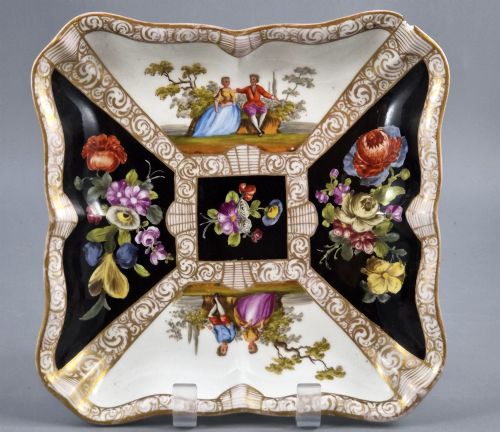
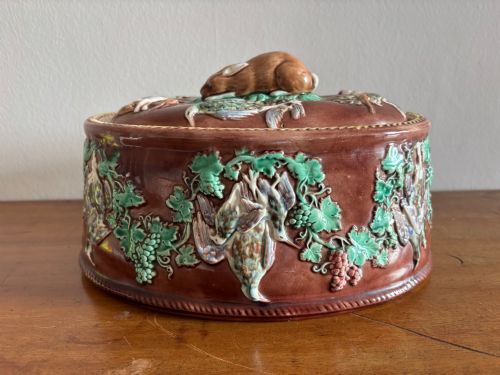
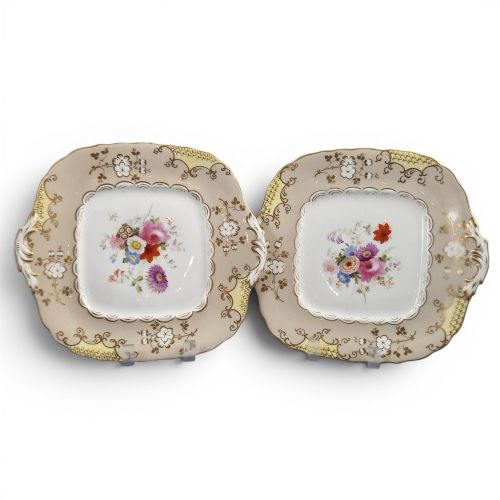
Surface ornamentation dictates visual merit, separating plain utilitarian pottery from elaborately chased metalwork, hand-painted botanical scenes and modelled ceramic game pie dishes. Maker attribution also plays a role, with established potteries and silversmiths delivering superior weight and finish.
Coalport·Meissen·Wedgwood·Royal Doulton·James Wallace and Co·David Dewsberry·Copeland and Garrett·Mann and Co·John Ridgway·Christopher Dresser·Hukin and Heath·Minton·Carlton Ware·Walker and Hall·Masons·Elkington
The Victorian Serving Dish Glossary
- Transfer print
- A decorative technique where an engraved copper plate transfers a design onto tissue paper, which is then pressed onto pottery before glazing. This method allowed intricate blue and white patterns to be reproduced consistently across large batches of tableware.
- Silver plate
- A method of fusing a thin layer of silver onto a base metal, commonly utilised to produce durable tableware during the nineteenth century. It offered the appearance of solid silver at a lower production cost.
- Tureen
- A deep, covered bowl designed for serving soups, vegetables or gravies at the dining table. They appear in ceramic, ironstone and porcelain, often accompanied by matching ladles.
- Ironstone
- A heavy, durable type of earthenware patented in the nineteenth century to imitate Chinese porcelain. It resists chipping and staining effectively, making it ideal for large meat platters and heavy serving dishes.
- Ormolu
- Gilded bronze or brass mounts applied to decorative objects, glass bowls and serving dishes. The technique creates a bright golden finish that complements cut glass and porcelain.
Victorian Serving Dish: Frequently Asked Questions
What were victorian serving dishes used for?
These vessels held large quantities of meat, fish, vegetables, fruit or sauces for communal dining before individual plating became standard practice. Specialised forms accommodated specific foods like oysters, game pies, butter and strawberries.
At the table, lidded tureens kept food warm while platters and shallow bowls presented main courses and side dishes. Wealthy households utilised matching sets for grand banquets, while simpler earthenware versions served everyday family meals.
Can I use these dishes for serving food?
Most antique ceramic and silver-plated dishes remain functional for serving dry foods, cold items, fruit or bread. Glazed pottery and metal surfaces handle regular use provided they are washed by hand rather than placed in modern dishwashers.
Older ceramics with hairline cracks or crazing absorb liquids over time, so avoid serving greasy or highly acidic foods on compromised glaze surfaces. Silver plate used for acidic foods should be washed promptly after use.
How can I tell the period of a piece?
Dating relies on maker marks, registration stamps, manufacturing styles and material changes recorded across the nineteenth century. Early pieces often feature hand-painted designs, while mid-century examples show widespread adoption of transfer printing and silver plating.
Design movements provide further clues, shifting from Regency and French Empire styles through Victorian Rococo Revival to Aesthetic Movement motifs by the late decades. Hallmarks on silver and silver plate offer precise calendar years for marked metal items.