


Silver Serving Bowl
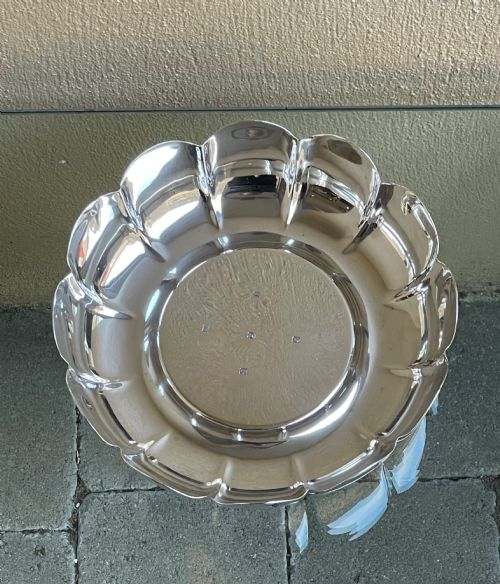
A silver serving bowl brings heft and gleam to the table, uniting practical dining forms with centuries of metalwork skill.
Silver Serving Bowl
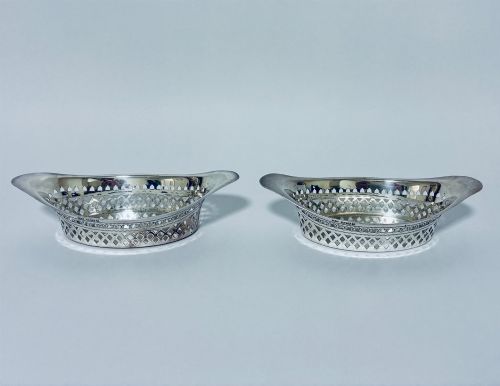
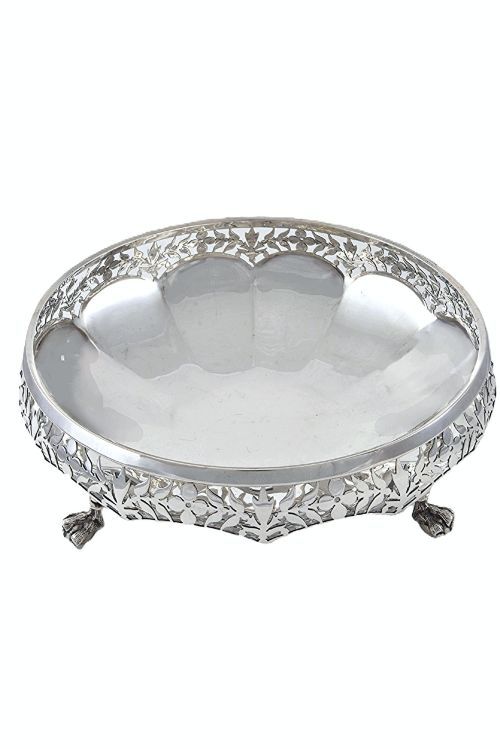
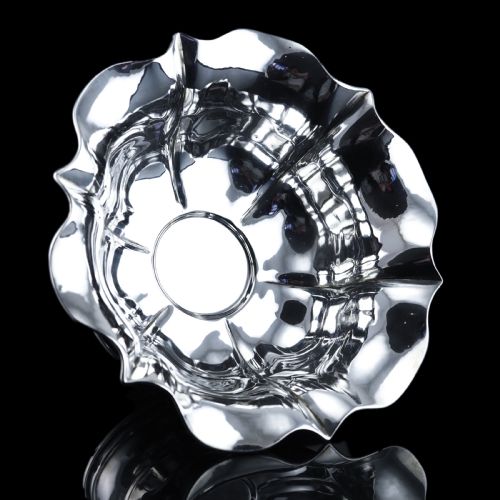
When you search for a silver serving bowl, you encounter a diverse range of forms spanning from the Georgian era through to the mid-twentieth century. The selection includes solid sterling vessels, silver plate over copper or nickel, and mixed media pieces incorporating cut glass, carved oak, and majolica ceramics.
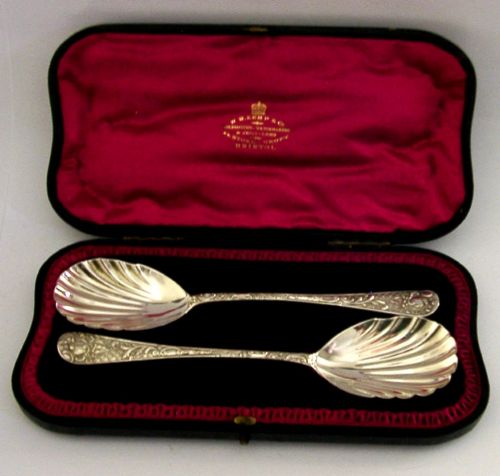
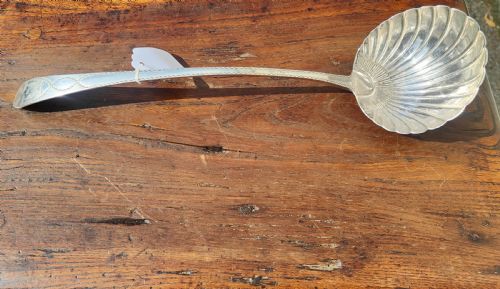
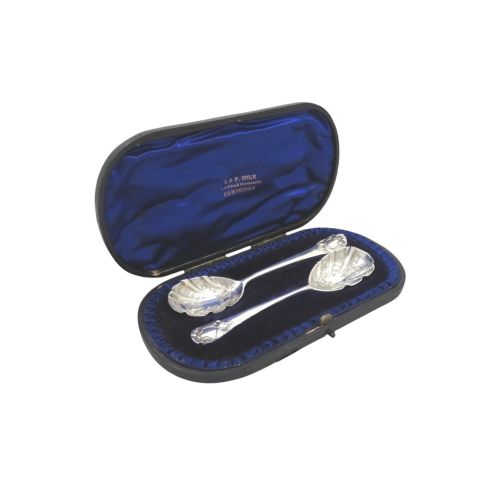
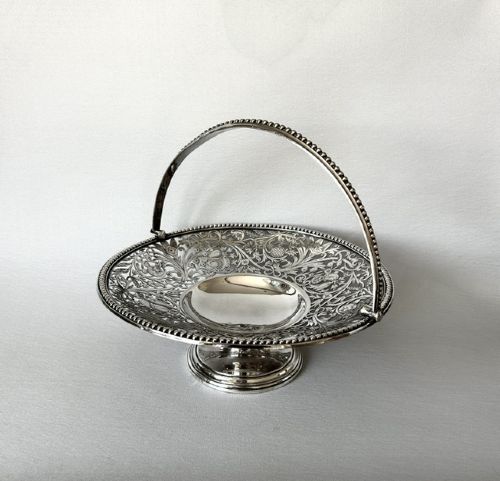
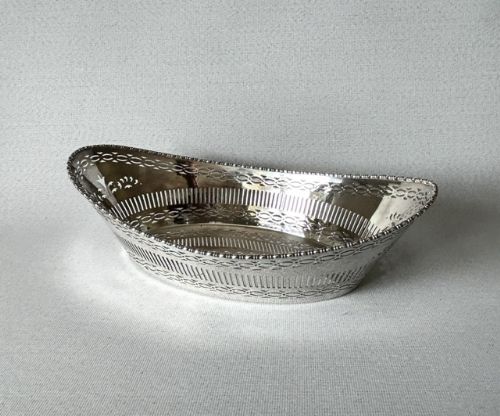
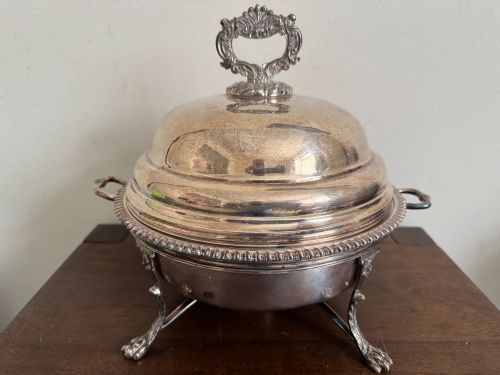
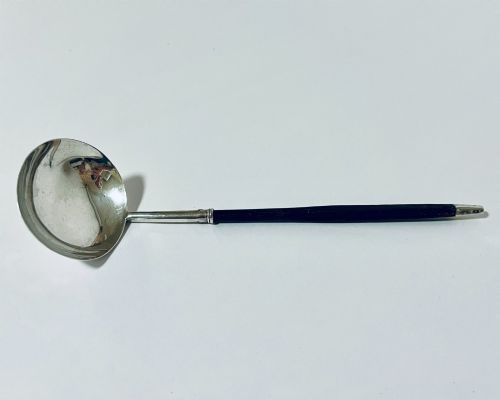
You are most likely to meet Victorian and Edwardian silver-plated bread baskets, fruit dishes, and entree tureens alongside solid sterling berry spoons, ladles, and sugar tongs. These domestic pieces reflect the changing dining habits of households from the eighteenth century up to the 1960s.
How manufacturers crafted these pieces
Makers utilised sterling silver and electroplated nickel silver as primary bases, applying techniques such as hand hammering, piercing, and floral engraving to decorate surfaces. Sheffield plating and later electroplating methods allowed workshops to deposit a thin layer of silver over base metals like copper.
Many items combine silver rims or mounts with organic elements, pairing stoneware, crystal glass, velvet, and ebonised wood with metal components. Silversmiths cast handles, hinges, and finiels separately before soldering or riveting them to the main body of the bowl or dish.
Materials recorded on this page include solid sterling silver, silver plate, EPNS, copper, stoneware, crystal glass, and carved oak.
What separates standard pieces from the finest examples
The distinction between ordinary and superior items lies in the crispness of the chasing, the depth of the engraving, and the weight of the metal utilised. Heavier gauge sterling silver and thick silver plate resist denting and retain their structural integrity far better over generations of use.
Design ambition and maker attribution elevate certain objects above utilitarian kitchenware. Pieces bearing clear hallmarks from recognised silversmiths or featuring specialist aesthetic and modernist motifs demonstrate superior craftsmanship and design cohesion.
Mappin and Webb·Walker and Hall·Tiffany and Co·Elkington·William Chawner II·Michael Smith·Benjamin Prosser·Frank Butler·Jackson and Fullerton·Hamilton and Inches·Hukin and Heath
The Silver Serving Bowl Glossary
- Sterling silver
- A silver alloy containing 92.5 percent pure silver by mass and 7.5 percent other metals, usually copper. This standard ensures durability while maintaining the precious metal content required for British hallmarks.
- Electroplated nickel silver
- A base metal alloy of copper, nickel, and zinc coated with a thin layer of silver through an electrolytic process. It served as an affordable alternative to solid silver for large dining items.
- Tureen
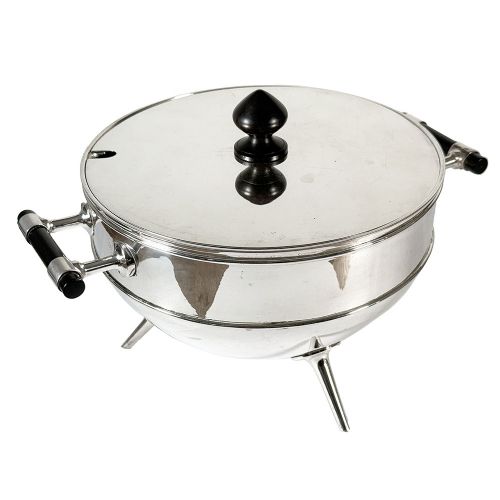
- A deep covered bowl utilised for serving soups, stews, or boiled vegetables at the dining table. They frequently appear in silver plate or sterling alongside matching ladles.
- Berry spoon
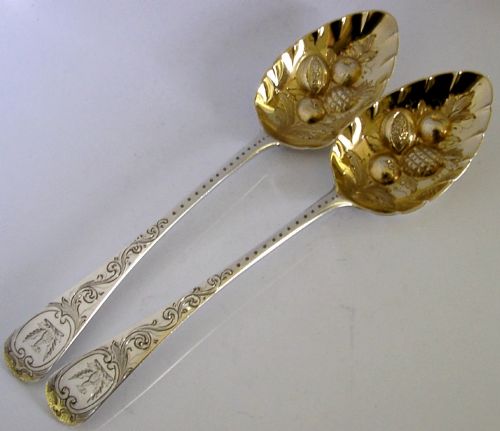
- A large serving spoon, often dating from the Georgian or Victorian period, retroactively chased and engraved with fruit and floral motifs during the nineteenth century. They were designed for serving soft fruits.
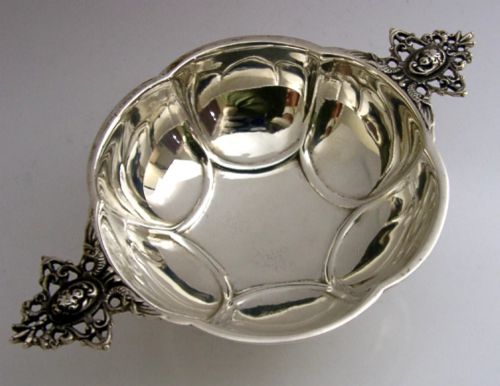
- Quaich
- A traditional Scottish two-handled drinking vessel or small bowl derived from wooden staves, occasionally produced in solid silver for barware and serving.
Silver Serving Bowl: Frequently Asked Questions
How do I clean an antique silver serving bowl?
Wash the item gently in warm water with a mild, phosphate-free liquid soap and a soft sponge. Dry it immediately with a clean cotton or microfibre cloth to prevent water spots.
Avoid harsh abrasive dips or excessive scrubbing that might wear away thin silver plating or damage engraved details. Natural oils from hands can tarnish the metal over time, so store pieces in dry, tarnish-resistant cloth wraps.
Can I still use silver bowls for food?
Solid silver and thick silver plate are generally food safe for serving dry or neutral foods. Acidic foods like citrus fruits or salad dressings should not be left in silver or silver-plated vessels for extended periods.
The chemical reaction between acids and the metal can pit the surface or strip away the silver plate, particularly on nineteenth-century plated items.
How do I know if a piece is solid silver or plated?
Inspect the piece closely for hallmarks, which indicate solid sterling silver standards regulated by assay offices. British sterling typically bears a lion passant alongside city marks and date letters.
If you see base metal showing through worn areas as a dull yellow or grey tone, the item is silver plated over copper or nickel silver rather than solid metal throughout.
What is the difference between a tureen and a bowl?
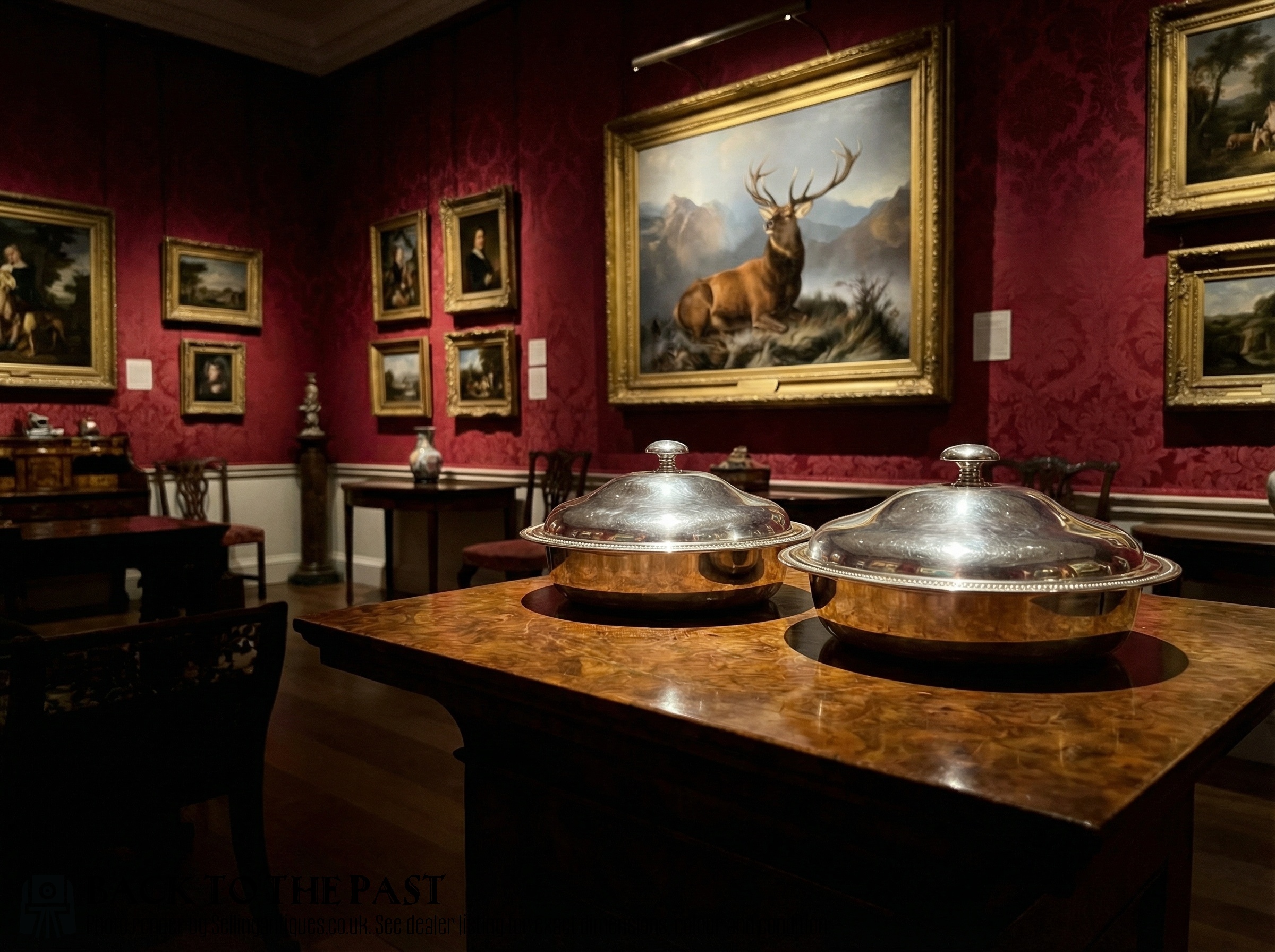
A tureen is specifically designed with a matching lid and often includes fixed handles or a fitted ladle for serving hot liquids and vegetables. Bowls are generally open vessels intended for fruit, salads, or side dishes.
Tureens date predominantly from the Georgian and Victorian periods as formal dining centrepieces, whereas open bowls span a wider variety of domestic uses.