



Solid Silver Basin
These solid silver basin examples range from Georgian sugar baskets to mid-century Irish presentation pieces, offering substantial weight and historic craftsmanship.
Solid Silver Basin
A solid silver basin encompasses diverse vessel forms designed for domestic service, table use, and display across multiple centuries. Buyers encounter sugar bowls, footed bowls, decorative vessels, and sugar baskets spanning the Georgian, Victorian, Edwardian, and later periods.
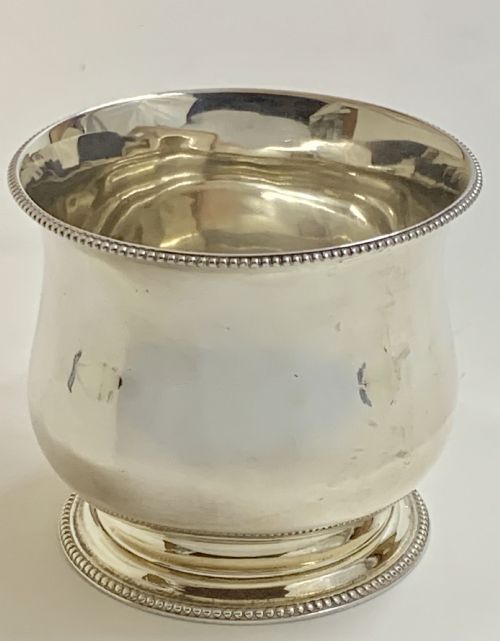
The material composition primarily centres on sterling silver, occasionally augmented by silver gilt interiors, alongside related domestic hardware such as bath taps. Forms vary from simple flared profiles to heavily chased repoussé designs originating from English, Irish, continental European, and Asian workshops.
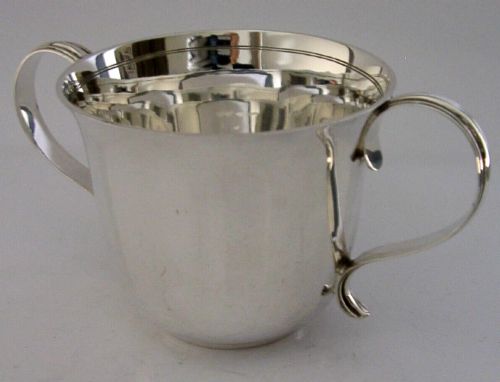
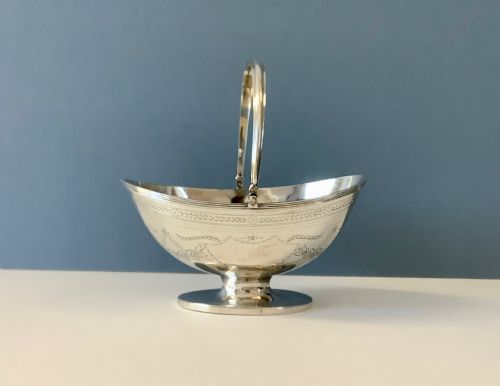
Victorian and Edwardian sugar basins dominate the selection, alongside earlier George III sugar baskets and twentieth-century Arts and Crafts hammered creations. Each piece reflects the functional requirements of its era, whether serving tea, holding sugar, or functioning as a decorative centrepiece.
Materials and construction methods
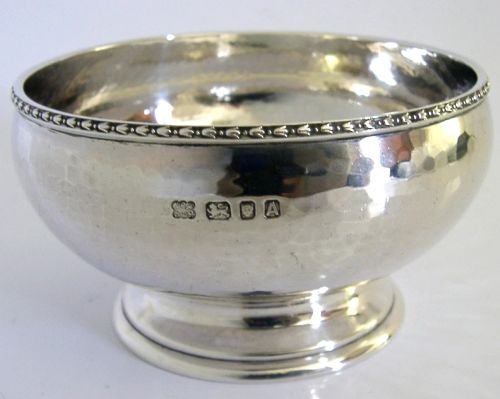
Silversmiths constructed these vessels from sterling silver, shaping the metal through hammer-work, casting, and raising techniques. Planished surfaces display deliberate hammer marks left by the maker, characteristic of the Arts and Crafts movement.
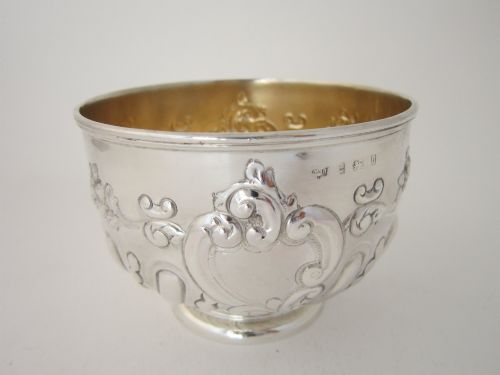
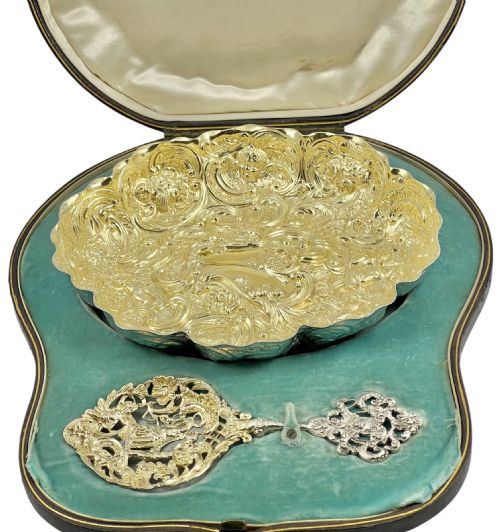
Repoussé and hand-chased ornamentation define many Victorian and Asian examples, where artisans worked the metal from reverse and front to produce deep relief figures and floral motifs. Gilding was applied internally to certain sugar bowls and cased sets to protect the silver from acidic contents.
A few listings unexpected by tea drinkers throw in solid nickel bath taps alongside the sugar basins.
Indicators of quality
Quality rests upon metal gauge, structural crispness, and the execution of hand-chased or hammered details. Heavier gauge silver provides greater rigidity and substance in the hand, separating utilitarian pieces from substantial presentation items.
The clarity of hallmarks and the precision of repoussé work distinguish superior craftsmanship. Pieces retaining sharp relief in floral or figurative panels demonstrate greater skill than worn or shallowly pressed equivalents.
JOHN BARRETT·Walter Brind·ROBERT HENNEL·S. Kirk & Son Company·Hukin & Heath
The Solid Silver Basin Glossary
- Sterling silver
- A silver alloy containing 92.5 percent pure silver by mass and 7.5 percent other metals, usually copper. This standard ensures durability while maintaining high purity.
- Repoussé
- A metalworking technique where the artisan hammers the metal from the reverse side to create a raised design on the front. Fine details are subsequently refined from the front.
- Sugar basin
- An open bowl designed to hold loose sugar for tea service, appearing frequently in matching tea sets from the eighteenth century onward.
- Planishing
- A hammering technique using a polished flat hammer to smooth and shape sheet metal while imparting a subtle texture of flat facets.
- Silver gilt
- Silver objects that have been coated with a thin layer of gold on the interior or exterior surfaces. This finish prevents tarnishing and provides a decorative contrast.
Solid Silver Basin: Frequently Asked Questions
How do I date an antique solid silver basin?
Dating relies primarily upon official hallmarks stamped into the metal, which indicate the assay office, date letter, and maker's mark. Stylistic clues such as repoussé floral motifs or clean Arts and Crafts lines further narrow the production period.
Comparing the rim form, handles, and vessel depth against documented examples from specific reigns helps confirm the era of manufacture.
What were solid silver basins originally used for?
These vessels served various domestic functions, most commonly holding loose sugar as part of formal tea service arrangements. Deeper bowls and baskets functioned as table centerpieces or presentation pieces for significant occasions.
Some specialised forms, such as sugar basins paired with cream jugs, were integral components of nineteenth-century dining and hospitality routines.
How should I clean and maintain a solid silver basin?
Maintenance requires gentle cleaning with a soft cloth and proprietary silver polish specifically formulated for antiques. Avoid abrasive cloths or harsh chemical dips that strip away desirable patination.
Store the basin in a dry environment away from direct sunlight and sulphur sources to minimise tarnishing between uses.