
Edwardian Tableware Silver
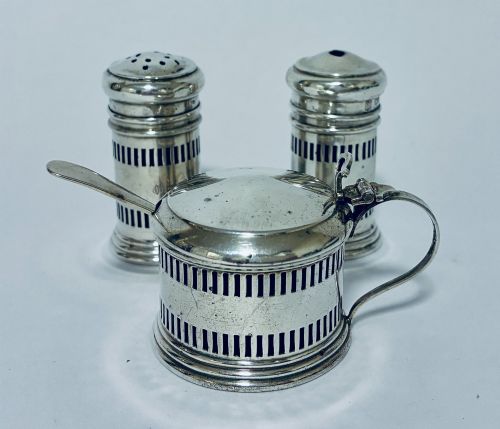
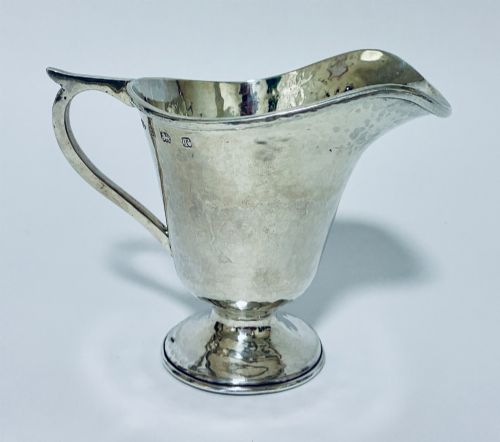
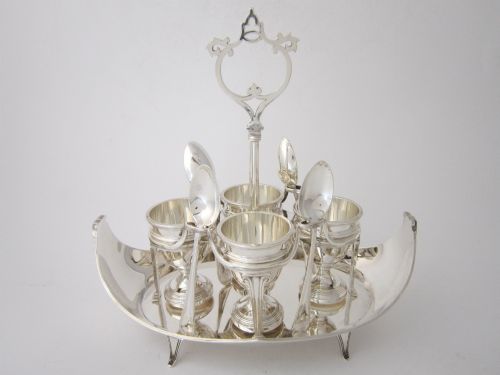
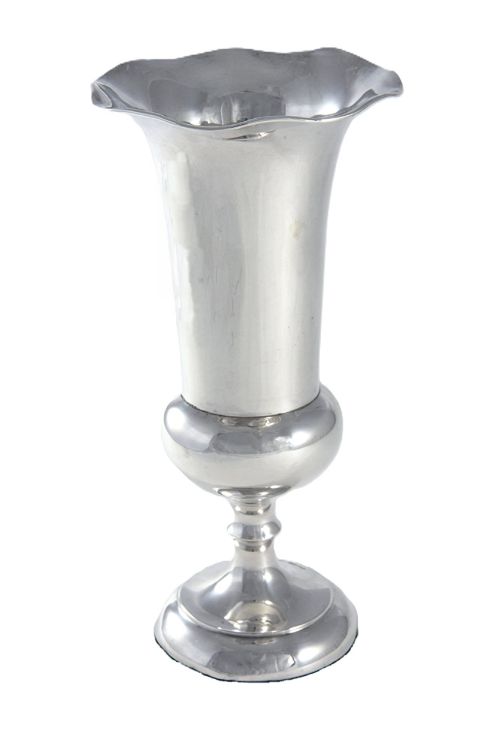
Edwardian tableware silver encompasses pieces from the Edwardian period, combining sterling silver with materials such as leather, velvet, silk, and bone to grace formal dining tables.
Defining Edwardian tableware silver
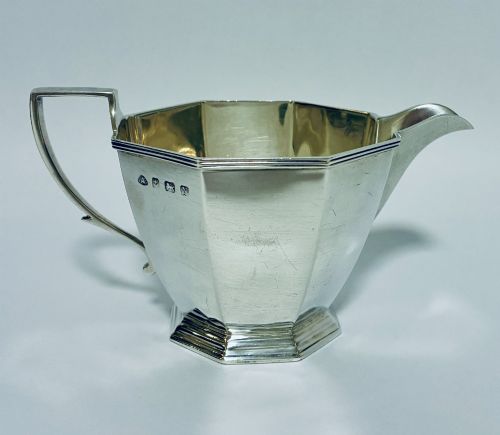
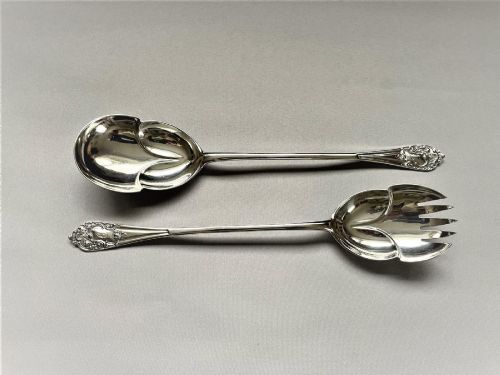
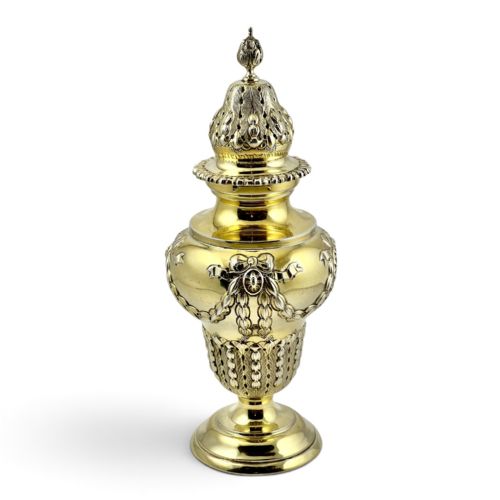
Edwardian tableware silver comprises items designed for dining and table service produced during the Edwardian era. The pieces found here include menu holders and cutlery.
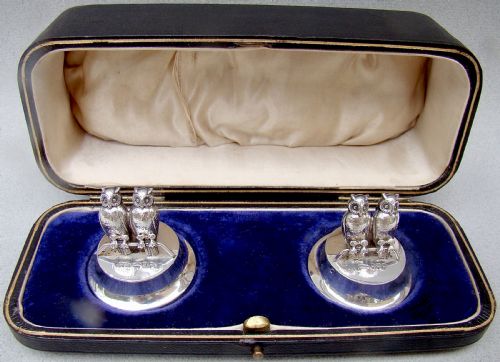
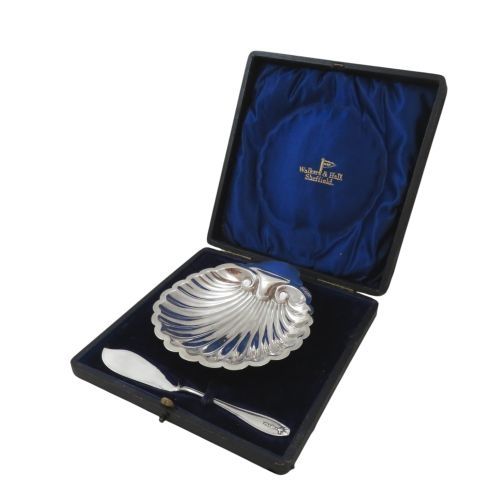
The selection reflects the specific demands of Edwardian dining rituals, where dedicated implements for courses and table settings were standard practice. Buyers searching for edwardian tableware silver encounter distinct forms such as cased owl menu holders and cheese slice knives.
Materials and construction
Items in this category are fashioned primarily from solid sterling silver, often paired with contrasting interior or fitted elements of leather, velvet, silk, and bone. Silversmiths utilised traditional manufacturing techniques to shape the metal and incorporate fitted presentation cases.
Details such as figural castings demonstrate the metalworker's skill in creating dimensional representations of subjects like owls alongside functional dining pieces.
Even formal Edwardian dining tables occasionally required a stern silver owl to watch over the evening menu.
Judging the work
Quality in these items rests upon the crispness of the silver casting and the survival of original fitted components. Pieces that retain their fitted cases and delicate detailing represent a higher tier of production.
The degree of definition in figural subjects and the substantial weight of the sterling silver separate standard production from more ambitious workshop output.
Levi and Salaman
The Edwardian Tableware Silver Glossary
- Sterling silver
- An alloy containing 92.5 percent silver by mass, forming the primary metal standard for these table items. This composition ensures durability for daily dining use while maintaining a bright metallic lustre.
- Menu holder
- A small upright stand placed on a dining table to display the meal course selections to guests. These often feature figural or decorative mounts.
- Cheese slice knife
- A specialised flatware implement designed for cutting and serving cheese during the course of a formal meal. The form typically incorporates a broad blade and a handle made from materials like bone.
- Cased
- Describes an item accompanied by its original fitted presentation box, usually lined with fabrics such as silk or velvet to protect the contents.
Frequently Asked Questions
What is edwardian tableware silver?
Edwardian tableware silver refers to dining items and accessories produced during the Edwardian period in sterling silver.
These objects include specialised pieces created for formal table service and presentation.
How were menu holders used?
Menu holders were placed on dining tables to hold small cards inscribed with the courses of the meal.
Guests consulted these stands to see what food would be served during the dining service.
What materials accompany the silver?
Items in this category frequently incorporate leather, velvet, silk, and bone alongside sterling silver.
These supplementary materials appear in fitted presentation cases and utensil handles.
How do I identify the period?
Period identification relies on hallmarks stamped into the sterling silver, indicating the assay office, standard, and date letter.
Stylistic markers characteristic of the Edwardian era also distinguish these pieces from earlier or later tableware.