
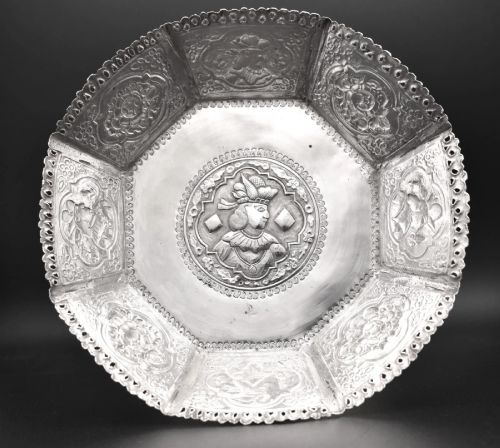


Embossed Sterling Silver Bowl
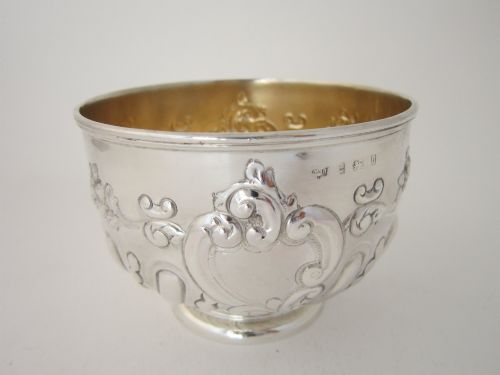
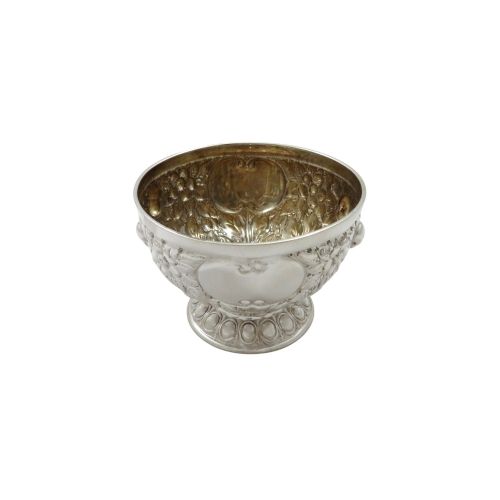
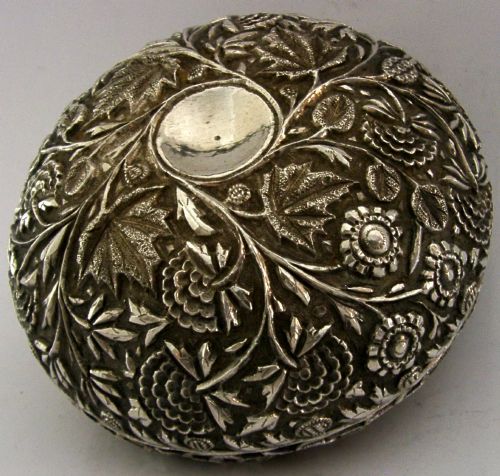
These embossed sterling silver bowl pieces offer intricate floral and chased decoration, bringing tactile historical craftsmanship straight to the table.
Embossed Sterling Silver Bowl
An embossed sterling silver bowl is a decorative or serving vessel featuring raised ornamentation hammered or pressed from the reverse side. The selection spans domestic sugar bowls, footed tazzas, jewellery dishes, and sweetmeat containers created across several periods.
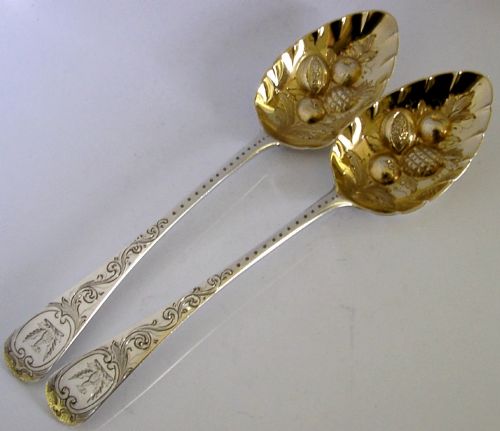
Most examples originate from the Victorian, Edwardian, and Georgian eras, alongside regional styles such as Anglo-Indian and Thai solid silver work. Buyers will also encounter associated serving spoons, caddy spoons, and fitted presentation cases accompanying the hollowware.
The form functions equally well as a display centrepiece or a practical container for small items. Each piece demonstrates the heavy weight and distinctive lustre characteristic of solid silver and silver gilt manufacture.
Assessing quality and execution
Quality rests upon the crispness and depth of the embossed work, where sharply defined petals and leaves distinguish superior craftsmanship from shallow pressing. The thickness of the silver gauge also dictates the solidity and weight of the vessel in the hand.
The integration of design elements, such as chased background textures and balanced symmetry, separates standard domestic items from exceptional studio pieces. Maker marks, crisp hallmarks, and retained original cases further elevate the standing of an individual bowl.
Object forms represented here include decorative bowls, caddy spoons, tazzas, jewellery dishes, and fitted presentation cases.
William Chawner II·James Hennell·Robert Hennell I·David Hennell II·Samuel Kirk
The Embossed Sterling Silver Bowl Glossary
- Sterling silver
- An alloy consisting of ninety-two point five percent silver by mass, with the remainder typically copper. This standard ensures durability while maintaining a bright metallic appearance.
- Repoussé
- A metalworking technique where the artisan hammers the metal from the reverse side to form a raised design in relief. Details are subsequently refined from the front using chasing tools.
- Silver gilt
- Silver objects that have been coated with a thin layer of gold on the surface. This finish provides a warm golden tone while retaining the underlying structure of solid silver.
- Tazza
- An ornate footed plate or shallow bowl elevated on a stem, traditionally used for serving small food items or display. These pieces often feature deep embossing along the rim.
- Sweetmeat bowl
- A small vessel designed for holding confectionary, nuts, or dried fruits during formal dining. Examples frequently incorporate pierced work or heavy floral embossing.
Embossed Sterling Silver Bowl: Frequently Asked Questions
How do I clean an antique silver bowl?
Use a soft microfiber cloth and a mild, specialised silver cleaner to remove tarnish gently without damaging the embossed details. Avoid harsh abrasive pastes that can wear down the raised high points of the repoussé work over time.
Store the vessel in a dry environment away from direct sunlight, and refrain from wrapping it in rubber or certain plastics that accelerate tarnishing. Regular, light dusting is often sufficient for pieces kept on display.
Can I use these bowls for serving food?
Many of these pieces were originally created as sugar bowls, sweetmeat dishes, or serving vessels for the dining table. Solid silver is generally safe for food contact, provided the item is washed by hand promptly after use.
Acidic foods or prolonged exposure to moisture should be avoided to protect the metal and any gilt interiors. For delicate antique pieces, modern use is often restricted to decorative display or holding dry items.
How can I date an unmarked silver bowl?
British pieces typically bear hallmarks indicating the assay office, date letter, and maker's mark, which allow for precise dating. Examining the style of the embossing, such as Victorian Rococo Revival motifs or Georgian floral patterns, provides stylistic clues when hallmarks are absent.
Regional variations, such as Anglo-Indian or Thai craftsmanship, rely on traditional decorative motifs and construction methods rather than standard British hallmarking systems.
What is the difference between sterling and solid silver?
Sterling silver is a specific international standard denoting an alloy of ninety-two point five percent pure silver and seven point five percent other metals. The term solid silver simply means the object is made throughout from silver metal rather than being plated.
Most antique British pieces described as solid silver also meet the strict sterling standard, verified by official town marks.