



Antique Silver Tea Bowl
An antique silver tea bowl brings quiet weight to a table, shaped by centuries of tea ceremonies and domestic rituals.
Antique Silver Tea Bowl
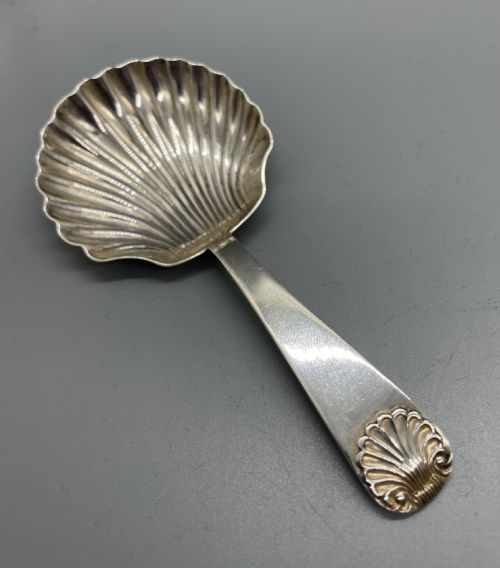
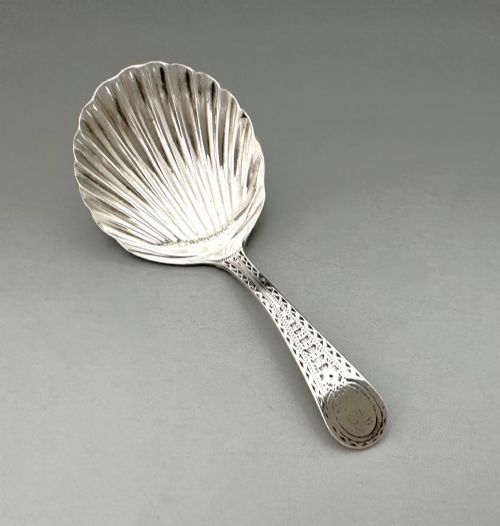
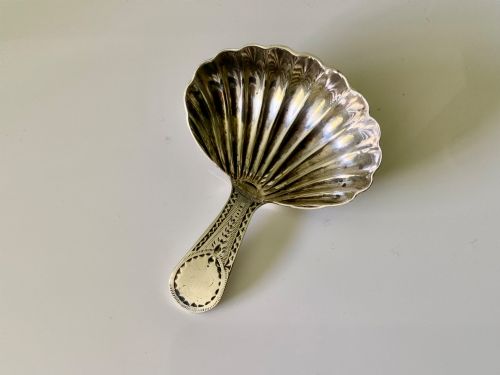
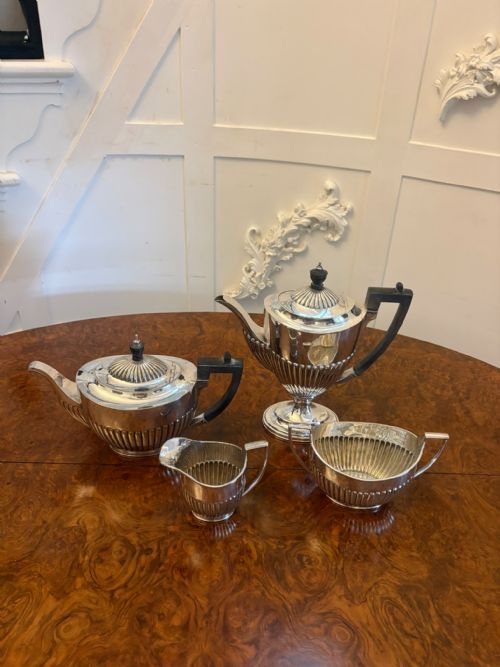
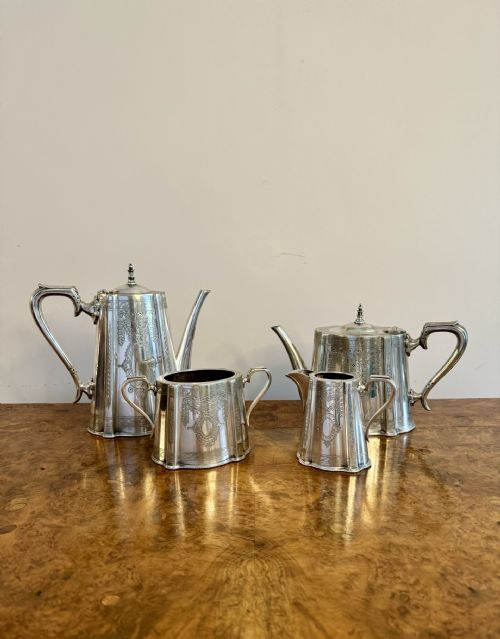
When searching for an antique silver tea bowl, collectors encounter a diverse group of domestic tableware spanning the Georgian, Victorian, and Edwardian eras. While bowls appear alongside sugar baskets, caddy spoons, and tea services, the focus remains on hollowware designed for the consumption and preparation of tea.
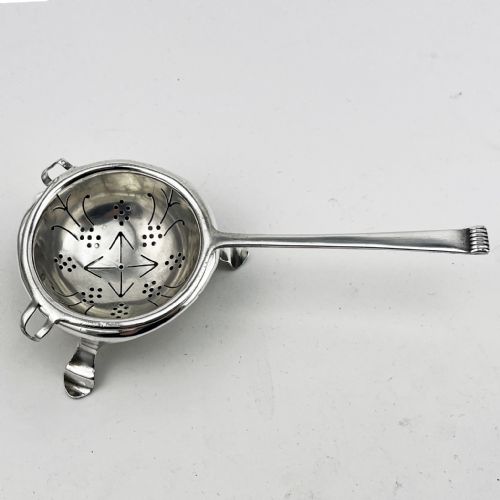
The selection ranges from early eighteenth-century pieces to later twentieth-century iterations, incorporating materials such as sterling silver, silver plate, and occasional glass liners. Buyers frequently meet associated items like mote spoons and sugar tongs within this category, reflecting the broader tea service ritual.
Materials and construction methods
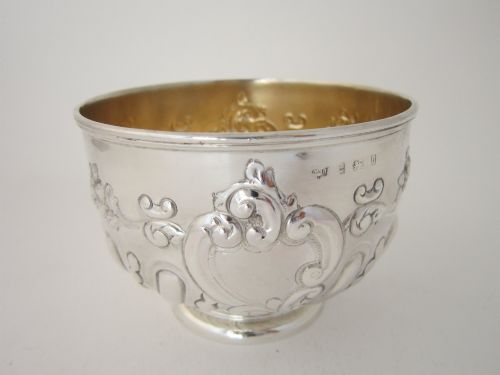
Surface decoration relies on engraving, embossing, and applied cast elements like grapevine detailing or figural motifs. Makers also employed silver gilt interiors to prevent the oxidation of silver from damp tea leaves and sugar.
Markers of distinction and build
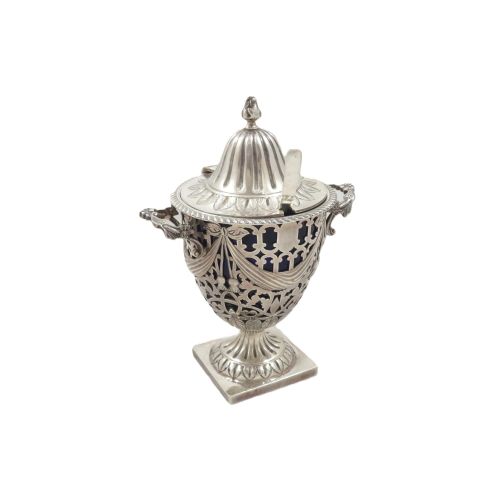
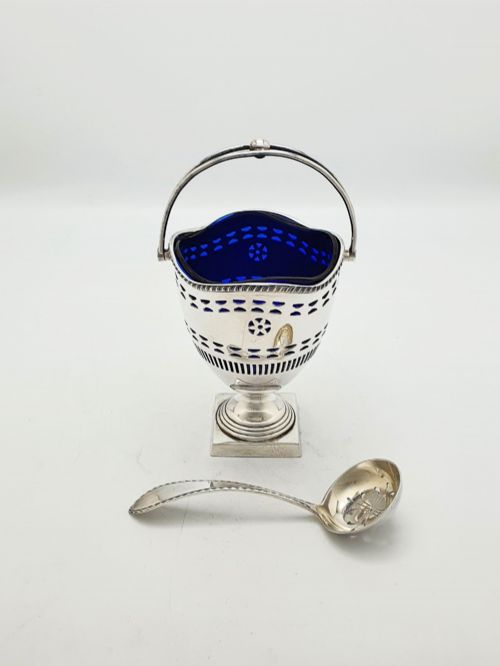
Quality rests in the crispness of chased and pierced decoration, where hand-cut piercing demonstrates superior craftsmanship compared to stamped alternatives. The gauge of the metal dictates the heft and rigidity of the bowl or basket in the hand.
Maker marks and clear hallmarks provide historical grounding, while the survival of original fitted elements like blue glass inserts elevates the integrity of the piece. Proportion and balance in handle placement or pedestal feet distinguish finer workshop output from standard production.
Martin Hall & Co·Walker and Hall·Mappin & Webb·Jeremiah Lee·Joseph Craddock·Benjamin Smith
The Antique Silver Tea Bowl Glossary
- Caddy spoon
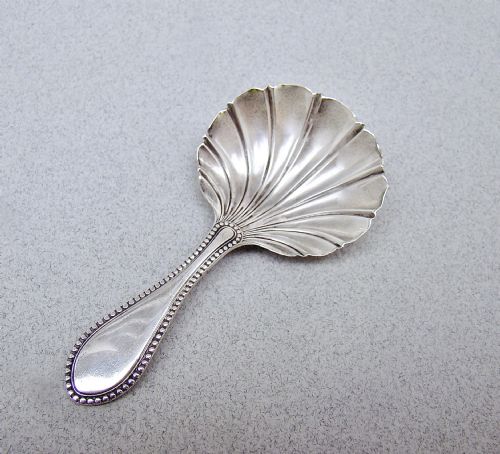
- A small spoon specifically designed for measuring loose tea leaves from a caddy into the pot. These often feature shell-shaped bowls and engraved handles.
- Mote spoon
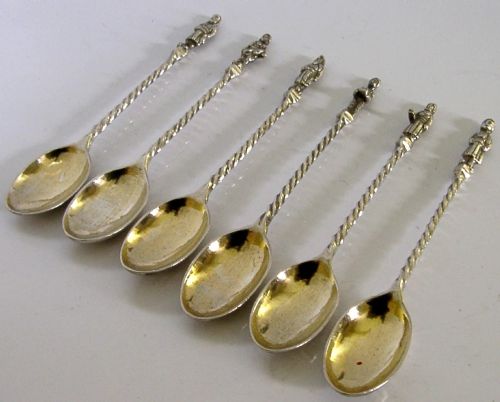
- A slender eighteenth-century spoon featuring a pierced bowl for skimming floating tea leaves and a pointed terminal for clearing the teapot spout. This tool was essential before the widespread use of tea strainers.
- Sugar basket
- An openwork or solid silver vessel, frequently lined with coloured glass, designed to hold lump sugar on the tea table. They often stand on pedestal feet and include swing handles.
- Silver gilt
- Sterling silver that has been coated with a thin layer of gold on the interior surface. This technique protected the metal from tarnishing when in contact with moist contents.
- Hallmark
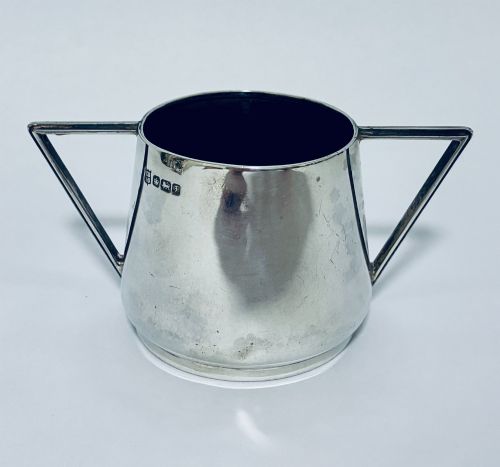
- A series of official stamps applied to precious metal items indicating the maker, standard of purity, assay office, and year of manufacture. These marks offer a reliable method for dating British silver.
Antique Silver Tea Bowl: Frequently Asked Questions
How do I clean antique silver?
Clean silver gently using a non-abrasive silver cloth or a mild detergent in warm water, avoiding harsh chemical dips that strip away natural patination.
Dry the pieces thoroughly with a soft lint-free cloth to prevent water spots and store them in tarnish-resistant environments when not on display.
What is the difference between sterling and silver plate?
Sterling silver contains a guaranteed minimum purity of silver alloyed with copper, stamped with traditional assay marks to verify its standard.
Silver plate consists of a thin layer of silver fused to a base metal core, such as copper or white metal, which was developed to offer domestic tableware at a more accessible cost.
Can I use these items for daily tea service?
Many solid silver and plated tea items remain structurally sound for everyday use, provided they are hand washed rather than placed in modern dishwashers.
Pieces with delicate glass liners or fragile wooden components require extra care to prevent thermal shock or damage to the adhesives.
How do I read silver hallmarks?
British hallmarks typically include a maker's mark, a standard mark such as the lion passant for sterling, an assay office symbol, and a date letter.
Reference tables compiled from regional assay office records help correlate these date letters with specific years of production.