



Beaded Silver Dish
These beaded silver dish pieces bring distinct period elegance to a table, offering both decorative charm and practical service.
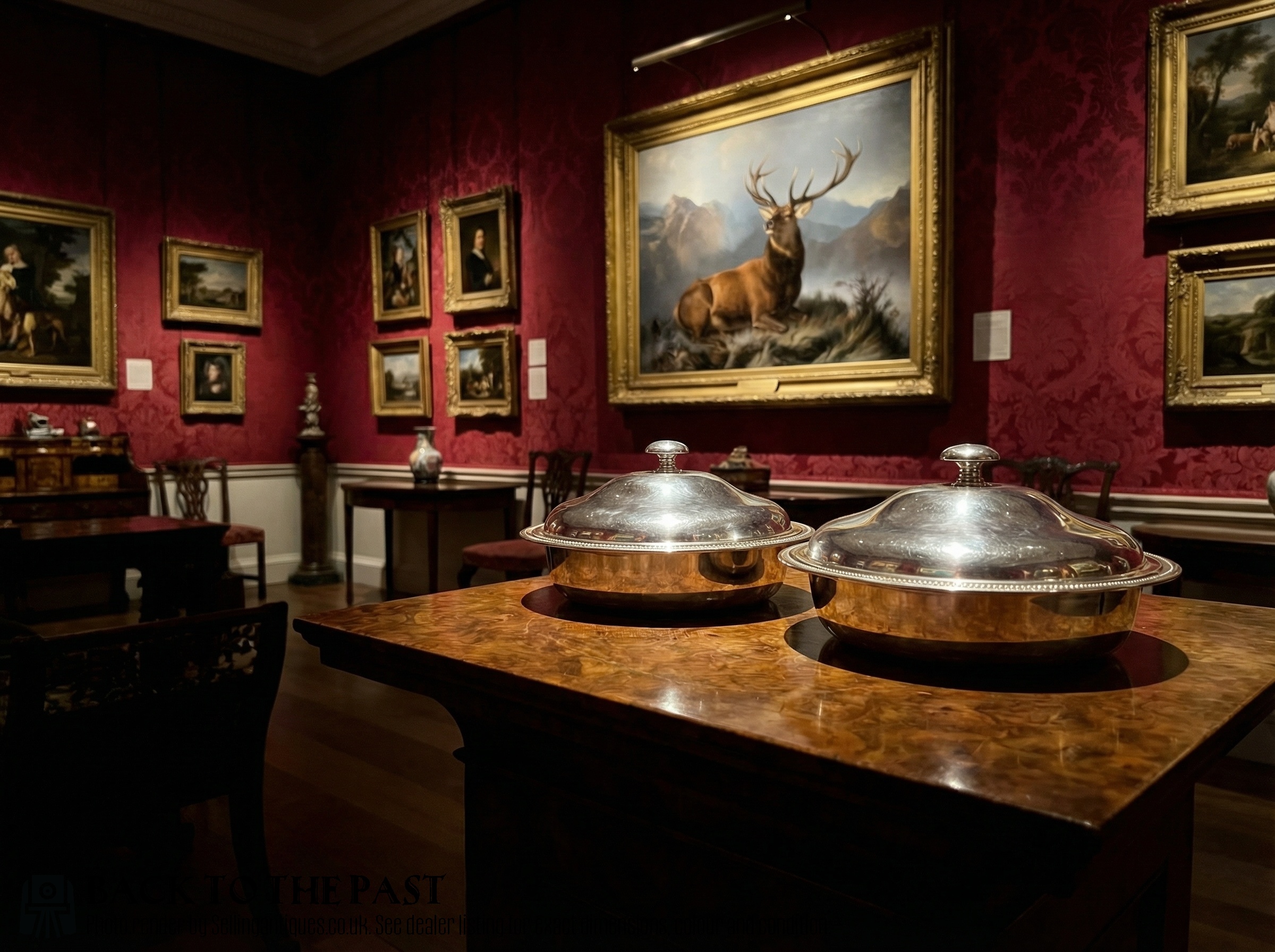
Beaded Silver Dish
A beaded silver dish encompasses various serveware items spanning Georgian, Victorian, and Edwardian eras. Buyers search this phrase to find functional serving vessels, entree dishes, fruit baskets, and sugar bowls featuring characteristic decorative borders.
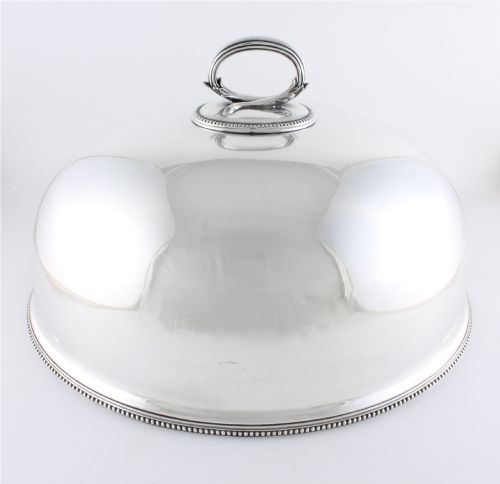
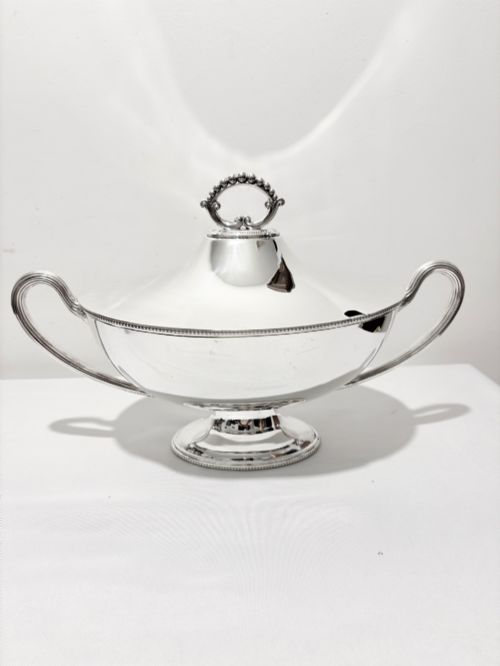
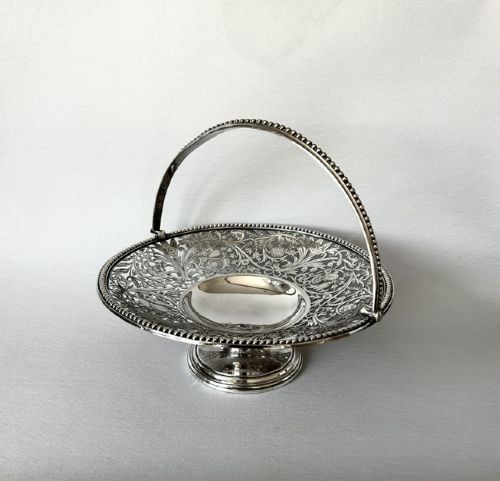
The selections available here lean heavily toward silver plated and sterling silver items from the nineteenth and early twentieth centuries. Forms range from meat covers and biscuit barrels to salts and serving dishes, showing diverse historic origins.
Materials and construction
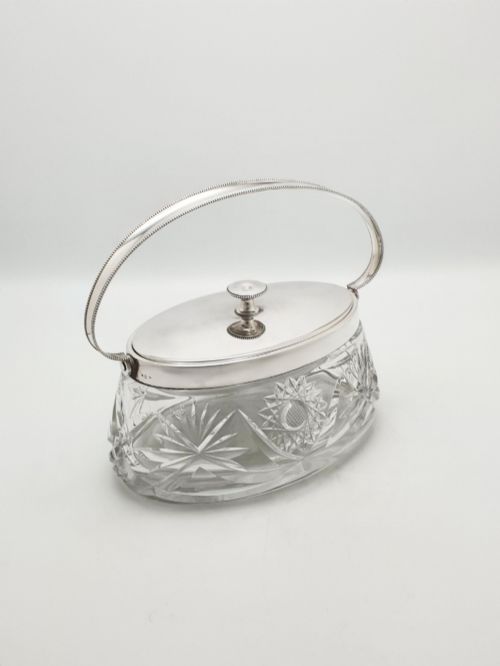
These items utilise sterling silver, Old Sheffield Plate, and various forms of silver plate including EPNS and nickel silver. Manufacturers often combined these metallic bases with cut glass elements on pieces like biscuit boxes.
Craftsmen applied specialised techniques to form serving dishes, cloches, and baskets, frequently incorporating applied beaded wire borders along the rims. The integration of structural silver plating over base metals defined much of the nineteenth-century production.
Beaded Silver Dish Retail Price Guide 2026
Typical asking prices for beaded silver dish among the pieces listed under this phrase on Sellingantiques today, from the lower quarter to the upper quarter. They describe what is for sale here now, not the wider market.
Listings span the eighteenth century through the Edwardian era, featuring sterling silver, Old Sheffield plate, and cut glass.
Distinctions in quality
The standard of manufacture depends on the crispness of the applied beading and the integrity of the underlying metalwork. Heavier gauge silver and substantial old Sheffield plate indicate superior construction compared to lighter plated alternatives.
Makers mark execution and overall balance separate standard utility wares from finer examples. Pieces retaining complete original plating and precise decorative piercing demonstrate higher workshop standards.
Walker Knowles·William Hutton and Sons·Walter Brind
The Beaded Silver Dish Glossary
- EPNS
- Electroplated Nickel Silver. A common base metal manufacturing method utilising an electrolytic process to apply a silver coating.
- Old Sheffield Plate
- A method of fusing a thin sheet of sterling silver to a thicker copper base before rolling and shaping.
- Entree Dish
- A covered serving vessel designed for presenting principal courses at the dining table.
- Pap Boat
- A small spouted bowl historically used for feeding infants or invalids during the Georgian period.
- Sugar Basket
- A small open vessel, often featuring a swing handle, designed for holding lump or granulated sugar.
Beaded Silver Dish: Frequently Asked Questions
How do I clean a silver plated dish?
Clean these items using a gentle silver cloth and mild soapy water to preserve the delicate plating. Avoid abrasive cleaners that might wear away the silver surface over time.
Ensure the piece is thoroughly dried after washing to prevent moisture spots on both sterling and plated surfaces.
What periods do these pieces come from?
The inventory spans the eighteenth, nineteenth, and early twentieth centuries. You will encounter Georgian, Victorian, and Edwardian examples.
Each period brings distinct stylistic traits, from eighteenth-century simplicity to ornate Edwardian serveware.
Can I use these dishes for daily dining?
Many of these pieces were designed for food service, including entree dishes, meat covers, and fruit baskets. They function well for contemporary dining and entertaining.
Take care with silver plated items to preserve the finish during regular use and subsequent hand washing.
How do I identify Old Sheffield Plate?
Old Sheffield Plate involves a distinctive fusion technique where silver is bonded to copper. You can sometimes spot a subtle copper line along exposed edges.
This method predates standard nineteenth-century electroplating techniques.