




William Hutton Silver
William hutton silver brings together utilitarian domestic pieces and decorative table objects crafted across the nineteenth and twentieth centuries.
William Hutton Silver
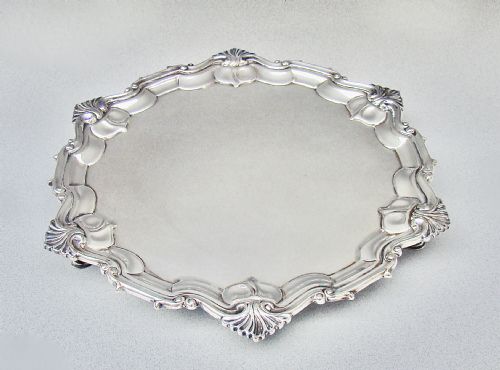
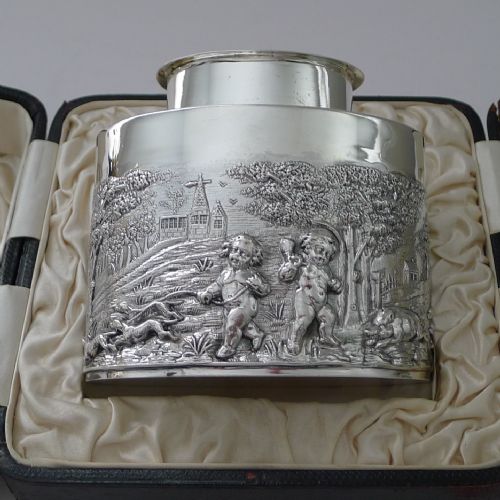
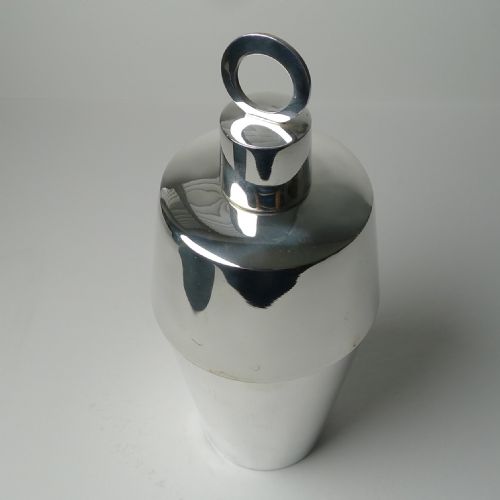
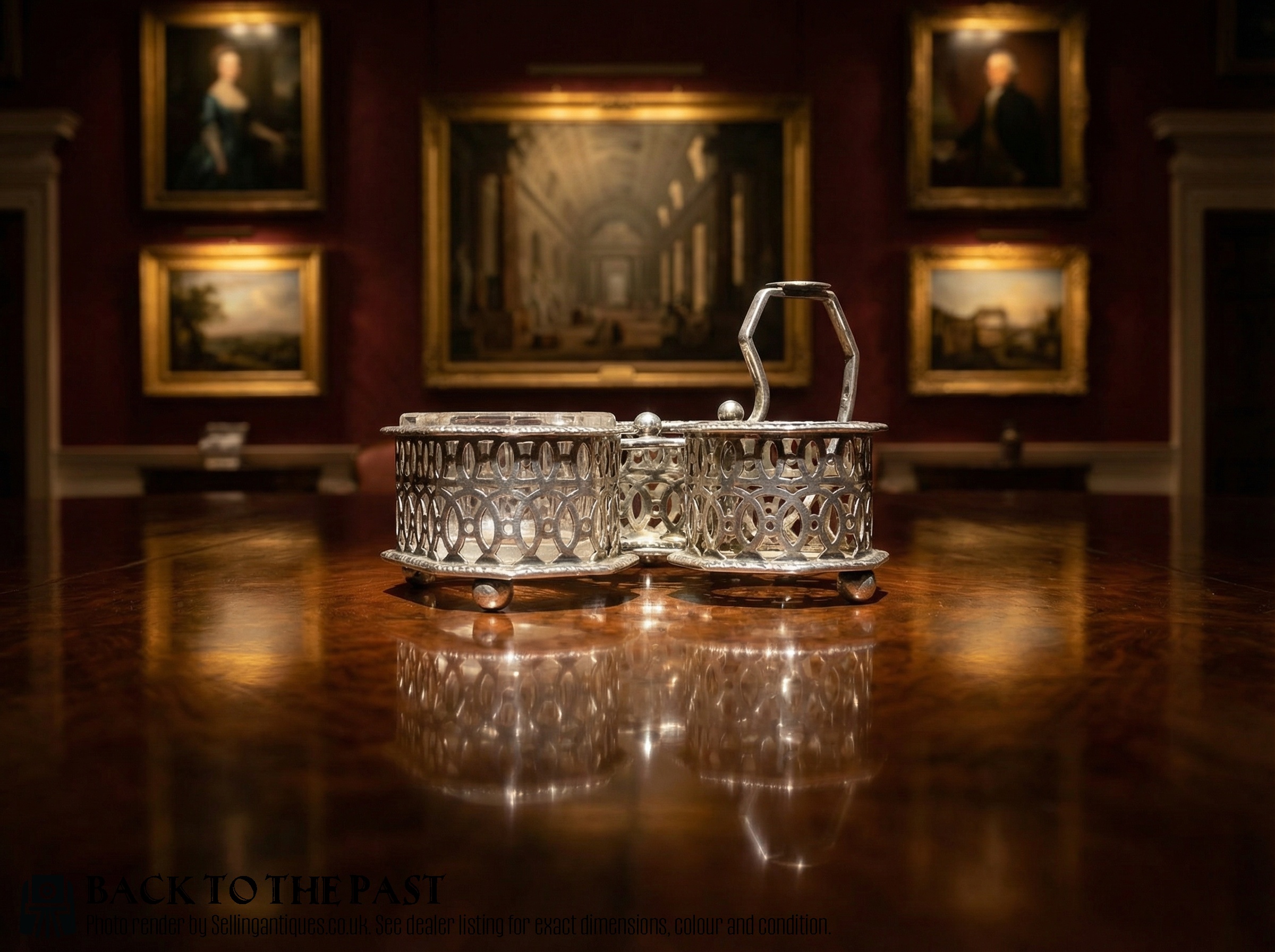
William hutton silver encompasses a diverse selection of household items ranging from Victorian and Edwardian dining accessories to later Art Deco cocktail wares. Buyers searching for william hutton silver will encounter functional pieces like teapots, trays, toast racks, and cruet sets alongside decorative boxes and desk items.
The objects frequently reflect popular design movements of their respective decades, including Arts and Crafts metalwork, Art Nouveau motifs, and geometric Art Deco styling. Pieces span from late nineteenth-century productions up through the 1930s, showing both sterling silver and silver-plated finishes.
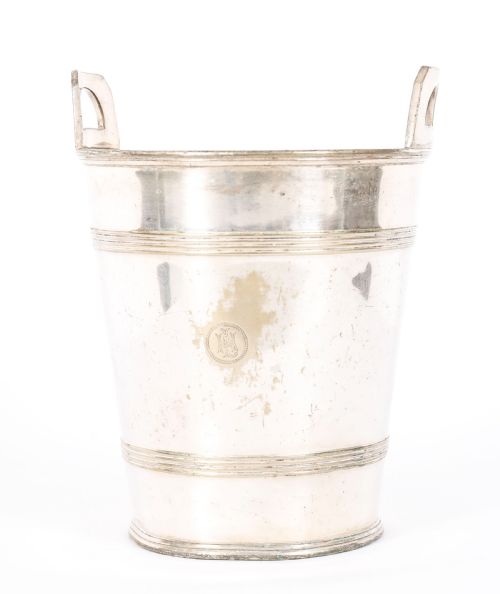
Tableware forms such as fruit baskets, champagne coolers, and entree dishes appear alongside smaller personal items like photo frames, scent bottles, and inkwells. Most surviving examples derive from the firm's Sheffield and Birmingham workshops active across the Victorian, Edwardian, and George V periods.
Materials and Manufacturing Techniques
Production utilised both solid sterling silver and electroplated nickel silver, the latter offering a durable alternative for large dining vessels like trays and soup tureens. Smiths shaped sheet metal through spinning, hammering, and stamping, often mounting the silver elements onto glass bottles, ceramic bodies, or wooden bases.
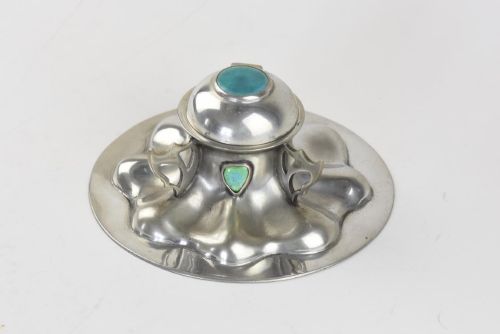
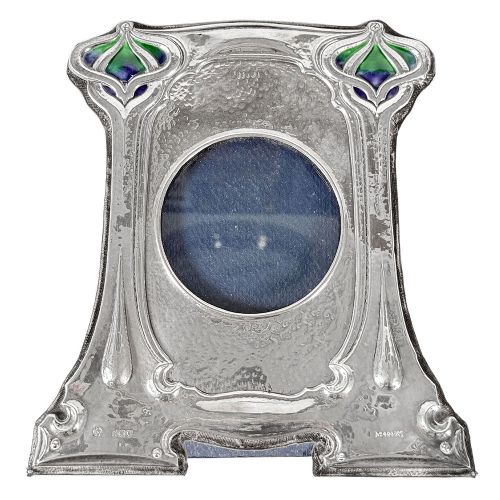
Arts and Crafts and Art Nouveau pieces frequently incorporate decorative insertions such as Ruskin cabochons, guilloche enamel panels, and coloured glass inserts. Handles, feet, and borders were cast separately and soldered or riveted to the main body before finishing and polishing.
Certain dining tables once hosted specialised devil's head cayenne pepper spoons alongside miniature jars.
Assessing Craftsmanship and Design
Quality separates standard mass-produced plated wares from ambitious sterling silver or specialised Arts and Crafts commissions. Pieces featuring handcrafted elements like hammered pewter, hand-set enamel, or collaborations with distinct designers demonstrate superior workshop input.
The crispness of stamped decoration, the weight of the silver or plating, and the integration of secondary materials such as cut glass or ceramic cabochons define the tier of the object. Well-preserved makers' marks and clear date letters also indicate standard factory compliance versus exceptional studio output.
William Hutton and Sons·Kate Harris·Lawrence Connell
The William Hutton Silver Glossary
- Sterling silver
- A silver alloy containing 925 parts of pure silver per thousand parts total metal. This standard denotes solid silver construction as opposed to plated wares.
- Silver plate
- A base metal such as nickel silver covered with a thin layer of pure silver through electroplating. This method allowed manufacturers to produce robust tableware at a lower cost.
- Arts and Crafts
- A design movement promoting handcrafting, traditional skills, and simple forms over industrial mass production. Pieces from this style often feature exposed hammer marks and cabochon stones.
- Cruet set
- A matched collection of small bottles, jars, or shakers held in a frame for condiments like oil, vinegar, salt, and pepper. These accessories sat centrally on dining tables.
- Guilloche enamel
- A decorative technique where translucent enamel is layered over mechanically engraved metal. It produces repetitive geometric patterns beneath coloured glass surfaces.
William Hutton Silver: Frequently Asked Questions
What items did william hutton make?
William hutton and sons produced a vast array of domestic metalware ranging from large dining table centrepieces to small personal accessories. Their output included tea caddies, toast racks, cruet stands, photo frames, and cocktail shakers.
Production also extended to specialised items like champagne coolers, inkwells, scent bottles, and letter openers. Both sterling silver and silver-plated versions were standard across their workshops.
How do I date william hutton pieces?
Dating relies heavily upon the assay office marks, maker's marks, and date letters stamped into the silver or base metal. Sterling silver items carry official hallmarking stamps that identify the specific year of testing.
Stylistic indicators also help narrow the timeline, distinguishing Victorian and Edwardian ornate designs from later Art Deco geometric forms. Catalogues and company history records further clarify production eras.
Are these items solid silver or plated?
The inventory includes both solid sterling silver and electroplated nickel silver items. Each piece carries specific stamps indicating whether the metal is solid or plated over a base material.
Plated items usually display marks denoting the plating process, while sterling pieces bear standard silver hallmarks such as the lion passant. Secondary materials like glass and enamel frequently accompany both types.
How should I clean silver plate?
Cleaning requires gentle polishing with a dedicated silver cloth or a mild, non-abrasive silver cream to remove tarnish. Avoid harsh chemical dips, particularly on plated items or pieces with enamel and glass components.
Preserving the original patina means cleaning only when necessary and storing items away from high humidity. Care must be taken around inset stones and delicate soldered joints.