


19th Century Silverplate
These 19th century silverplate pieces offer enduring Victorian elegance and utility, bringing historic craftsmanship directly to your dining table or display.
19th Century Silverplate
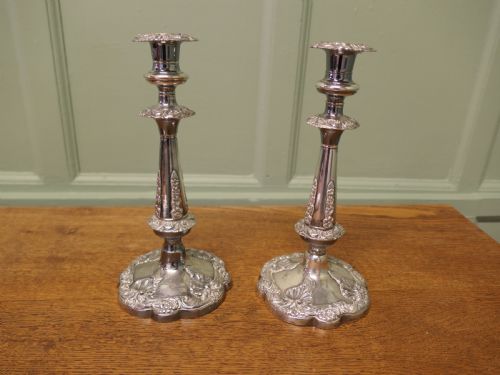
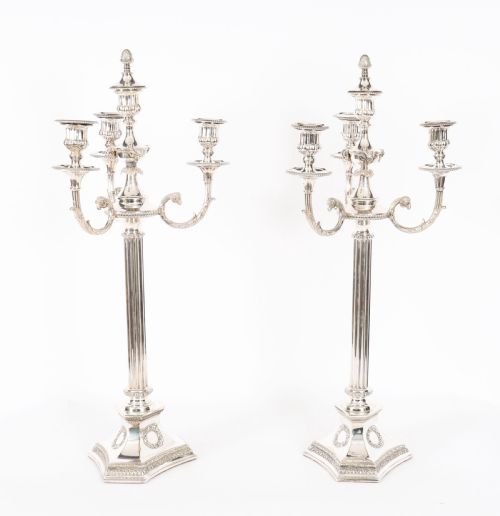
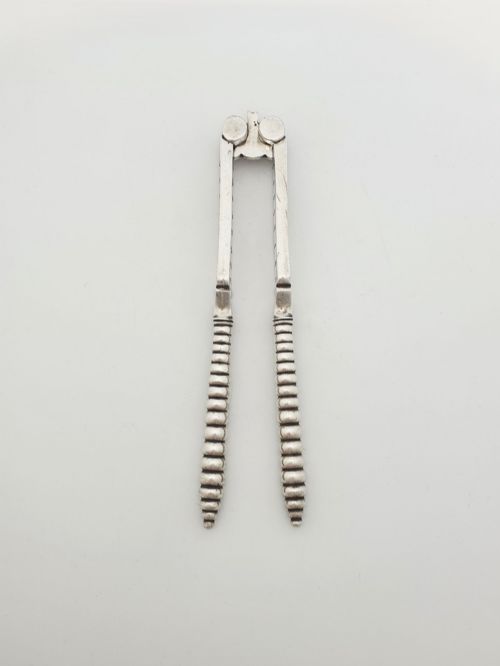
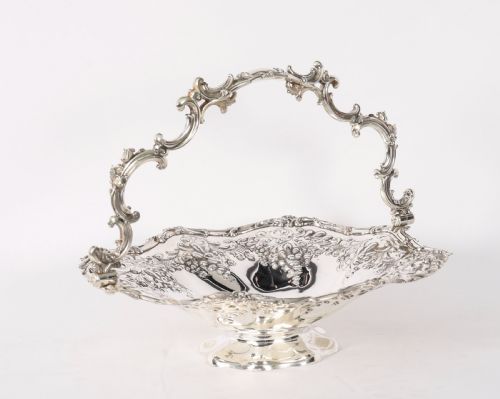
When you search for 19th century silverplate, you encounter a diverse array of domestic items designed for dining, display, and hospitality during the Victorian era. These pieces range from grand candelabra and centrepieces to specialised serving items like claret jugs, fruit baskets, and seafood tools.
You are most likely to meet Victorian tableware and display objects on this page, spanning decades such as the 1870s and 1890s. The selection reflects the varied social rituals of the period, uniting decorative ambition with everyday utility.
Materials and Methods
The objects combine a sturdy base metal foundation with a thin layer of silver applied to the surface. This technique allowed makers to achieve the luxurious appearance of solid silver at a more accessible cost.
Complementary materials frequently appear alongside the silver plate, including etched or cut glass in claret jugs and centrepieces, carved ivory in dessert services, and occasional natural elements like bamboo in walking sticks.
Someone once transformed the silverplate plating technique into a walking stick handle, proving Victorians would plate literally anything they could grip.
Assessing Quality and Execution
The distinction between standard and exceptional pieces rests upon the crispness of the chasing, engraving, and applied ornamentation. Superior items display deep, sharp relief in styles such as Classical Revival or Victorian Rococo Revival rather than soft, shallow detailing.
The integrity of the underlying plating and the weight of the metal object also dictate its standing. Substantial construction and well-preserved silver surfaces separate masterwork creations by prominent firms from everyday utilitarian wares.
Elkington·James Dixon·William Hutton and Sons·Mappin and Webb
The 19th Century Silverplate Glossary
- Silver Plate
- A metal object formed from a base metal core coated with a thin layer of silver. This method became widespread during the nineteenth century.
- EPNS
- Electroplated Nickel Silver. A common base metal composition used extensively for nineteenth-century tableware before receiving its silver coating.
- Salver
- A serving tray, typically made of silver or silverplate, raised on feet or flat for presenting drinks and documents.
- Candelabra
- A large branched candlestick designed to hold multiple taper candles. These pieces often serve as table centrepieces.
- Claret Jug
- A vessel intended for serving red wine, typically featuring a glass body mounted with a silverplated handle, collar, and hinged lid.
19th Century Silverplate: Frequently Asked Questions
What is nineteenth century silverplate?
Nineteenth century silverplate comprises domestic objects manufactured primarily during the Victorian era using a base metal coated in silver. These items encompass dining accessories, display pieces, and serving utensils.
Such objects provided households with the visual splendour of solid silver without the prohibitive expense. They remain collected today for their historical design and decorative presence.
How do I clean silverplate?
Cleaning silverplate requires gentle care to preserve the thin layer of silver on the base metal. Utilising a dedicated silver cloth or mild, non-abrasive polish prevents wearing through the plating.
Avoid harsh chemical dips that strip away the subtle patination built up over decades. Regular, careful dusting and minimal polishing maintain the historical finish safely.
How were these items used?
These pieces fulfilled specific functions within formal Victorian dining and domestic life. Candelabra and centrepieces illuminated and decorated grand tables, while claret jugs and fruit baskets facilitated hospitality.
Specialised implements like lobster crackers and dessert services catered to structured courses during large meals. Their design mirrored the elaborate social customs of the period.
How can I style silverplate today?
Integrating silverplate into modern interiors involves mixing reflective metallic surfaces with natural textures and contemporary settings. A Victorian salver or fruit basket functions effectively as a decorative centrepiece on a dining table or sideboard.
Pairing these historic objects with simpler modern items highlights their intricate craftsmanship. They add a layer of historical depth to both traditional and eclectic rooms.