



Silver Covered Dish
These silver covered dish pieces bring timeless elegance to the table, offering versatile serving options for formal dinners and everyday dining alike.
Understanding silver covered dish forms
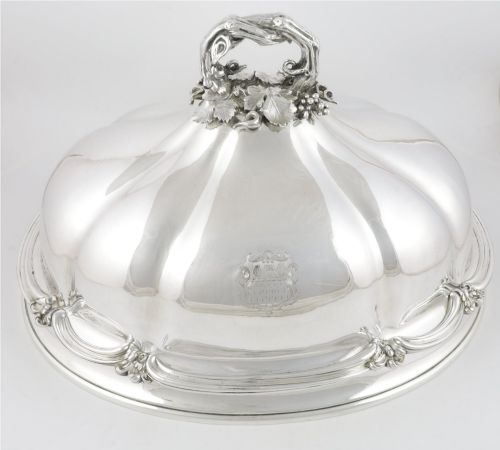
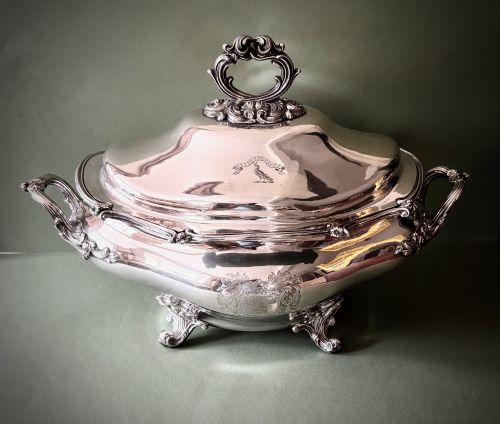
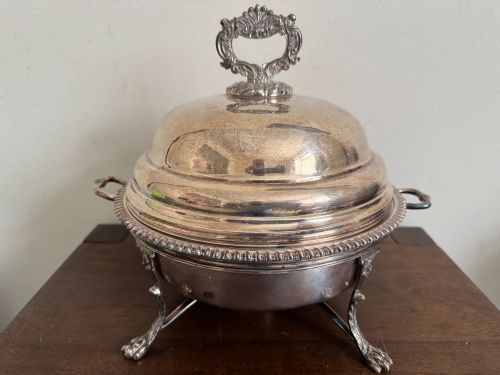
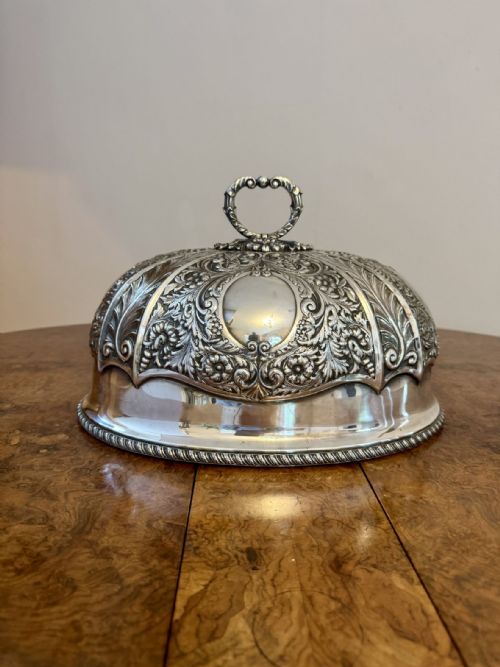
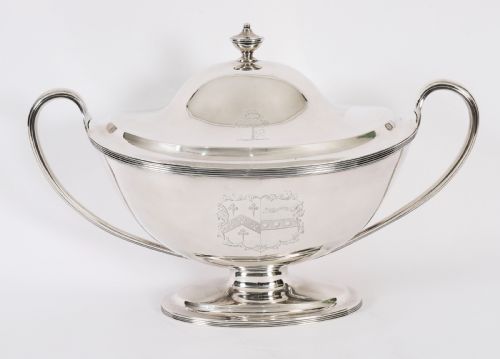
A silver covered dish serves as an impressive centrepiece on any dining table, designed originally to keep joints, vegetables, or sauces warm before serving. Buyers searching this phrase encounter substantial Victorian entrees, Edwardian tureens, and George III vessels intended for grand household service.
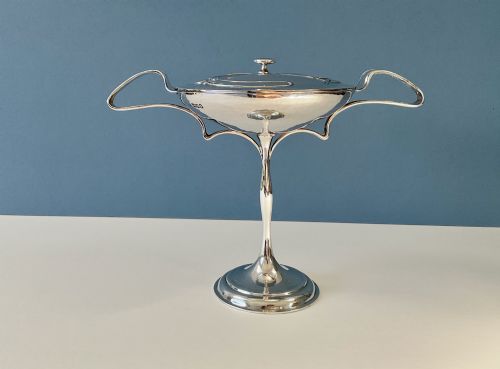
The pieces on this page span the nineteenth century up to the mid-twentieth century, encompassing both solid sterling silver and heavy silver plate over base metals. Forms range from classical lidded vegetable dishes and fruit holders to deep circular tureens complete with removable lids.
Materials and construction methods
Makers utilised traditional silversmithing techniques, hammering and raising sterling silver sheets into hollowware vessels, or applying electroplated nickel silver over robust metal foundations. Cast handles, applied borders, and hand-pierced galleries reveal the careful manual labour required to shape these serving dishes.
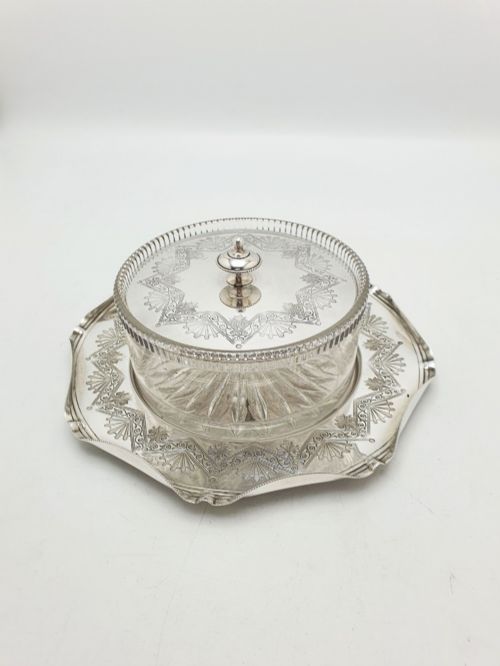
Internal components often include fitted glass liners or specialised compartments, demonstrating sophisticated assembly where multiple materials meet. Hallmarks struck directly into the sterling pieces or maker stamps impressed onto silver plate record the origin and standard of the metal.
Retail Price Guide 2026
Typical UK retail prices for silver covered dish, calculated from the Sellingantiques database of over a million retail prices indexed since 2003. This retail price guide relies exclusively on Sellingantiques data; no external sources or auction records are used, so the figures do not describe the wider market.
One unexpected survival pairs a pierced silver plate dish with a vibrant blue glass liner designed to hold sauces securely.
Distinguishing fineness and execution
Quality rests upon the weight of the metal and the crispness of chased or applied ornamentation, where deeply struck motifs and heavy gauge silver indicate superior workshop production. Thinner electroplate shows wear across high points, whereas solid sterling maintains structural integrity and detail through generations of polishing.
Maker reputation heavily influences distinction, as noted workshops employ skilled chasers and casters whose balanced proportions and secure lid fittings elevate standard serveware into collectible art. The integration of original liners or matching bases separates complete survivals from assembled pairs.
Mappin and Webb·Edward and John Barnard·William Hutton and Sons·William Bennett·Birchall and Hayne·Hukin and Heath
The Silver Covered Dish Glossary
- Entree dish
- A shallow covered vessel designed specifically for serving individual portions or side dishes at formal meals. These typically feature removable handles to allow the lid to double as a secondary serving platter.
- Tureen
- A deep, bowl-shaped vessel equipped with a lid and often fixed handles, traditionally used for serving soups, stews, or large quantities of vegetables. Georgian and Victorian examples display substantial capacity and ornate feet.
- Electroplated Nickel Silver
- A base alloy of copper, nickel, and zinc coated with a thin layer of pure silver through an electrical process. This method became widespread in the nineteenth century to produce affordable alternative tableware.
- Sterling Silver
- An alloy consisting of pure silver and other metals, usually copper, standardised to a specific high purity level. British items in this category bear official assay office hallmarks indicating standard fineness.
Frequently Asked Questions
What is a silver covered dish used for?
These vessels were created to transport food from the kitchen to the dining table while retaining heat under a fitted lid. Wealthy households utilised them for serving meats, vegetables, and specialised courses during multi-plate meals.
Today, collectors use them for modern dining or display them as decorative silver serveware. Their substantial lids keep contents warm until the moment of service.
How do I identify a Victorian piece?
Victorian items frequently exhibit distinct stylistic cues such as scrolling foliage, beaded borders, and robust cast handles influenced by revivalist tastes. Examining the overall form alongside any decorative motifs helps place the object securely within the nineteenth century.
Assay office marks and maker stamps provide precise chronological clues when present on sterling silver. Comparing pieces against documented timelines of known silversmiths confirms the era of production.
Are these dishes made of solid silver?
The inventory includes both solid sterling silver and silver plated items over a base metal foundation such as nickel silver. Each piece utilises materials typical of its specific manufacturing period and workshop standard.
Checking for official hallmarks reveals whether an item is solid silver. Silver plated alternatives display different maker stamps indicating the plating technique used.
How should I care for a silver dish?
Gentle cleaning with a specialised silver polish maintains the finish without wearing down fine details or thin plating layers. Regular dusting and soft cloth wiping prevent tarnish accumulation over time.
Storing pieces in a dry environment away from direct sunlight protects both the metal and any fitted glass liners. Avoid harsh abrasive cleaners that can permanently scratch the silver surface.