






Porcelain Dessert Service
A porcelain dessert service brings fruit and sweet dishes to the table in matching style, combining plates, comports, and baskets for display.
Porcelain Dessert Service
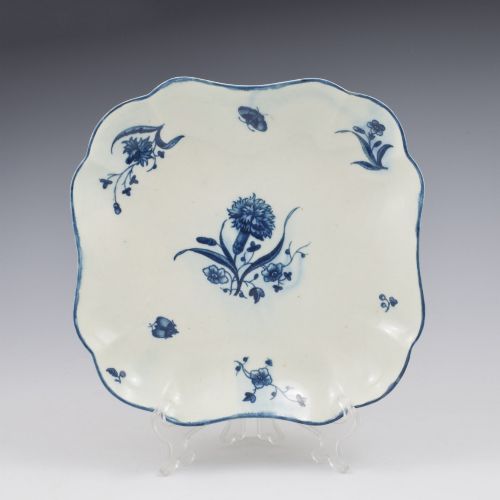
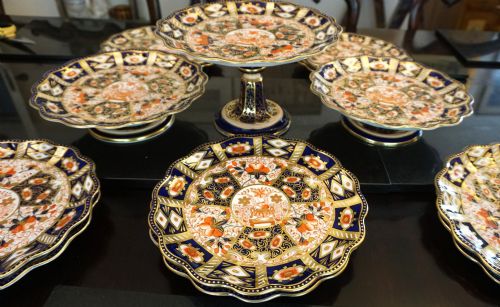
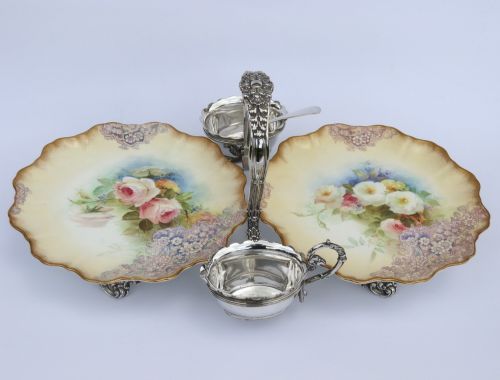
A porcelain dessert service comprises matched sets of plates, serving dishes, comports, and baskets designed for the final course of a formal meal. The pieces span periods from the eighteenth century through the Victorian era, with nineteenth-century examples appearing frequently in English and French manufacture. Makers combined compotes and plates with hand-painted botanicals, florals, and landscapes to create unified table settings.
Buyers encounter partial services alongside complete suites, ranging from small groupings of plates to multi-piece arrangements with central serving vessels. Forms include chestnut baskets, shell-shaped dishes, and shaped plates decorated in traditional factories like Derby, Spode, and Coalport. These sets reflect the dining customs of Georgian and Regency households, where dessert was served with ceremony.
Materials and technique
Potters utilised soft-paste porcelain, bone china, felspar porcelain, and ironstone, shaping the clay on wheels or pressing it into moulds. Glaze was applied to the fired body to provide a smooth, vitreous surface suitable for detailed overglaze decoration.
Painters and gilders added hand-painted flora, birds, and landscapes using enamel colours alongside applied gold leaf. Kiln firings fixed the pigments onto the glaze, resulting in the polished, reflective finishes seen on these services.
Porcelain Dessert Service Retail Price Guide 2026
Typical asking prices for porcelain dessert service among the pieces listed under this phrase on Sellingantiques today, from the lower quarter to the upper quarter. They describe what is for sale here now, not the wider market.
Listings feature porcelain dessert services spanning the eighteenth, nineteenth, and twentieth centuries, incorporating materials from bone china to ironstone.
The standard of execution
Quality rests in the precision of the hand-painted decoration and the crispness of moulded details on handles, rims, and pierced basketwork. Superior sets display individual botanical studies or landscape scenes executed by skilled artists rather than repeating transfer-printed outlines.
The weight, translucency, and purity of the porcelain body distinguish finer services from utilitarian wares. Matching gilding, consistent enamel firing, and uniform shape across every plate and serving piece separate comprehensive cabinet sets from everyday dining items.
Grainger Lee and Co·Royal Crown Derby·Walker and Hall·John Ridgway·Rockingham Pottery·Spode·Thomas Steele·Minton·Flight Barr and Barr·Barr Flight and Barr·Wedgewood·Coalport·Bodley·John Yates·Davenport·Haviland Limoges
The Porcelain Dessert Service Glossary
- Comport
- A raised dish or pedestal bowl used for presenting fruit in the centre of the table during the dessert course.
- Soft-paste porcelain
- An artificial ceramic body fired at lower temperatures than hard paste, known for its warm glaze texture and slight translucency.
- Felspar porcelain
- A durable ceramic body developed in the nineteenth century using felspar minerals to increase strength and whiteness.
- Enamel
- Opaque vitreous colours fused to the glazed porcelain surface during low-temperature kiln firings.
- Ironstone
- A heavy, durable earthenware developed to imitate porcelain while offering greater resistance to daily wear.
Porcelain Dessert Service: Frequently Asked Questions
What is a dessert service?
A dessert service is a matched suite of ceramic plates, comports, and serving dishes created specifically for serving fruit, sweets, and pastries at the end of a meal.
These sets coordinate in pattern, colour, and shape to present a unified aesthetic on the dining table or sideboard.
How were dessert services used?
Hosts brought out the dessert service after clearing the main dinner plates, using the elevated comports for fruit and the flat plates for individual portions.
The pieces served both a practical dining function and a decorative display purpose in formal nineteenth-century dining rooms.
Can I use antique porcelain daily?
Hand-painted enamels and gold leaf on antique porcelain require gentle hand washing and careful handling to preserve the delicate surface decoration over time.
Many collectors prefer to use these sets for special occasions or display them in cabinets rather than subjecting them to daily use.
How do I identify eighteenth-century pieces?
Eighteenth-century pieces often feature soft-paste bodies with translucent qualities, early factory marks, and hand-painted motifs typical of the period's palette.
Form, paste composition, and style of painting help distinguish early examples from later Victorian reproductions.