
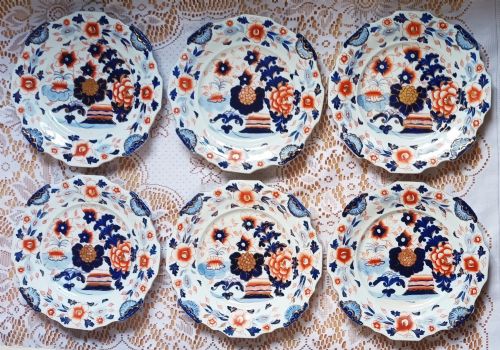


Antique Imari China Set
An antique imari china set brings vibrant cobalt blue, iron red, and gold leaf into your home, offering centuries of decorative tableware tradition.
Antique Imari China Set
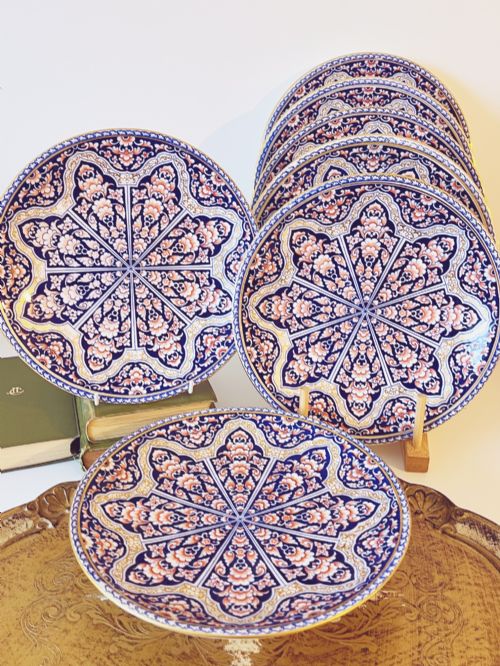
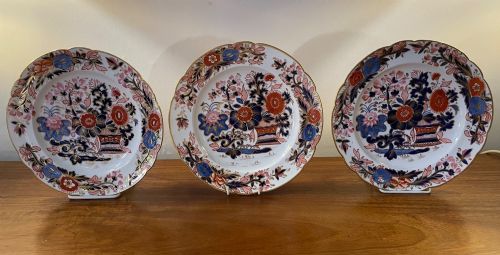
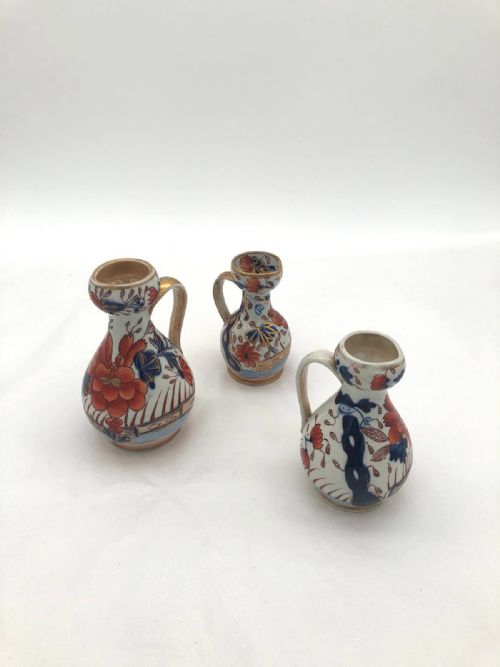
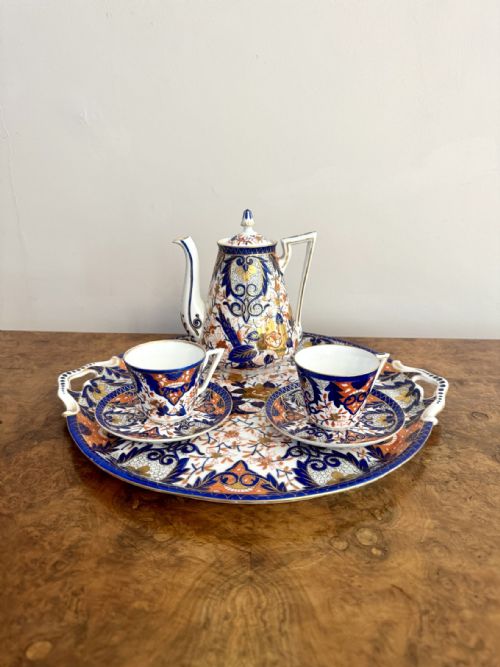
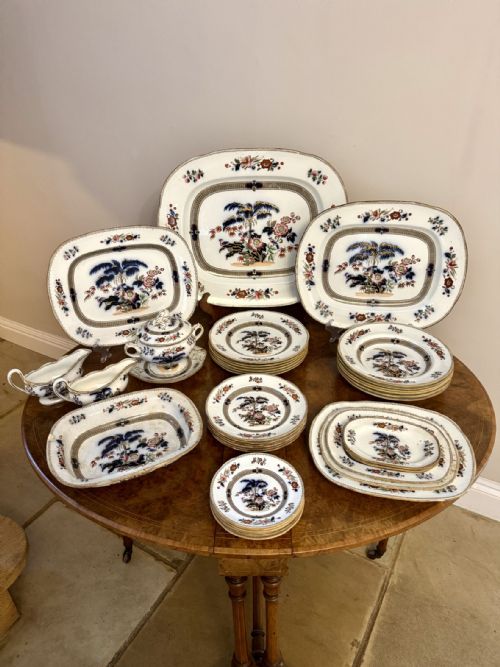
An antique imari china set comprises coordinated pieces designed for dining, dessert, or tea service, utilising the distinct Imari palette across plates, bowls, jugs, and cups. Buyers encounter British ironstone, bone china, and earthenware interpretations alongside Japanese and Chinese imports.
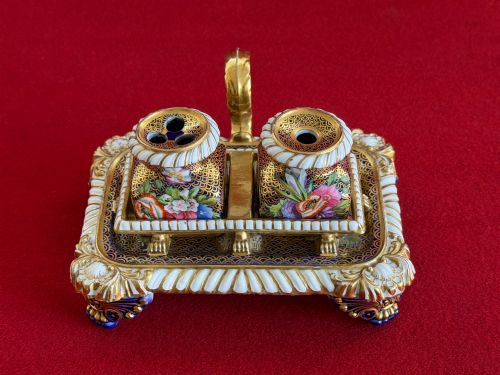
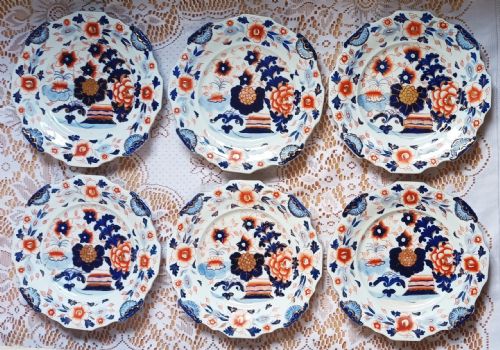
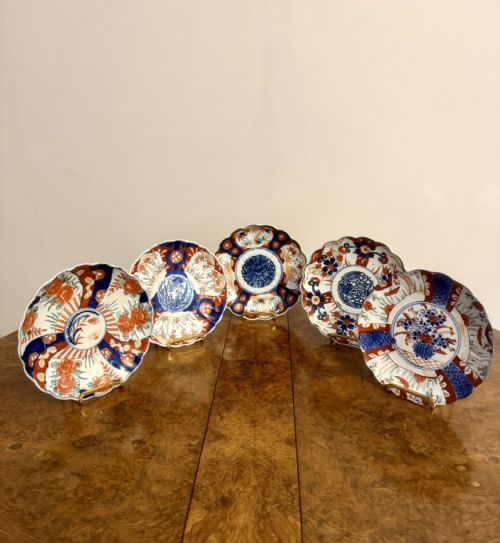
The domestic offerings range from Royal Crown Derby, Spode, Mason's, and Davenport productions to regional Staffordshire plates, alongside Meiji period Japanese imports and Qianlong dynasty Chinese pieces. These services appear as dessert sets, dinnerware collections, teacups and saucers, and inkstands.
The forms span individual trios, breakfast services, and large multi-piece dinner collections dating from the Georgian and Regency eras through the Victorian period and into 1900.
How they were made
Potters shaped these services using porcelain, bone china, ironstone, and earthenware bodies before applying intricate underglaze blue and overglaze enamel decoration. Kiln-fired glazes sealed the ceramic body while providing a smooth, glossy foundation for subsequent enamel work.
Makers added metallic highlights using gold leaf to accentuate specific motifs within the painted designs. Hand painting ensured that each jug, plate, and bowl received individual attention from decorators following Japanese and Chinoiserie patterns.
Listings feature periods spanning from the Georgian and Regency eras through the Victorian age and up to 1900.
What varies in quality
Quality rests in the precision of the hand painting and the crispness of the transfer-printed or hand-drawn outlines beneath the glaze. Superior sets maintain alignment between the cobalt blue underglaze and the subsequent red and gold enamel layers.
The weight and refinement of the ceramic body distinguish standard utilitarian earthenware from fine porcelain and ironstone. Elaborate modelling on shapes like octagonal jugs and patterned dessert services marks out the more ambitious studio output.
Royal Crown Derby·Mason's·Spode·Wedgwood·Royal Davenport·Minton
The Antique Imari China Set Glossary
- Imari palette
- A decorative scheme typically combining underglaze cobalt blue with iron red and gold leaf overglaze. This distinctive colour combination originated in Japan and was widely copied by European porcelain and ironstone factories.
- Ironstone
- A heavy, durable type of earthenware patented to withstand robust daily use. It provided British potteries with a sturdy alternative to porcelain while accepting bright enamel painting.
- Trio
- A matching set comprising a teacup, saucer, and matching tea plate. These groupings form the building blocks of larger afternoon tea services.
- Comport
- A decorative pedestal dish used for serving fruit or dessert. They frequently anchor multi-piece dessert services alongside matching plates.
- Chinoiserie
- European artistic styles reflecting Chinese and East Asian motifs. These designs appear across numerous British tea and dinner services.
Antique Imari China Set: Frequently Asked Questions
How do I care for antique imari china?
Wash each piece by hand in warm soapy water using a soft cloth, avoiding dishwashers entirely. The delicate gold leaf and overglaze enamels can wear away with abrasive cleaning.
Store pieces with felt dividers between stacked plates to prevent scratching the glaze. Handle jugs and teacups by their bodies rather than delicate handles.
Can I use my antique imari set daily?
Ironstone and porcelain services tolerate gentle daily use if handled with proper care. Modern cutlery can mark soft glazes, so wooden or plastic utensils are preferable.
Consider reserving delicate porcelain trios for display or occasional tea use. Robust ironstone dinnerware handles regular dining better than fine earthenware.
How do I date an antique imari set?
Examine the base for factory backstamps, impressed marks, and pattern numbers. Ceramic bodies and handle shapes also indicate whether a service belongs to the Regency or Victorian era.
Compare the painting style with documented patterns from makers like Spode or Mason's. Date codes stamped into porcelain provide exact years for late 19th-century makers.
What is the difference between Japanese and English imari?
Japanese imari originates from the Edo period and relies on native porcelain bodies and traditional firing techniques. English imari represents European interpretations of those oriental motifs on ironstone or bone china.
English factories adapted the palette for local tastes, producing breakfast sets, inkstands, and large dinner services. The paste and glaze weight generally distinguish domestic ironstone from Asian export porcelain.