



Cobalt Blue Porcelain Teapot
A cobalt blue porcelain teapot brings vibrant depth to the table, offering a striking display of rich underglaze colour and traditional ceramic artistry.
Cobalt Blue Porcelain Teapot
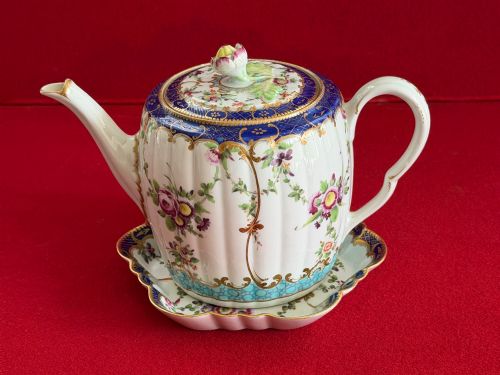
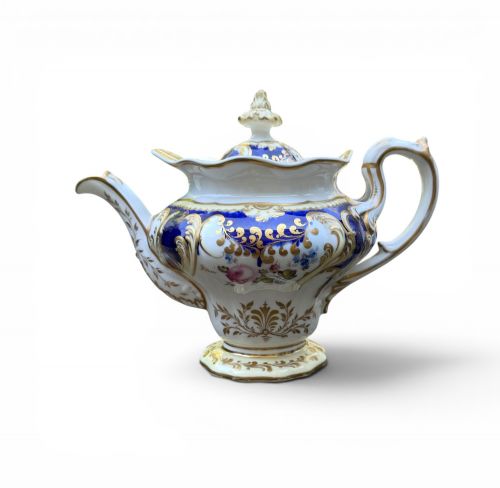
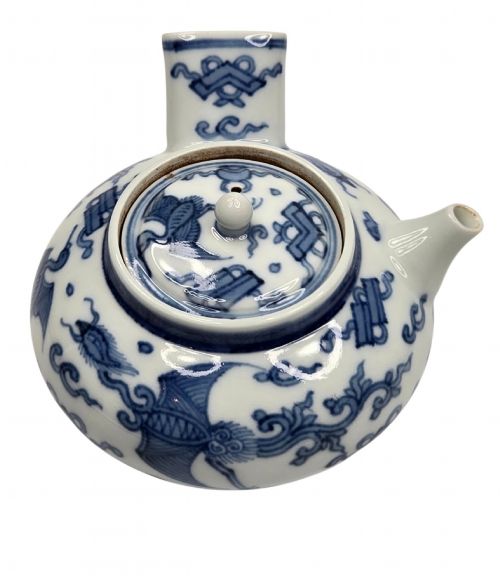
A cobalt blue porcelain teapot combines deep blue ceramic decoration with refined porcelain bodies, appearing across periods from Georgian craftsmanship to early twentieth-century designs. Collectors encounter various forms, including barrel shapes, miniature solitaire sets, and ewers influenced by Chinese Ming styles and Japanese Sometsuke traditions.
Materials and construction
Potters employ fine porcelain and earthenware bodies, decorated with cobalt glaze and cobalt underglaze to achieve the characteristic deep blue decoration. Skilled hands apply enamel, gold leaf, and gilding to accentuate the painted patterns and moulded contours.
Techniques range from traditional throwing and moulding to intricate hand-painting, aligning with the stylistic demands of Georgian, Victorian, and Meiji period manufacturers.
Cobalt Blue Porcelain Teapot Retail Price Guide 2026
Typical asking prices for cobalt blue porcelain teapot among the pieces listed under this phrase on Sellingantiques today, from the lower quarter to the upper quarter. They describe what is for sale here now, not the wider market.
Listings span multiple traditions, uniting English porcelain factories with Chinese and Japanese production methods.
Judging quality and execution
Quality rests upon the precision of the cobalt underglaze painting and the crispness of the porcelain moulding, where finer examples display sharp definition and controlled pigment spread. The application of gold leaf and enamel embellishments further separates standard utility pieces from exhibition-grade creations.
The harmony of form and decorative balance, whether adhering to Rococo Revival curves or Ming style restraint, determines the visual success of each individual vessel.
Royal Davenport·Mintons·Spode·Royal Crown Derby·Copeland
The Cobalt Blue Porcelain Teapot Glossary
- Cobalt glaze
- A metallic oxide colourant applied to ceramics that fires to a brilliant blue under high temperatures. It remains stable under intense kiln heat, allowing for sharp, enduring decoration.
- Porcelain
- A dense, vitreous ceramic material fired at high temperatures, known for its white body and resonant ring when struck. It provides an ideal smooth surface for intricate underglaze painting.
- Gilding
- The application of gold leaf or gold powder to ceramic surfaces for decorative enhancement. It highlights moulded details and adds a warm metallic contrast to blue and white schemes.
- Underglaze
- Pigment applied to the ceramic body before the application of a transparent glaze and subsequent firing. This technique protects the painted design beneath a glassy layer for lasting preservation.
Cobalt Blue Porcelain Teapot: Frequently Asked Questions
Are these teapots suitable for daily use?
Many examples remain robust enough for occasional service, provided they are handled with the care due to nineteenth-century ceramics.
Collector pieces with extensive gold leaf or fragile spouts are better reserved for display rather than routine pouring.
How do I date an antique teapot?
Examine the base for maker marks, registration numbers, or factory stamps that correlate with historical pottery archives.
Stylistic indicators such as Regency shapes, Victorian transfer printing, or Georgian potting techniques also help narrow the period of production.
What is a solitaire tea service?
A solitaire set is a compact, single-person tea service typically comprising a small teapot, cup, saucer, and sometimes a matching jug.
These intimate sets were designed for private use in a bedroom or boudoir during the Georgian and Victorian eras.