


Gilt Porcelain Tea Service
These gilt porcelain tea service sets bring bright gold leaf and delicate ceramic forms to the table, offering a functional piece of history for daily use or display.
Gilt Porcelain Tea Service
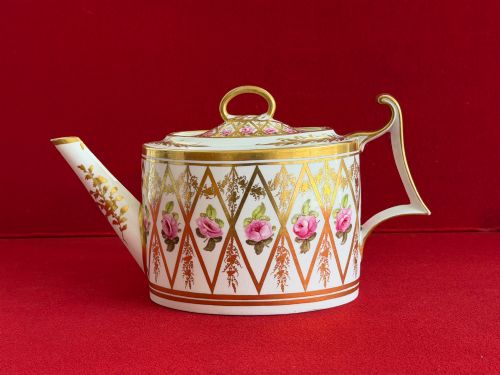
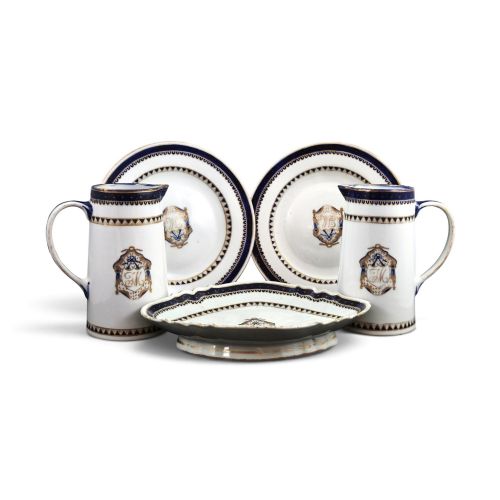
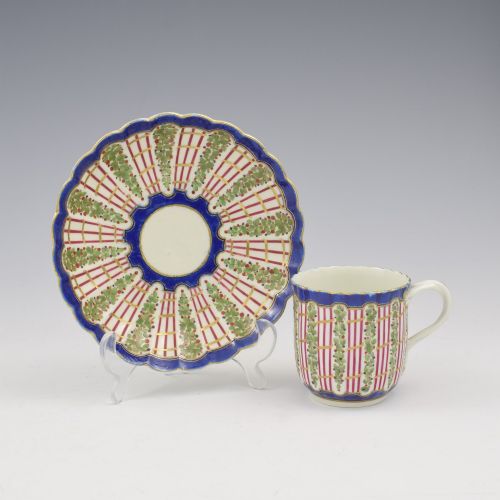
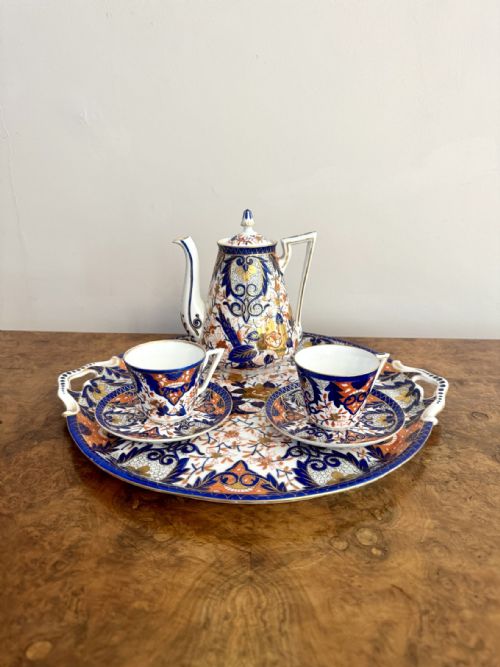
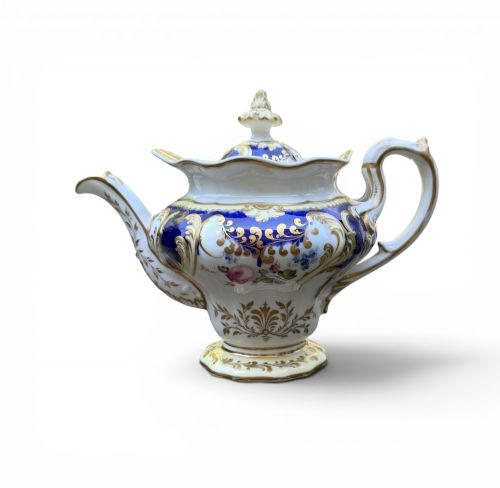
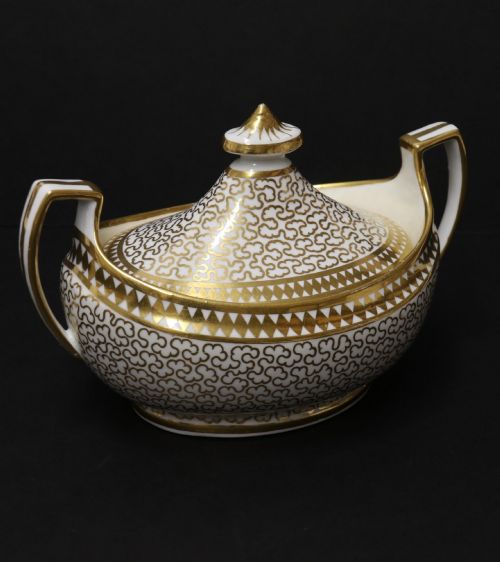
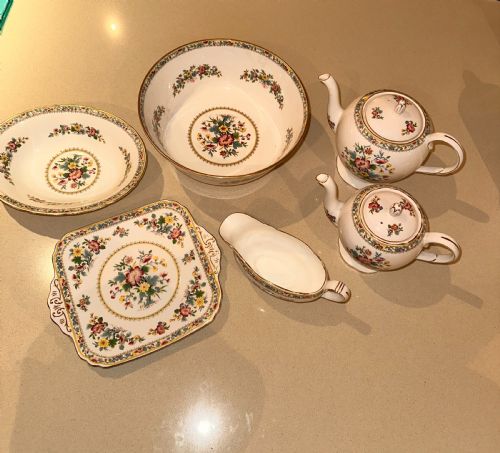
A gilt porcelain tea service comprises matching sets for serving tea or coffee, typically including teapots, cups, saucers, sugar bowls, and creamers enriched with gold leaf or gilding. When searching for a gilt porcelain tea service, buyers encounter diverse forms ranging from intimate breakfast sets and small coffee sets to expansive afternoon tea services.
The pieces span multiple centuries and origins, with examples originating from English factories such as Derby, Worcester, Coalport, and Spode, alongside continental European makers like Old Paris and Limoges, as well as Chinese Export productions. Eighteenth-century Georgian and Regency pieces sit alongside nineteenth-century Victorian, Edwardian, and later twentieth-century iterations.
The domestic arrangements vary from single cups and saucers to multi-piece services intended for large gatherings or display. Forms include traditional teapots, sucriers with covers, coffee services, and specialised items like toy dinner services or breakfast sets.
How they were made
Potters shaped these vessels using traditional ceramic and soft-paste porcelain methods, occasionally utilising bone china or Felspar porcelain for durability and fine walls. Artisans then applied enamel colours and gold leaf by hand, firing the pieces to fuse the metallic decoration to the glaze.
Makers employed hand-painted motifs alongside transfer-printed patterns, often combining floral designs, monograms, and intricate border work with heavy gilding. The application of gold varied from delicate gilt lines on rims and handles to extensive pictorial scenes and solid gilded panels.
An extensive Victorian child's toy dinner service proves that even miniature diners required proper porcelain etiquette.
What varies in quality
The standard of a gilt porcelain tea service depends heavily on the precision of the hand-painting and the thickness of the gold leaf used in the decoration. Finer sets display crisp brushwork, well-defined enamel colours, and deeply burnished gilding that retains its lustre after extensive use.
The reputation of the factory and the complexity of the porcelain body also distinguish higher grades of work. Pieces from established makers such as Worcester, Derby, or Coalport often demonstrate superior ceramic throwing, more refined handles and spouts, and careful attention to detail across every component of the service.
Derby Porcelain·Dr Wall Worcester·Chamberlains Worcester·Spode·Royal Crown Derby·Coalport·Royal Worcester·Old Paris·Royal Davenport·Flight Barr And Barr·Royal Albert Crown China·Ahrenfeldt And Asalvary·Russian Imperial Porcelain Manufactory·Worcester Barr Flight And Barr
The Gilt Porcelain Tea Service Glossary
- Gilding
- The application of gold leaf or gold dust to the surface of porcelain. This technique adds metallic highlights to rims, handles, and painted scenes.
- Sucrier
- A small covered sugar bowl designed to match the teacups and teapot in a service. These vessels frequently feature matching handles and gilt borders.
- Soft-Paste Porcelain
- An artificial porcelain composition fired at lower temperatures than hard-paste porcelain. It was widely used by early English factories for its warm tone and smooth glaze.
- Bone China
- A type of porcelain containing bone ash, known for its high strength, chip resistance, and bright white colour. It became a standard material for fine British tea wares.
- Imari
- A decorative style inspired by Japanese export wares, featuring a distinct palette of cobalt blue, iron red, and abundant gold. This style was widely adopted by English porcelain factories.
Gilt Porcelain Tea Service: Frequently Asked Questions
Can I use an antique tea service?
Many buyers enjoy using their antique sets for special occasions, provided they handle the pieces with care. Hand washing is essential to preserve the delicate enamel and gold leaf.
Modern dishwashers and harsh detergents will quickly ruin the fragile gilding and historic ceramic bodies. Gentle handling ensures these surviving items remain intact for future generations.
How do I date an old tea service?
Dating typically relies on factory marks stamped or painted on the underside of the porcelain. Shape, style, and the composition of the ceramic body also offer strong clues to the period of manufacture.
Comparing the decorative motifs, such as Regency borders or Victorian Imari patterns, helps narrow down the decade. Reference books and factory records provide definitive guides to specific maker marks.
What is the difference between porcelain and bone china?
Traditional porcelain is fired from specific clay minerals, while bone china incorporates animal bone ash into the mixture. This addition creates a stronger, slightly more translucent material that resists chipping.
Both materials accept gilding and enamel painting exceptionally well. English makers adopted bone china widely during the nineteenth century for its durability and fine finish.
How should I display a tea service safely?
Displaying a service in a secure cabinet protects the pieces from accidental bumps and dust accumulation. Stable shelving with adequate depth prevents cups and teapots from tipping over.
Keeping the display out of direct sunlight prevents the enamel colours from fading over time. Proper lighting within the cabinet highlights the gold leaf without exposing the ceramics to excessive heat.