
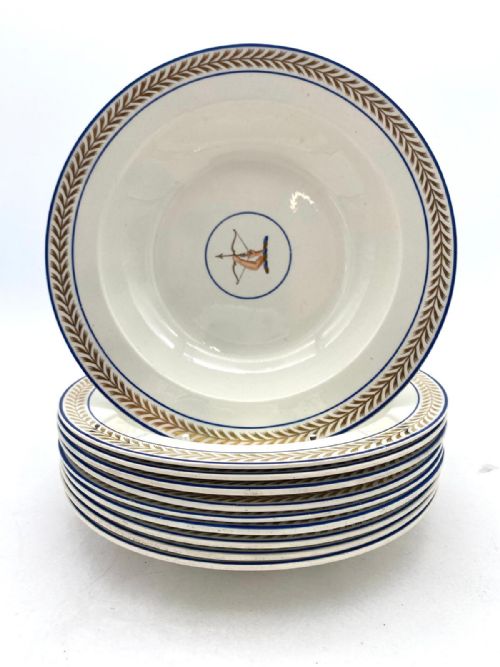
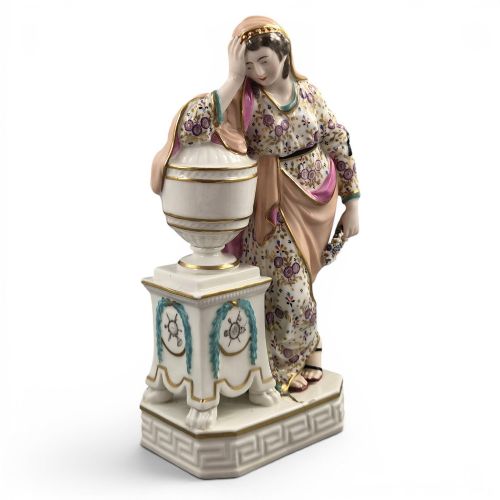


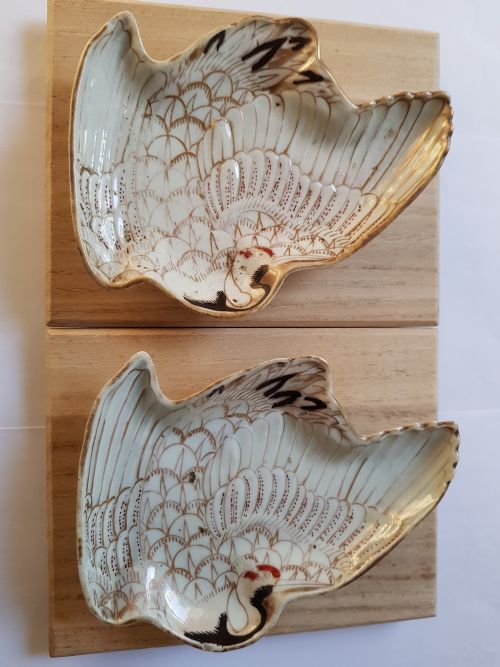
Late 18th Century Porcelain
Late 18th century porcelain brings together domestic tableware and decorative figures from European factories and Asian export kilns alike.
Late 18th Century Porcelain
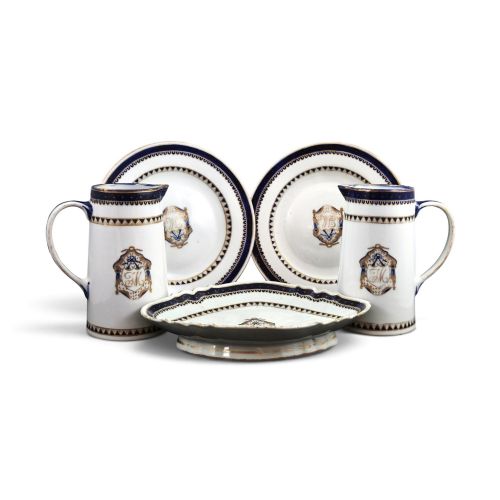
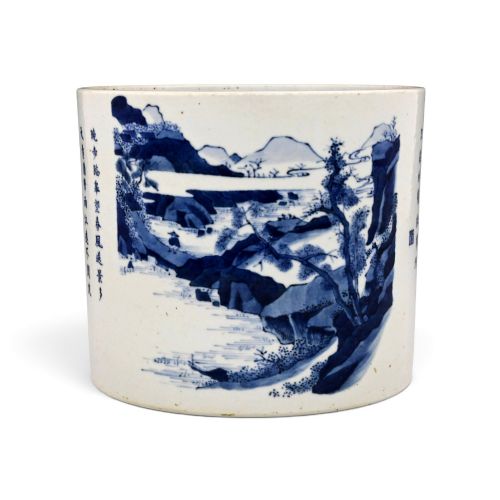
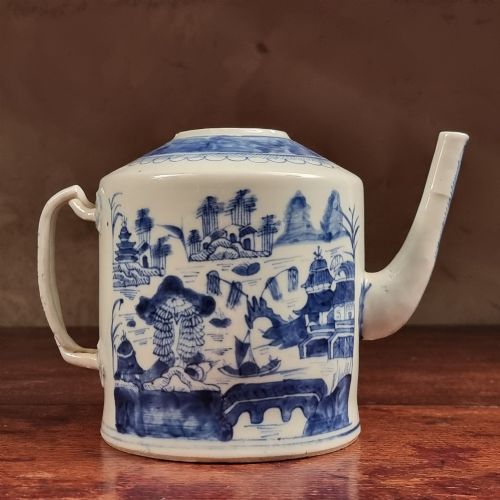
When searching for late 18th century porcelain, collectors encounter a diverse range of objects spanning European manufactories and Asian export production. Teapots, plates, figurines, and large punch bowls dominate the offerings across the period.
European works often originate from English kilns such as Derby and Chelsea, alongside continental centres like Sevres and Meissen. Chinese export wares and Japanese Arita pieces also represent a significant portion of the items available in this category.
Forms serve both practical and ornamental purposes, including desk accessories, tableware services, and sculptural figures. These pieces reflect the prevailing tastes of the Georgian era and contemporary international trade.
Materials and production methods
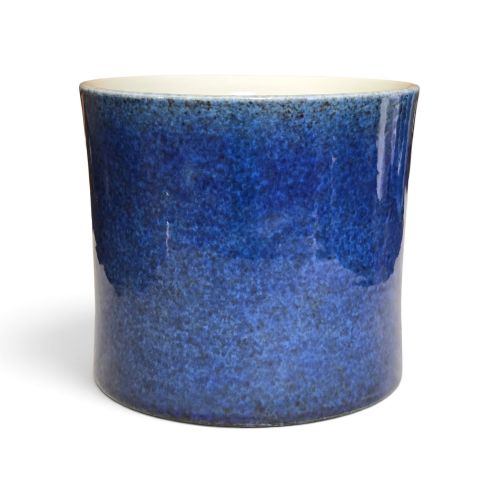
Makers utilised porcelain bodies, soft-paste porcelain, and creamware alongside earthenware for various utilitarian and decorative vessels. Cobalt underglaze and cobalt glaze provided the foundational blue tones for many traditional patterns.
Painters and gilders applied enamel, gold leaf, and intricate polychrome palettes over the fired surfaces. Moulding in shallow relief also added tactile dimension to specific Japanese dishes and European figures.
Sheep and golfers make unexpected cameo appearances on plates, proving that 18th-century artisans enjoyed whimsical subjects just as much as formal coats of arms.
Evaluating craftsmanship and design
The refinement of the painted decoration distinguishes superior examples from standard production. Precision in hand-pencilled details, enamel saturation, and the careful application of gold leaf indicate higher workshop standards.
The crispness of moulded relief work and the stability of the porcelain body during firing affect the overall finish. Superior pieces maintain clean lines and well-balanced forms without distortion.
Wedgwood·Derby·Chelsea·Sevres·Meissen·Bow
The Late 18th Century Porcelain Glossary
- Soft-paste porcelain
- A glassy ceramic composite fired at lower temperatures than hard-paste porcelain. It yields a warm, slightly creamy body frequently utilised by early European factories.
- Cobalt underglaze
- Pigment applied to the ceramic body before glazing and firing. This technique protects the blue decoration beneath a transparent glossy surface.
- Armorial
- Heraldic insignia painted onto ceramic services for specific noble or elite families. These bespoke commissions represent significant historical provenance.
- Garniture
- A coordinated set of three or more vases designed for display together on a mantelpiece or sideboard. They typically share matching decorative schemes and graduated sizes.
- Imari palette
- A distinct decorative style featuring iron red, underglaze blue, and gold leaf. Originating in Japan, European factories later imitated these striking schemes.
Late 18th Century Porcelain: Frequently Asked Questions
How do I identify late 18th century porcelain?
Examine the paste, glaze characteristics, and painting style to gauge the period. Factory marks, where present, help confirm the specific manufactory and approximate date of creation.
Stylistic cues such as Neoclassical or Rococo motifs also provide reliable indicators of the timeframe.
Were these porcelain items used daily?
Many tableware pieces like teapots, plates, and pudding bowls served practical functions in wealthy households. Fine dinner services and tea sets saw regular use during formal meals and gatherings.
Other items, such as garniture vases and figurines, remained strictly decorative.
How should I care for antique porcelain?
Wash porcelain by hand in lukewarm water using mild detergent when cleaning is necessary. Avoid dishwashers and harsh scrubbers that can damage fragile enamel or gold leaf.
Display items securely away from edges and direct sunlight to preserve colours.
What is Chinese export porcelain?
Chinese export porcelain refers to wares manufactured in China specifically for the European and American markets. These pieces often combined traditional Chinese craftsmanship with Western shapes and heraldic designs.
They arrived via maritime trade routes in large quantities during the period.