





Canton Export Porcelain
Canton export porcelain brings vibrant hand-painted enamel and gilt decoration straight from nineteenth-century kilns to your table.
Canton Export Porcelain
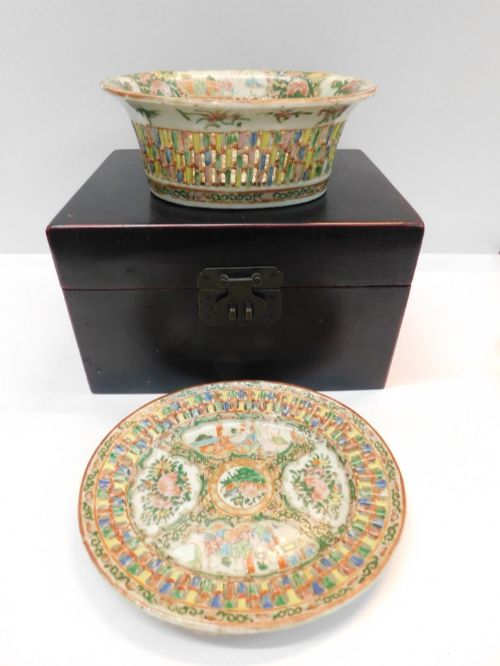
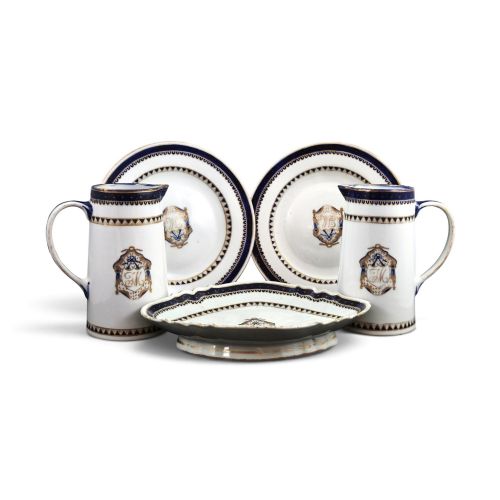
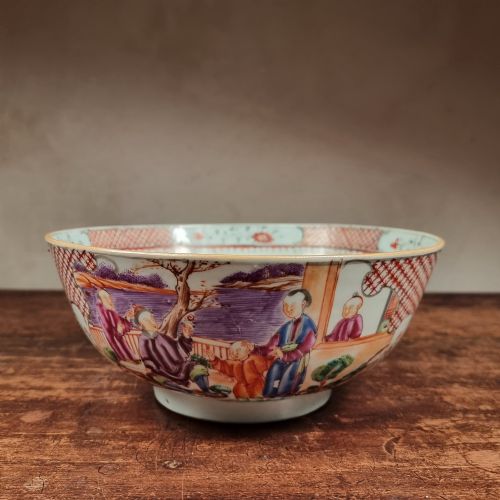
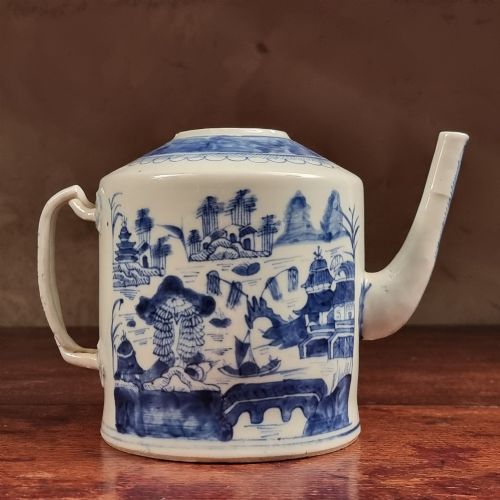
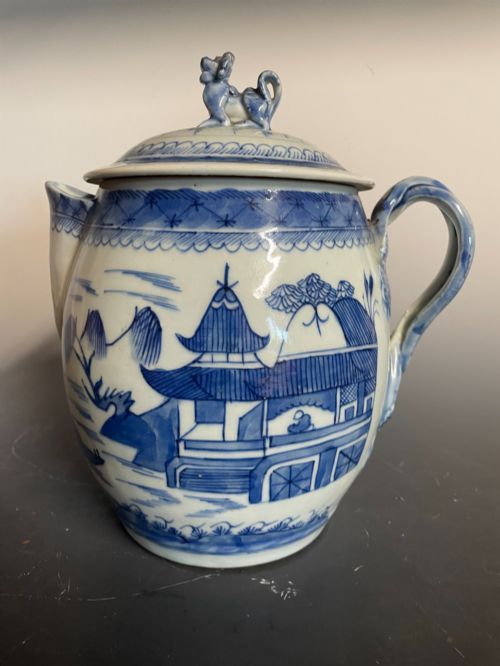
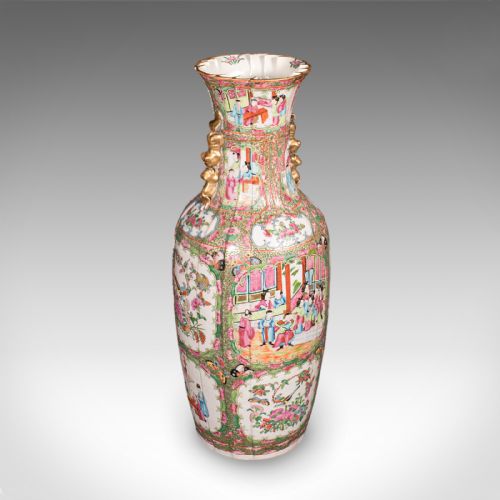
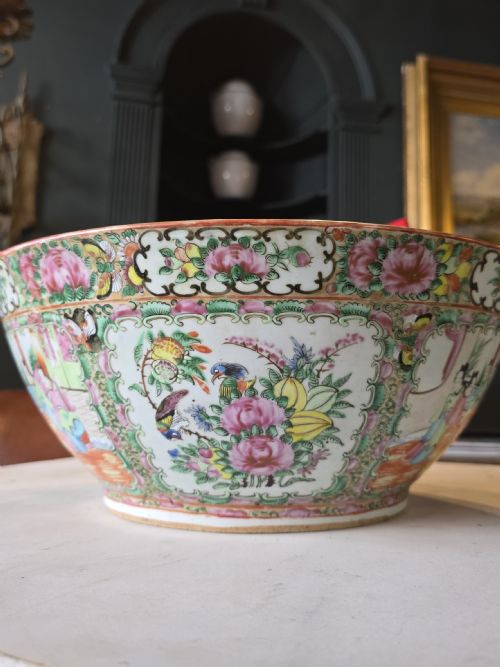
When you search for canton export porcelain, you encounter a distinct grouping of nineteenth-century decorative wares made for Western markets. The selection centres heavily on large punch bowls, elaborate vases, and rose medallion plates, often dating from the Victorian era and the Qing dynasty.
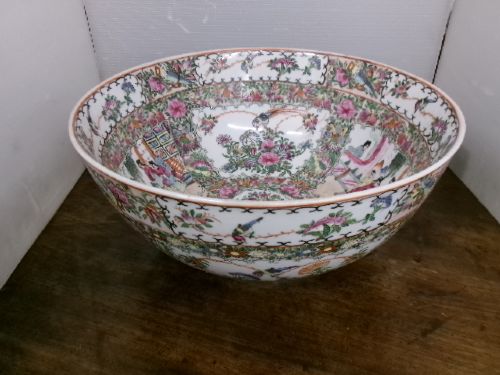
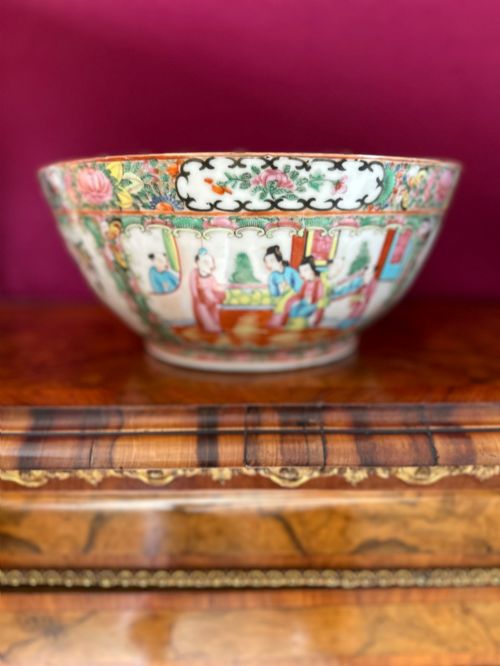
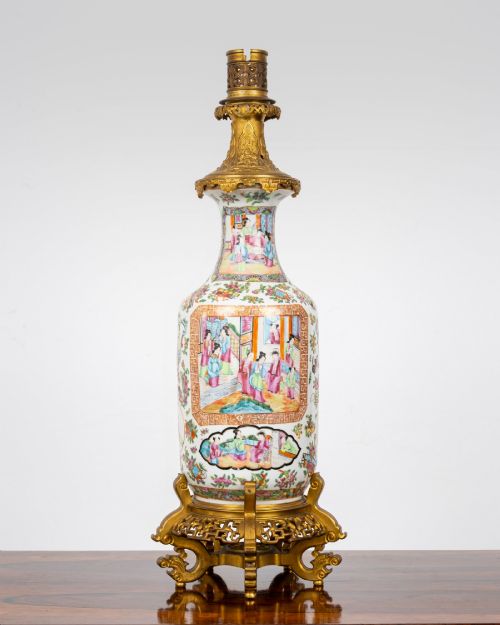
Punch bowls and decorative bowls dominate the available forms, accompanied by matched pairs of vases and occasional umbrella stands or table lamps. These pieces represent the colourful output shipped from southern Chinese ports to satisfy European and American tastes.
Most examples hail from the nineteenth century, though you also encounter pieces stretching back to the eighteenth century or forward into the early twentieth century. Their enduring appeal lies in the dense pictorial scenes and floral borders that cover the porcelain body.
Materials and technique
The foundation rests on a white porcelain body, shaped into bowls, vases, and dishes before initial firing. Artisans then applied colourful enamels by hand, creating detailed figural scenes and botanical motifs.
Many pieces incorporate gold leaf or gilding to highlight borders, panels, and floral elements, adding rich metallic contrast to the painted enamel. Some later or transformed examples also feature brass, gilt bronze, or ormolu mounts fitted in the West to adapt vases into lamps or decorative containers.
Keep an eye out for hidden butterflies fluttering among the floral panels on nineteenth-century punch bowls.
Assessing quality
Quality rests primarily on the crispness and complexity of the hand-painted enamels, where superior examples display finely drawn facial expressions and meticulous detail in the surrounding patterns. The density and precision of the gilt work also signal higher workmanship, separating standard production wares from exceptional gallery pieces.
Scale and proportion influence value, particularly with large punch bowls and monumental baluster vases that demand greater technical skill during firing. Pieces retaining their original form without extensive alteration or later European metal mounts generally command deeper appreciation among collectors.
The Canton Export Porcelain Glossary
- Famille Rose
- A palette of opaque enamels dominated by pink or rose colours, introduced during the Qing dynasty and widely used on export porcelain.
- Rose Medallion
- A specific decorative pattern featuring alternating panels of figures and birds, flowers, or butterflies, arranged around a central medallion.
- Qing Dynasty
- The final imperial dynasty of China, spanning from sixteen-forty-four to nineteen-twelve, which encompasses the main production period for these wares.
- Punch Bowl
- A large, deep ceramic bowl traditionally utilised for mixing and serving alcoholic punches at large gatherings.
- Reticulated
- Describes ceramic work featuring an openwork or pierced lattice design, often seen on chestnut baskets and stands.
Canton Export Porcelain: Frequently Asked Questions
What is canton export porcelain?
It is ceramic ware decorated in southern China with colourful enamels and gold leaf specifically for international buyers.
The tradition spans large punch bowls, intricate vases, and tableware produced primarily through the nineteenth century.
How were these punch bowls used?
Historical households utilised large punch bowls to mix and serve communal drinks during social gatherings and dinners.
Today, collectors mostly display them as centrepieces on large tables or sideboards.
How do I identify rose medallion?
Rose medallion is characterised by distinct panels filled with painted figures alongside birds, butterflies, and flowers.
These motifs radiate outward from a central medallion on plates, bowls, and vases.
Can I use these lamps safely?
Many nineteenth-century vases and jars were converted into table lamps utilising brass, gilt bronze, or ormolu mounts.
Buyers should have the wiring checked by a professional electrician before plugging them in at home.
How do I date these pieces?
Dating relies on stylistic clues, enamel palettes, and the specific forms popular during the Qing dynasty and Victorian eras.
Objects from the eighteenth century often show finer porcelain bodies and different border styles compared to later nineteenth-century output.