


Blue White Porcelain Jug
A blue white porcelain jug brings centuries of cobalt painting straight to your table, offering both timeless utility and cabinet display.
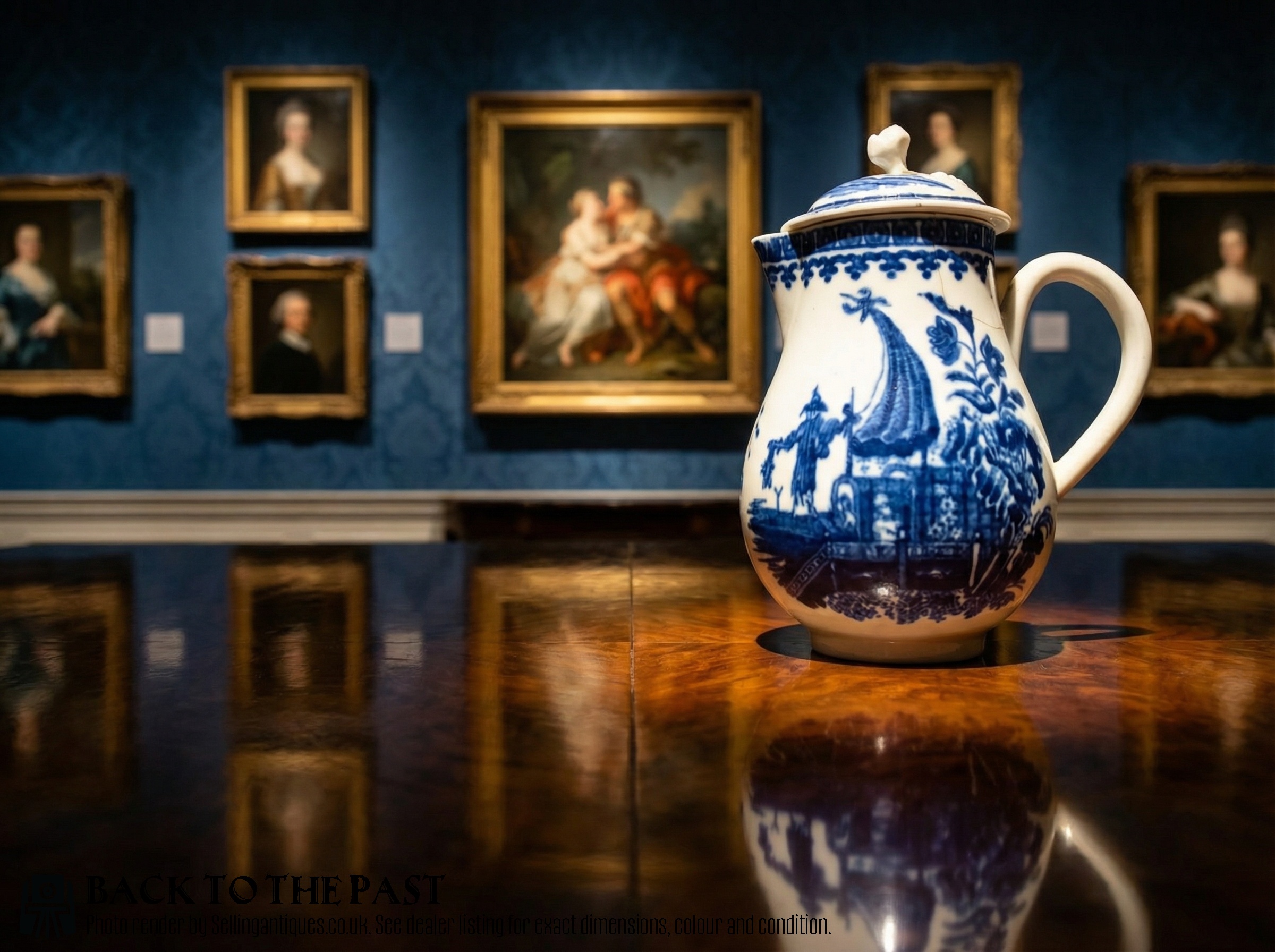
Blue White Porcelain Jug
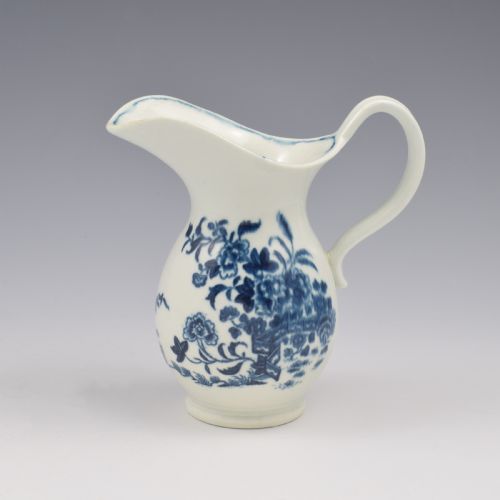
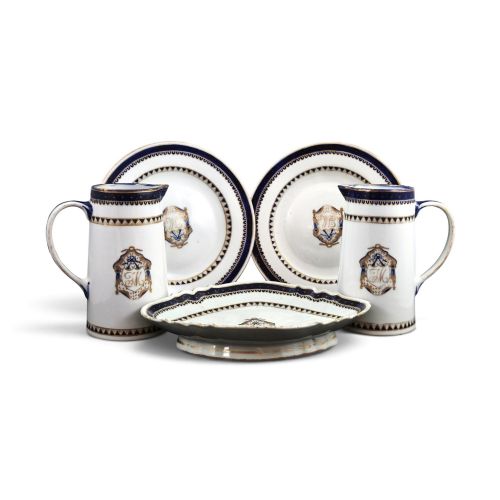
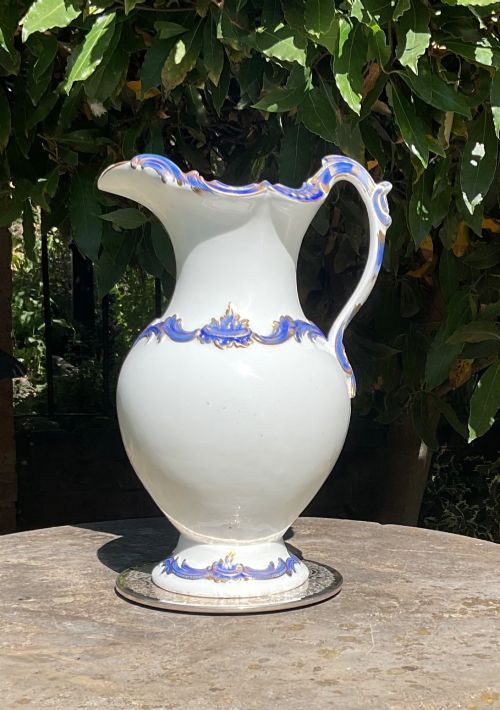
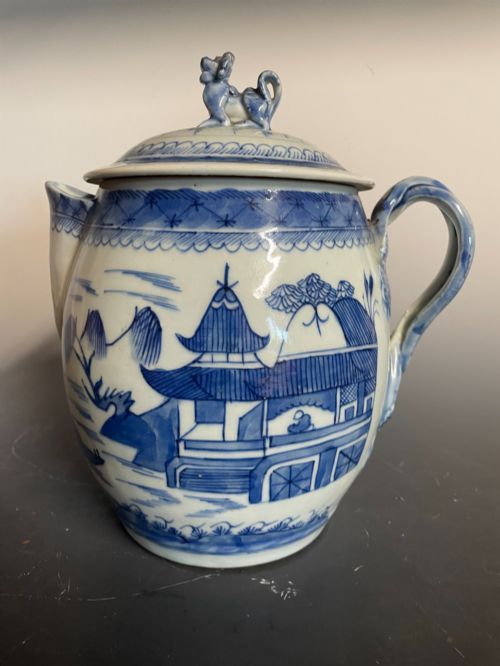
A blue white porcelain jug brings together centuries of ceramic history, ranging from small cream vessels to large washstand pitchers. When you search for this phrase, you encounter diverse forms created across the eighteenth and nineteenth centuries, alongside earlier Asian export pieces.
The selections span English factories like Worcester and Caughley, alongside Chinese export wares and Persian pottery vessels. You are most likely to meet eighteenth-century English sparrow beak cream jugs and larger Victorian or Edwardian toilet set ewers on this page.
Domestic milk jugs share space here with wine ewers and kendis, showing how utility intersected with fine decoration. Each piece reflects the specific taste of its period, whether Georgian, Victorian, or Chinese Qing Dynasty.
Materials and construction
Potters relied on hard-paste porcelain, soft-paste porcelain, and earthenware to shape these vessels. Cobalt glaze and enamel provided the vivid blue pigmentation applied beneath the final glossy finish.
Makers utilised traditional throwing and moulding techniques to achieve distinct forms such as mask heads, sparrow beak profiles, and slender necks. Artisans painted intricate patterns by hand before firing the ceramics at high temperatures.
Blue White Porcelain Jug Retail Price Guide 2026
Typical asking prices for blue white porcelain jug among the pieces listed under this phrase on Sellingantiques today, from the lower quarter to the upper quarter. They describe what is for sale here now, not the wider market.
Some birds painted on these jugs peck fruit with intense, permanent focus.
Assessing quality in antique vessels
The clarity and depth of the cobalt pigment dictate much of the visual appeal, separating hastily painted wares from meticulously detailed ones. Precision in transfer printing or hand-painted brushwork reveals the skill of the original ceramicist.
The crispness of moulded details, such as mask heads or ribbed spouts, shows the condition of the original moulds used in production. Intact glazes and well-preserved bodies without heavy wear indicate superior preservation over the centuries.
Dr Wall Worcester·Caughley Coalport·Doulton Burslem
The Blue White Porcelain Jug Glossary
- Cobalt glaze
- A deep blue metallic oxide applied to ceramics to create blue and white decoration under a transparent finish. It withstands high firing temperatures without losing colour.
- Soft-paste porcelain
- A ceramic composition made from white clay and glass frit, fired at lower temperatures than true hard-paste porcelain. It often displays a warmer, slightly creamy body.
- Sparrow beak jug
- A small eighteenth-century English cream or milk jug featuring a distinctively pinched, narrow spout resembling a bird's beak. These are typically associated with early Worcester production.
- Kendi
- A spouted drinking vessel or ewer originating in Asia and the Middle East, produced for domestic use and export. They lack handles and feature a central spout on the shoulder.
- Parian ware
- A type of fine biscuit porcelain developed in the nineteenth century to imitate white marble. It was frequently utilised for sculptural jugs and portrait busts.
Blue White Porcelain Jug: Frequently Asked Questions
How do I date an old jug?
Examine the base, paste composition, and style of decoration to establish a broad era of production. Eighteenth-century pieces often feature soft-paste bodies and hand-painted cobalt designs.
Compare the form and handle attachment to documented examples from factories like Worcester or Caughley. Glaze pooling and firing flaws also offer clues regarding the period of manufacture.
Were these vessels used daily?
Many smaller cream and milk jugs saw active service on tea tables during the Georgian and Victorian eras. Larger ewers formed part of bedroom washstand sets for daily personal hygiene.
Over time, handling and washing led to minor wear or chips on utilitarian pieces. Surviving examples often show a blend of practical utility and decorative preservation.
What is a sparrow beak jug?
A sparrow beak jug is a small eighteenth-century container designed for serving cream or milk with tea. Its name derives from the small, sharply pinched lip used for pouring.
These pieces were typically produced in soft-paste porcelain by English factories. Collectors prize them for their delicate proportions and early blue and white transfer prints.
How should I display my jug?
Place your vessel in a stable cabinet or on a shelf away from direct sunlight and heavy foot traffic. Ensure the supporting surface is level to prevent accidental tipping.
Group similar pieces together by period or palette to highlight differences in glaze and form. Avoid hanging or securing them with modern brackets that might stress the ceramic body.