


Georgian Porcelain Jug
These georgian porcelain jug examples bring eighteenth and nineteenth century ceramic artistry straight to the table.
Identifying georgian porcelain jug pieces
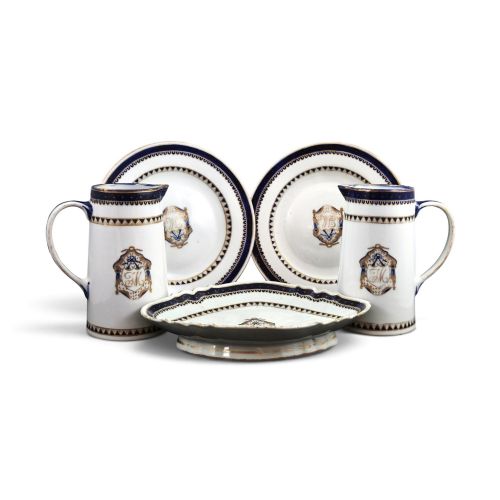
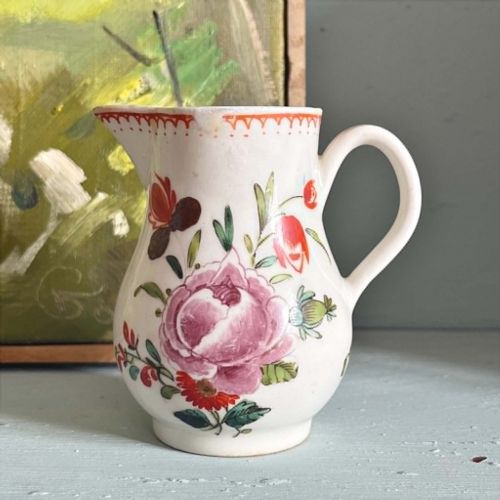
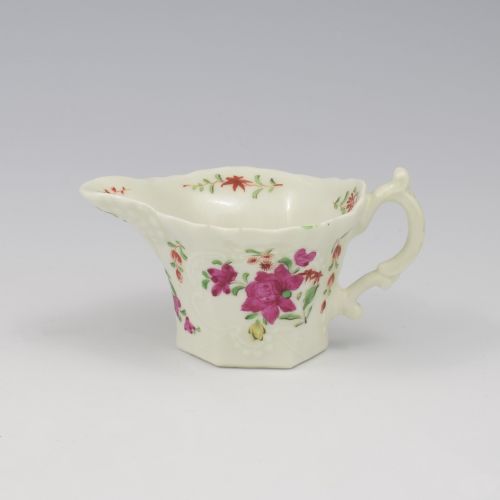
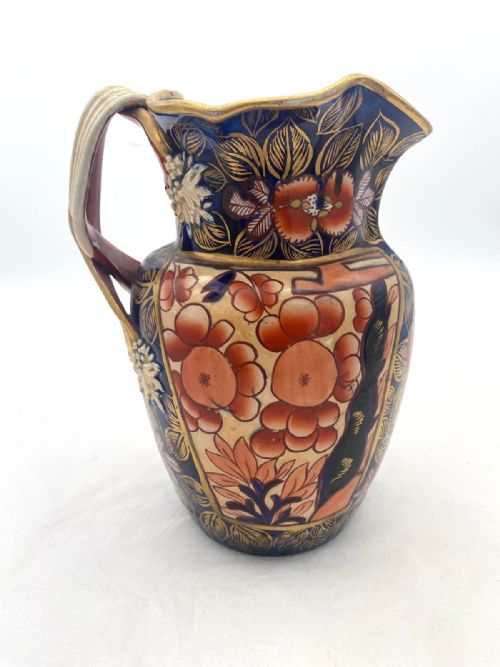
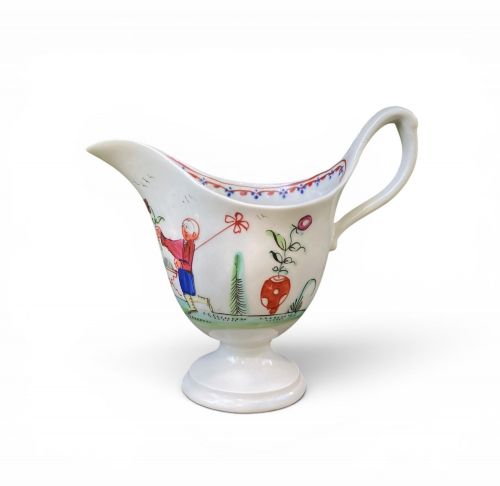
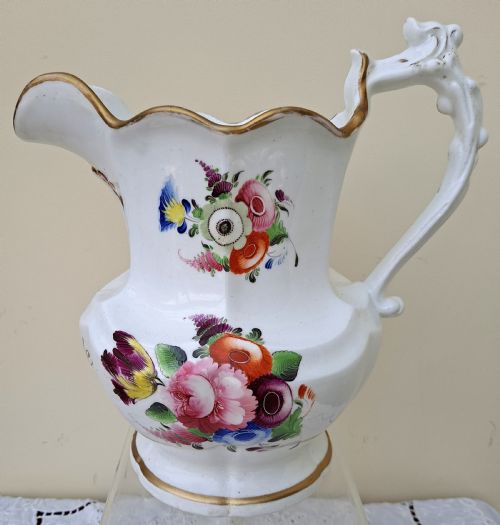
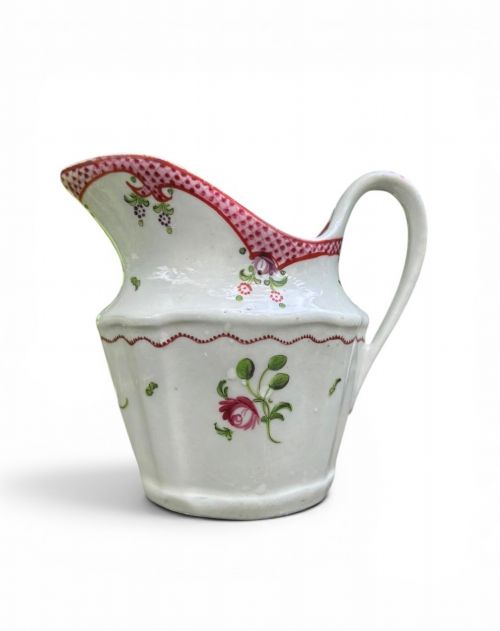
A georgian porcelain jug represents the domestic vessels used for serving cream or milk during the eighteenth and nineteenth centuries. The pieces on this page span the georgian and regency styles, encompassing forms like cream jugs, milk jugs, and decorative jugs.
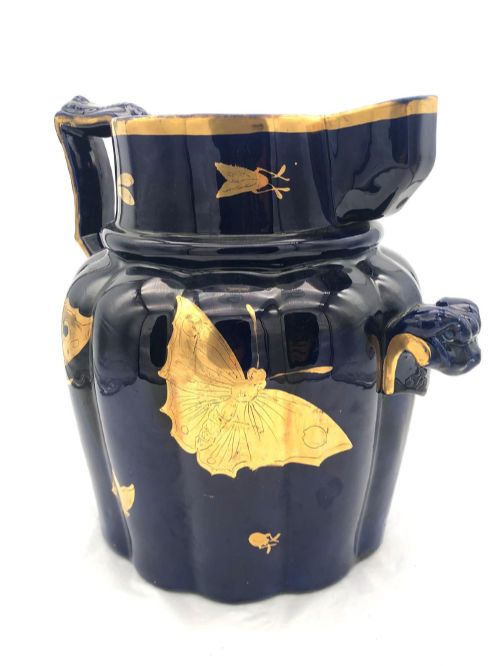
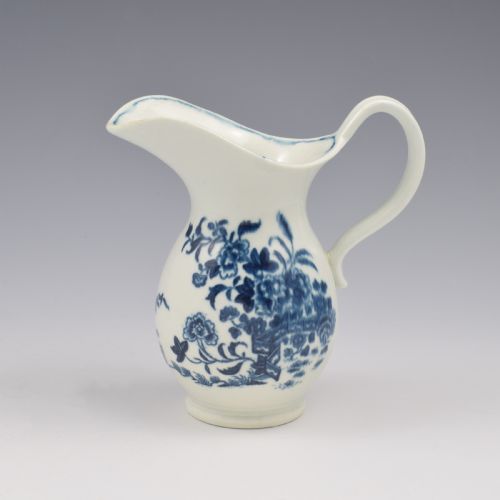
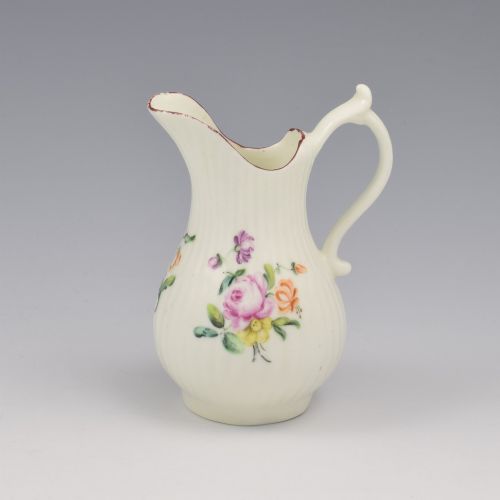
Collectors most frequently encounter classic cream and milk vessels featuring hand-painted floral enamels, transfer prints like the fisherman pattern, or chinoiserie motifs such as the boy and butterfly pattern. Forms range from sparrowbeak creamers to fluted baluster bodies and gadroomed vessels.
Origins include notable factories such as Derby, Bow, Worcester, New Hall, H & R Daniel, and potentially Rockingham. These pieces bridge the gap between functional tablewares and collectable display objects.
Materials and construction
Makers utilised soft-paste porcelain and standard porcelain bodies shaped into elegant vessels like sparrowbeak creamers and fluted balusters. The ceramic body provides the smooth canvas necessary for detailed hand-painting and intricate transfers.
Decoration relied on cobalt underglaze, cobalt glaze, polychrome enamel colours, and delicate gold leaf highlights. Firing techniques fixed these pigments permanently to the porcelain surface, securing the longevity of the polychrome flowers and patterns.
Retail Price Guide 2026
Typical UK retail prices for georgian porcelain jug, calculated from the Sellingantiques database of over a million retail prices indexed since 2003. This retail price guide relies exclusively on Sellingantiques data; no external sources or auction records are used, so the figures do not describe the wider market.
Early potters shaped delicate pouring spouts to resemble tiny birds, ensuring breakfast cream arrived with avian attitude.
Judging the range
Quality separates the standard production wares from the exceptional factory pieces through the crispness of the moulding and the skill of the brushwork. Fine examples display precise polychrome enamel details and well-defined gadrooning.
The sophistication of the pattern transfer and the richness of the cobalt underglaze or gold leaf application distinguish the top tier from simpler domestic items.
Derby porcelain·Bow porcelain·Worcester porcelain·New Hall porcelain·H and R Daniel·Rockingham
The Georgian Porcelain Jug Glossary
- Sparrowbeak
- A small ceramic jug with a pinched spout resembling a bird's beak. This form appears frequently on eighteenth-century creamers.
- Soft-paste porcelain
- An early ceramic composition fired at lower temperatures than true hard-paste porcelain. It produces a warm, slightly translucent body favoured by early English potteries.
- Cobalt underglaze
- Pigment applied to the ceramic body before glazing and firing. This technique protects the blue colour beneath a glossy glass layer.
- Gadroon
- A decorative carved or moulded band of parallel convex curves. Second gadroon designs show this distinct textural moulding along the rim or body.
- Polychrome
- Decoration utilising multiple distinct colours. It describes the hand-painted floral enamels found across many domestic jugs.
Frequently Asked Questions
What is a sparrowbeak jug?
A sparrowbeak jug is a small container featuring a distinctive pinched pouring lip resembling a bird's beak. These pieces functioned primarily as creamers for tea service during the eighteenth century.
The shape allows for a controlled pour, making them practical for serving small quantities of milk or cream at the table.
How do I spot soft-paste porcelain?
Soft-paste porcelain generally feels warmer to the touch and displays a slightly softer glaze texture than hard-paste porcelain. Examining the base often reveals unglazed areas known as stilt marks.
Early English factories relied heavily on this formulation before discovering local deposits of china clay.
What is cobalt underglaze?
Cobalt underglaze refers to blue pigment painted directly onto the unglazed ceramic body before the entire piece receives a transparent glaze and goes into the kiln. This method seals the colour permanently.
The resulting blue decoration resists fading and wear through generations of use.
How were these jugs used?
These jugs served practical domestic roles on the tea and breakfast tables, holding milk or cream to accompany hot beverages. Their decorative surfaces also suited them for display on sideboards.
Over time, many transitioned from daily utility to cabinet pieces collected for their artistry and historical factory origins.