




Gilded Porcelain Pitcher
A gilded porcelain pitcher brings refined nineteenth-century elegance to a table, offering both decorative presence and classic ceramic utility.
Identifying a gilded porcelain pitcher
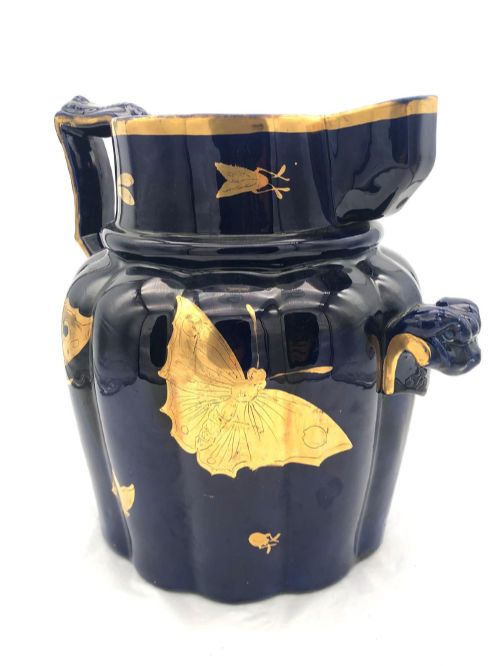
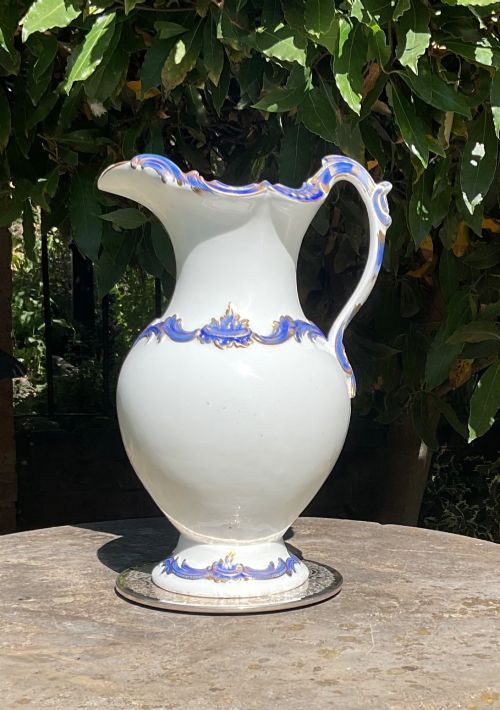
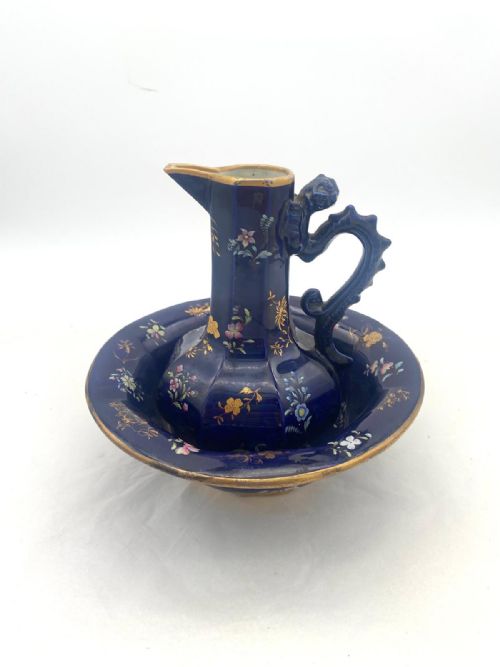
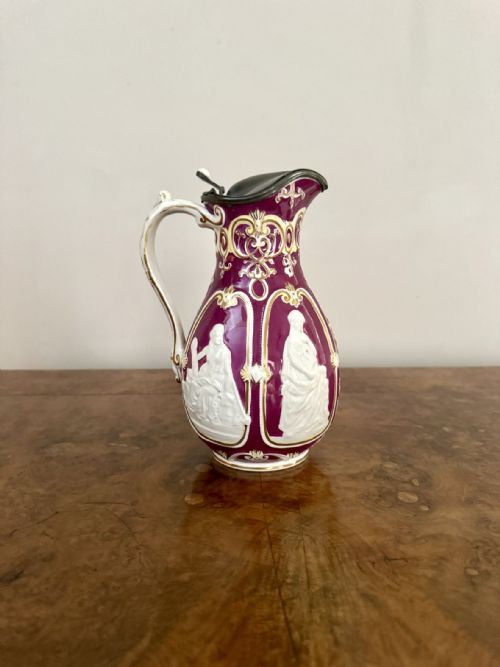
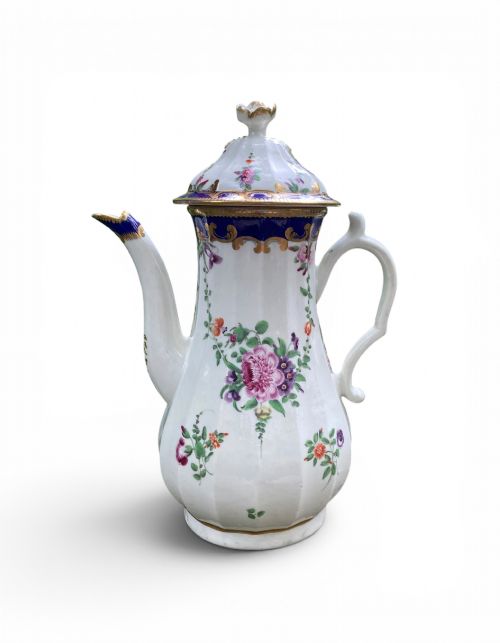
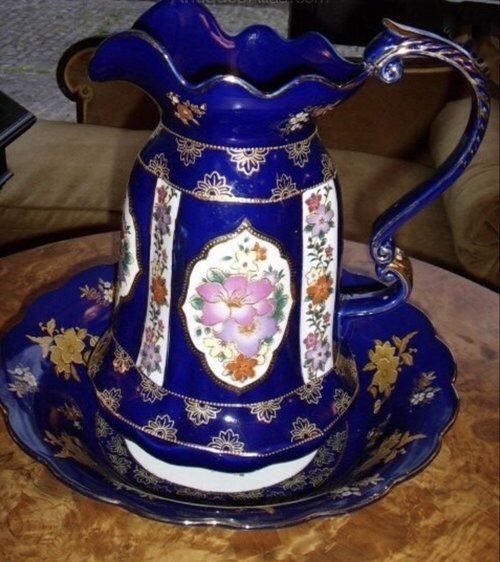
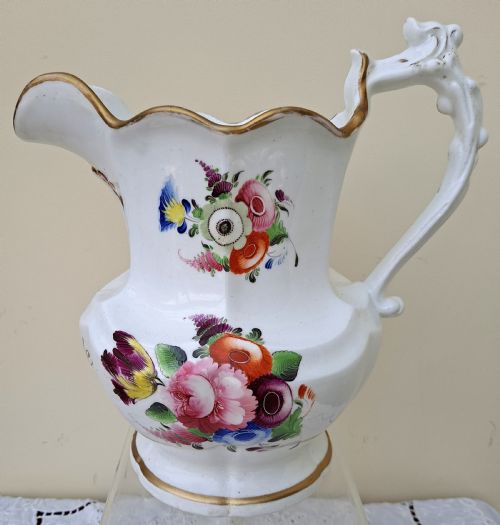
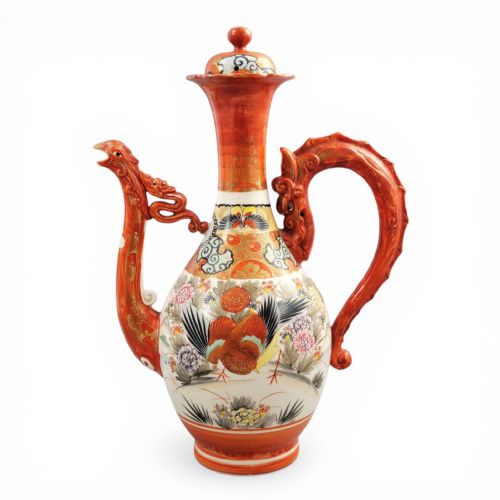
A gilded porcelain pitcher comprises ceramic pouring vessels ornamented with gold leaf, gilt, or gilding, spanning periods from the Regency era through the Victorian period and into nineteen-hundred. The selection includes cream jugs, decorative ceramics, ewers, and commemorative jugs created in styles such as Rococo Revival, Georgian, and Victorian. These vessels range from compact cream jugs to large ewers and cleft jugs produced by English makers.
Buyers encountering this group will most frequently find nineteenth-century examples and Victorian pieces. Formats vary from small cream jugs intended for tea service to large decorative ewers and commemorative jugs bearing specific historical dates.
Materials and manufacture
Makers formed these pitchers from porcelain, applying smooth glazes and decorative enamel before finishing the surfaces with gold leaf, gilt, or extensive gilding. The technique combined traditional ceramic throwing or moulding with careful firing and hand-applied metallic ornamentation.
The integration of glaze and gold leaf required precise kiln work to bond the metallic elements securely to the porcelain body. Enamel detailing frequently accompanied the gilding, adding colour and contrast to the ceramic surface.
Retail Price Guide 2026
Typical UK retail prices for gilded porcelain pitcher, calculated from the Sellingantiques database of over a million retail prices indexed since 2003. This retail price guide relies exclusively on Sellingantiques data; no external sources or auction records are used, so the figures do not describe the wider market.
Listings feature porcelain pitchers spanning from the Regency era through eighteen-ninety and nineteen-hundred, incorporating enamel and gold leaf.
Assessing quality and craftsmanship
Quality in a gilded porcelain pitcher rests upon the finesse of the painting, the crispness of moulded forms like the second gadroon or cleft body, and the durability of the gilding. Superior examples demonstrate expert handling of gold leaf and enamel without messy bleed or fading.
The distinction between standard domestic cream jugs and exhibition-grade ewers lies in the complexity of the ceramic modelling and the depth of the decorative scheme. Pieces bearing recognised nineteenth-century factory marks or detailed commemorative inscriptions generally reflect higher artistic ambition.
John Baley·H and R Daniel·Royal Worcester·Crown Derby
The Gilded Porcelain Pitcher Glossary
- Porcelain
- A hard, white, translucent ceramic material fired at high temperatures. It provides a smooth, refined surface ideal for fine painting and gilding.
- Gilding
- The application of gold leaf or powdered gold to the surface of the porcelain. This technique highlights raised motifs, rims, and handles.
- Ewer
- A large, elegant pitcher featuring a wide spout and a substantial handle. Ewers often served decorative purposes rather than practical daily use.
- Regency
- An architectural and design period dating from the early nineteenth century. Pieces from this era often feature classical restraint combined with early revival motifs.
- Cleft jug
- A pitcher design featuring an indented or split rim and body contour. This shape appeared in late nineteenth-century productions.
Frequently Asked Questions
How do I date a gilded porcelain pitcher?
Dating relies on identifying factory marks, stylistic traits such as Regency or Victorian Rococo Revival forms, and recorded operational years of makers like Royal Worcester or John Baley. Material composition and glaze characteristics also offer reliable clues to the decade of manufacture.
Examining any inscribed commemorative dates or registry marks stamped into the porcelain base helps narrow the production window further.
Were these pitchers used for serving cream?
Many smaller forms, such as cream jugs and second gadroon vessels, were designed specifically for dairy service during formal tea and breakfast settings. Their capacity suited the containment and pouring of cream alongside porcelain tea services.
Larger pieces categorized as ewers or decorative ceramics served purely ornamental roles or functioned as part of washstand basin sets.
How should I clean a gilded pitcher?
Cleaning requires gentle hand washing in lukewarm water using mild, non-abrasive soap and a soft cloth. Scrubbing agents and dishwashers must be avoided to protect the delicate gold leaf and enamel details from permanent damage.
Thorough drying with a lint-free cloth prevents water spots from forming on the glazed porcelain and metallic surfaces.