
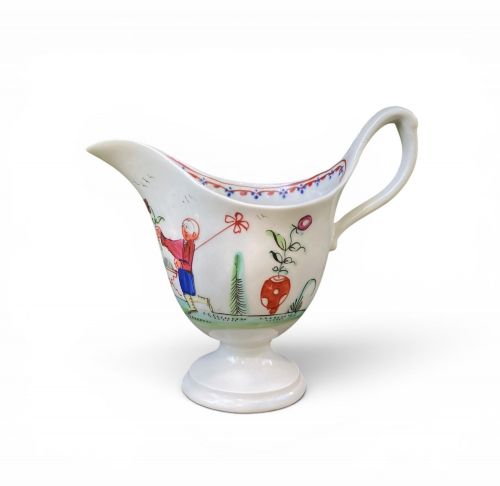
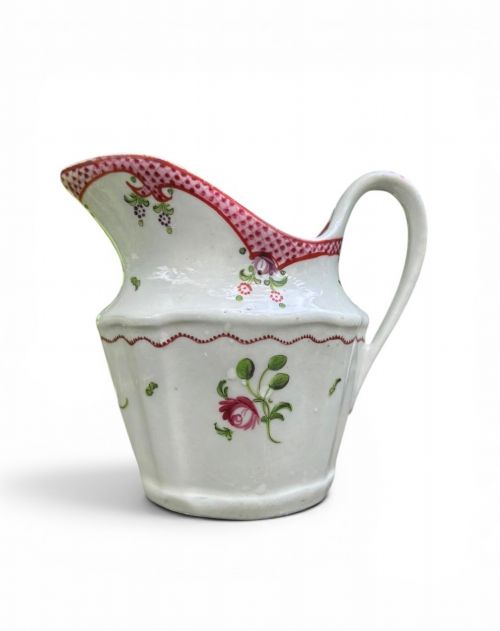


White Porcelain Cream Jug
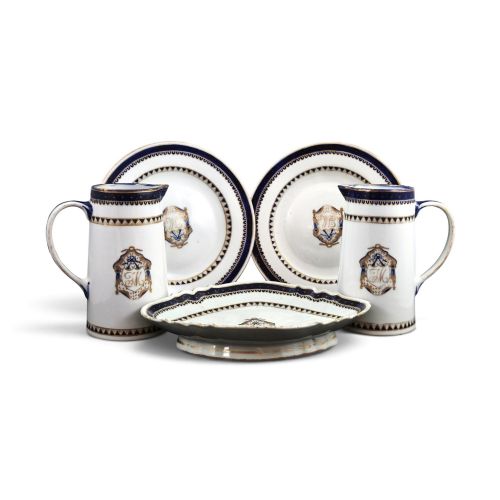
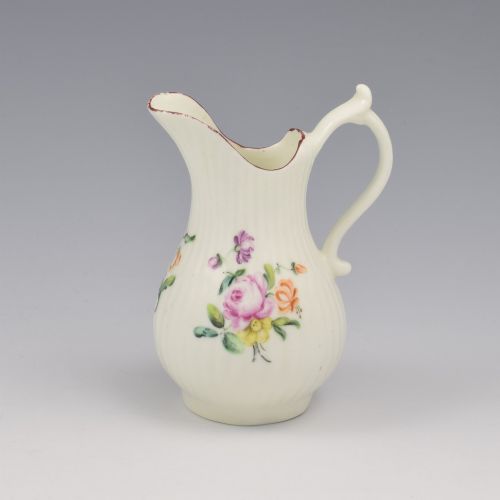
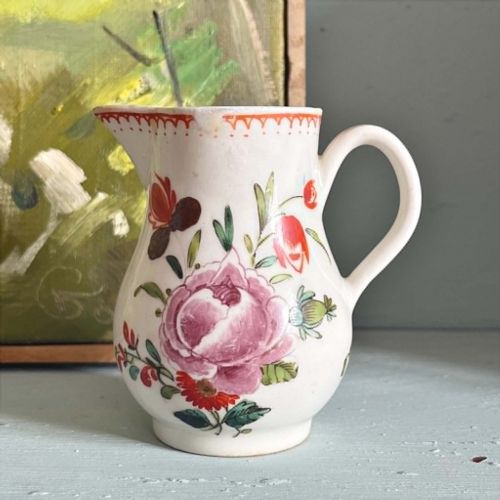
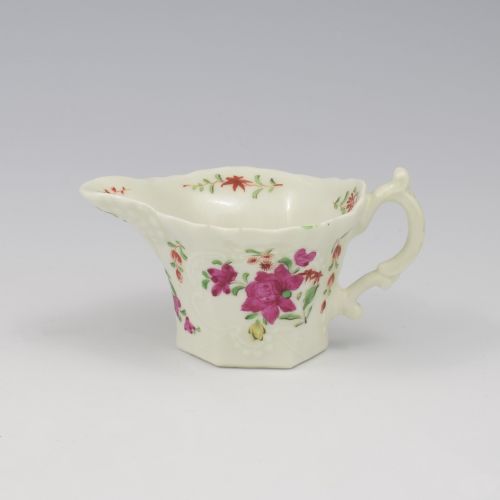
A white porcelain cream jug brings eighteen-century grace to the table, combining soft pastes, hand-painted enamels, and crisp moulded forms.
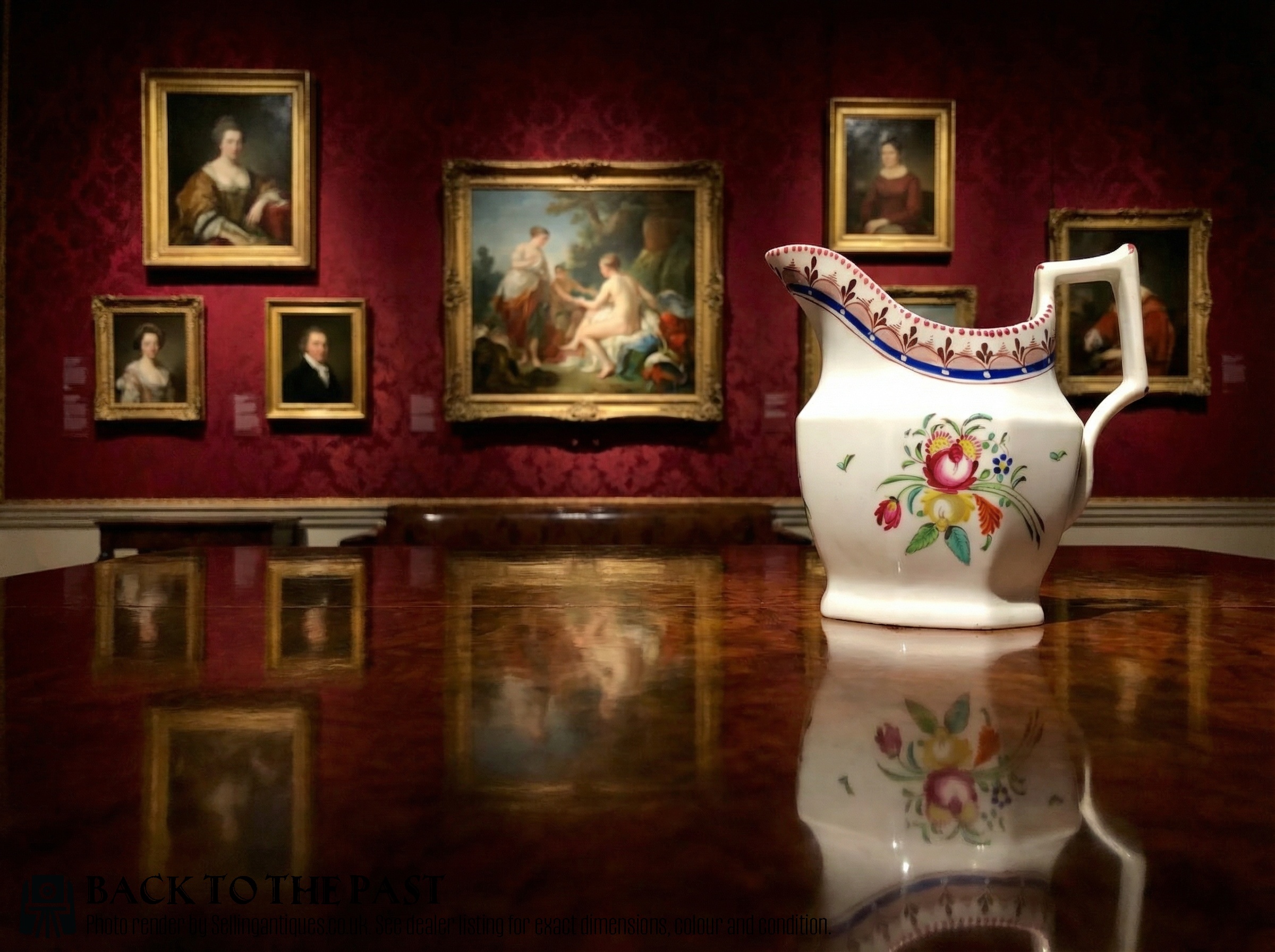
White Porcelain Cream Jug
A white porcelain cream jug represents a staple of eighteenth and nineteenth-century tableware, designed specifically to serve cream or milk at the tea or breakfast table. The pieces found here span the Georgian, Regency, and Victorian eras, taking forms such as sparrow-beak creamers, low Chelsea ewers, and handled jugs.
Makers across England and continental Europe produced these vessels in varied bodies, including soft-paste porcelain, hard-paste porcelain, and enamel-painted wares. Early examples often reflect Chinese export styles or local cottage patterns, while later nineteenth-century pieces embrace robust gadroon edges and pictorial views.
Collectors encounter distinct regional styles, from the porcelain of Worcester and Derby to continental factories like Meissen. These vessels range from simple utilitarian milk jugs to intricately moulded dolphin ewers and sauce boats.
Materials and manufacture
Potters shaped these vessels using soft-paste or hard-paste porcelain, firing the clay bodies at high temperatures to achieve a durable white base. Artisans then applied cobalt underglaze, polychrome enamel painting, or delicate gilding directly onto the glazed surface.
Specialised techniques included moulding fluted balusters, lamprey handles, and dolphin ewer profiles into the soft paste before the primary kiln firing. Hand-painting required steady brushwork for floral sprays, birds, insects, and armorial monograms.
White Porcelain Cream Jug Retail Price Guide 2026
Typical asking prices for white porcelain cream jug among the pieces listed under this phrase on Sellingantiques today, from the lower quarter to the upper quarter. They describe what is for sale here now, not the wider market.
Listings feature porcelain forms spanning eighteenth-century Chinese export services to mid-nineteenth-century European enamel-painted birds and insects.
Distinctions in quality
Quality rests upon the clarity of the porcelain body, the precision of the moulding, and the artistic merit of the hand-painted decoration. Early soft-paste bodies with translucent glazes and crisp, undamaged spouts command greater attention from discerning collectors.
The sophistication of the enamel work separates standard production pieces from exceptional ones. Finely executed transfer prints, intricate polychrome florals, and well-preserved gold leaf elevate the visual and historical standing of a jug.
Dr Wall Worcester·New Hall Porcelain·Derby Porcelain·Meissen·John Rose Coalport·Crown Derby·Herculaneum
The White Porcelain Cream Jug Glossary
- Soft-paste porcelain
- A glassy ceramic composition fired at lower temperatures than hard paste, creating a warm, slightly creamy body with high translucency. It absorbs enamel colours deeply during subsequent firings.
- Sparrow-beak jug
- A small eighteenth-century cream jug featuring a distinctive, pinched spout resembling a bird's beak. This form allowed for a precise pour into small teacups.
- Cobalt underglaze
- A blue pigment applied to the unfired ceramic body beneath the clear glaze, enduring high kiln temperatures without fading. Worcester and Chinese export pieces frequently utilise this method.
- Dolphin ewer
- A vessel form incorporating a moulded sea creature handle and spout, popular in mid-eighteenth-century porcelain production. The tail typically forms the handle while the head shapes the pouring lip.
- Enamel
- Opaque glass-based colours fused onto the fired porcelain surface in a muffle kiln. Polychrome florals and birds rely on these stable pigments.
White Porcelain Cream Jug: Frequently Asked Questions
How do I date an antique cream jug?
Dating relies on identifying the paste type, factory marks, glaze characteristics, and decorative style. Soft-paste bodies and hand-painted underglaze blue typically point to the eighteenth century, while crisper hard-paste bodies and gadrooned edges often suggest Regency or Victorian periods.
Examining the base for kiln scars, wear patterns, and historical attribution helps narrow the manufacturing decade. Comparing stylistic traits with documented factory patterns provides further chronological certainty.
What is the difference between soft-paste and hard-paste porcelain?
Soft-paste porcelain uses a mixture of clay, glass, and frit, fired at lower temperatures to produce a warm, translucent body that frequently shows pooling in the glaze. Hard-paste porcelain combines kaolin and petuntse, requiring higher kiln temperatures to form a dense, vitreous, and scratch-resistant material.
English factories in the eighteenth century primarily utilised soft paste, while continental makers like Meissen mastered hard paste earlier. Each body reacts differently to light and decorative enamels.
How were cream jugs used historically?
These vessels served to hold and pour dairy at the tea table, matching the rise of tea-drinking culture across Georgian and Victorian households. Servants or hosts poured cream from them into individual teacups to temper the strength of black or green tea.
Beyond functional dining use, many pieces functioned as decorative tableware. Wealthy households displayed porcelain services featuring matching teapots, basins, and creamers.
How should I care for an eighteenth-century cream jug?
Wash porcelain pieces by hand using lukewarm water and mild soap, avoiding abrasive sponges or modern dishwashers. Protecting the fragile handle and spout from impact during cleaning preserves the historical integrity of the vessel.
Display the jug away from direct sunlight and sudden temperature shifts to protect delicate enamels and gold leaf gilding. Stable cabinet storage prevents accidental knocks.