




18th Century Bow Porcelain
18th century bow porcelain brings early English ceramic artistry to your home through delicate figures, sauce boats, and tableware from the historic London factory.
18th Century Bow Porcelain
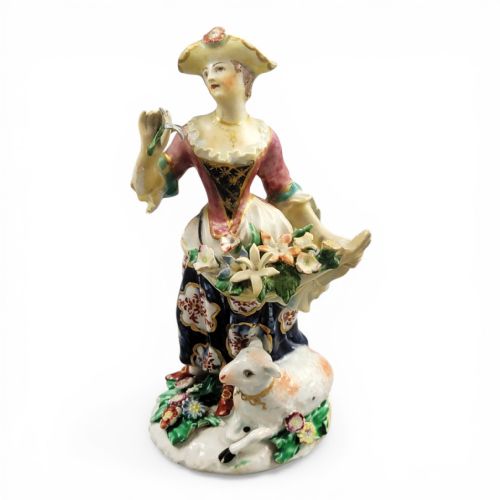
When you examine 18th century bow porcelain, you encounter historic English ceramics produced during the Georgian era, including figures, sauce boats, and plates. The pieces span from mid century examples through the seventeen seventies, capturing the aesthetic shifts of the period.
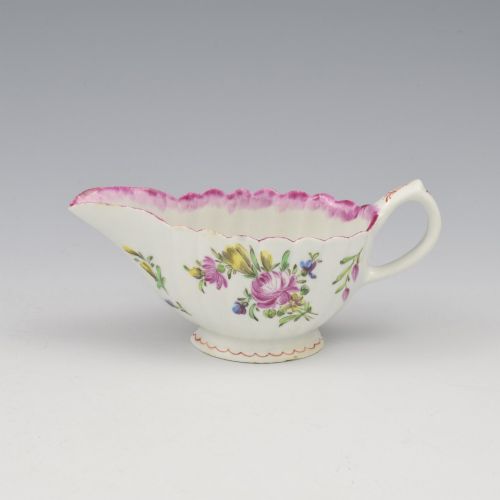
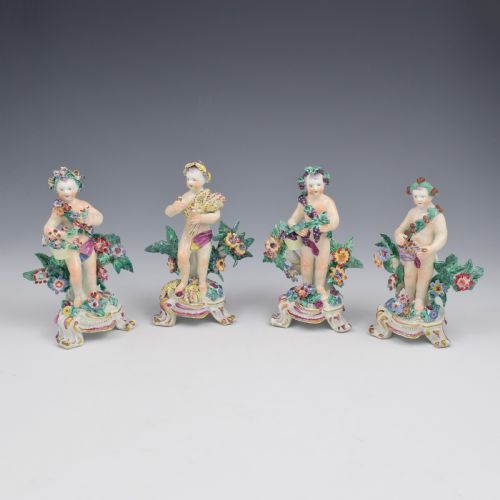
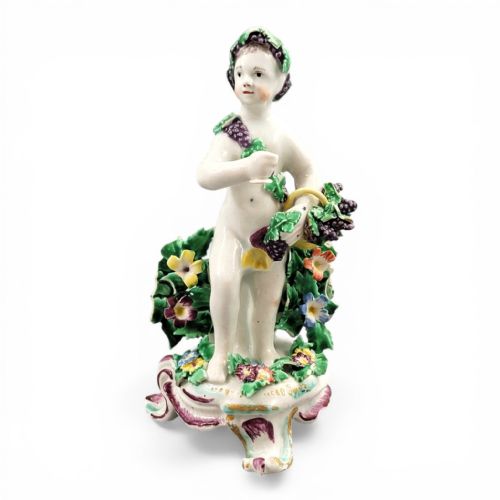
You are most likely to meet tableware such as fluted sauce boats and serving dishes, alongside allegorical figures and putti representing the seasons. These domestic and decorative objects reflect the diverse output of the early London manufactory.
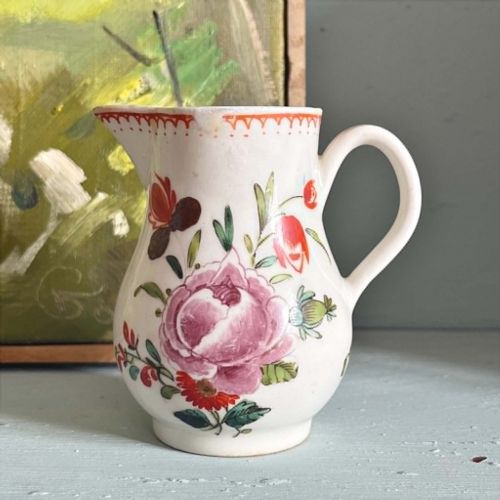
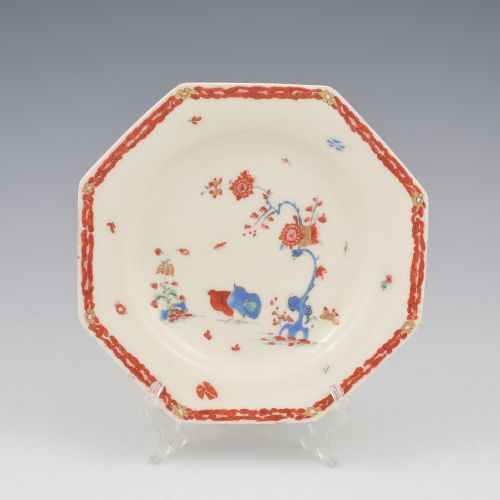
The selection includes items decorated with polychrome flowers, Mandarin Chinese figures, and Kakiemon quail patterns. Blue and white items with lotus and bamboo motifs also appear alongside pieces bearing gold leaf and overglaze enamel.
How 18th century bow porcelain was made
Makers utilised soft paste porcelain as the primary body for these items, shaping them into tableware and figurines during the eighteenth century. This specific composition yielded a distinctive texture and appearance characteristic of early English kilns.
Artisans applied enamel colours and gilding by hand, creating polychrome flowers and intricate patterns like the Kakiemon quail design. Overglaze enamels and gold leaf added rich detail to both decorative plates and sculptural figures.
Moulding and casting techniques allowed workers to form complex shapes such as allegorical putti, animal figures, and fluted vessels. Skilled painters then finished the surfaces with blue and white designs or pastel hues.
18th Century Bow Porcelain Retail Price Guide 2026
Typical asking prices for 18th century bow porcelain among the pieces listed under this phrase on Sellingantiques today, from the lower quarter to the upper quarter. They describe what is for sale here now, not the wider market.
Among the figures are tiny drummers and singers who appear ready to start an eighteenth century concert on your shelf.
What varies in quality in 18th century bow porcelain
The sophistication of the hand painting sets different examples apart, with finely painted pastel hues and detailed polychrome floral motifs representing superior craftsmanship. Simpler blue and white designs show a different aesthetic focus.
The complexity of the form influences the character of each piece, distinguishing simple utilitarian cream jugs and sauce boats from elaborate multi figure allegorical sets. Sculptural definition in figures of putti and human subjects demonstrates the modeller's skill.
The preservation of the original enamel colours and gold leaf impacts the visual presence of the ceramic. Intact gilding and crisp overglaze painting retain the intended brilliance of the mid eighteenth century workshop.
The 18th Century Bow Porcelain Glossary
- Soft-paste porcelain
- A ceramic material composed of clay, frit, and glass, fired at lower temperatures than hard paste porcelain. It was widely used by early English factories before true porcelain production became common.
- Kakiemon
- A Japanese style of porcelain decoration featuring asymmetrical designs and specific enamel colours like iron red and blue. Bow artisans adapted these patterns on plates and dishes during the mid eighteenth century.
- Overglaze enamel
- Pigments applied on top of the fired glaze and fixed with a second, lower temperature firing. This technique allowed for vibrant polychrome flower decorations and detailed character scenes.
- Putti
- Representations of chubby male infants, often winged, used as decorative figures in art. Bow manufacturers frequently depicted them as allegories representing the seasons or elements.
- Sparrowbeak creamer
- A small jug featuring a distinctively narrow, beak like spout used for serving cream. These jugs often display delicate floral or Chinese inspired painted patterns.
18th Century Bow Porcelain: Frequently Asked Questions
What is 18th century bow porcelain?
It refers to ceramics produced at the Bow porcelain manufactory in London during the seventeen hundreds. The factory created both functional tableware and decorative figures.
Items range from fluted sauce boats and serving dishes to allegorical figurines of putti and human figures decorated with enamel or blue and white designs.
How were these porcelain pieces used?
Tableware items such as sauce boats, creamers, and plates served practical functions during Georgian dining and tea drinking rituals. They brought colour and refinement to contemporary tables.
Figurines and decorative plates fulfilled a purely ornamental role, displayed on mantelpieces and in cabinets to showcase the owner's taste.
What patterns are found on bow tableware?
Common decorative schemes include Chinese figures, lotus and bamboo motifs, and Mandarin designs influenced by Asian export porcelain. Floral patterns and Kakiemon quail or partridge designs also appear frequently.
Many pieces feature fluted surfaces painted in underglaze blue or enriched with overglaze polychrome enamels and gold leaf.