
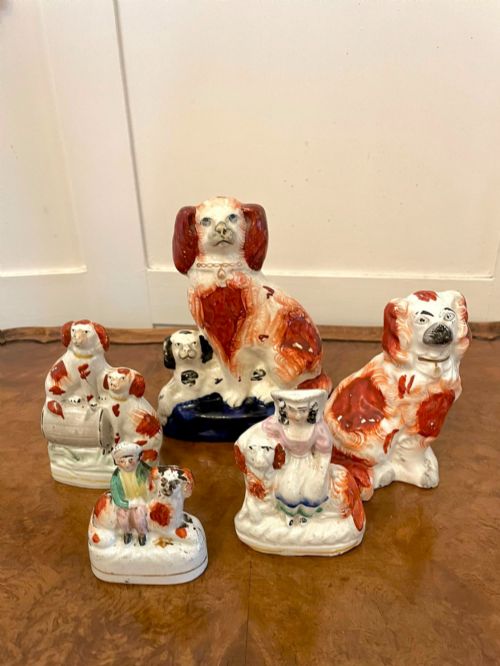
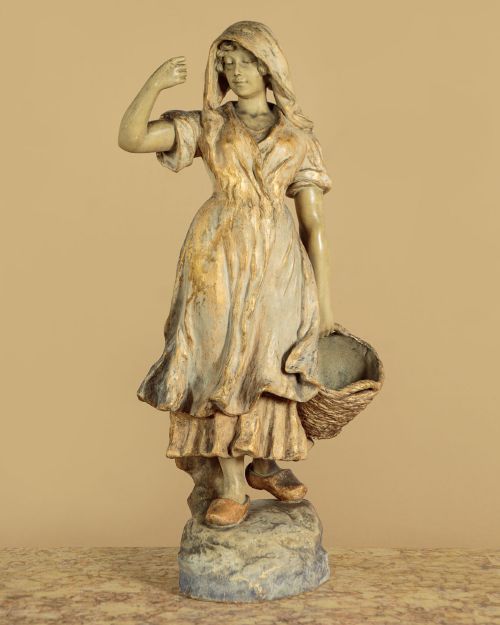

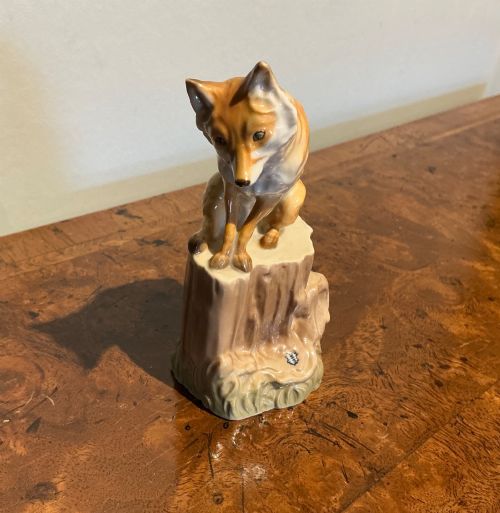
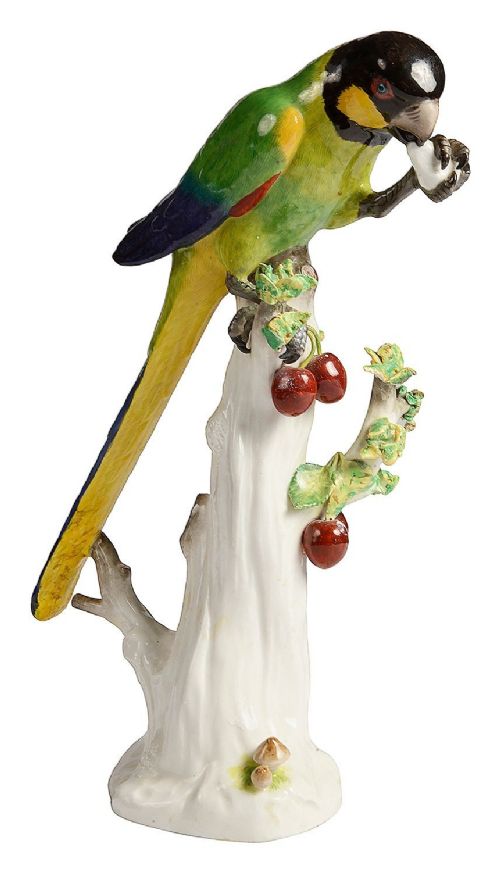
Painted Ceramic Figurine
A painted ceramic figurine brings centuries of British kiln craft into a room, offering the charm of hand-modelled porcelain and earthenware figures.
What they are
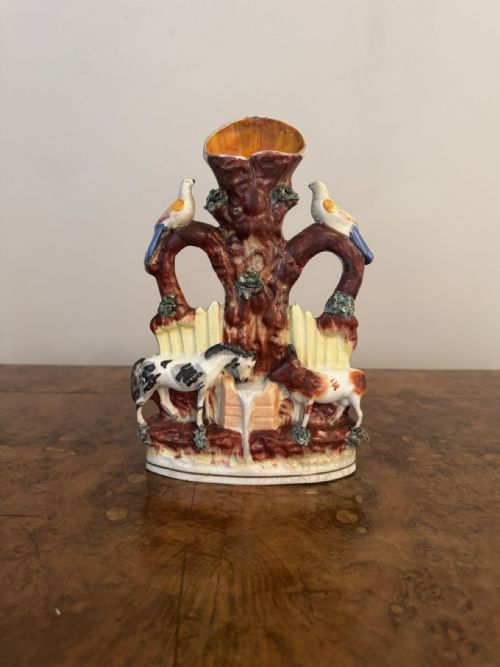
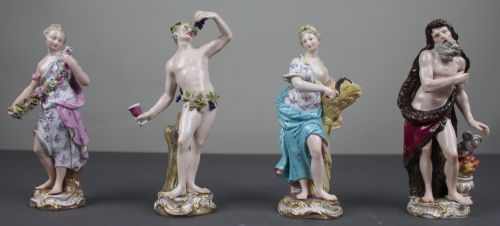
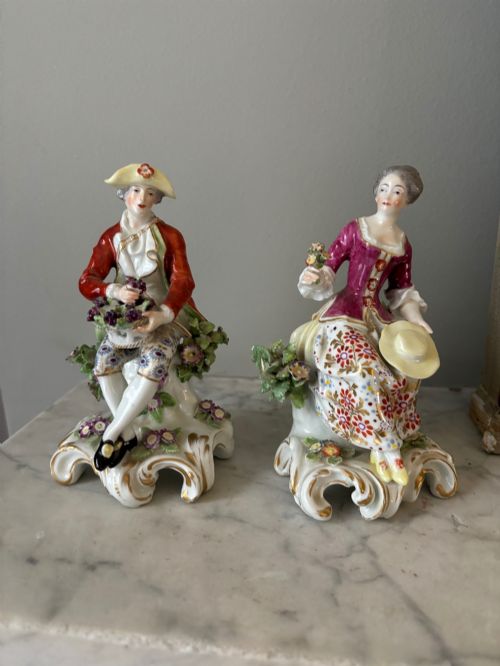
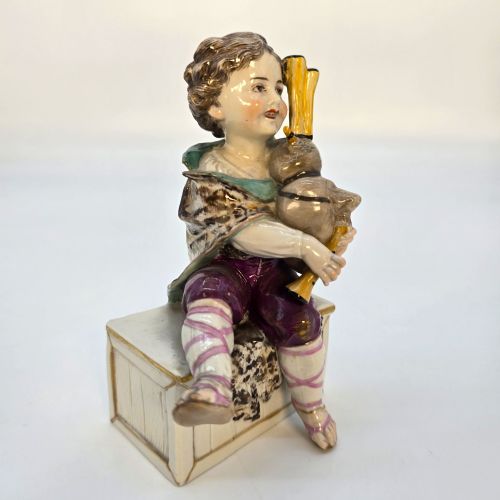
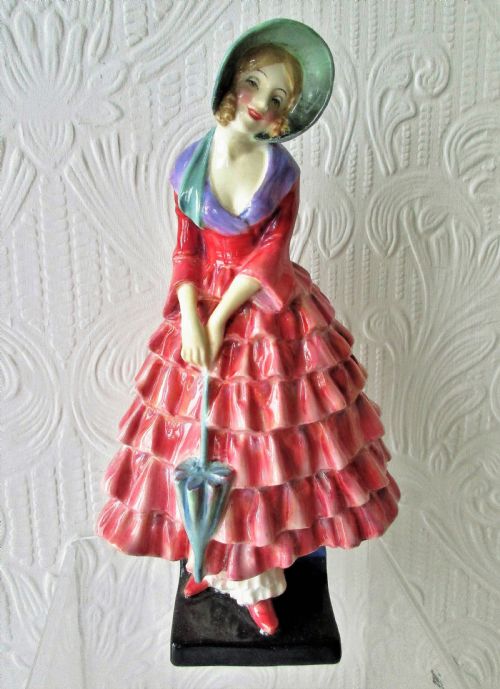
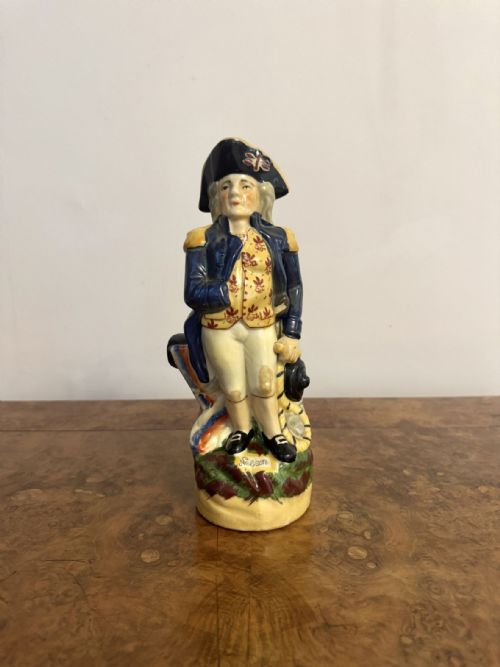
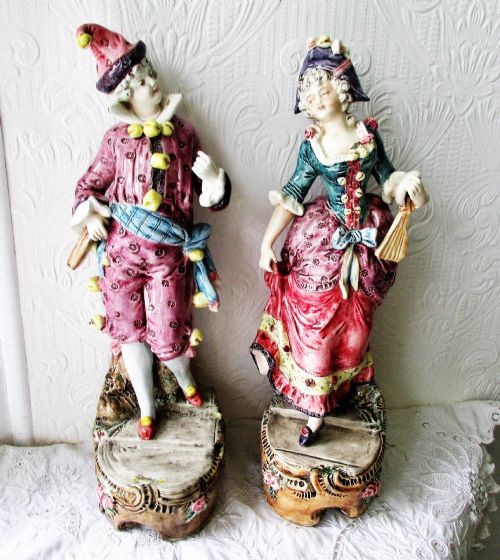
A painted ceramic figurine represents modelled subjects ranging from allegorical personifications to rustic figures with sheep and flowers. These works span the Georgian, Regency, and Victorian periods, capturing changing tastes in domestic display over more than a century.
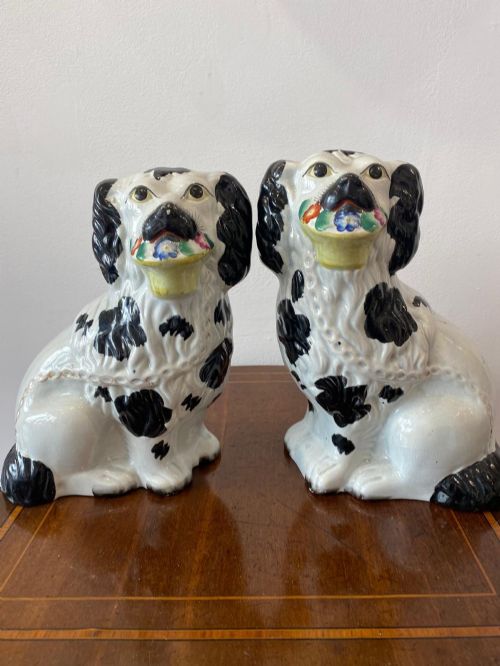
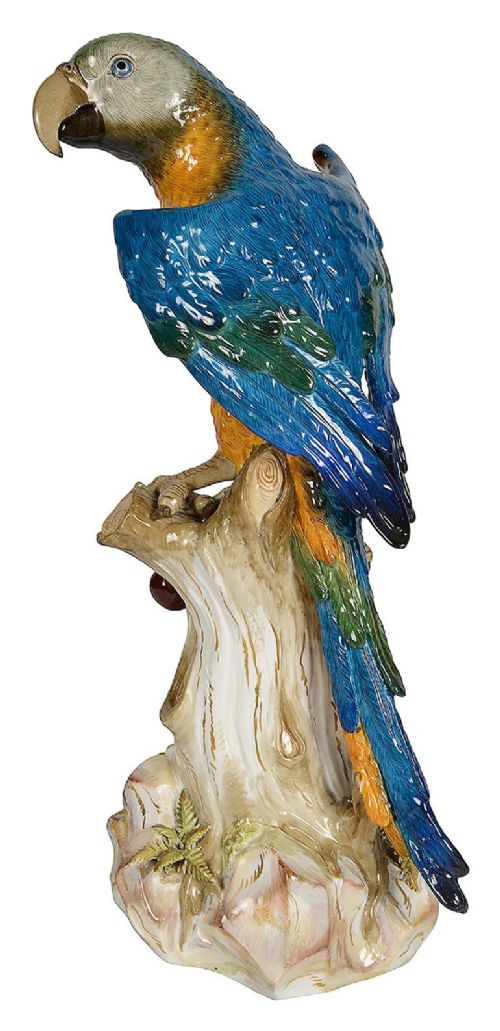
The versions most commonly met on this page include soft-paste porcelain models from factories such as Derby and Bow, alongside later earthenware pieces from Staffordshire and Paris reproductions in the Chelsea style. Such pieces capture historical makers working within Georgian Rococo, Rococo Revival, and Victorian traditions.
Collectors encounter diverse forms such as flower sellers, shepherds, and allegorical representations like Asia. Each painted ceramic figurine preserves the specific modelling conventions and glaze styles of its originating period.
How they were made
Potters shaped these figures using soft-paste porcelain, earthenware, and standard ceramic bodies, often employing press moulds or hand-modelling techniques. Once formed, the pieces received initial firing before artisans applied enamels and glazes.
Surface decoration frequently incorporated meticulous hand-painted enamel colours alongside details rendered in gold leaf and gilding. These pigments bonded with the glaze during subsequent kiln firings to achieve a permanent finish.
Retail Price Guide 2026
Typical UK retail prices for painted ceramic figurine, calculated from the Sellingantiques database of over a million retail prices indexed since 2003. This retail price guide relies exclusively on Sellingantiques data; no external sources or auction records are used, so the figures do not describe the wider market.
Several figures come accompanied by attentive little lambs and faithful sheep that stubbornly refuse to wander off.
What varies in quality
The distinction between standard and superior pieces rests on the precision of the hand-modelling and the crispness of the enamel painting. Finer examples display delicate facial expressions, carefully articulated foliage or garments, and clean application of gold leaf.
Factory origins also influence the character of the piece, with early eighteenth-century Derby and Bow productions showing different paste compositions and modelling depth compared to later nineteenth-century Staffordshire works or Paris copies.
Derby Porcelain·Bow Porcelain·Samson
The Painted Ceramic Figurine Glossary
- Soft-paste porcelain
- An artificial porcelain composition fired at lower temperatures than hard-paste, common in eighteenth-century English factories. It produces a warm, slightly translucent body well suited to early figures.
- Enamel
- Opaque glass-based colours painted onto the fired ceramic surface and fixed in a muffle kiln. This technique allows for bright, varied palettes on figures.
- Gilding
- The application of gold leaf or powdered gold to surface details such as garment borders or bases. It highlights sculptural elements on finer porcelain models.
- Allegorical figure
- A sculptural representation of an abstract concept, continent, or season in human form. Pieces such as Asia embody these personified themes through symbolic attributes.
- Earthenware
- A porous, opaque ceramic body fired at lower temperatures than porcelain. It forms the heavy, robust base for many nineteenth-century Staffordshire figures.
Frequently Asked Questions
How old are these figurines?
The pieces span from the mid-eighteenth century through the nineteenth century, including Georgian and Victorian examples.
Specific dates depend on the particular factory and style represented in each listing.
What materials were used?
Makers utilised soft-paste porcelain, earthenware, and general ceramic bodies.
Surfaces feature hand-painted enamel colours, clear glazes, and accents in gold leaf or gilding.
Where were they made?
Production centres include notable English porcelain works in Derby and Bow, alongside Staffordshire potteries.
Other examples include nineteenth-century Paris workshops producing pieces in historical styles.
How should I display them?
These figures suit placement on stable shelves, mantelpieces, or inside glass-fronted cabinets.
Keeping them away from direct sunlight protects the delicate hand-painted enamel surfaces over time.