






Georgian Porcelain Ornament
A Georgian porcelain ornament brings the theatrical pastoralism and classical mythology of the eighteenth century directly onto a mantelpiece.
What these figures are
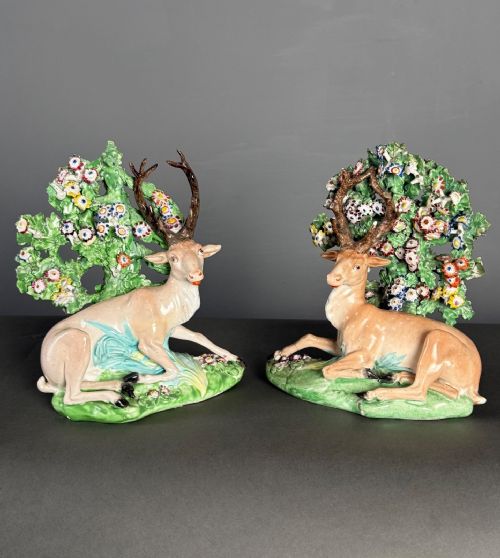
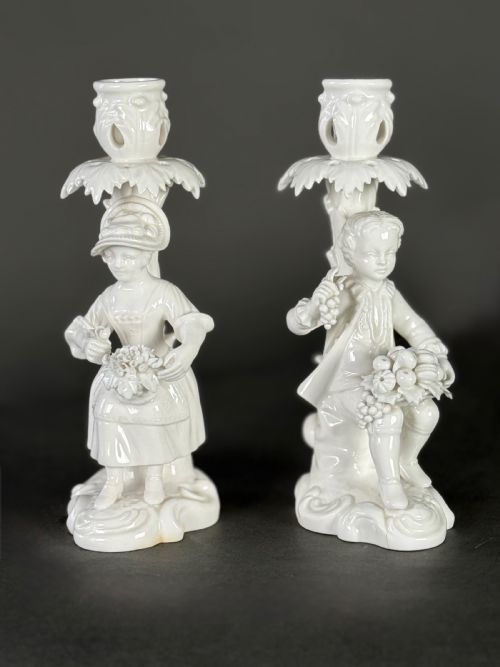
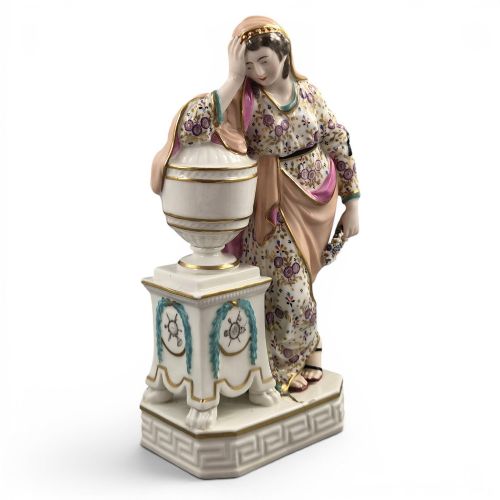
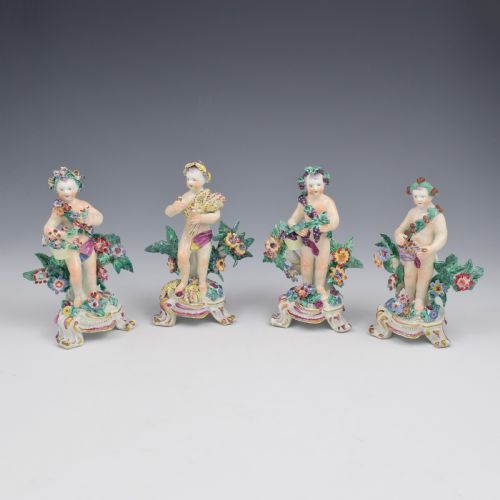
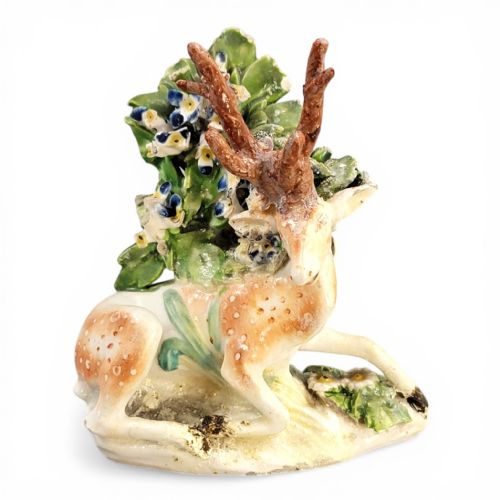
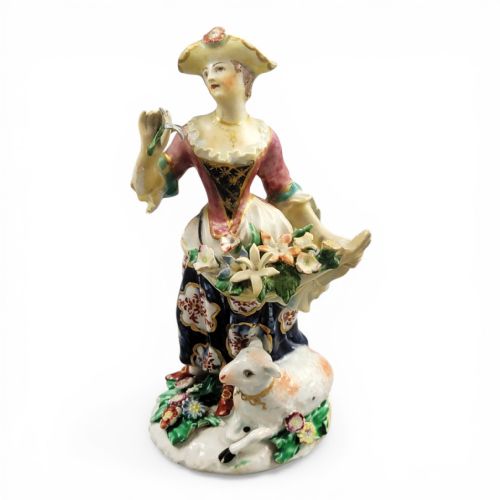
A georgian porcelain ornament represents the sculptural output of Britain's earliest factories, capturing pastoral subjects, allegorical figures, and mythological characters in soft-paste porcelain. Buyers searching for a georgian porcelain ornament encounter delicate figurines such as shepherdesses with lambs, allegories of the seasons, boy singers, and classical deities like Diana the Huntress.
The pieces on this page originate predominantly from the eighteenth century, spanning the Georgian era from the seventeen-fifties through the seventeen-sixties. Production centres such as Derby, Bow, Chelsea, and Limbach dominate the offerings, showcasing both early figures and later patch-period works.
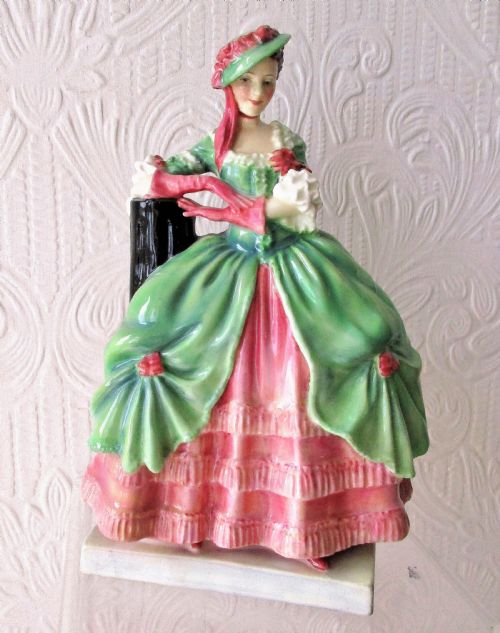
Forms remain small and cabinet-scaled, designed to adorn aristocratic and middle-class interiors with modelled displays of human and animal life. Each georgian porcelain ornament serves as a tangible survivor of early European ceramic experimentation.
How they were made
Potters shaped these objects using soft-paste porcelain, a vitreous ceramic body fired at lower temperatures than hard-paste porcelain to achieve a creamy, warm tone that absorbs enamel colours deeply. Artisans then modelled the figures by hand or pressed clay into moulds before applying detailed hand-painting.
Surfaces received vibrant polychrome enamels alongside liberal applications of gold leaf and gilding to highlight garments, bases, and attributes. Factories such as Chelsea utilised specialised marks like the gold anchor, while others relied on unglazed patch marks on the undersides from kiln supports.
Retail Price Guide 2026
Typical UK retail prices for georgian porcelain ornament, calculated from the Sellingantiques database of over a million retail prices indexed since 2003. This retail price guide relies exclusively on Sellingantiques data; no external sources or auction records are used, so the figures do not describe the wider market.
Several sheep included in these pastoral scenes wear permanent painted smiles despite their impending porcelain fate.
What varies in quality
The sophistication of the factory output dictates tier, with works from established enterprises like Chelsea and early Derby demonstrating superior kiln control and anatomical proportion compared to regional or later derivative pieces.
Derby porcelain·Bow Porcelain·Chelsea Porcelain·William Duesbury Co·Limbach Porcelain
The Georgian Porcelain Ornament Glossary
- Soft-paste porcelain
- A ceramic composition made from white clay, glass frit, and ground minerals rather than true kaolin and petuntse. This material was favoured by eighteenth-century English factories for its warmth and responsiveness to enamels.
- Gold anchor mark
- A small painted anchor in gold used by the Chelsea porcelain factory during its productive period around seventeen-sixty. It indicates a higher tier of decoration and enamelling.
- Patch mark
- Small unglazed spots on the base of a porcelain figure left by the clay props used to support the piece inside the kiln during firing. These marks are characteristic of early Derby production.
- Rococo revival
- A nineteenth-century artistic style that revived the asymmetrical scrolls, shell motifs, and exuberant ornamentation of the mid-eighteenth century. It often influences the bases and framing of ceramic figures.
- Polychrome enamel
- Glass-based colours fused to the glazed porcelain surface through secondary firing. These pigments provide the reds, blues, greens, and yellows seen on eighteenth-century garments.
Frequently Asked Questions
What factories produced these ornaments?
English factories such as Derby, Bow, and Chelsea dominated production during the eighteenth century alongside continental makers like Limbach.
These kilns developed distinct soft-paste ceramic bodies and painting styles that define the era.
How do I identify a soft paste body?
Soft-paste porcelain generally feels warmer to the touch and displays a slightly creamy or granular fracture under magnification compared to hard-paste ceramic.
Under transmitted light, the glaze often shows subtle pooling and characteristic translucency.
What subjects are most common?
Makers drew heavily from classical mythology, pastoral allegories, and theatrical characters such as shepherds, musicians, and huntresses.
Figures often represent seasonal changes or moral narratives popular in eighteenth-century interior decoration.
How should I display them?
These delicate ceramic figures require stable placement inside enclosed cabinets or on secure mantelpieces away from direct sunlight and heavy foot traffic.
Avoid humid environments to protect the fragile soft-paste body and historic enamel pigments.