




Polychrome Porcelain Statuette
A polychrome porcelain statuette brings eighteenth-century modelling and vibrant enamelling straight to your mantelpiece.
What They Are
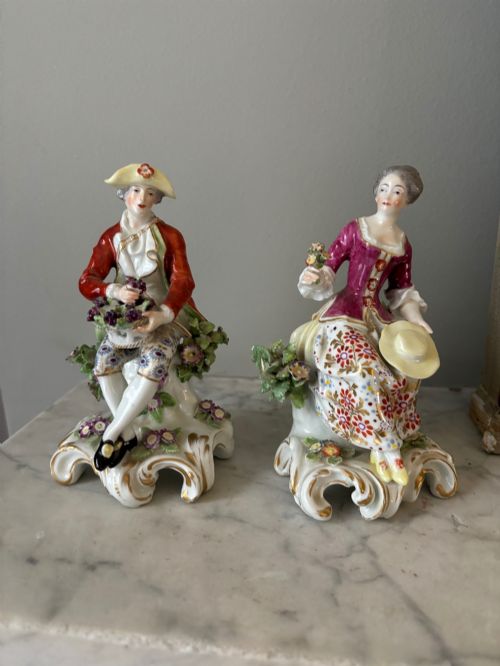
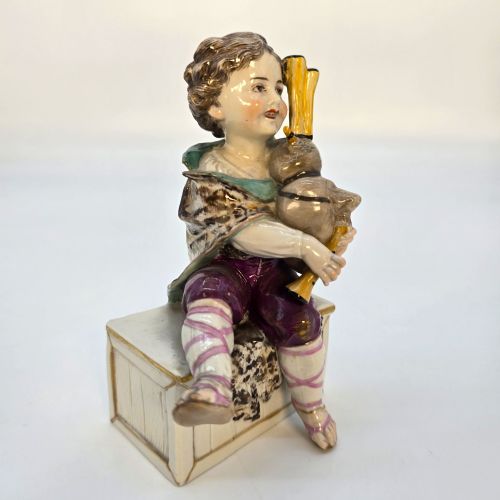
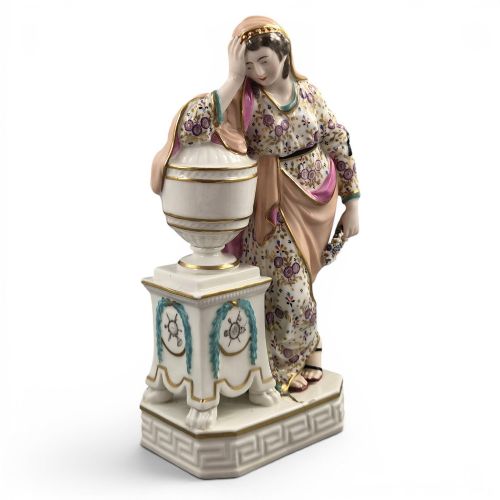
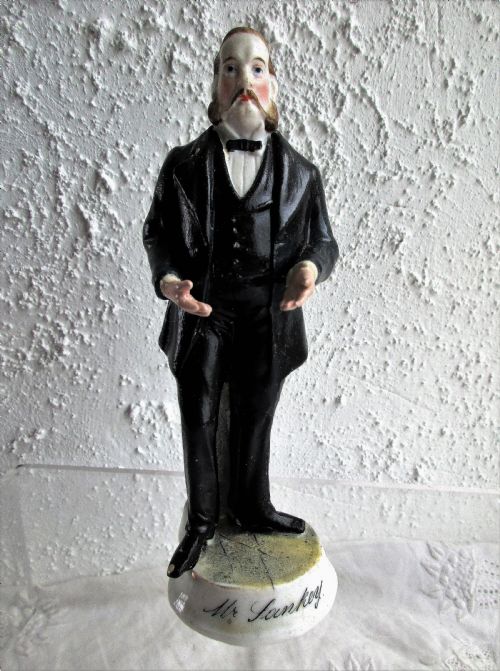
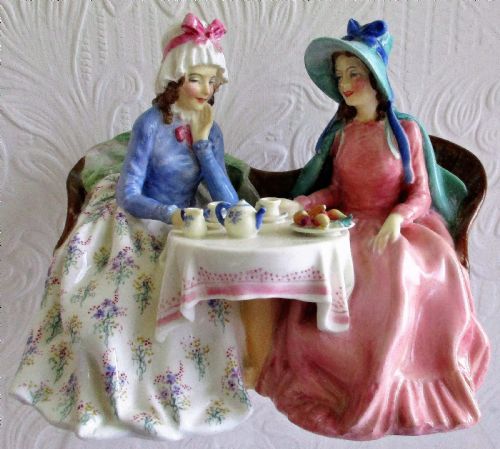
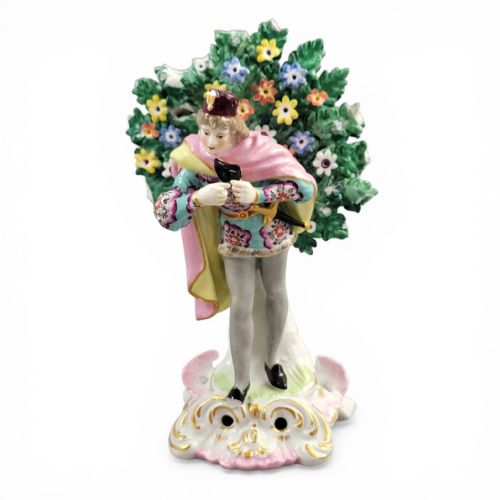
A polychrome porcelain statuette represents figures from mythology and song in three-dimensional ceramic form. These figurines emerge from eighteenth-century workshops in Georgian England.
The pieces on this page span the Rococo and Neoclassical styles. You are most likely to meet figures such as Diana the Huntress or a young singer modelled in soft-paste porcelain.
How They Were Made
Potters shaped these statuettes using soft-paste porcelain body recipes developed during the eighteenth century. Artisans then applied enamel colours by hand before firing.
Finishing touches often included gold leaf, gilding, or gilt highlights to accentuate drapery and bases. This combination of ceramic body and enamel pigments defined early English figure production.
Retail Price Guide 2026
Typical UK retail prices for polychrome porcelain statuette, calculated from the Sellingantiques database of over a million retail prices indexed since 2003. This retail price guide relies exclusively on Sellingantiques data; no external sources or auction records are used, so the figures do not describe the wider market.
Materials recorded across these items include enamel, gold leaf, gilding, and gilt.
What Varies in Quality
The application of gilding and gold leaf distinguishes standard production from superior pieces. Early factory marks and well-preserved polychrome glazes elevate the status of a statuette.
William Duesbury Co
The Polychrome Porcelain Statuette Glossary
- Soft-paste porcelain
- A ceramic composition fired at lower temperatures than hard-paste porcelain, creating a warm, slightly translucent body common in eighteenth-century English factories.
- Polychrome
- Decorated in multiple colours using enamel paints fired onto the glazed ceramic surface.
- Gilt
- A thin layer of gold or gold leaf applied to the surface of the porcelain for decorative effect.
- Rococo
- An ornate artistic style characterised by asymmetry, scrollwork, and lively curves seen on mid-eighteenth-century bases and clothing.
- Neoclassical
- A later eighteenth-century style drawing inspiration from classical antiquity, reflected in the posture and drapery of figures like Diana.
Frequently Asked Questions
How were eighteenth century figurines displayed?
Georgian households placed these statuettes on mantelpieces, side tables, and within dedicated cabinet displays. Their vibrant enamels caught the candlelight of evening rooms.
Collectors arranged them alongside other decorative ceramics to demonstrate taste and classical learning.
How do I care for soft paste porcelain?
Keep soft-paste porcelain statuettes out of direct sunlight to protect the enamel colours from fading over time. Dust them gently with a dry, soft brush.
Avoid using water or cleaning solutions on antique enamel and gilt surfaces, as these can cause permanent damage.
How do I identify a Georgian statuette?
Examine the ceramic body for the characteristic warmth and translucency of eighteenth-century soft-paste porcelain. Look for hand-painted polychrome enamel palettes and early factory marks.
Stylistic cues such as Rococo scrollwork or Neoclassical drapery also help date these figures to the period.