




Bow Porcelain Figure
These bow porcelain figure pieces are eighteenth-century ceramic works of human and allegorical form that bring early English sculptural modelling directly to your cabinet.
Bow Porcelain Figure
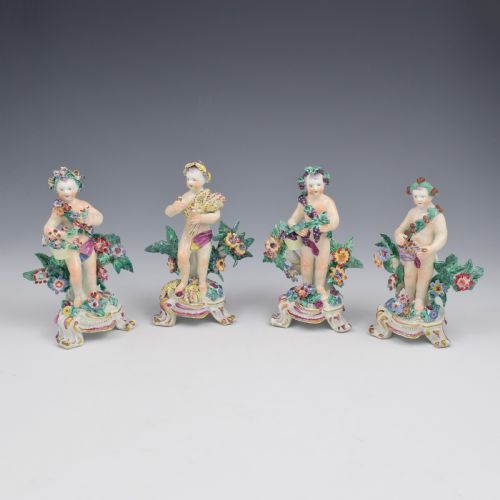
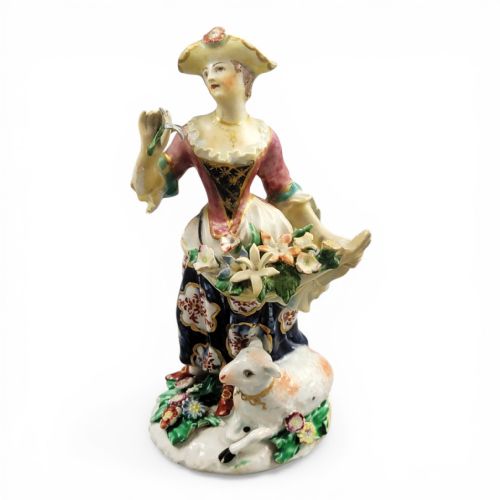
A bow porcelain figure represents human characters, allegorical themes, and rustic scenes shaped during the eighteenth century. You will frequently encounter figures depicting the seasons, musicians, dancers, and shepherds originating from around seventeen fifty to seventeen sixty-five.
The selections span individual figurines, matched pairs of element figures, and elaborate bocage candlesticks decorated with applied foliage. These ceramic objects capture early English table and mantelpiece ornamentation in soft-paste bodies influenced by Rococo and Georgian design.
How they were made
Potters shaped these objects using soft-paste porcelain, a vitreous composition that fired at lower temperatures than hard paste and accepted enamel colours smoothly. Artisans built up the forms by hand or pressed them into moulds before applying liquid slip details.
Painters decorated the hardened surfaces with overglaze enamels in pastel hues, sometimes highlighting garments and bases with gold leaf and gilding. Bocage versions incorporated separately modelled clay foliage leaves arranged around the main character.
Bow Porcelain Figure Retail Price Guide 2026
Typical asking prices for bow porcelain figure among the pieces listed under this phrase on Sellingantiques today, from the lower quarter to the upper quarter. They describe what is for sale here now, not the wider market.
Materials recorded across the archive include soft-paste porcelain, enamel, overglaze pigment, gold leaf, and applied bocage foliage.
What varies in quality
Colour application also drives distinction, where careful brushwork in the pastel enamel palette creates depth in drapery and facial expressions. The intricacy of surrounding bocage work, when present, indicates the level of ambition in the original manufacture.
The Bow Porcelain Figure Glossary
- Soft-paste porcelain
- A ceramic body composed of white clay mixed with ground glass and other materials, fired at lower temperatures than true porcelain. It produces a warm tone beneath the glaze.
- Bocage
- An applied background of ceramic leaves and branches wrapping around a figure, often seen on eighteenth-century candlesticks and pastoral groups. This botanical screen mimics an outdoor arbor.
- Putto
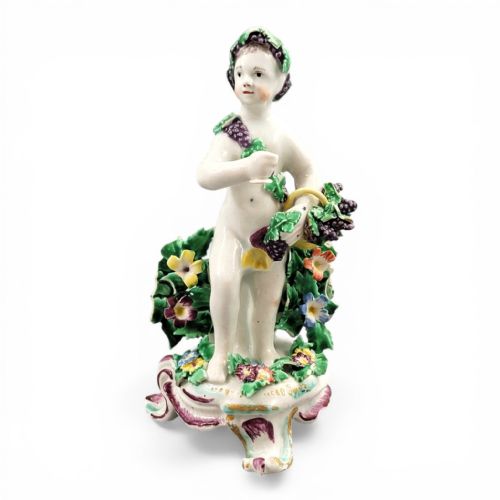
- A plump, naked child figure, frequently winged, used in allegorical representations of the seasons or elements. These figures add a classical mythological dimension to pastoral groupings.
- Overglaze enamel
- Pigments painted onto the already fired and glazed ceramic surface, then fixed with a second, lower-temperature firing. This technique allows for a broad palette of pastel hues.
- Allegorical figure
- A sculptural representation embodying an abstract concept such as water, land, or a specific season. Eighteenth-century makers often produced these in sets to symbolise universal themes.
Bow Porcelain Figure: Frequently Asked Questions
How do I clean old porcelain figures?
Dust these fragile ceramic pieces gently using a soft, dry brush rather than liquid cleaners or harsh cloths. Avoid submerging eighteenth-century soft-paste bodies in water.
Keep them away from direct sunlight and areas prone to sudden temperature shifts to protect the historical enamels and gilding from degradation.
Were these figures meant for dining tables?
While some early ceramic figures served as decorative centerpieces during grand eighteenth-century dining dessert courses, many were designed strictly for mantelpieces and display cabinets.
Their delicate soft-paste composition and overglaze enamel decoration meant they functioned primarily as interior ornaments rather than utilitarian tableware.
What is a bocage candlestick?
A bocage candlestick is a figural porcelain support featuring a functional socket surrounded by an ornate screen of applied ceramic leaves and branches. These combined lighting utility with pastoral decorative sculpture.
They typically depict dancers, shepherds, or allegorical characters framed by foliage against a rococo-scroll base.
How are seasonal figures identified?
Makers indicated specific seasons through traditional symbolic attributes held by or accompanying the human figures. Autumn carries grapes or baskets of fruit, while winter appears as a seated rustic figure warming himself.
Composers of these sets often matched putti or human characters to represent the four distinct periods of the year.