


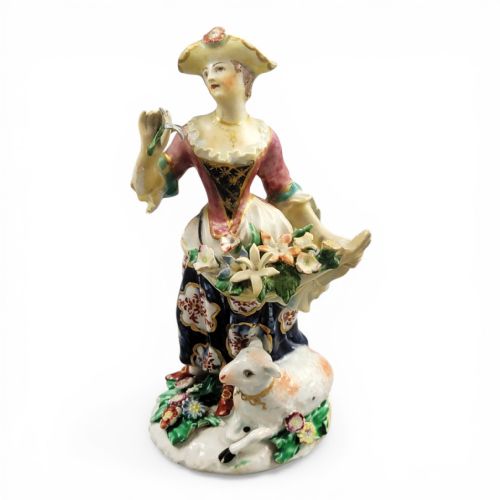

English Porcelain Statuette
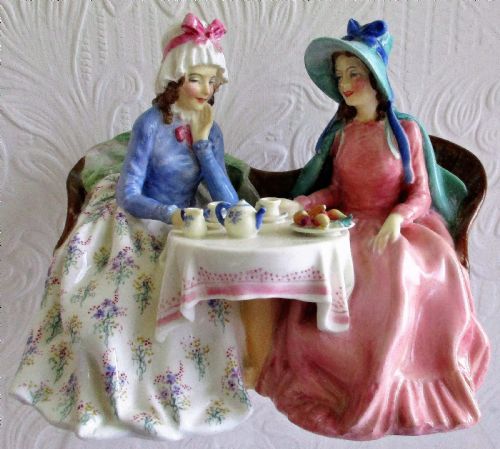
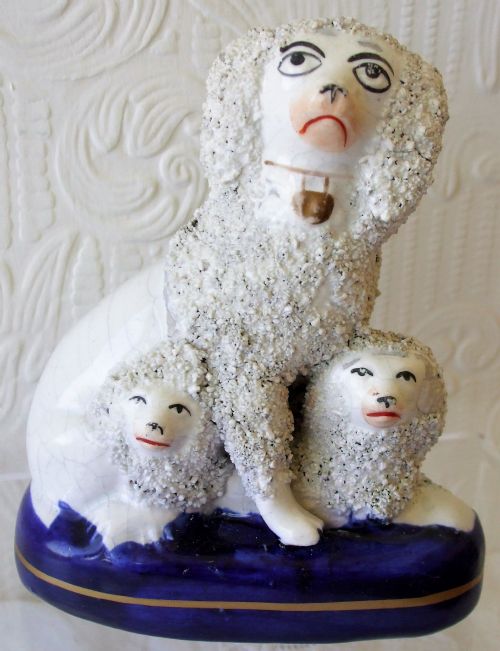
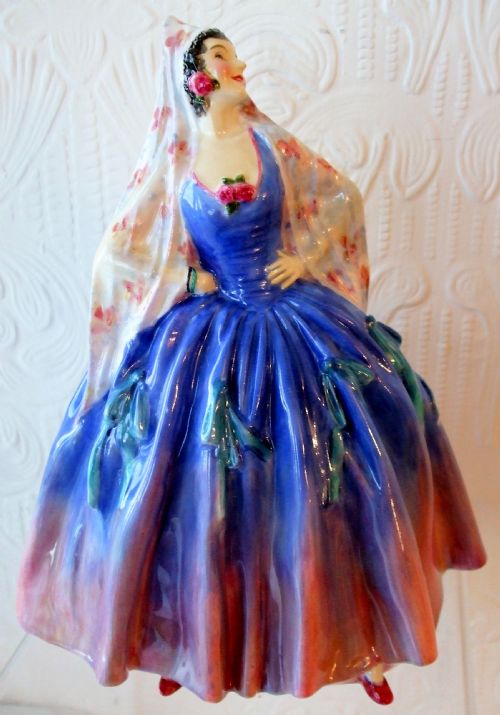
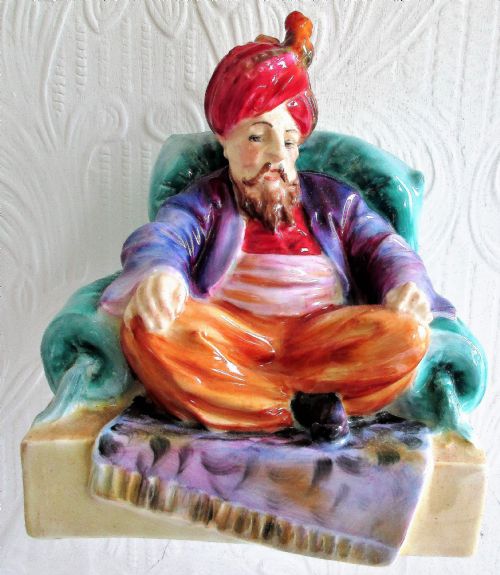
These English porcelain statuette examples bring sculptural charm and historic character into your home through finely modelled ceramic figures.
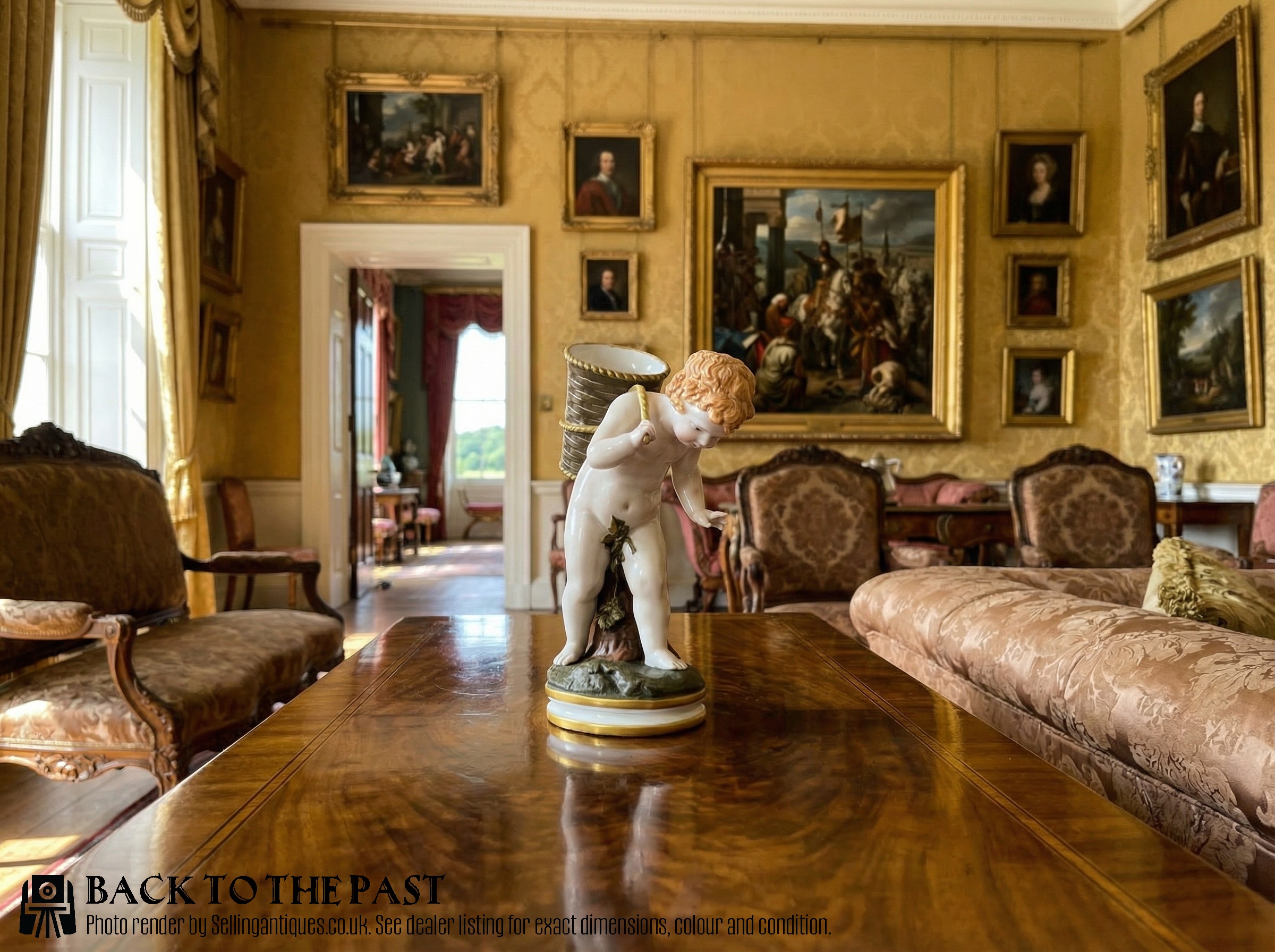
What these pieces are
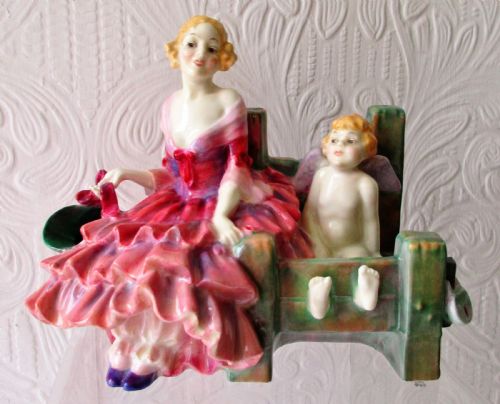
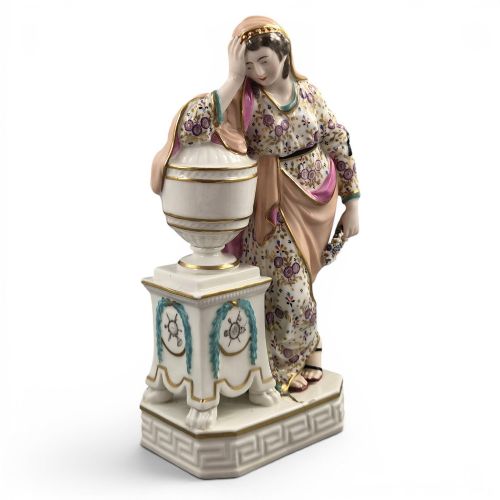
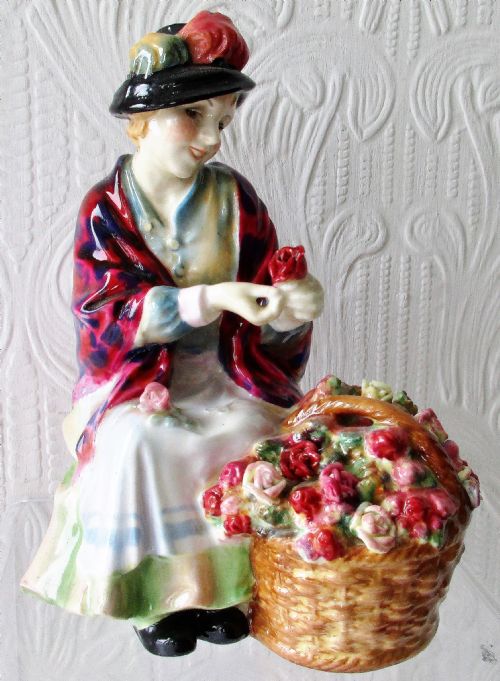
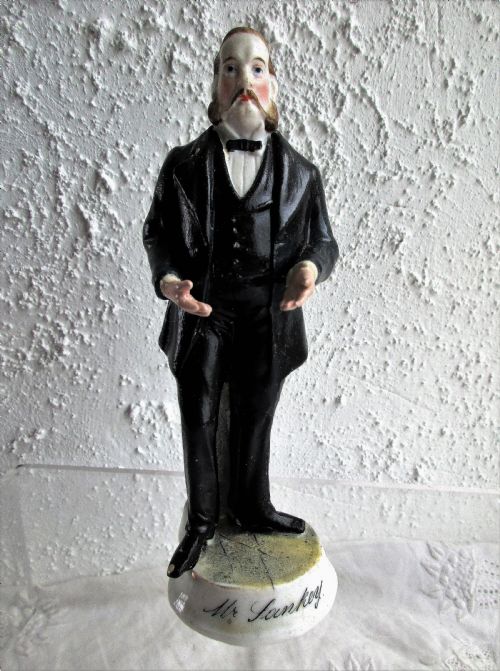
An English porcelain statuette represents a diverse tradition of ceramic figures spanning from the eighteenth century to the twentieth century. These objects range from eighteenth-century soft-paste porcelain models by historic factories to twentieth-century bone china figurines depicting named characters.
The selections encountered here encompass distinct aesthetic movements including Rococo, Georgian, Victorian, and Art Deco styles. Forms vary from allegorical representations and mythological cherubs to everyday figures like drummers and shoemakers.
Early eighteenth-century pieces often reflect delicate neoclassical or pastoral themes with painted enamel details. Later twentieth-century items showcase glossy ceramic glazes and specific model numbers associated with notable production houses.
What varies in quality
The standard of modelling defines the upper tier of these figures, where facial expressions and drapery appear crisp and lifelike rather than heavy or indistinct. Hand-painted enamel work shows greater precision and subtlety on superior pieces, distinguishing them from simpler factory output.
The preservation of original glaze surfaces and delicate extremities, such as fingers or musical instruments, separates well-kept examples from heavily worn pieces. Early soft-paste bodies and historic factory marks also influence the character and standing of an object.
Retail Price Guide 2026
Typical UK retail prices for english porcelain statuette, calculated from the Sellingantiques database of over a million retail prices indexed since 2003. This retail price guide relies exclusively on Sellingantiques data; no external sources or auction records are used, so the figures do not describe the wider market.
Keep an eye out for eighteenth-century boy drummers and shoppers carrying baskets, proving that ceramic artisans loved a detailed miniature costume.
Royal Doulton·Royal Worcester·Bow·Derby·Chelsea
The English Porcelain Statuette Glossary
- Soft-paste porcelain
- An early ceramic composition fired at lower temperatures than hard-paste porcelain, often showing a warm, creamy translucence. This material is typical of eighteenth-century English manufactories.
- Bone china
- A type of porcelain containing bone ash, developed to provide increased strength and a brilliant white background. It became a standard medium for twentieth-century figures.
- Gilt
- A thin layer of gold applied to surface details for decoration. It is frequently found highlighting bases and decorative elements.
- Glaze
- A glassy coating applied to bisque ceramic and fired to seal the porous body. It gives the statuette its characteristic shine and protective finish.
Frequently Asked Questions
How do I date an antique porcelain figure?
Dating relies on examining the factory marks stamped or painted on the base, alongside the style of the clothing and painting techniques. Comparing the paste composition and glaze characteristics to known factory production periods also helps narrow down the decade.
Twentieth-century pieces often feature specific pattern names and registration numbers, whereas eighteenth-century examples display characteristic anchor or dagger symbols painted under the glaze.
How should I display porcelain figures safely?
Display these items in stable cabinets away from direct sunlight and high traffic areas to protect delicate painted details and protruding ceramic elements. Ensuring shelves are level prevents accidental toppling.
Avoid placing them near heat sources or in damp environments, as fluctuating temperatures can stress historic glazes and ceramic bodies over time.
Can I clean antique porcelain statuettes?
Dusting gently with a soft, dry brush is the safest method for routine maintenance. Avoid using harsh chemical cleaners or submerging historic soft-paste items in water.
If washing is necessary for glazed twentieth-century pieces, use lukewarm water with a mild, neutral soap and dry immediately with a lint-free cloth.