




Blue Porcelain Figurine
These blue porcelain figurine pieces bring delicate ceramic craft and expressive colour into a room, making them a fine choice for any collector.
What a blue porcelain figurine is
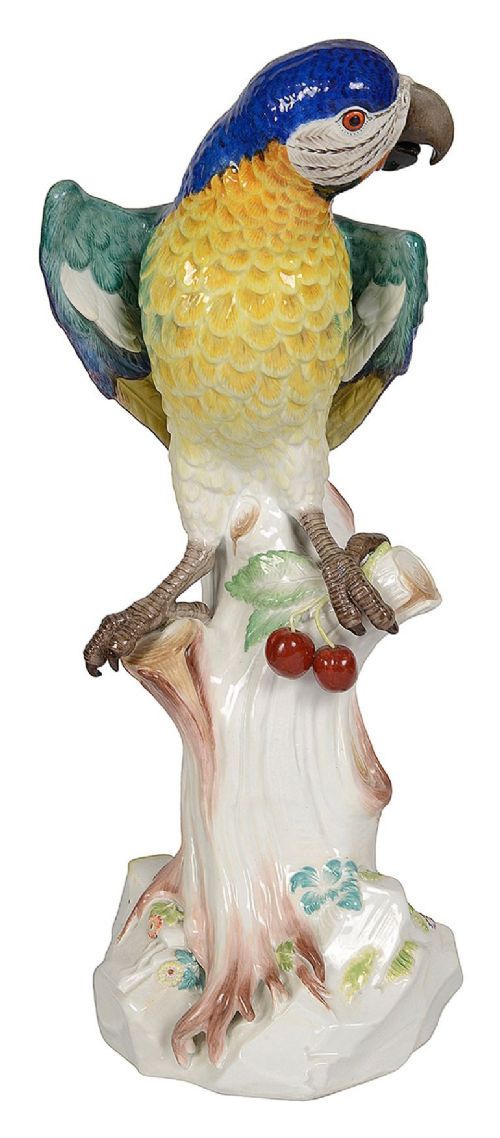
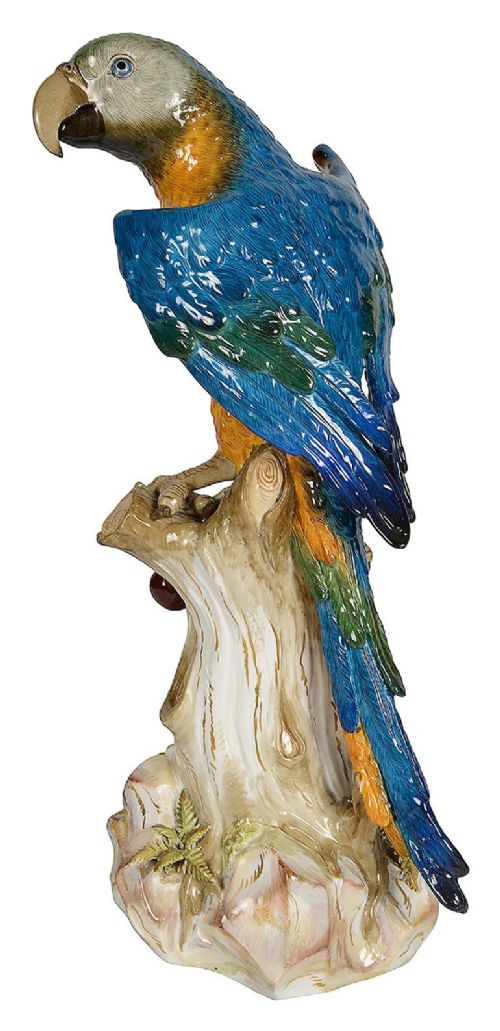
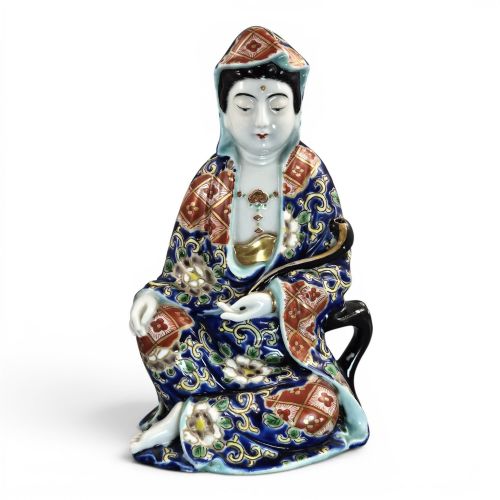
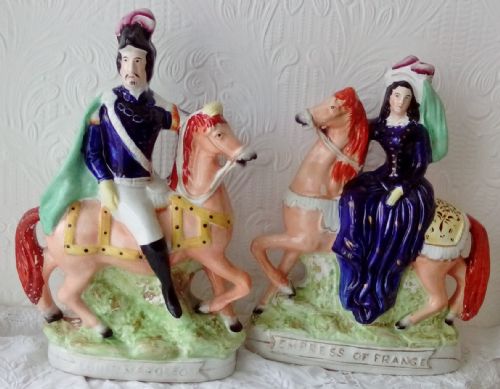
A blue porcelain figurine represents a sculptural ceramic form shaped from refined clay bodies and fired at high temperatures. Buyers searching this phrase seek finely modelled depictions of human figures, historical subjects, and mythological characters.
The selection here encompasses diverse global traditions, ranging from English bone china figures of the twentieth century to Japanese Arita and Kutani porcelain works from the Meiji and Taisho periods. Collectors will frequently encounter Victorian and Edwardian examples alongside Art Deco designs.
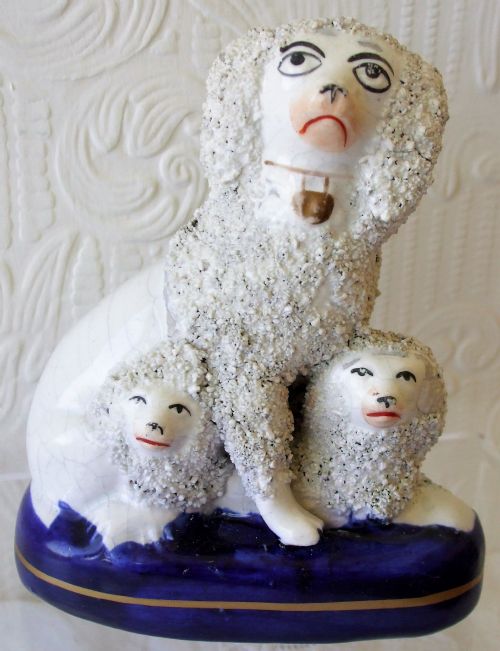
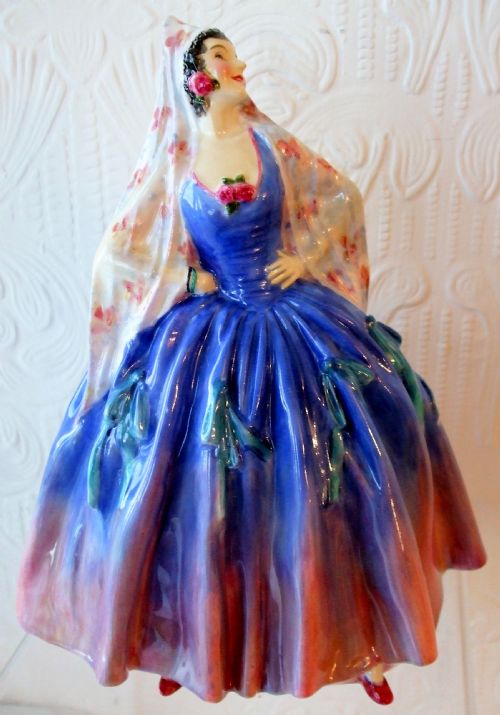
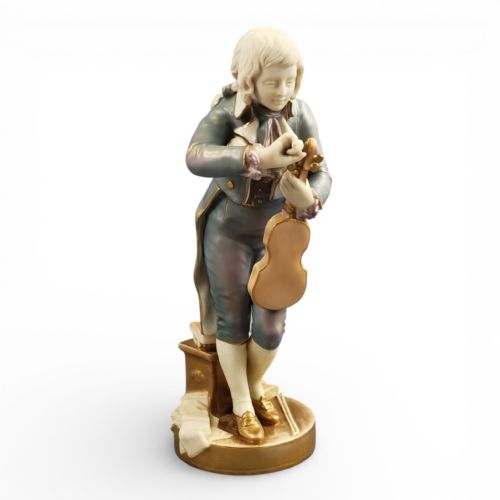
Representative subjects include traditional courtesans, musical figures, and classical groups such as a father and child. Each piece reflects the aesthetic priorities and sculptural conventions of its specific period of origin.
Materials and construction
Japanese works from the Meiji and Taisho periods utilise regional clay bodies finished with characteristic overglaze enamels and underglaze blue pigments. English factories like Royal Doulton and Royal Worcester employed intricate moulding techniques followed by hand-painted enamel decoration and delicate gilding before secondary firing.
Retail Price Guide 2026
Typical UK retail prices for blue porcelain figurine, calculated from the Sellingantiques database of over a million retail prices indexed since 2003. This retail price guide relies exclusively on Sellingantiques data; no external sources or auction records are used, so the figures do not describe the wider market.
Available pieces include works from both Japanese Meiji workshops and English bone china manufacturers.
Distinctions in quality
Quality rests upon the precision of the modelling and the sensitivity of the hand-painted decoration. Superior pieces display crisp facial expressions, well-defined drapery folds, and meticulously applied enamel or gilt details that remain integrated with the porcelain body.
The distinction between standard commercial output and exceptional studio work is visible in the fluidity of the posture and the control of the glaze. Earlier nineteenth-century examples often demonstrate finer hand-carving and individualised finishing compared to later mass-produced ceramic wares.
Royal Doulton·Royal Worcester
The Blue Porcelain Figurine Glossary
- Bisque porcelain
- Unglazed ceramic material fired once to create a matte, marble-like surface that reveals fine sculptural detail without reflective sheen.
- Bone china
- A type of porcelain incorporating bone ash, producing a strong, highly white ceramic body capable of thin and delicate forming.
- Overglaze enamel
- Decorative pigment applied over a previously fired glaze and fixed by a lower-temperature firing, allowing for bright colour palettes.
- Gilt
- A thin layer of gold applied to the porcelain surface to highlight decorative motifs, borders, or clothing elements.
- Arita
- A Japanese town renowned for early porcelain production, producing highly regarded painted ceramic figures and vessels for export and domestic use.
Frequently Asked Questions
How should I clean my porcelain figures?
Dust the surface gently with a soft, dry brush to prevent the accumulation of dirt within recessed crevices.
Avoid using harsh chemical cleaning solutions or submerging gilded pieces in water, as this can damage delicate enamel and gold leaf decorations.
Where were these ceramic figures made?
The pieces originate from major European ceramic centres as well as traditional Japanese kilns in regions like Arita and Kutani.
Each region utilised distinct clay compositions and decorative techniques characteristic of their local manufacturing traditions.
What periods do these figurines date from?
The available selection spans from the late nineteenth-century Meiji period through the Edwardian era and into the mid-twentieth century.
Twentieth-century examples often include Art Deco styling, while earlier pieces reflect traditional nineteenth-century revival aesthetics.
How do I identify a bisque porcelain piece?
Bisque porcelain lacks the glossy vitreous coating found on standard glazed ceramics, presenting a smooth, matte white texture.
This finish was frequently selected for figural groups to accentuate anatomical details and facial expressions without light reflection.