


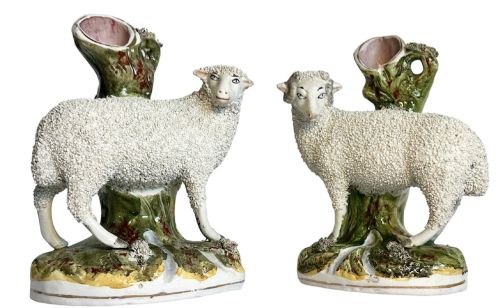

Glazed Ceramic Figurine
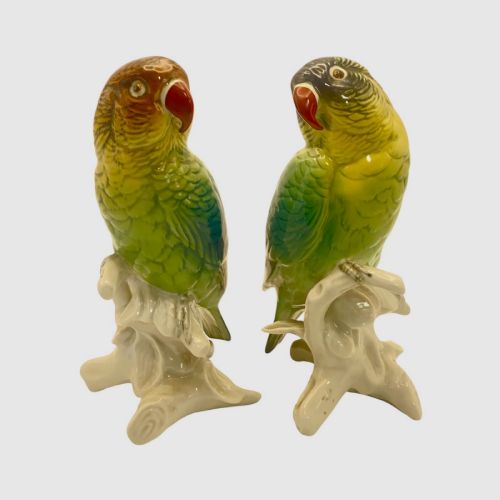
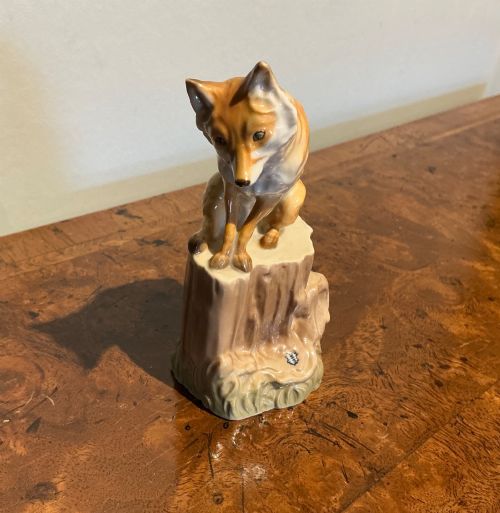
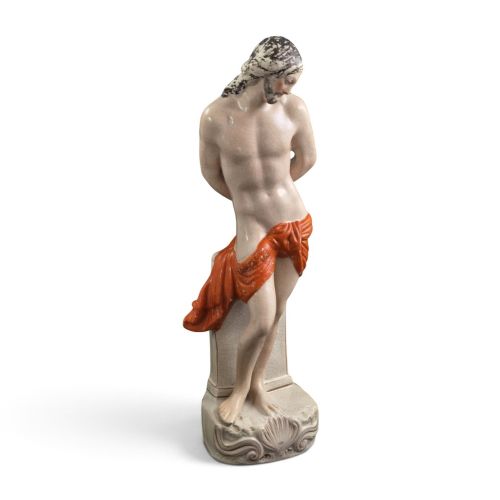
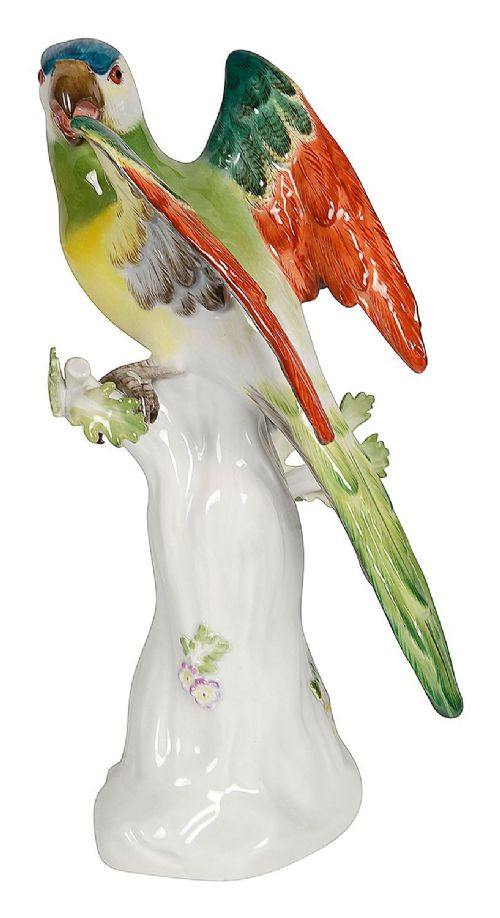
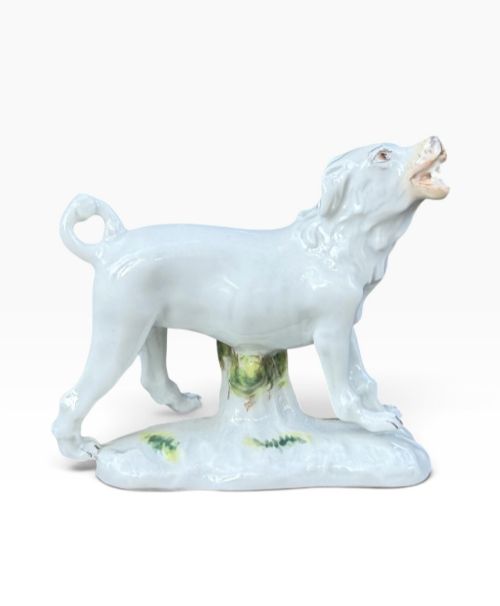
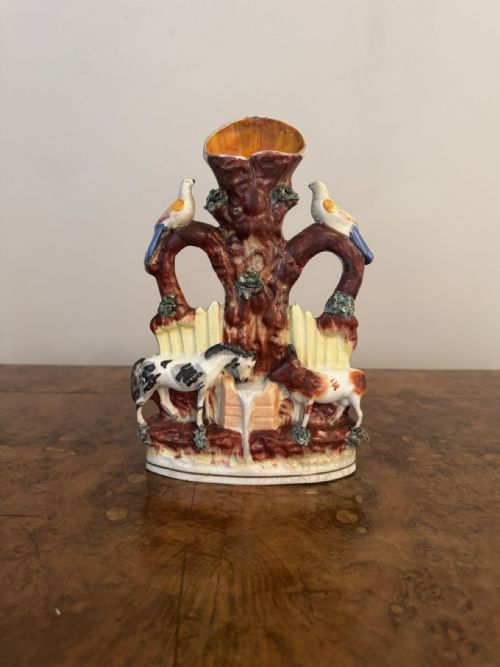
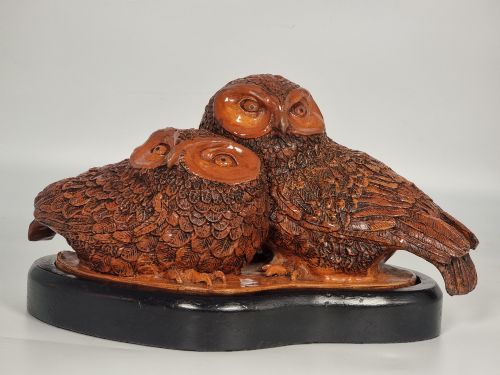
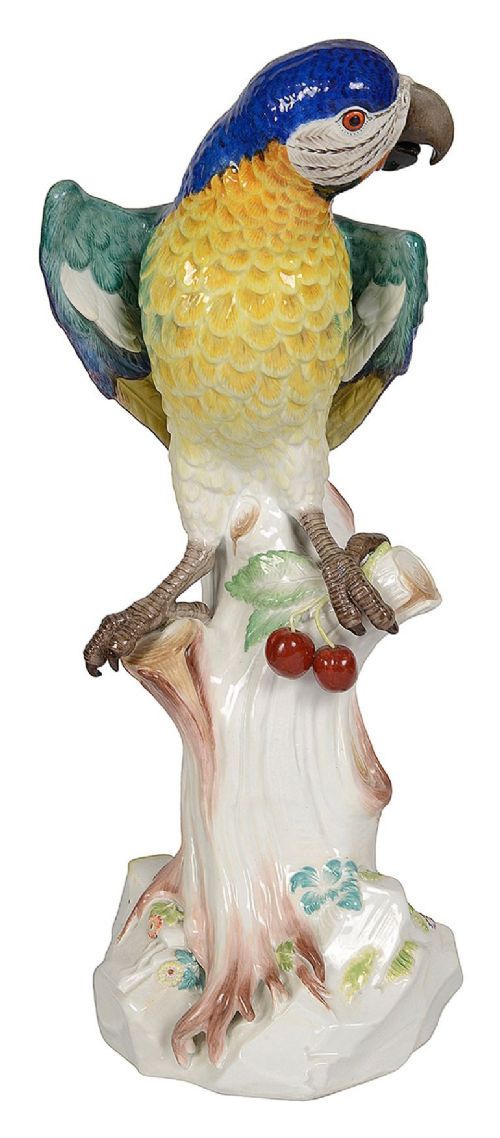
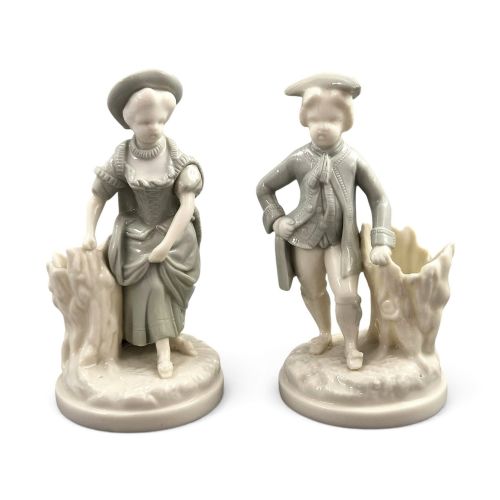
These glazed ceramic figurine examples bring character to a room, offering colourful sculptural forms shaped in porcelain, earthenware, and terracotta.
What They Are
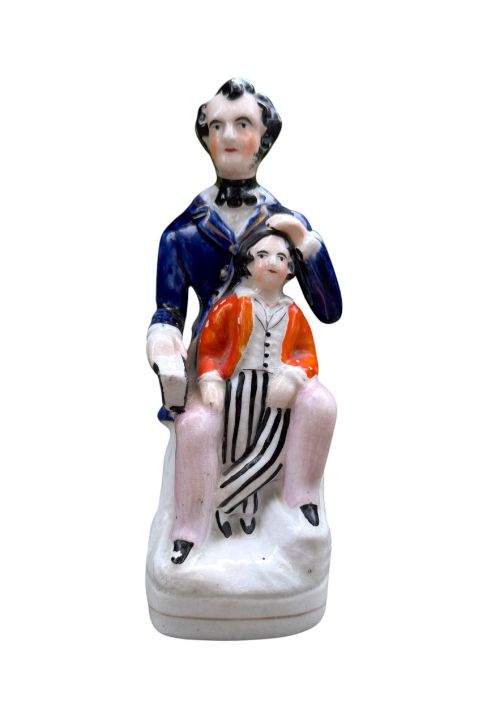
A glazed ceramic figurine is a small sculptural object moulded from clay and finished with a glossy or smooth coating. These pieces range from Victorian Staffordshire figures to Art Deco porcelain studies.
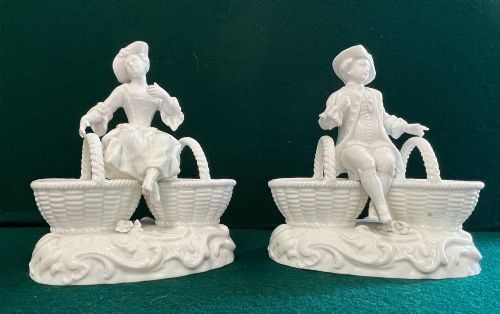
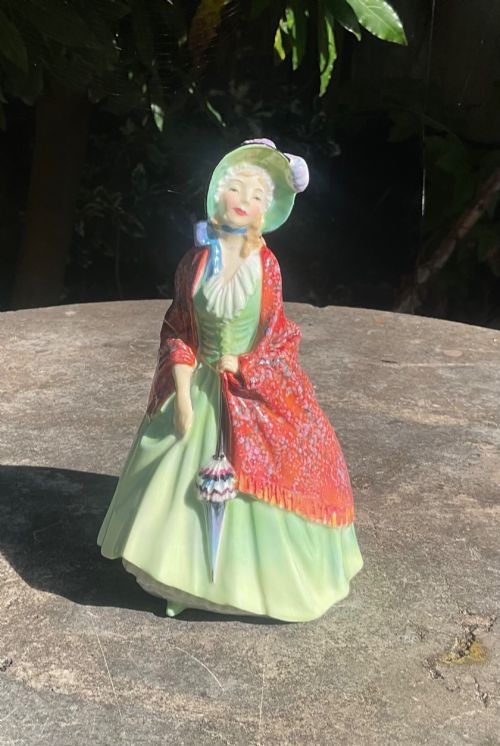
The selection on this page centres on decorative figurines and decorative busts spanning the late nineteenth century up to nineteen thirty. Subjects include literary characters, figures carrying baskets, and named studio studies.
Originating from British makers and European workshops, these works capture domestic taste across distinct historical periods. Buyers encounter both robust earthenware and refined porcelain within the available range.
How They Were Made
Craftsmen shaped these bodies using earthenware, porcelain, and terracotta, firing the clay to achieve a stable base for decoration. The surface treatment relies on ceramic glaze and enamel to add colour and protect the clay beneath.
Retail Price Guide 2026
Typical UK retail prices for glazed ceramic figurine, calculated from the Sellingantiques database of over a million retail prices indexed since 2003. This retail price guide relies exclusively on Sellingantiques data; no external sources or auction records are used, so the figures do not describe the wider market.
One figure famously brings the legend of Robin Hood directly to the nineteenth-century mantelpiece.
What Varies in Quality
The distinction between standard commercial pieces and superior works involves the subtlety of the modelling and the depth of the coloured glazes. Early Victorian earthenware often shows robust folk charm, whereas later porcelain pieces exhibit finer detail.
The Glazed Ceramic Figurine Glossary
- Earthenware
- A porous pottery body fired at lower temperatures, commonly found in nineteenth-century Staffordshire figures. It requires a glaze to become impermeable.
- Porcelain
- A fine, vitrified ceramic material fired at high temperatures, known for its smooth white body and delicate finish. It allows for crisper details in sculptural forms.
- Staffordshire figure
- A type of earthenware ceramic sculpture produced in the Potteries of Staffordshire. These figures traditionally depict historic, literary, or pastoral subjects.
- Terracotta
- Unglazed or glazed baked brownish-red clay used for sculptural modelling. The term translates from Italian as baked earth.
Frequently Asked Questions
What is a glazed ceramic figurine?
A glazed ceramic figurine is a small sculptural piece shaped from clay and finished with a protective vitreous coating. These objects depict people, characters, or busts for interior display.
They represent popular artistic styles from the Victorian era through to the Art Deco period. Materials range from robust earthenware to refined porcelain.
How do I date a ceramic figurine?
Dating relies on the style of the modelling, the type of ceramic body, and any marks found on the base. Victorian pieces often use heavy earthenware, while later twentieth-century works utilise porcelain.
Comparing the subject matter and painting technique to known period examples helps narrow down the decade of production. Examining the glaze characteristics also provides clues to the manufacturing era.
Where should I display my figurine?
These decorative objects suit placement on mantelpieces, bookshelves, or enclosed cabinets away from direct sunlight. Their colourful glazes catch the light well in traditional and eclectic interiors.
Ensure the surface is stable and secure to prevent accidental tipping. Keep them away from high-traffic areas where they might be knocked.