


Antique Flatback Figure
An antique flatback figure brings the characters, royalty and animals of the nineteenth century straight from the mantelpiece into your home.
Antique Flatback Figure
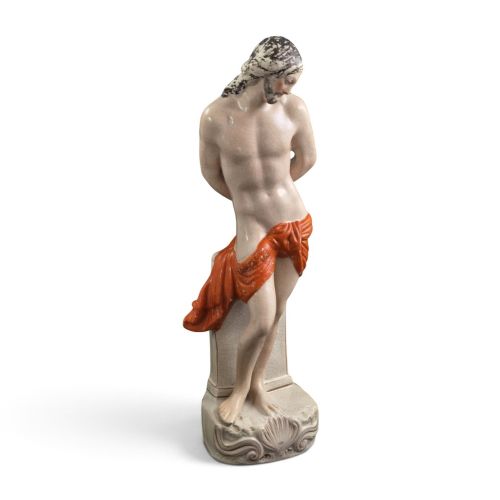
When you search for an antique flatback figure, you are looking at ceramic ornaments shaped to be displayed against a wall rather than viewed in the round. These pieces originate predominantly in the nineteenth century, capturing Victorian popular culture, political events, literary characters and pastoral scenes.
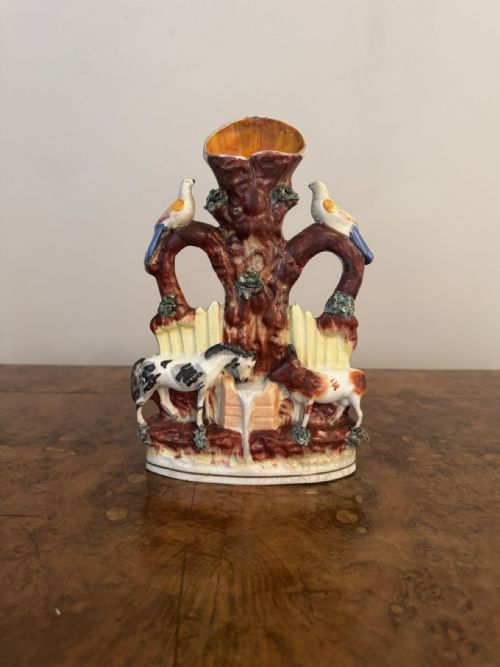
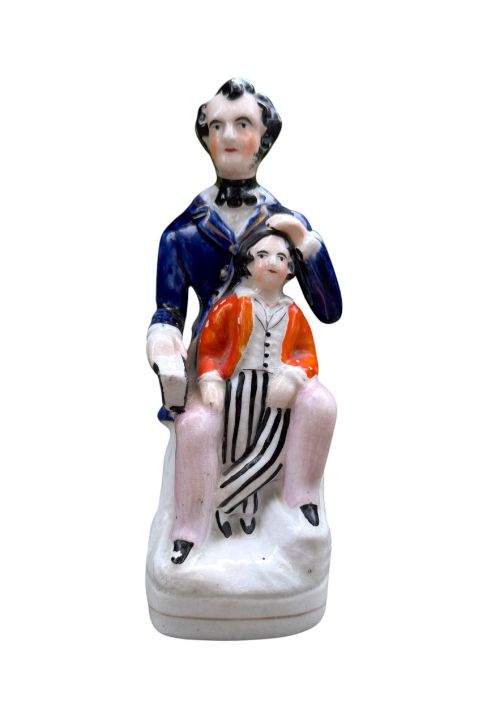
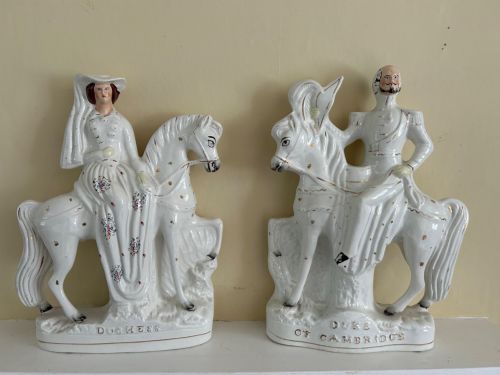
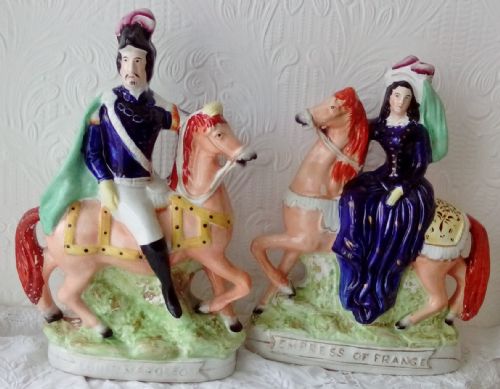
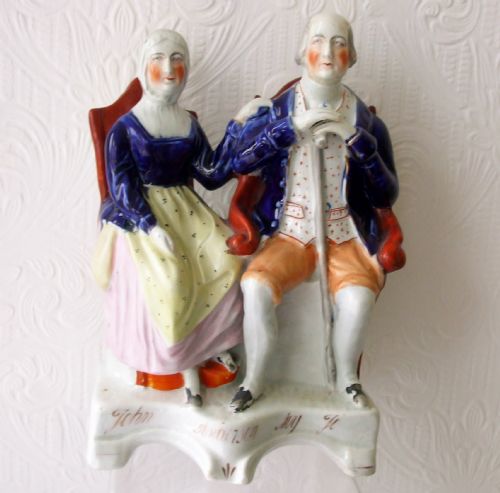
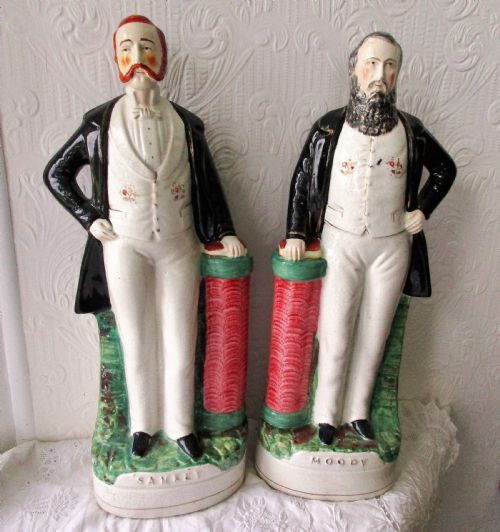
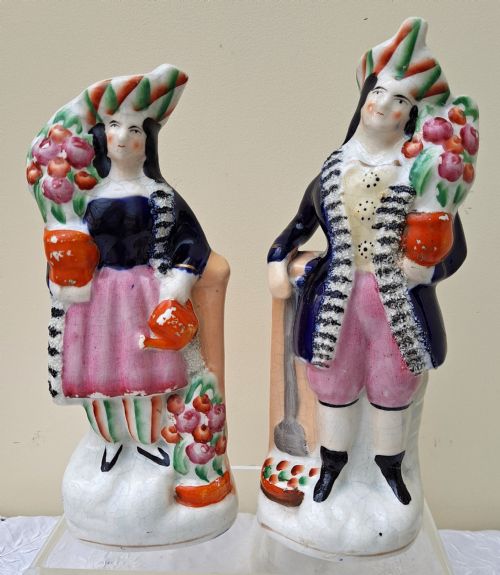
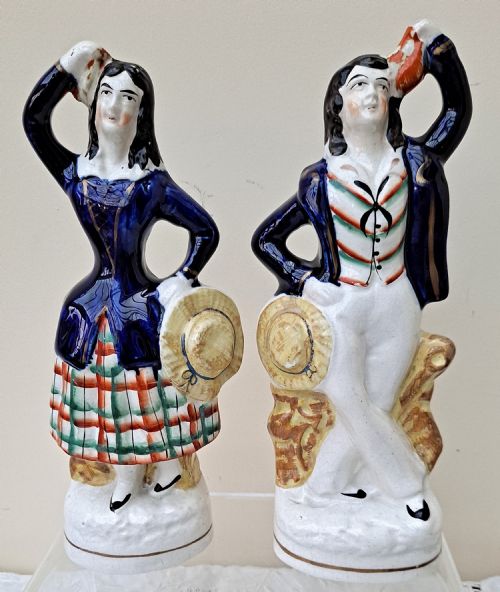
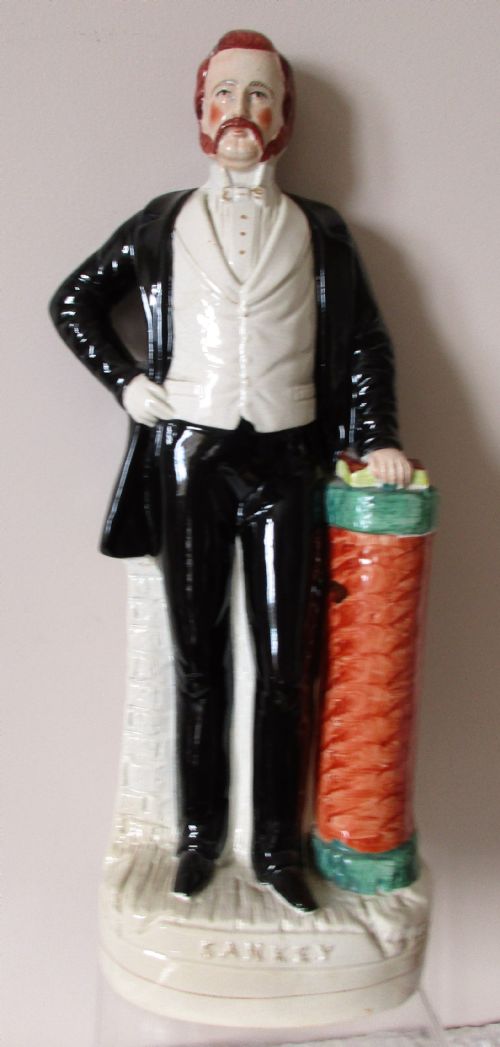
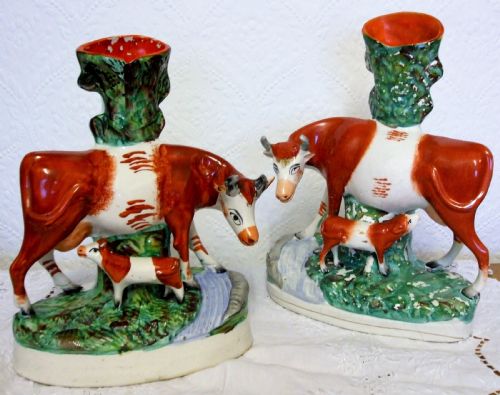
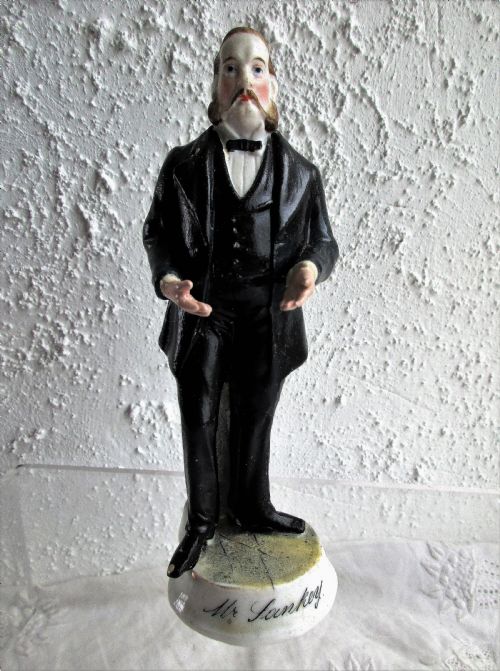
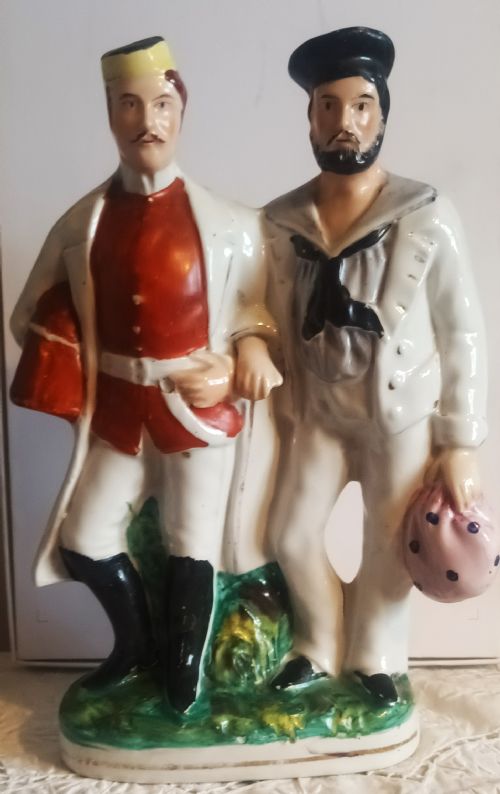
The most common form you will meet on this page is the Staffordshire earthenware pottery figure, often modelled as a portrait of a statesman, a royal wedding couple, soldiers from the Crimean War or characters such as Robin Hood and Highland Jessie. They range from single figures to pairs, theatrical groups, spill vases and models of castles or cottages.
Makers designed these ornaments specifically for the middle-class mantelpiece, meaning the backs are largely unglazed and flat since nobody would see the rear against a wall. They offer a vivid social history of the period through their depiction of contemporary heroes, criminals, preachers and domestic animals.
Materials and Method
Potters made these figures primarily from earthenware, shaping the clay using press moulds that produced the characteristic hollow, flat-backed form. Artisans then applied lead glaze to seal the ceramic body, providing a smooth and glossy finish that protected the painted details underneath.
Colour came from enamel paint applied over or under the glaze, bringing bright hues to the clothing, faces and decorative elements of the subjects. Many pieces also incorporate gilding, adding touches of gold leaf to highlights such as crowns, jewellery, lettering and clothing trim.
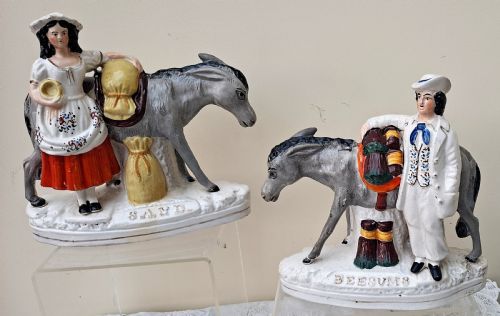
Zebras, cows, deers and horses share the mantelpiece with prime ministers, soldiers, murderers and royalty.
Assessing Quality
The better pieces often feature elaborate modelling with complex details, such as multi-figure groups, horses, architectural elements or spill vase openings that require greater technical skill from the potter. Firmer brushwork and richer cobalt blue or gilt accents separate the finer portrait pieces from simpler, mass-produced workshop output.
The Antique Flatback Figure Glossary
- Flatback
- A ceramic figure designed with a flat, unglazed rear so it could sit flush against a mantelpiece wall. This method saved materials and production time while focusing all visual detail on the front.
- Earthenware
- A porous pottery body fired at lower temperatures than stoneware or porcelain. It forms the standard ceramic base for the vast majority of nineteenth-century Staffordshire figures.
- Spill Vase
- A hollow cylindrical holder incorporated into the side or back of a figure designed to hold wooden spills for lighting candles or fires. These combine decorative portraiture with practical domestic utility.
- Lead Glaze
- A liquid glass coating containing lead oxide applied to earthenware before firing to create a glossy, waterproof surface. It enhances the brightness of the underlying ceramic body.
Antique Flatback Figure: Frequently Asked Questions
What are antique flatback figures?
These are moulded ceramic ornaments produced during the nineteenth century primarily in the Staffordshire potteries. They depict historical figures, royalty, literary characters and animals.
Because they were made to stand against a parlour wall, makers left the backs flat and largely unpainted. They served as affordable interior decorations for Victorian homes.
How were flatback figures displayed?
Victorian households typically placed these ornaments on mantelpieces, chiffoniers and sideboards in the main living rooms. They were arranged to face outward into the room, often in matched pairs flanking a clock or vase.
Some variations included integrated spill vases that sat on the fireplace mantel ready to hold wooden tapers for lighting fires and pipes.
How do you date a flatback figure?
Dating relies on identifying the historical event, military campaign, royal wedding or public figure depicted in the subject matter. Figures commemorating the Crimean War or specific monarchs point directly to mid-nineteenth-century production periods.
Stylistic indicators such as the depth of the moulding, the type of earthenware body and the brilliance of the enamel glazes also help narrow the decade of manufacture.
Are all flatback figures from Staffordshire?
The vast majority of nineteenth-century flatback figures originated from the ceramic factories and cottage potteries of North Staffordshire. This region dominated British earthenware production during the Victorian era.
While Staffordshire remains the primary source for these pieces, similar pottery traditions existed elsewhere, though most unmarked portrait figures and spill vases trace back to those Midlands kilns.