
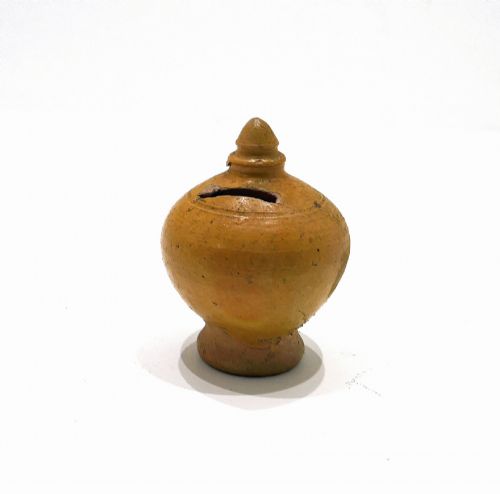


Victorian Folk Art Pottery
Victorian folk art pottery brings domestic personality to your shelves through unpretentious earthenware bowls, figures and teapots.
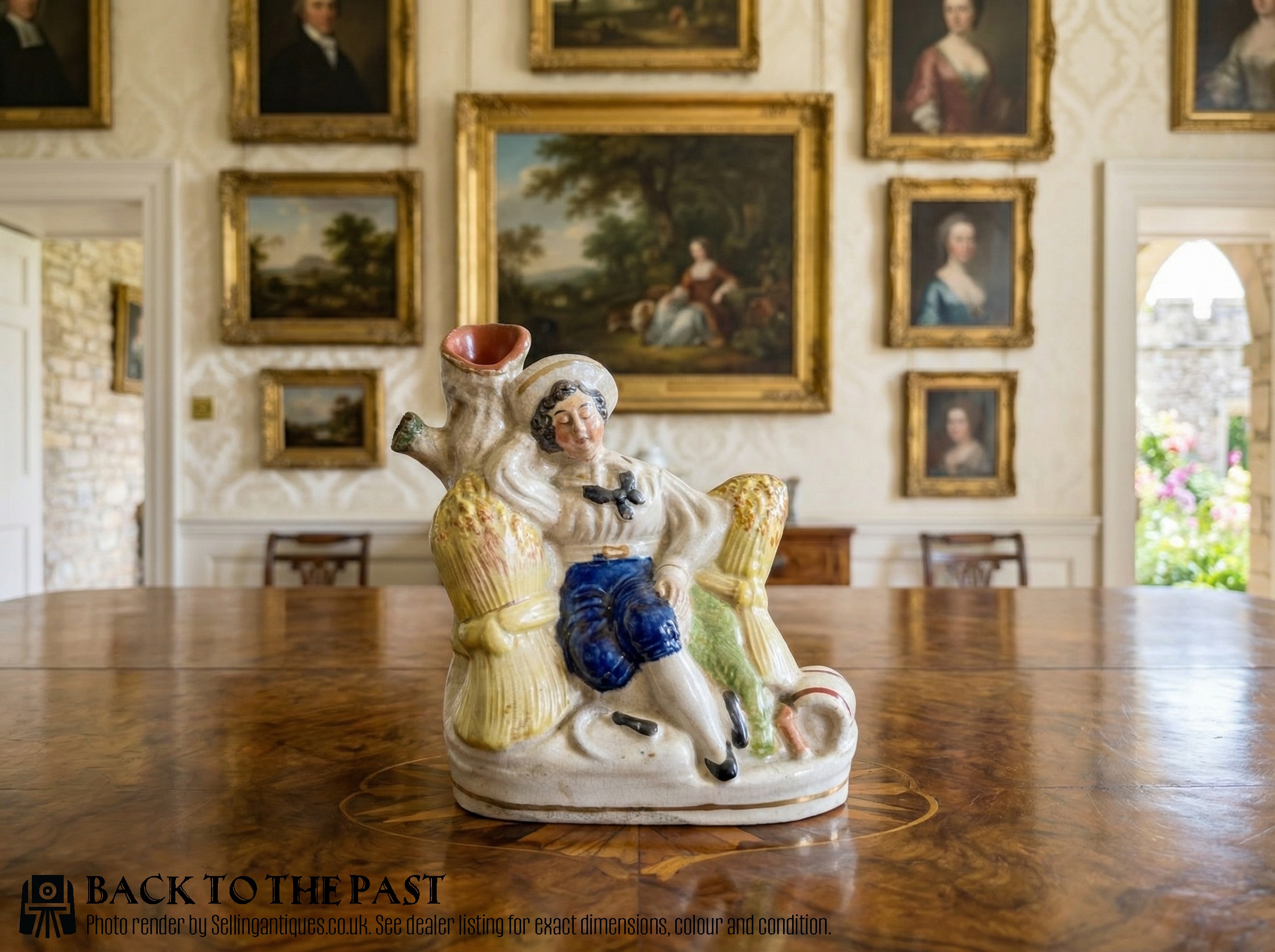
Victorian Folk Art Pottery
When you search for Victorian folk art pottery, you encounter a varied selection of nineteenth-century earthenware objects made for everyday use or simple display. These pieces range from Dorset money boxes and Scottish dairy bowls to Staffordshire portrait figures and heavily decorated bargeware teapots.
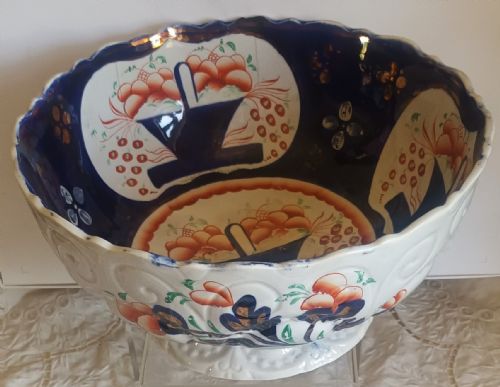
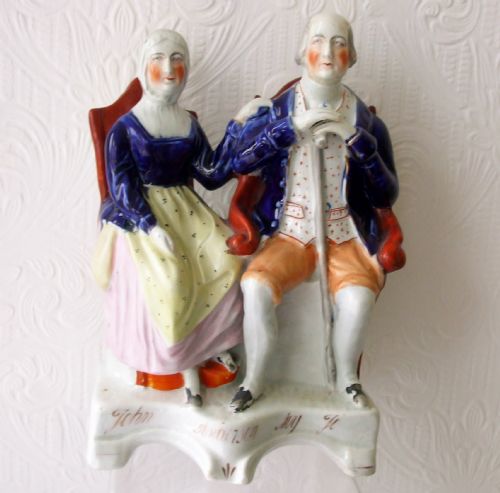
The objects on this page largely comprise nineteenth-century Staffordshire flatbacks, Scottish Portobello figures, and regional slipware vessels. You will also find Gaudy Welsh patterned jugs and Dutch figures, representing the broader reach of nineteenth-century ceramic vernacular.
Materials and Methods
Potters relied primarily on local earthenware bodies, shaping bowls, teapots and figures by hand or using simple moulds. These clay bodies provided an inexpensive and accessible medium for regional potteries across Britain and the continent.
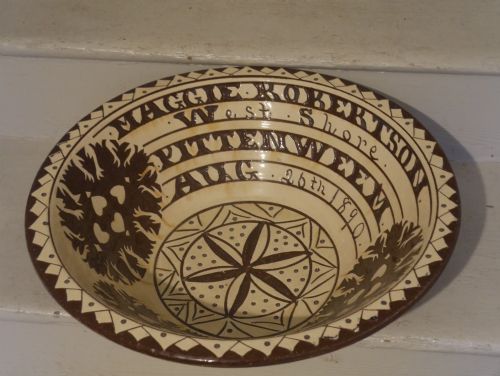
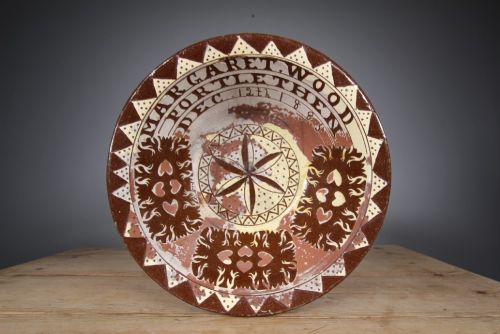
Many items, particularly bargeware and commemorative slipware, incorporated rich slip trailing and hand-painted inscriptions. This direct application of liquid clay created raised patterns that defined the regional character of the pottery.
Nineteenth-century bargeware teapots often arrived with so many applied clay flowers and leaves that pouring a cup required navigating a miniature garden.
Assessing Quality and Character
Quality in this category rests on the directness of the modelling and the boldness of the painted decoration. Stronger pieces show confident brushwork and spirited sculpting rather than mechanical precision.
Condition plays a significant role, as functional items like teapots and dairy bowls endured heavy kitchen use. The best-surviving examples retain their original enamel paint and lead glazes without excessive chipping or restoration.
The distinctiveness of regional traits elevates certain pieces above standard factory output. Verwood money boxes and Seaton dairy bowls demonstrate local traditions that carry more character than mass-produced equivalents.
Seaton Pottery·Verwood Pottery·Portobello·Rozenburg
The Victorian Folk Art Pottery Glossary
- Earthenware
- Porous pottery fired at relatively low temperatures. It requires a glaze to hold liquids and forms the base for the vast majority of nineteenth-century folk ceramics.
- Slip Glaze
- Liquid clay applied to the surface of pottery before firing to impart colour and a glossy finish. It creates a durable coating often seen on utilitarian kitchen vessels.
- Staffordshire Flatback
- A type of ceramic figure moulded with a decorated front and a flat, unpainted back intended for display on a mantelpiece against a wall.
- Bargeware
- Heavily decorated tin-glazed or earthenware pieces, typically teapots and jugs, associated with canal boat dwellers. They feature bright colours, applied floral motifs and often personal names.
- Copper Lustre
- A metallic glaze technique producing a coppery, iridescent sheen. It was frequently used to highlight rims and details on nineteenth-century earthenware.
Victorian Folk Art Pottery: Frequently Asked Questions
What is Victorian folk art pottery?
These items are nineteenth-century earthenware objects created for domestic use, mantelpiece display or local commemoration. They include slipware bowls, money boxes, teapots and narrative figures made by regional potteries.
Unlike fine porcelain, these pieces prioritise utility, bold decoration and narrative charm over technical perfection. They offer a direct window into nineteenth-century domestic life and regional craft traditions.
How were bargeware teapots used?
Bargeware teapots served as both functional vessels and decorative centerpieces on nineteenth-century canal barges. Their generous proportions and ornate applied flowers reflected the pride of boat families.
While some saw actual use for brewing tea in cramped cabins, many remained on display to showcase the owner's taste and the skill of the potter.
How do I identify Staffordshire flatbacks?
Staffordshire flatbacks are easily recognised by their distinctive construction, featuring a fully modelled and painted front designed for display against a wall. The backs are typically flat and left unglazed or sparsely painted.
Common subjects include historical figures, literary characters like Robin Hood, and domestic animals, modelled in a naive style that suits nineteenth-century interiors.
Are these pieces dishwasher safe?
These historical earthenware items are fragile antiques featuring nineteenth-century lead glazes and enamel paints that cannot withstand modern dishwashers. Cleaning should be restricted to gentle hand washing with warm water when strictly necessary.
Harsh detergents and scrubbing will damage the fragile glazes and cause the hand-painted enamel details to flake off over time.