

Nineteenth Century Ceramics
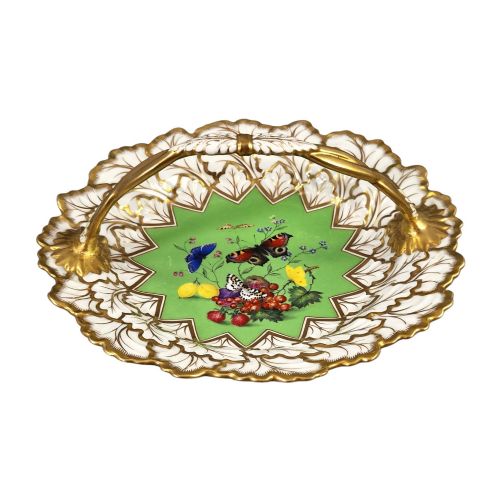
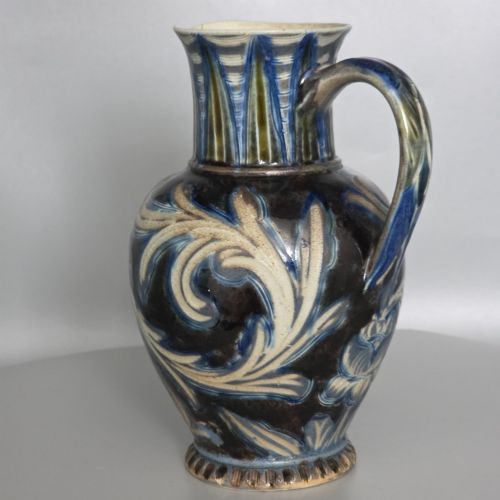
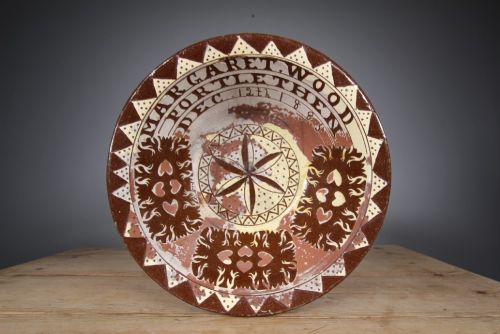
Nineteenth century ceramics bring together earthenware, porcelain and ironstone shaped into everything from decorative plates and vases to jugs and figurines.
Nineteenth Century Ceramics
Nineteenth century ceramics comprise a diverse range of utilitarian and ornamental wares produced across Britain, Europe and Asia during the 19th century. When exploring nineteenth century ceramics, buyers encounter domestic tablewares, decorative figures, jardinières and large display pieces spanning Georgian, Regency and Victorian periods.
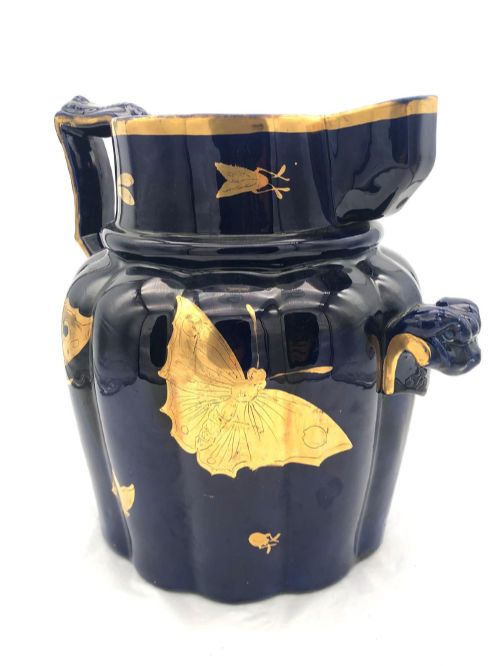
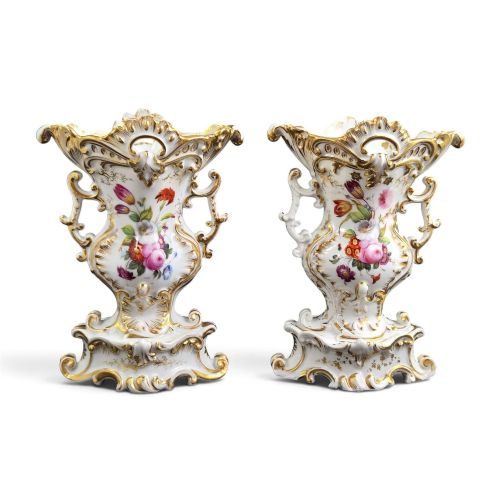
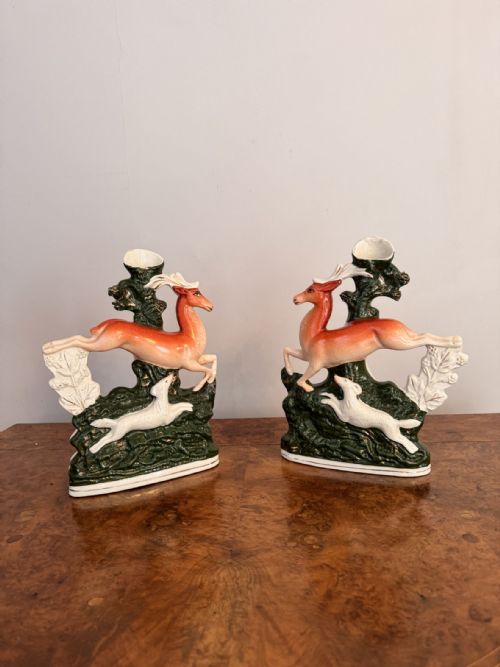
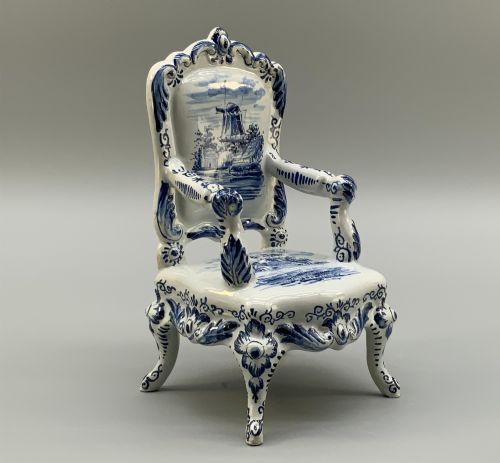
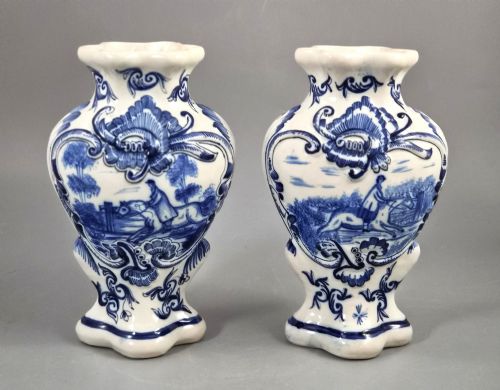
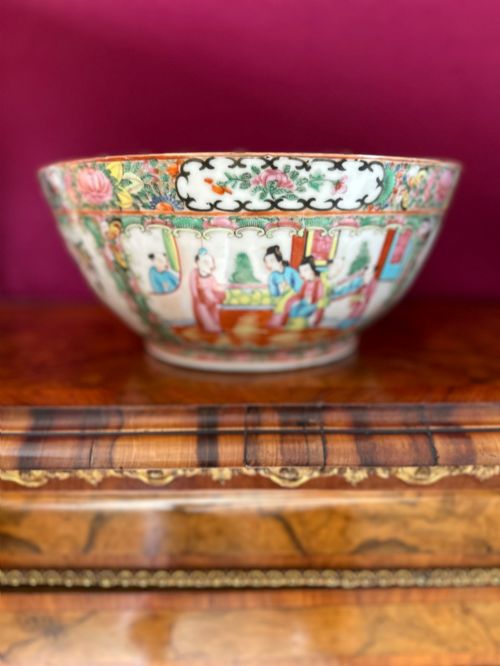
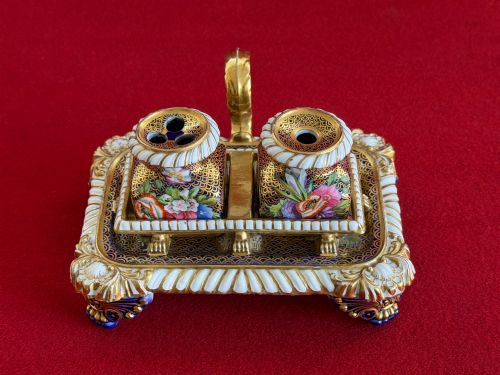
The domestic forms include transfer-printed plates, ironstone jugs, porcelain inkstands and footbaths. Ornamental works take the form of Staffordshire figures, Dutch Delft animals, French faience boxes and Japanese Imari dishes.
Most entries belong to the broader Victorian and late Georgian eras, showcasing styles from Rococo Revival and Renaissance Revival to traditional blue and white transfer printing.
How they were made
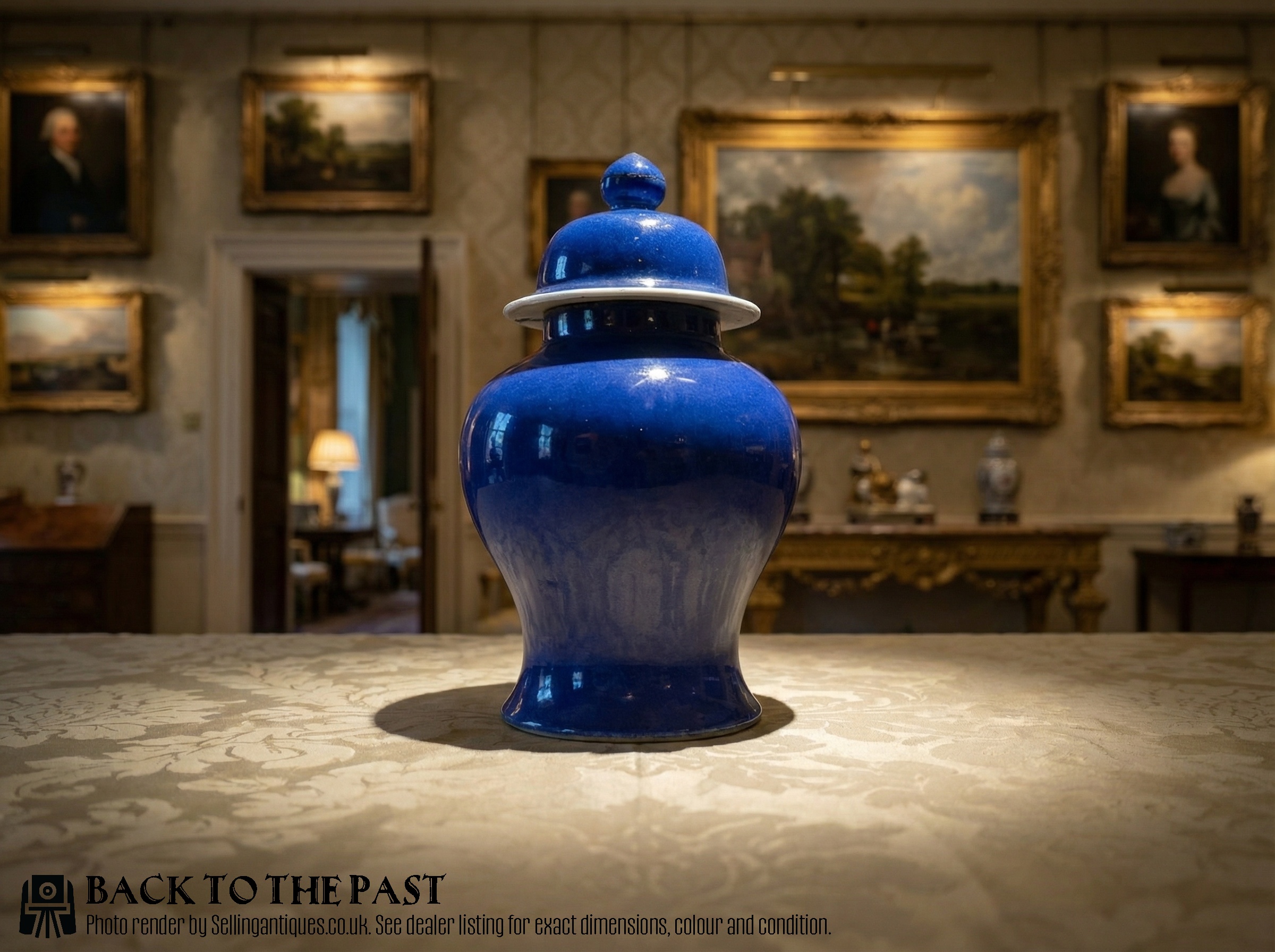
Potters utilised earthenware, porcelain, ironstone and pearlware pastes, shaping them by hand, wheel or mould before applying glazes. Decoration relied heavily on underglaze blue painting, intricate enamel colours and gold leaf accents.
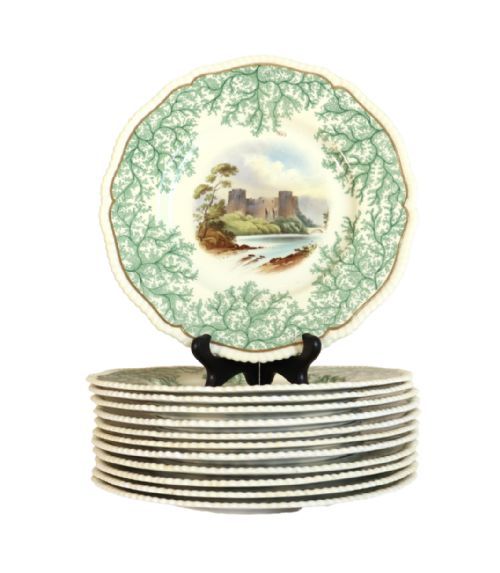
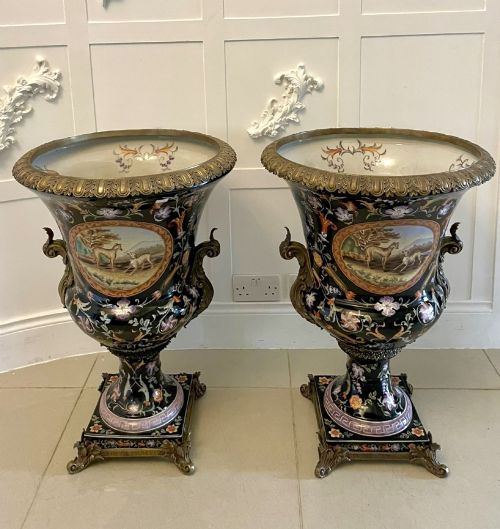
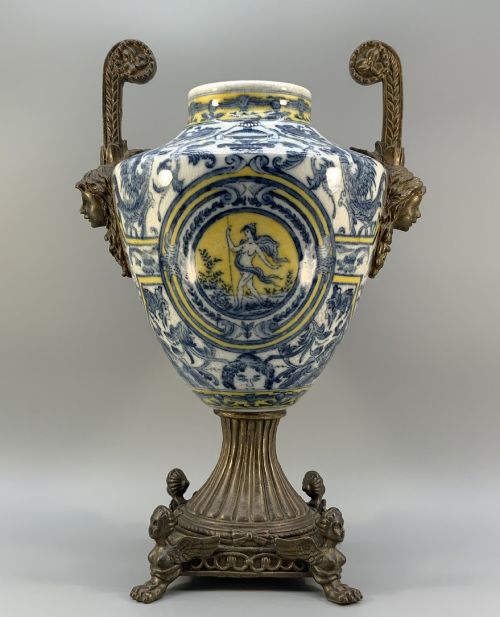
Many items incorporate transfer printing techniques to apply complex topographical or landscape scenes onto plates and jugs. Certain vessels add functional weight through dense ironstone bodies or feature bronze mounts and brass hardware fitted to porcelain bodies.
Nineteenth Century Ceramics Retail Price Guide 2026
Typical asking prices for nineteenth century ceramics among the pieces listed under this phrase on Sellingantiques today, from the lower quarter to the upper quarter. They describe what is for sale here now, not the wider market.
The selection includes functional tablewares alongside decorative jardinières, figurines and spill vases.
What varies in quality
Quality rests in the crispness of the moulded details, the precision of the hand-painted or transfer-printed decoration and the clarity of the underlying glaze. Fine factory output shows careful control during high-temperature firing, avoiding warping in large forms like jardinières or footbaths.
The prestige of the maker and the presence of factory stamps, incised initials or documented provenances elevate specific examples. Finer ornamental pieces combine skilled ceramic modelling with high-grade metal mounts or meticulous enamel work.
Spode·Flight and Barr·Jacob Petit·Doulton Lambeth·Royal Bonn·Masons Ironstone·Swansea·Volkstedt Rudolstadt Factory·Minton·John Davenport of Longport·Stubbs
The Nineteenth Century Ceramics Glossary
- Ironstone
- A dense, durable type of earthenware patented in the early nineteenth century to imitate Chinese porcelain. It resists chipping and took transfer printing exceptionally well.
- Pearlware
- A refined earthenware developed by Josiah Wedgwood featuring a bluish glaze that pooled in recesses to mimic Chinese export porcelain. It dominated early nineteenth century tablewares.
- Transfer printing
- A method of applying detailed designs to ceramic ware by engraving a copper plate, pulling the image on tissue paper, and pressing it onto the biscuit surface before glazing.
- Faience
- European tin-glazed earthenware, often associated with French factories producing decorative vases, boxes and chargers with blue and white or polychrome motifs.
- Spill vase
- A narrow tubular vessel designed to hold taper spills used for lighting candles and pipes, frequently modelled as animals or figures in Staffordshire pottery.
Nineteenth Century Ceramics: Frequently Asked Questions
What is ironstone?
Ironstone is a heavy, durable ceramic body developed to provide an affordable and sturdy alternative to imported porcelain. It became exceptionally popular for large jugs, basins and dinner services.
Factories used ironstone because it accepted intricate transfer-printed patterns and resisted everyday kitchen wear much better than softer earthenwares.
How do I identify Staffordshire figures?
Staffordshire figures are earthenware sculptural pieces, often depicting animals, theatrical characters or historical personalities. They typically feature hand-painted enamel colours over moulded bodies.
Most lack explicit factory marks, so identification relies on style, modelling characteristics, glaze types and subject matter popular during the Victorian era.
What is transfer printing?
Transfer printing is a decoration technique where an engraved copper plate transfers a printed design onto tissue paper, which is then pressed onto the unglazed ceramic. This allowed factories to produce complex landscape scenes and border patterns consistently.
The process revolutionised ceramic production by speeding up decoration and making detailed pictorial tableware widely accessible.
Where were Dutch Delft items made?
Dutch Delft pieces are tin-glazed earthenwares produced in the Netherlands, primarily known for blue and white colour schemes inspired by Chinese porcelain imports. Nineteenth century examples include decorative animals and miniature furnishings.
They reflect a long-standing European tradition of emulating East Asian ceramic aesthetics using local potting techniques.