

Antique Staffordshire Pair
An antique staffordshire pair brings cheerful symmetry to a mantelpiece, offering the colourful charm of nineteenth-century earthenware figures made to face each other.
The Nature of the Pairs
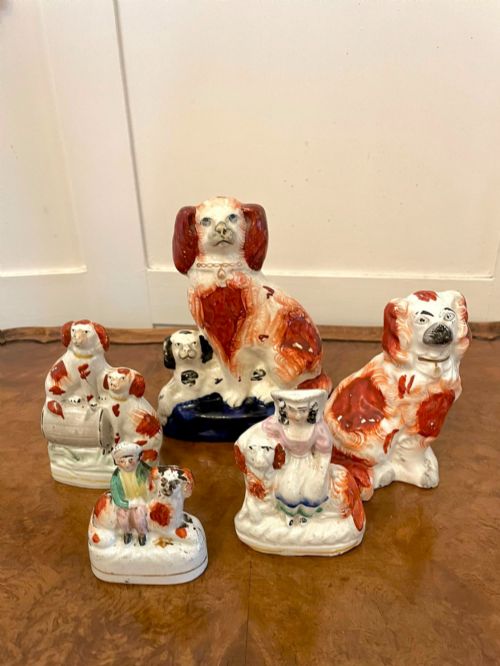
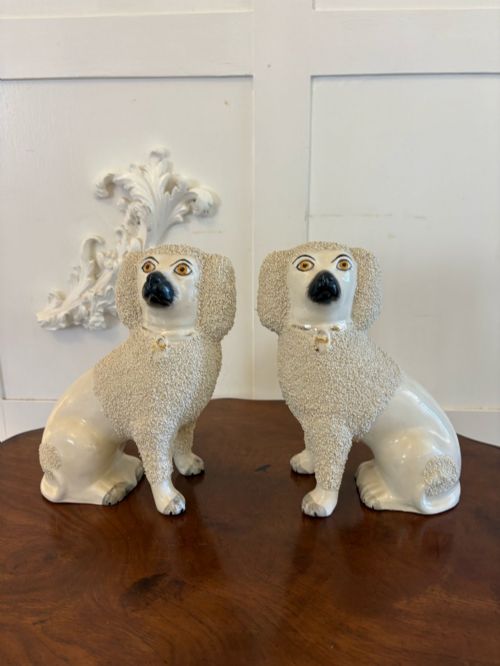
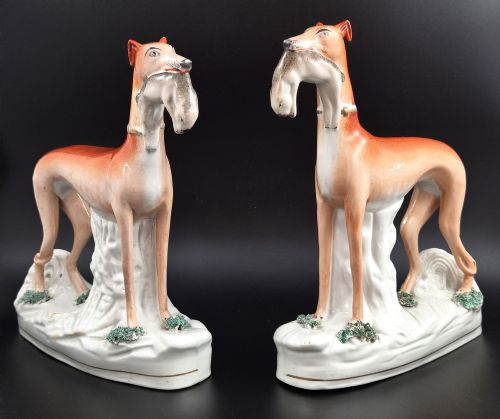
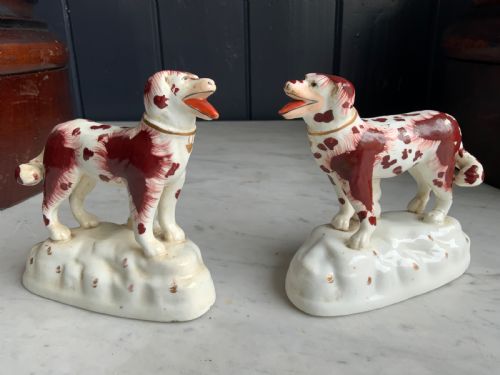
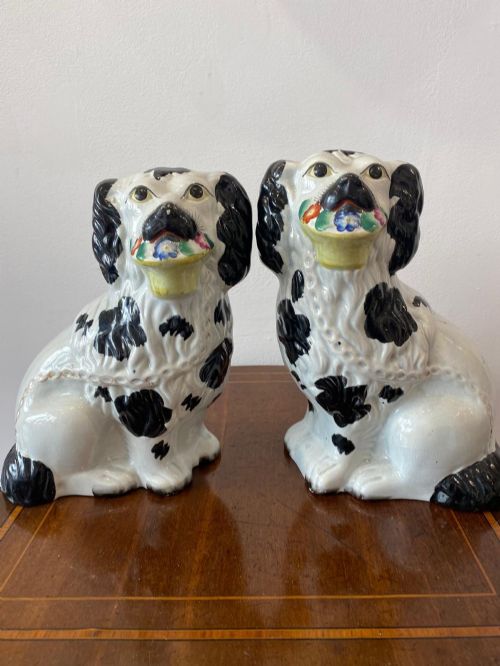
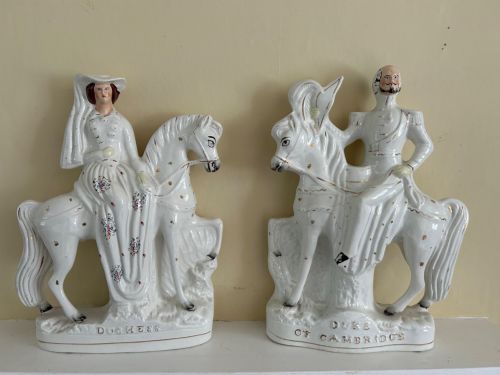
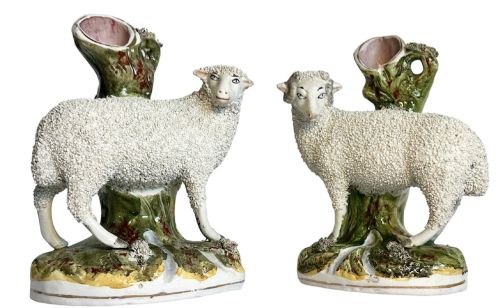
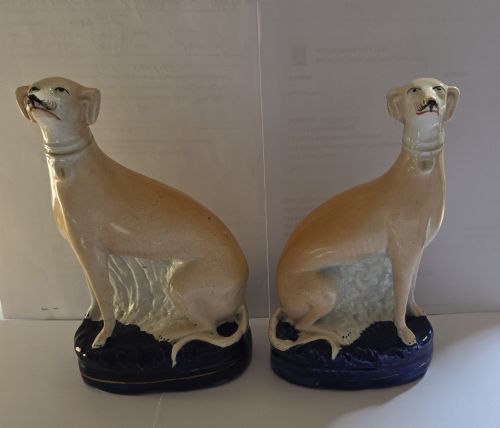
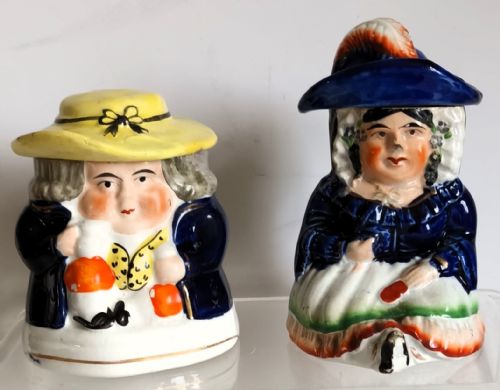
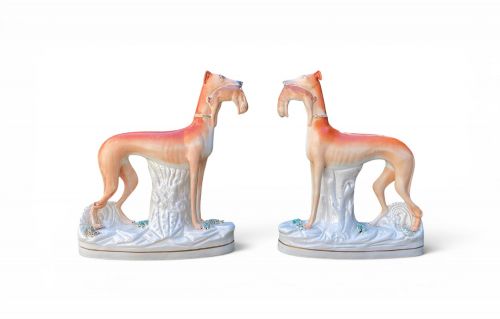
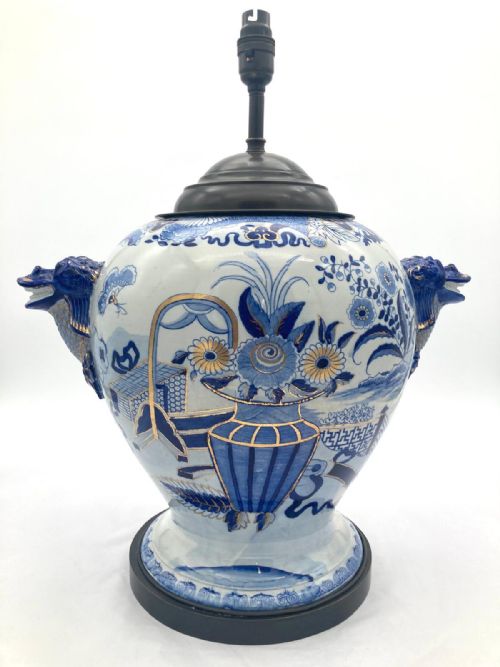
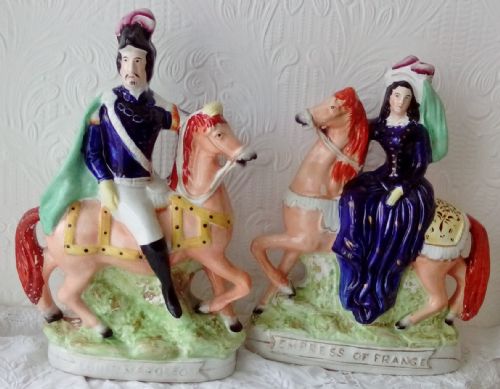
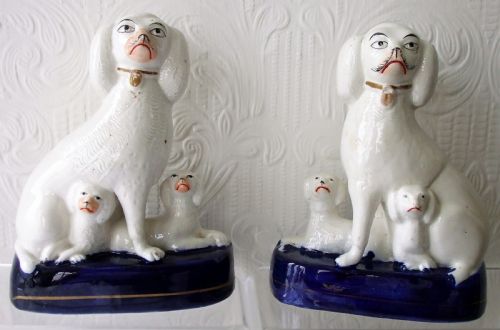
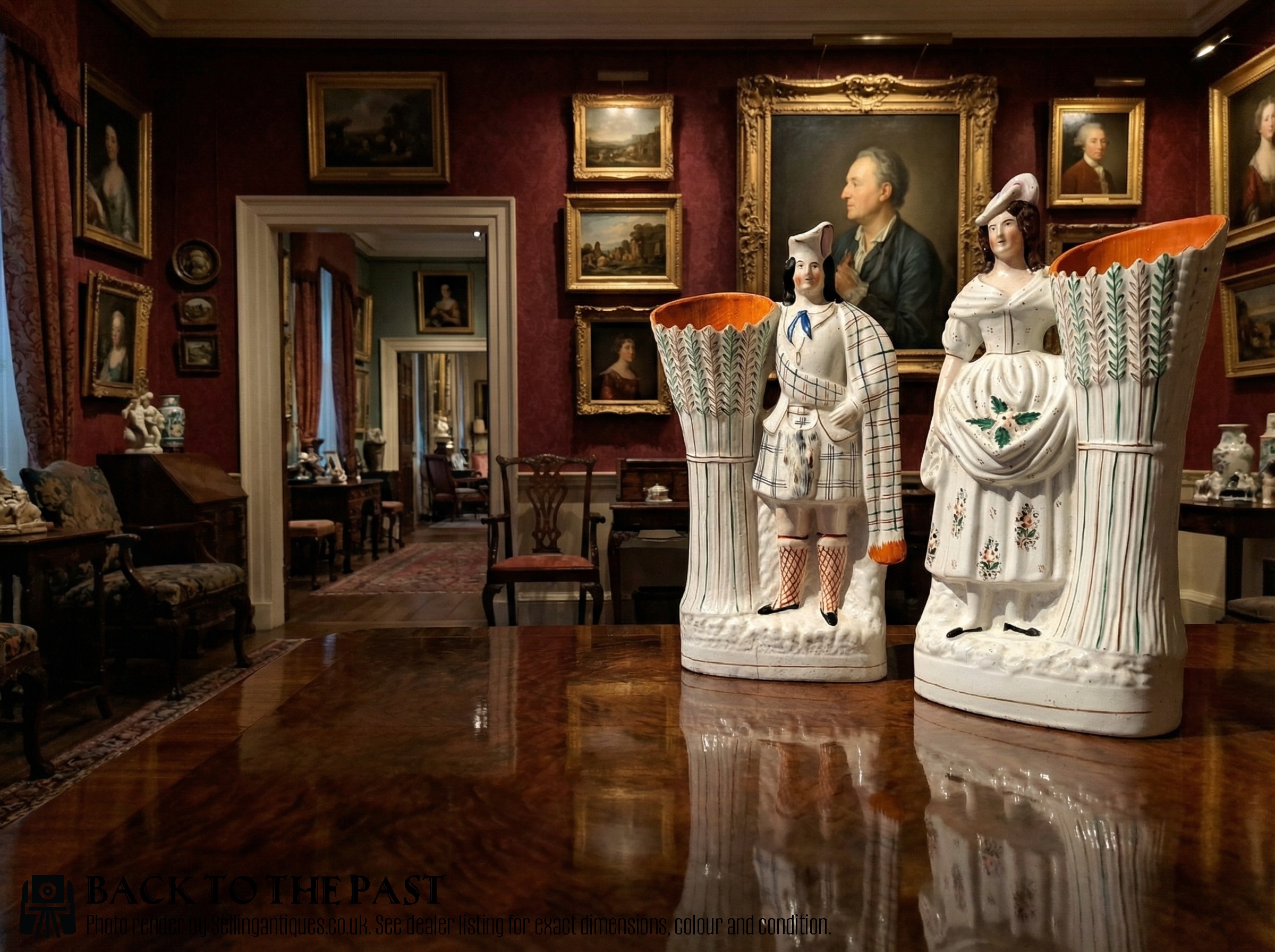
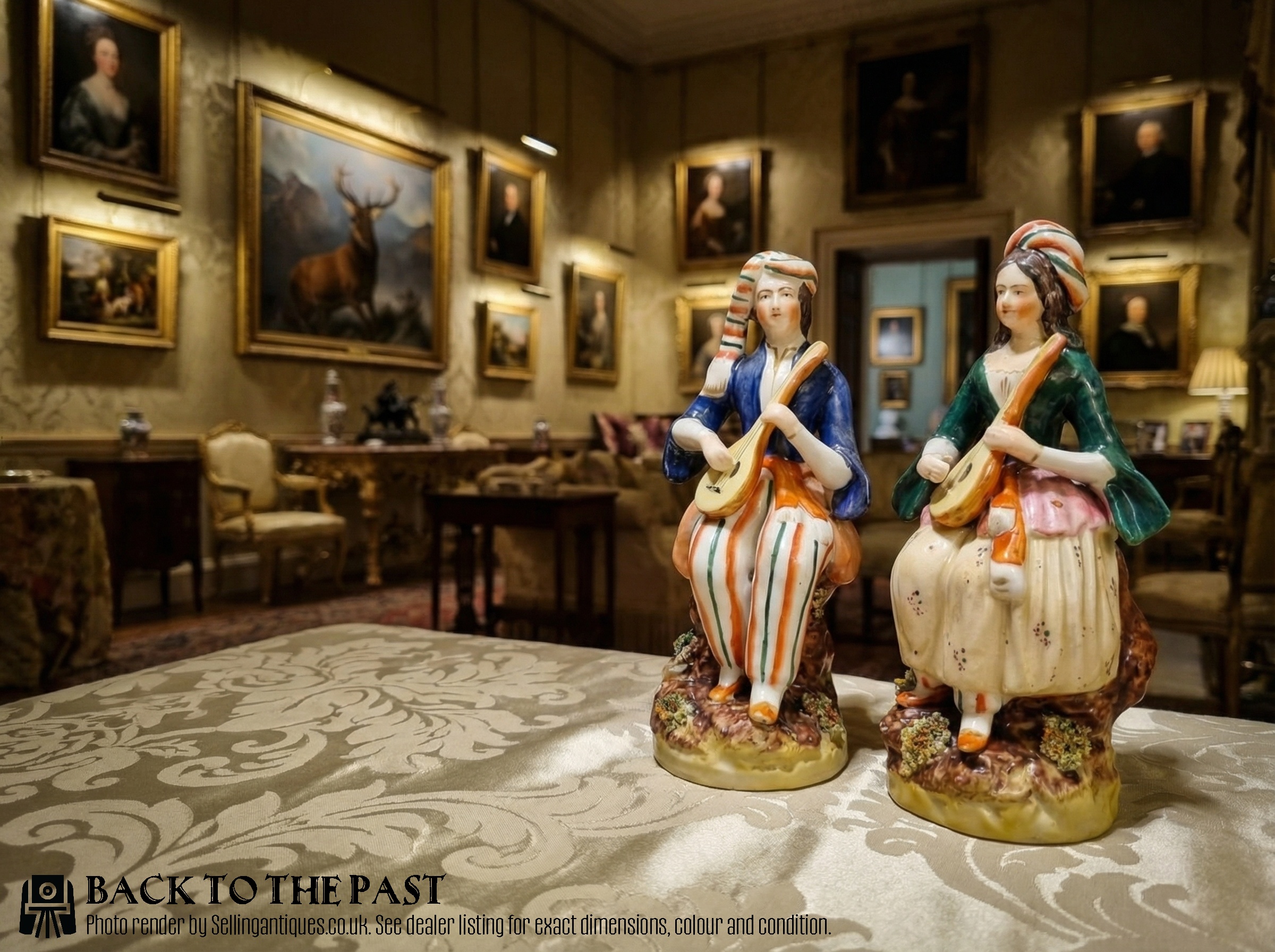
An antique staffordshire pair consists of matched earthenware figures designed for symmetrical display across a fireplace or shelf. The selection spans domestic animals such as spaniels, poodles, greyhounds, Dalmatians, sheep, and dogs, alongside human subjects like literary characters, theatrical figures, Scots harvesters, and seated Turks.
Most examples originate from the nineteenth century, encompassing Georgian, Victorian, and Victorian Orientalism styles. Buyers regularly encounter spaniels, poodles, and greyhounds alongside portrait figures and narrative subjects like Antony and Cleopatra.
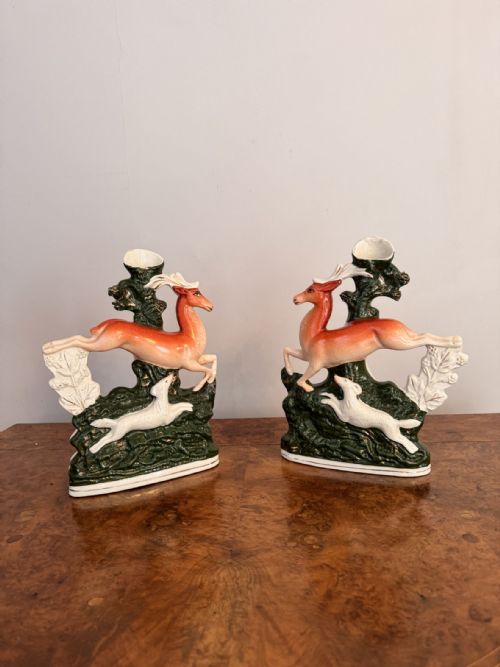
Forms range from simple decorative figurines and flatback figures on horseback to functional spill vases, inkwells, and candle holders. Animals frequently appear as seated pairs, while human subjects often depict specific named characters.
Assessing the Range
Scale and complexity also divide the output, ranging from miniature models to large figures, and from simple seated dogs to elaborate pairs acting as spill vases or inkwells.
Retail Price Guide 2026
Typical UK retail prices for staffordshire pair, calculated from the Sellingantiques database of over a million retail prices indexed since 2003. This retail price guide relies exclusively on Sellingantiques data; no external sources or auction records are used, so the figures do not describe the wider market.
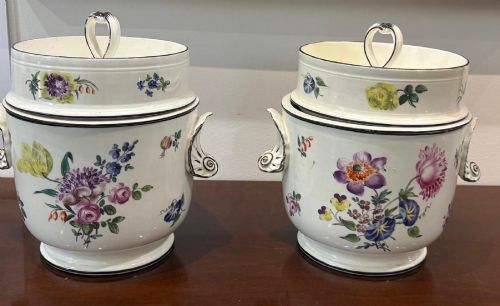
Listings demonstrate that nineteenth-century Staffordshire production spans earthenware, pearlware, and pottery, taking the form of figures, spill vases, inkwells, and candle holders.
The Antique Staffordshire Pair Glossary
- Flatback
- A figure moulded with a flat, unglazed or minimally finished back designed to stand against a wall. This construction saved clay and reduced weight for mantelpiece display.
- Pearlware
- A refined earthenware body developed in the late eighteenth century featuring a subtle bluish glaze that pooled in recesses. It provided a paler, whiter ground than standard creamware.
- Spill Vase
- A hollow-backed figure incorporating an attached cylindrical holder designed to contain wooden tapers for lighting pipes or candles. These combined practical utility with domestic ornament.
- Enamel
- Coloured metallic oxide paints applied over the fired glaze and fixed in a second, lower-temperature kiln. They provided the bright reds, blacks, and golds characteristic of these ceramics.
Frequently Asked Questions
How were staffordshire pairs displayed?
These figures were traditionally placed symmetrically on either side of a mantelpiece or sideboard, facing inward toward one another.
Larger pairs often anchored the ends of a shelf, while smaller examples and spill vases stood among other nineteenth-century ornaments.
What subjects appear most often?
Spaniels, poodles, and greyhounds dominate the animal subjects, frequently accompanied by Dalmatians, sheep, and pugs.
Human figures depict theatrical characters, literary subjects, historical portraits, and regional types such as Scots harvesters or seated Turks.
Are all flatback figures Victorian?
While the majority of these earthenware figures date to the nineteenth century, the styles bridge Georgian and Victorian periods.
Production methods remained consistent across decades, making detailed stylistic cues essential for dating individual pieces.
What is the difference between a figure and a spill vase?
Standard figurines are solid or hollow-backed sculptural ornaments designed purely for visual display.
Spill vases incorporate an integrated cylindrical tube behind or beside the figure to hold wooden matches.