



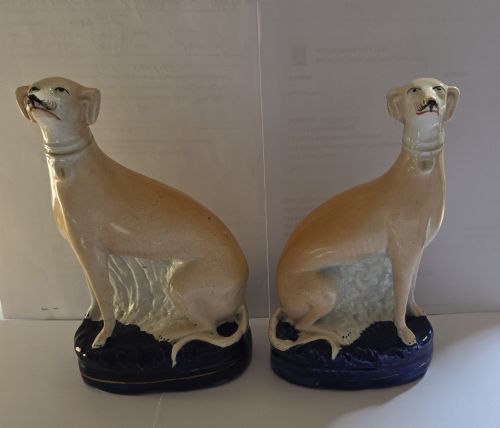
Antique Pottery Ornaments
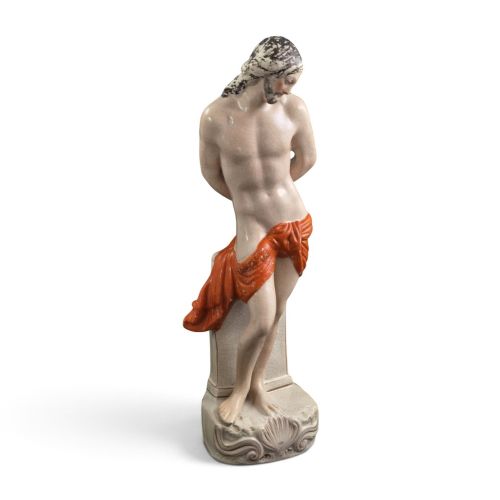
When you search for antique pottery ornaments, you are looking for British figures and figurines that bring Victorian and Art Deco character to a room.
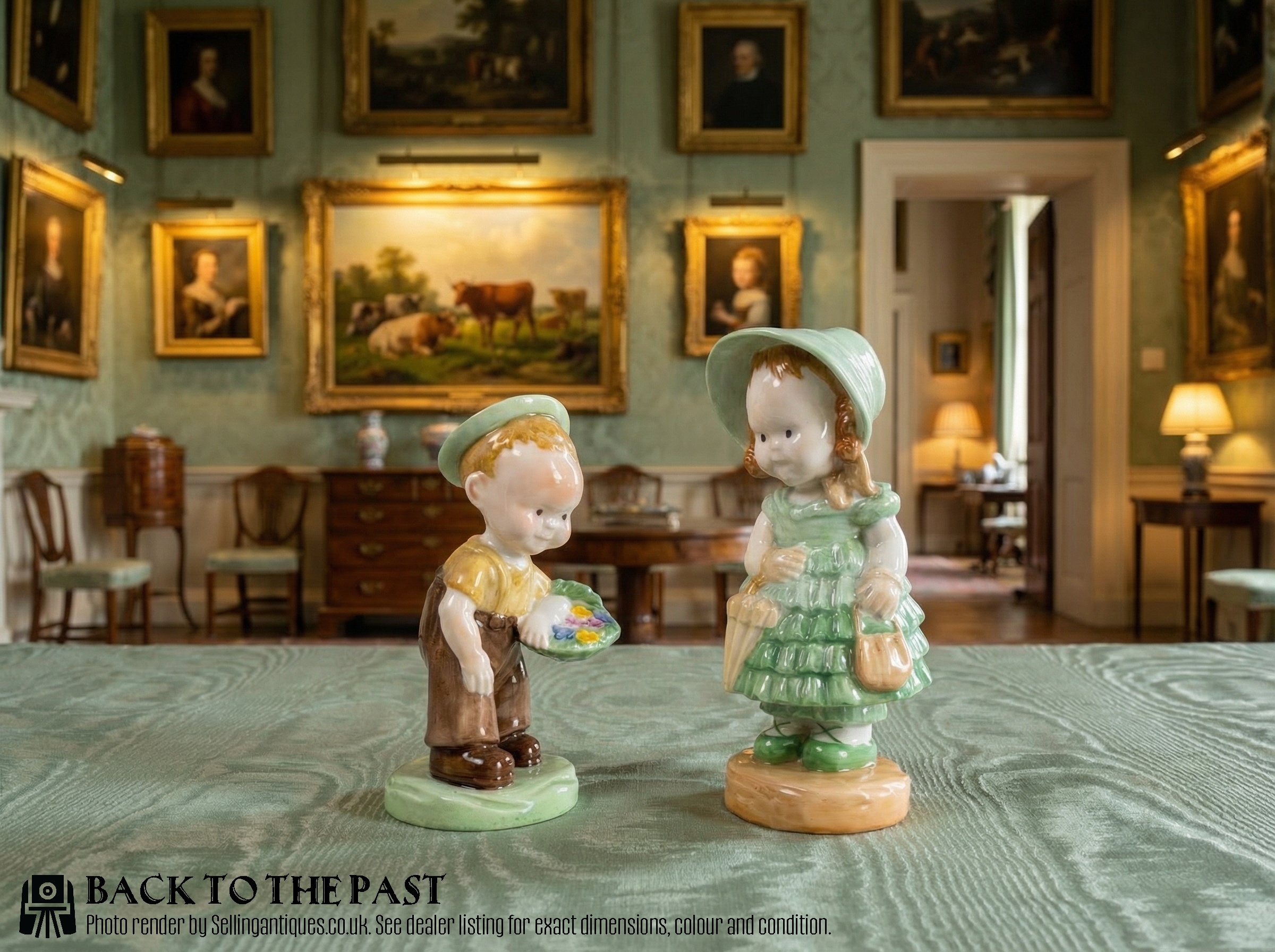
What antique pottery ornaments are
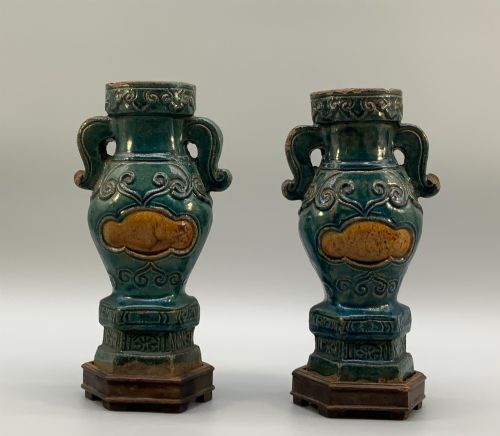
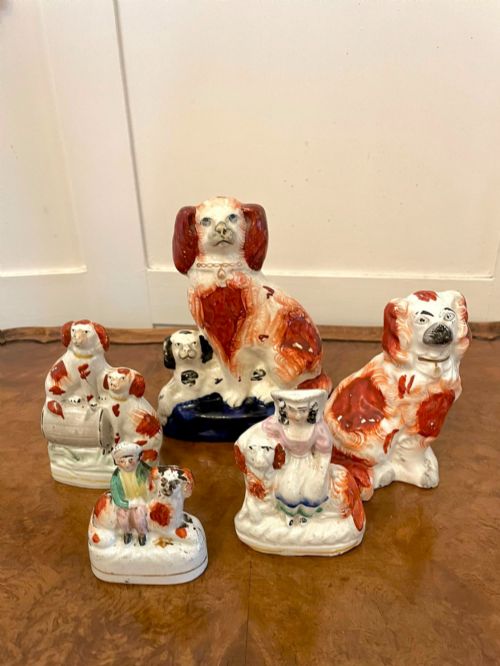
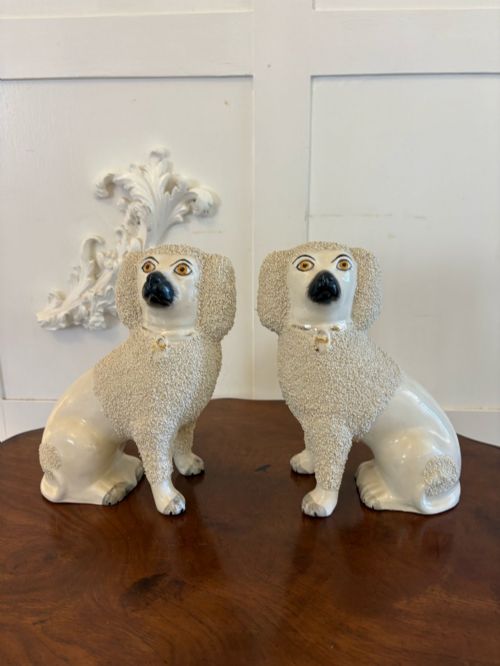
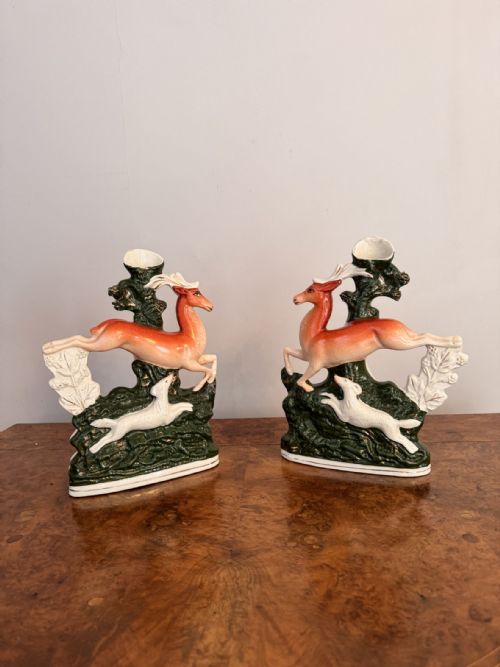
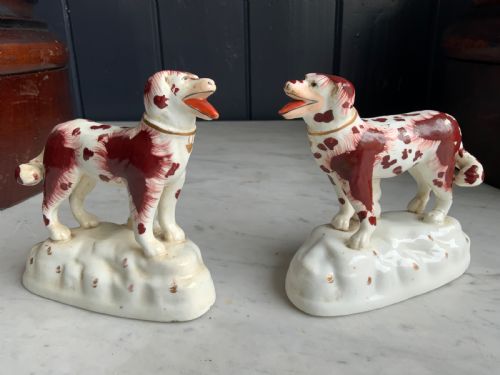
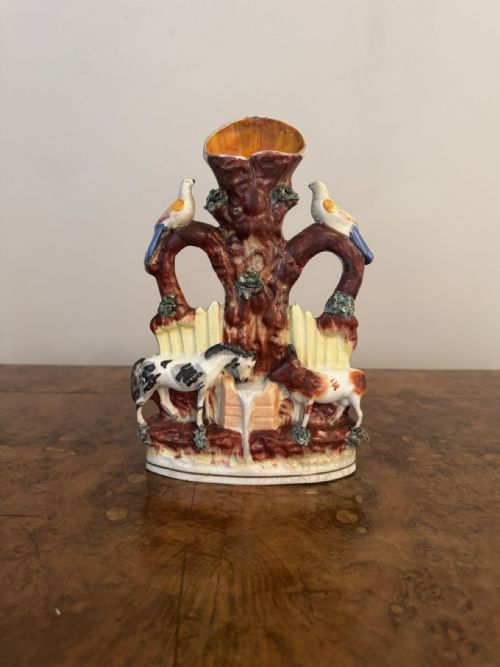
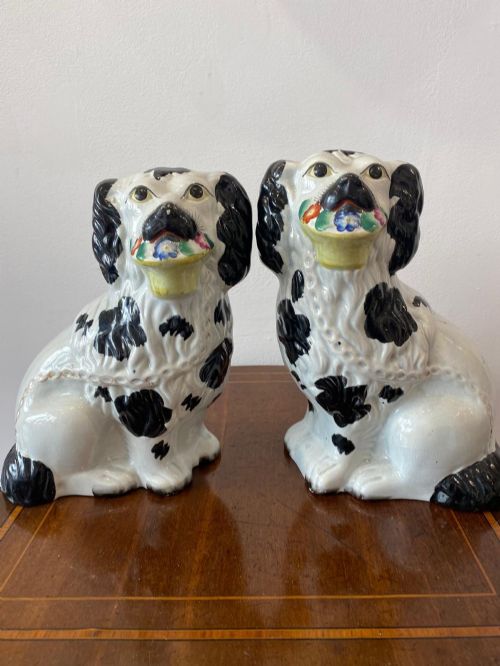
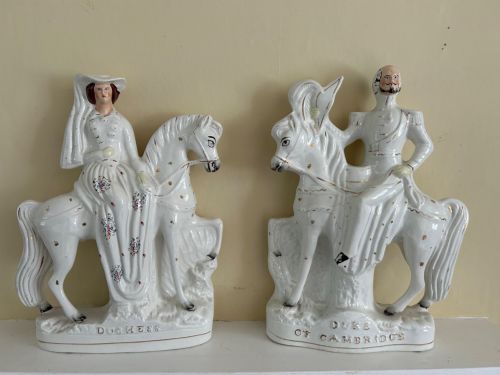
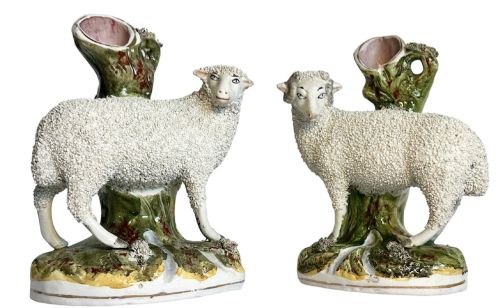
The antique pottery ornaments on this page comprise English Victorian and Art Deco pieces, with Staffordshire figures appearing most frequently. These span decorative figurines, miniature sets, and paired subjects.
Makers and subjects range from literary and theatrical pairs like Ben Backstay to Mabel Lucie Attwell designs in porcelain. Buyers encounter pieces from the nineteenth century through the nineteen-thirties.
How they were made
These items utilise earthenware and porcelain as primary bodies, shaped into figures and miniature forms. Artisans applied coloured enamel and glaze finishes to define details on the pottery surfaces.
Retail Price Guide 2026
Typical UK retail prices for pottery ornaments, calculated from the Sellingantiques database of over a million retail prices indexed since 2003. This retail price guide relies exclusively on Sellingantiques data; no external sources or auction records are used, so the figures do not describe the wider market.
Keep an eye out for miniature figures measuring tiny in scale, proving that Victorians loved their ornaments in every possible size.
What varies in quality
The Antique Pottery Ornaments Glossary
- Earthenware
- A porous pottery body fired at lower temperatures, commonly used for Victorian Staffordshire figures. It requires a glaze to become impermeable to liquids.
- Enamel
- Opaque glass fused to pottery surfaces through firing, used to add bright surface colours to figures. It sits on top of the glaze rather than sinking into the body.
- Figurines
- Small modelled sculptural forms representing human or animal subjects. In these listings, they appear as decorative mantel ornaments.
- Porcelain
- A fine, vitrified ceramic material fired at high temperatures, producing a white and translucent body. It appears in twentieth-century works such as those by Shelley.
Frequently Asked Questions
What are antique pottery ornaments?
They are decorative ceramic figures and sculptural groups produced in Britain during the nineteenth and early twentieth centuries. Common forms include Victorian Staffordshire pairs and porcelain figures from the nineteen-thirties.
Collectors prize them for their illustrative charm and the social history embedded in their subjects.
How were Staffordshire figures used?
Victorians placed these pottery figures on mantelpieces, chiffoniers, and window sills to display moral tales, literary characters, or theatrical scenes.
They served as inexpensive household decorations for the growing middle classes during the nineteenth century.
How do I date Victorian pottery?
Dating relies on stylistic clues, the type of ceramic body, and manufacturing techniques like glaze application and moulding style. Nineteenth-century pieces typically utilise heavy earthenware with hand-painted or transferred enamel details.
Comparing known maker marks and historical subjects helps narrow down the decade of production.
Are these figures sold in pairs?
Many nineteenth-century Staffordshire ornaments were produced as symmetrical pairs to adorn opposite ends of a mantelpiece. Subjects often feature complementary characters or companion figures.
Single figures and miniature sets also appear alongside these traditional pairs.