


Vintage Porcelain Figures
Vintage porcelain figures bring character and history into a room through delicate modelling and painted detail.
Vintage Porcelain Figures
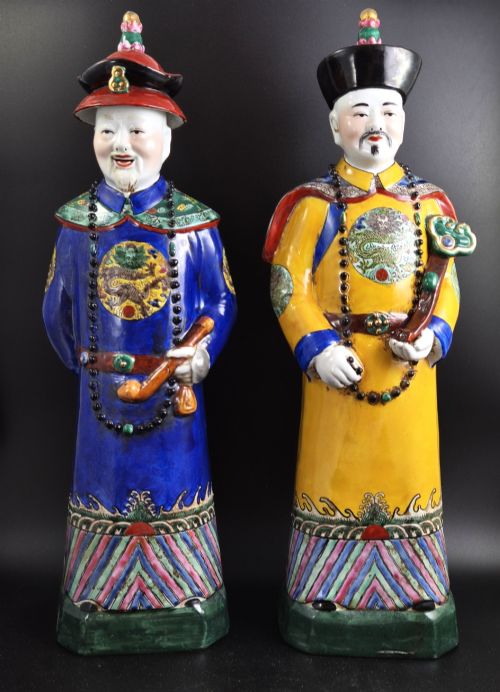
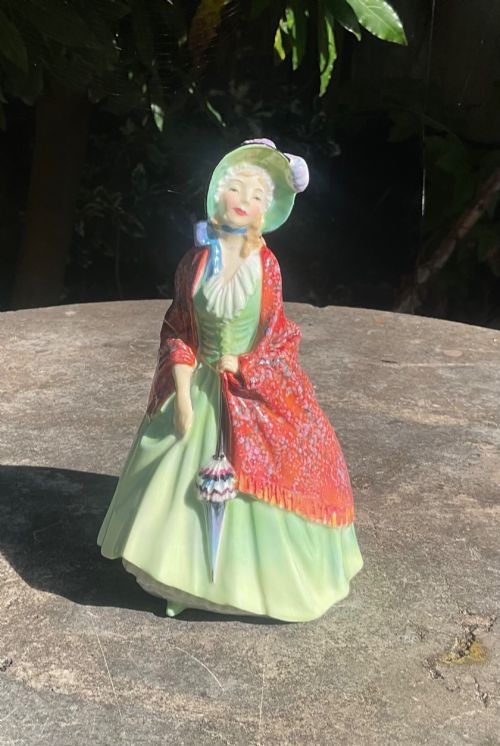
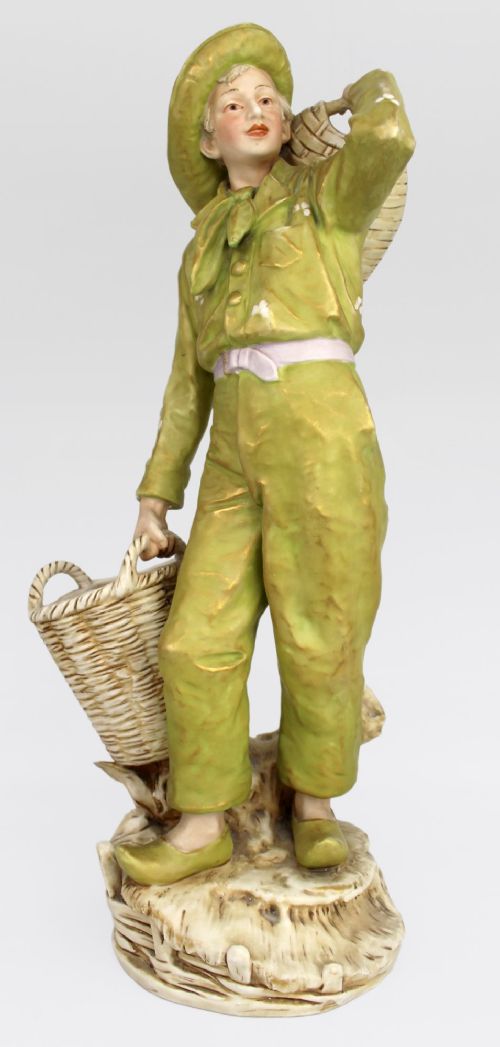
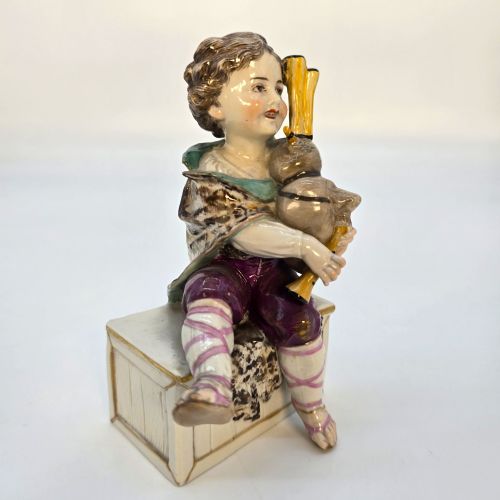
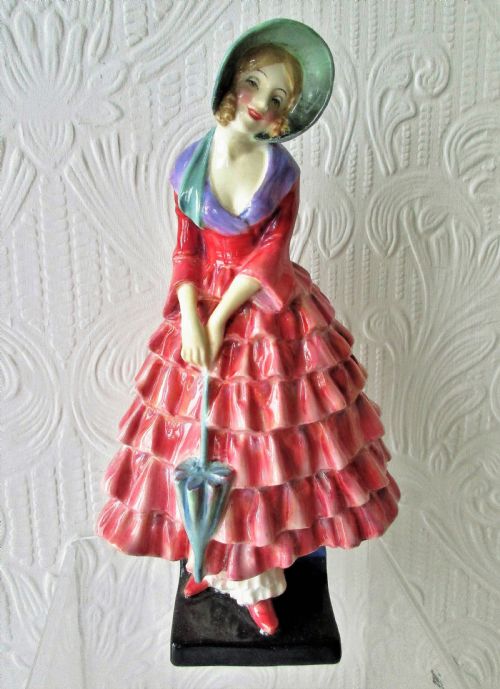
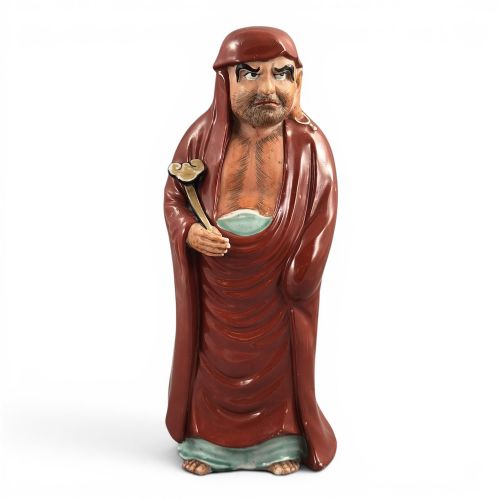
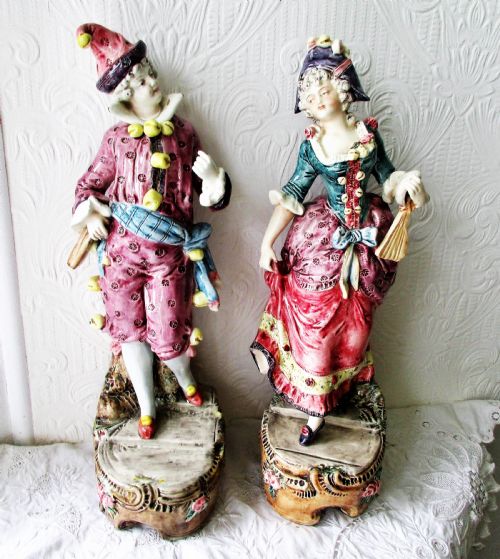
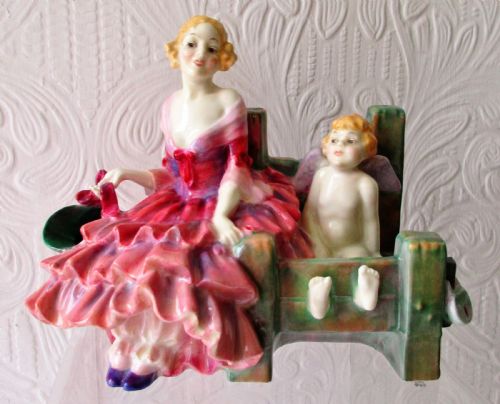
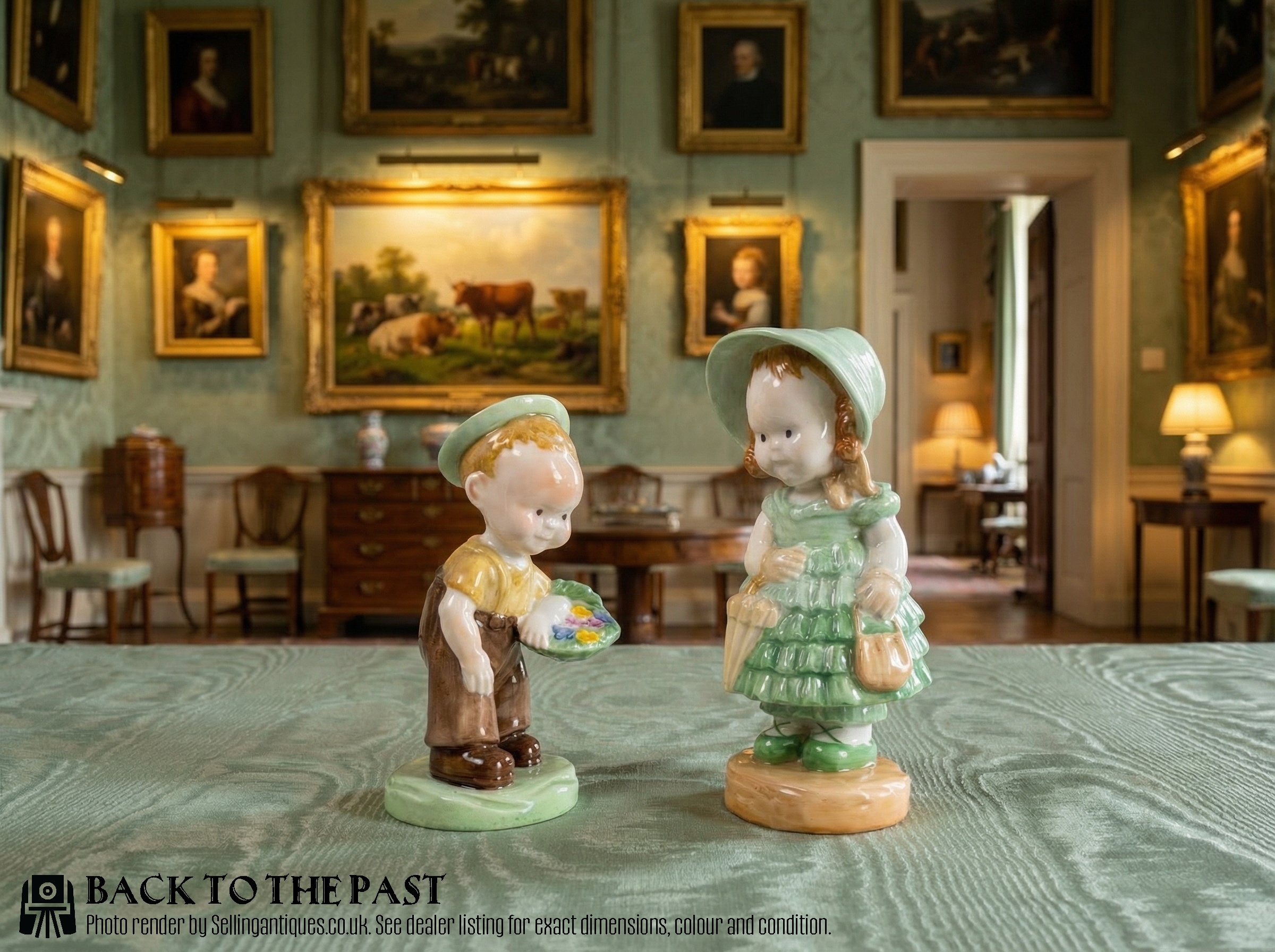
When you search for vintage porcelain figures, you encounter a diverse range of decorative objects spanning multiple centuries, from eighteenth-century Meissen groups to twentieth-century English character studies. The pieces on this page lean heavily towards early-to-mid-twentieth-century examples, particularly English porcelain figures from makers like Royal Doulton alongside continental European porcelain and Asian works.
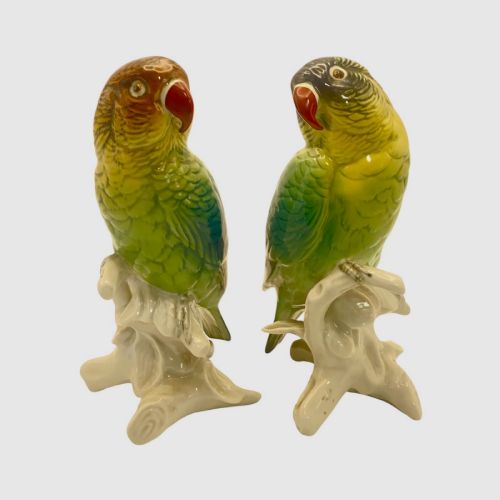
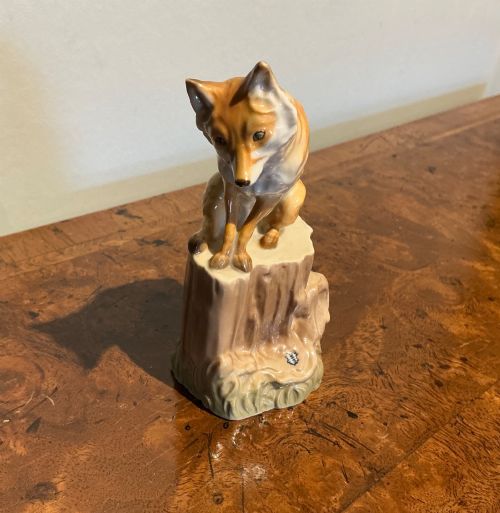
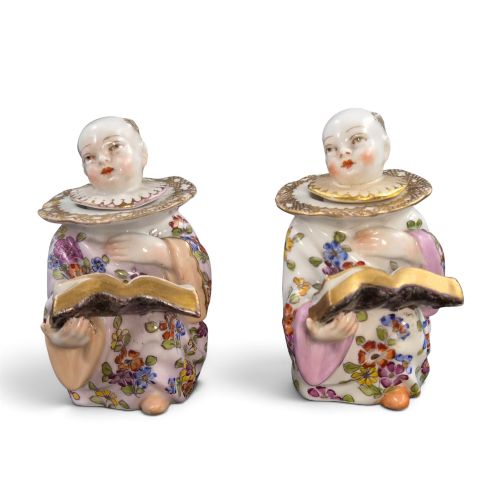
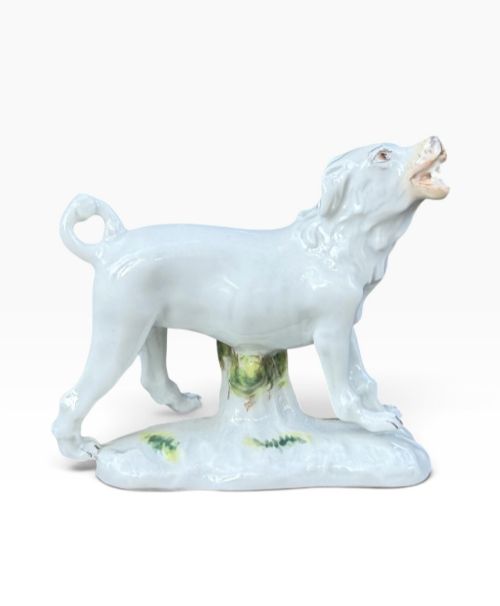
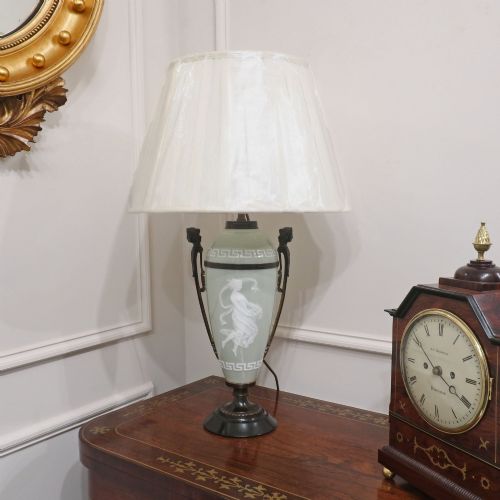
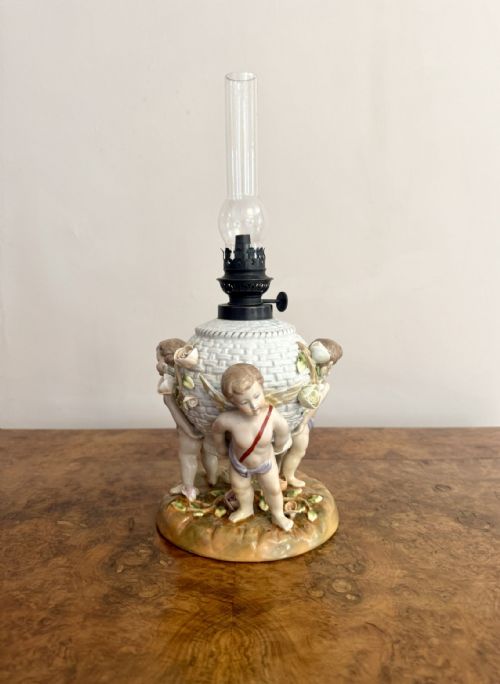
Forms extend beyond traditional single figurines to encompass pairs of parrots, figural inkwells, bookends, and even converted table lamps. Collectors find representations ranging from classical Greek maidens and eighteenth-century street traders to Art Deco Pierrots and intricate animal models.
Origins vary widely across European factories, British potteries, and Asian kilns, reflecting distinct regional tastes from Victorian ornate styles through to clean Art Deco lines. This assortment allows a buyer to focus either on a specific period like the 1930s or on particular sculptural subjects such as dogs, birds, and human figures.
How they were made
The pieces rely on porcelain and bone china bodies, shaped either by hand-modelling or through press-moulding techniques that allowed factories to replicate intricate sculptural details. Artisans then applied glaze, enamel, and occasionally gold leaf to accentuate garments, facial expressions, and background elements before firing the ceramic in a kiln.
Specialised decorative techniques like pate sur pate built up layers of slip to create low-relief cameos against a coloured ground, adding depth to lamps and vases. Hand-painting remained essential for fine detailing on faces and clothing, ensuring individual character even within mass-produced factory lines.
Materials documented across the selection include bone china, gilt, enamel, and fabric alongside standard glazed porcelain.
What varies in quality
Glaze application also signals standard, with the finest work achieving an even, lustrous finish free from pooling or pitting. Furthermore, the complexity of the composition and the prestige of the factory or modeller heavily influence the overall execution and artistic merit of the surviving object.
Royal Doulton·Karl Ens·Edmé Samson·Meissen·Royal Dux Bohemia·Sitzendorf·Volkstedt Rudolstadt Factory·Royal Worcester·Franklin Mint·Derby
The Vintage Porcelain Figures Glossary
- Bone china
- A type of soft-paste porcelain containing bone ash, known for its high strength, chip resistance, and warm white translucency.
- Pate sur pate
- A French ceramic technique where successive layers of liquid clay are painted onto a body to build up a cameo relief design.
- Enamel
- Vitreous coloured paints applied over or under the glaze to decorate ceramics before a final firing fixes the pigment.
- Okimono
- A Japanese term for a small decorative statue or ornament meant for display on a shelf or in a tokonoma alcove.
- Marcolini Period
- The era at the Meissen porcelain factory under the directorship of Count Camillo Marcolini, typically identified by a star mark beneath the crossed swords.
Vintage Porcelain Figures: Frequently Asked Questions
How do I identify a Royal Doulton figurine?
Royal Doulton figures generally feature a backstamp on the base that includes the manufacturer's lion and crown logo, alongside a specific title and an HN number. This registration number corresponds to the factory's ledger, allowing you to date the introduction of that particular model.
Many pieces also bear the hand-painted initials or monograms of the decorator or assistant who painted the individual figurine. Checking these marks against known production dates helps establish whether you have a first-year issue or a later production run.
Where should I display porcelain figures?
Porcelain figures thrive in stable environments away from direct sunlight, which can fade delicate hand-painted enamel colours over time. Displaying them inside enclosed cabinets or on secure shelves protects fragile extremities like fingers and lace from accidental bumps.
Because many vintage pieces feature intricate protruding details or delicate glazed surfaces, placing them at eye level allows you to appreciate the fine modelling without risking frequent handling.
Can I use vintage porcelain table lamps safely?
Many vintage porcelain table lamps were electrified decades ago and may retain their original wiring, plugs, or lamp holders. For safe everyday use, have a qualified electrician inspect the internal components and rewire the lamp if the insulation has perished.
When handling or moving these lamps, support the porcelain body directly rather than pulling on the stem or flex to prevent stressing the fitted hardware.