

Collectable Ceramic Ornaments
These collectable ceramic ornaments span centuries of modelled figures and animal studies, offering a tangible link to historical craftsmanship.
Collectable Ceramic Ornaments
Collectable ceramic ornaments encompass a broad range of modelled figures, decorative statuettes and animal studies spanning multiple centuries. A buyer searching this phrase is likely to encounter porcelain figurines, bone china characters and earthenware pottery figures from various European traditions.
The selections on this page feature works from the eighteenth century through to the mid-twentieth century. English porcelain and studio pottery sit alongside continental European pieces, reflecting diverse stylistic movements from Rococo Revival to Art Deco.
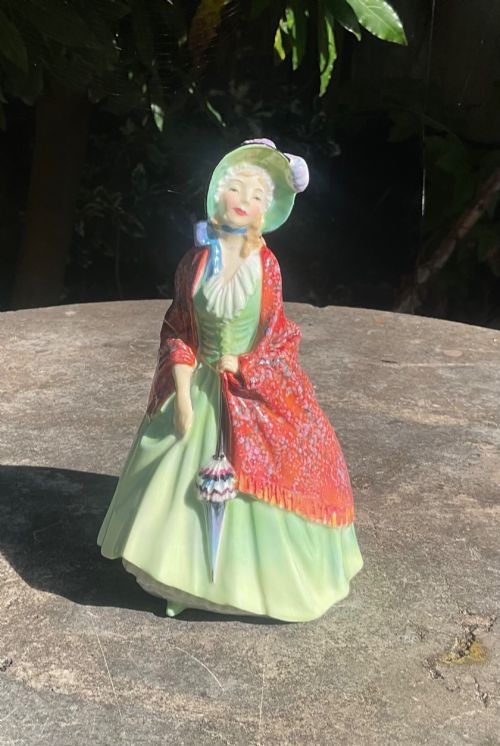
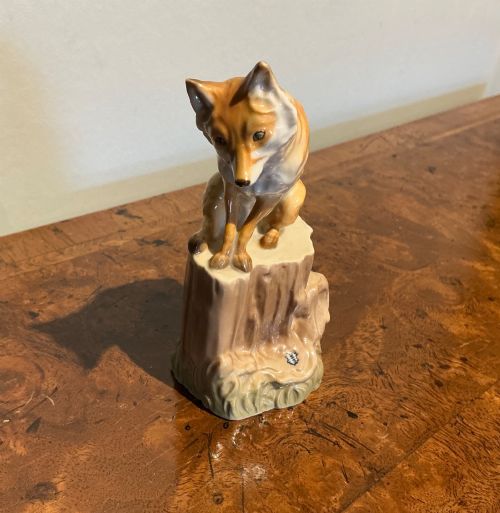
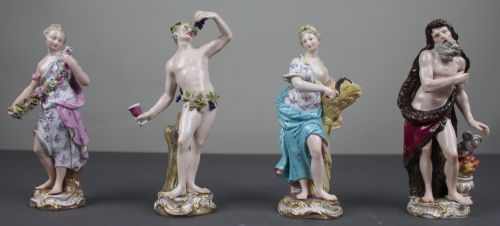
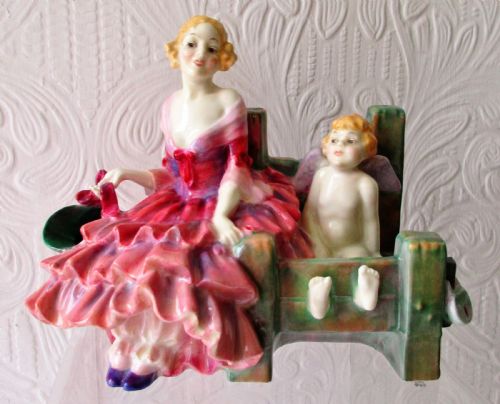
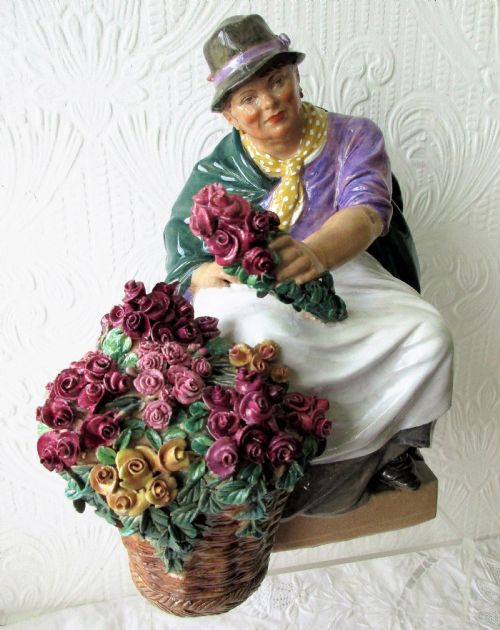
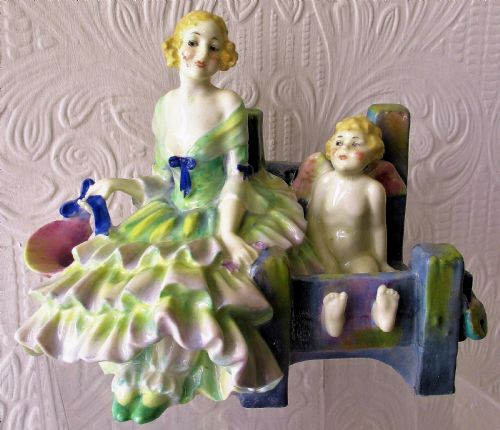
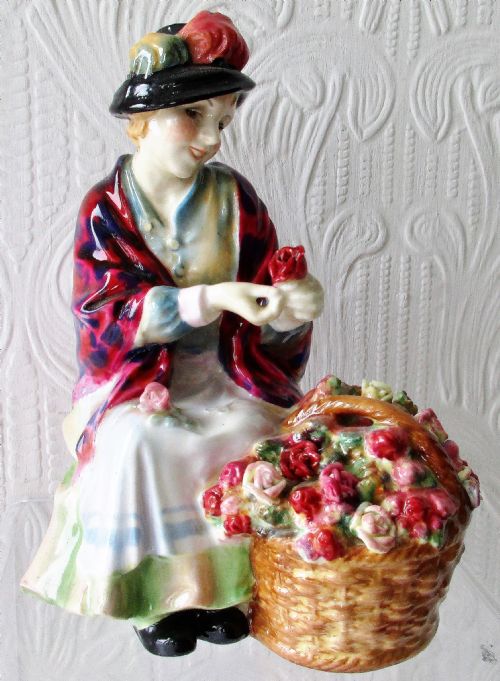
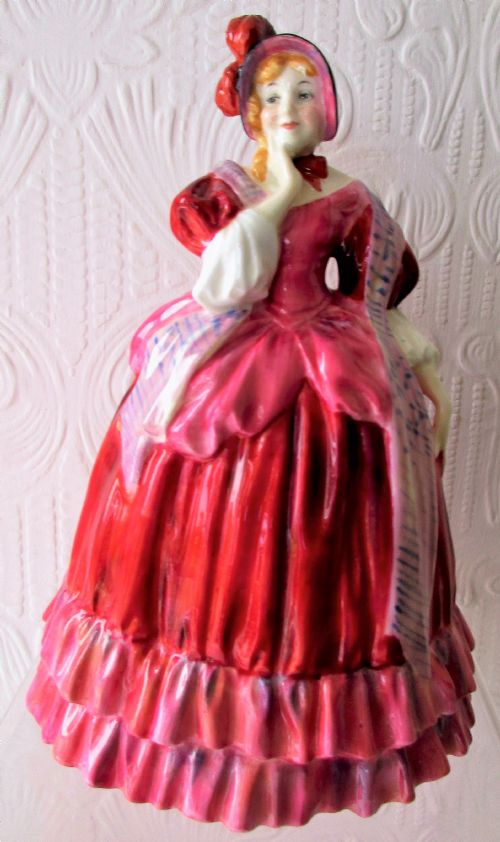
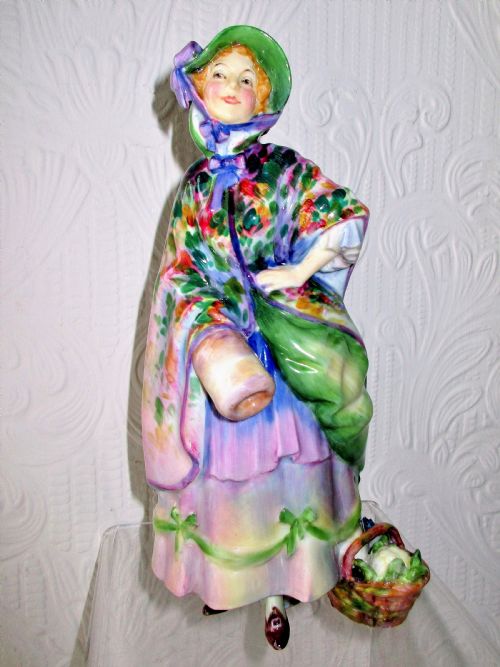
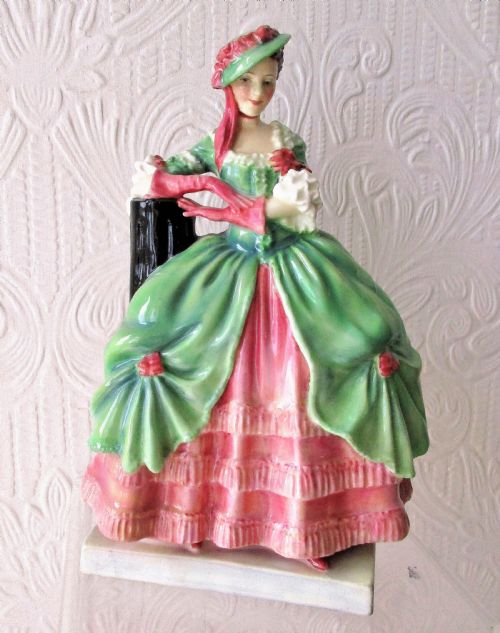
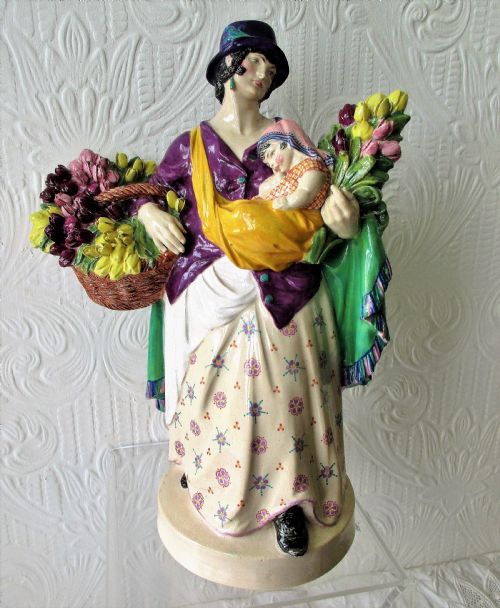
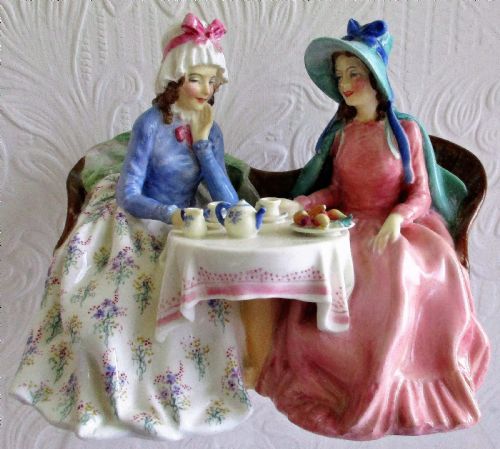
Figurines depicting human subjects, such as street vendors, dancers and historical characters, form a substantial part of the available range. Animal models and decorative statuettes also appear regularly, originating from renowned factories and individual workshops.
Materials and technique
The creation of these pieces relies primarily on porcelain, bone china and earthenware, shaped into distinct forms and fired in kilns. Many items receive a smooth ceramic glaze to seal the body and provide a lustrous surface.
Enamel and hand-painted pigments add colour and detail to the fired bodies, sometimes complemented by touches of gold leaf. Skilled modellers and artists carefully shape each figure before applying these decorative surface treatments.
Listings feature porcelain, earthenware, and bone china across Georgian, Victorian, Edwardian, and Art Deco periods.
Factors of quality
The clarity of the glaze and the crispness of the underlying ceramic form indicate the skill involved during the firing process. Early or first-year versions often exhibit sharper details in the mould compared to subsequent editions.
Royal Doulton·Nymphenburg·Meissen·Royal Worcester·Charles Vyse·Longton Hall·Samson of Paris·Derby·Royal Copenhagen·Theo Voss·Shelley·Freda Doughty·Wedgwood·Royal Dux·Ernst Bohne and Sohne
The Collectable Ceramic Ornaments Glossary
- Porcelain
- A hard, fine-grained ceramic material invented in China and widely replicated in Europe, known for its translucence and strength when fired at high temperatures. It forms the base of many classical figurines and decorative statuettes.
- Bone china
- A type of porcelain incorporating bone ash, developed in England to create a durable body with a warm, milky white appearance. This material allows for thin, delicate modelling in detailed figures.
- Enamel
- A decorative glass-like coating fused to the ceramic surface through firing, used to apply vibrant colours and intricate patterns. Enamelled details often require multiple firings to achieve their final intensity.
- Earthenware
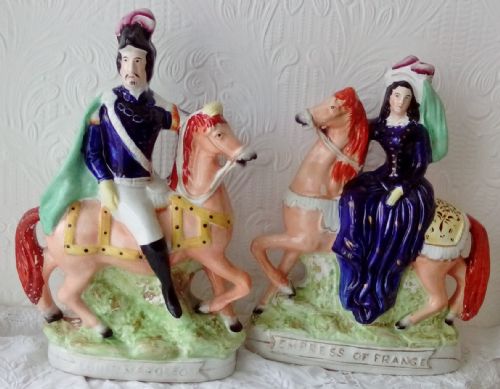
- A porous, opaque pottery body fired at lower temperatures than porcelain, requiring a glaze to become waterproof. Staffordshire pottery figures frequently utilise this traditional material.
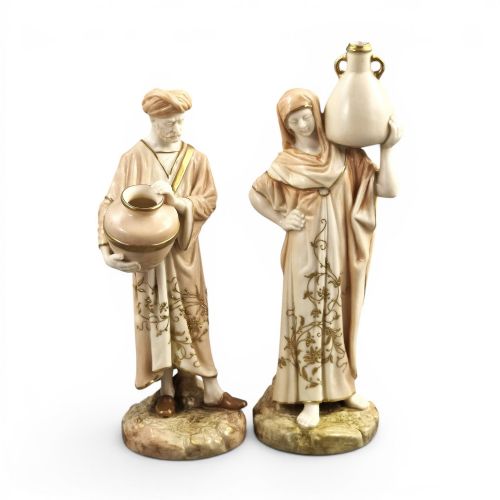
- Blush ivory
- A specific type of ceramic finish developed by Royal Worcester featuring a soft, cream-coloured ground with delicate tinted shading. It provides a subdued backdrop for hand-painted floral or figural motifs.
Collectable Ceramic Ornaments: Frequently Asked Questions
What periods do these ceramic ornaments cover?
The available pieces span from the mid-eighteenth century through the Georgian and Victorian eras into the Edwardian period and the twentieth century. Examples include eighteenth-century Derby and Longton Hall figures alongside Art Deco works from the nineteen-twenties and thirties.
This broad chronological range allows collectors to focus on specific stylistic movements, such as Rococo Revival or early twentieth-century studio pottery, depending on their personal collecting interests.
How were these figures originally used?
Historically, ceramic ornaments served as decorative centrepieces on dining tables, mantelpieces and drawing-room cabinets among affluent households. They demonstrated the owner's taste and cultural awareness through representations of mythology, pastoral life and contemporary society.
Over time, many of these figures transitioned from functional interior decoration to dedicated cabinet pieces gathered by specialist collectors.
How do I care for antique porcelain figures?
Displaying porcelain figures away from direct sunlight and areas of high foot traffic protects them from accidental damage and fading of hand-painted enamels. Gentle dusting with a soft, dry brush is generally sufficient for routine maintenance.
Avoid using water or chemical cleaners on antique ceramics, particularly those with delicate gold leaf or unglazed elements, to preserve the original surface finish.
How can I tell different factory styles apart?
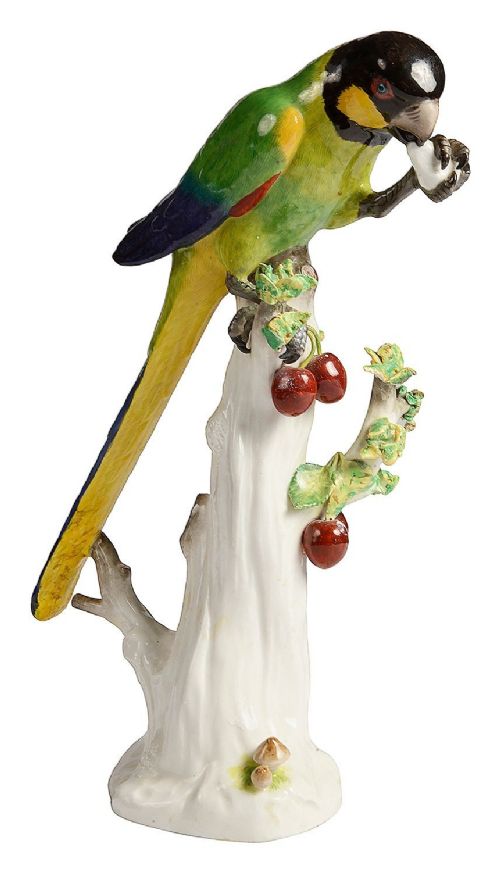
Factory styles often reflect their geographical origins and the prevailing artistic trends of their active periods, such as the expressive animal models from Meissen or the distinct studio pottery of Charles Vyse. Examining the modelling techniques and the application of enamel colours provides clues to a piece's provenance.
Many factories also utilised specific base marks, numbers or signatures that assist in identifying the maker and the approximate date of production.