




Polychrome Ceramic Statuette
When you search for polychrome ceramic statuette, you are looking at small three-dimensional models shaped from clay and decorated in multiple coloured enamels and glazes.
Polychrome Ceramic Statuette
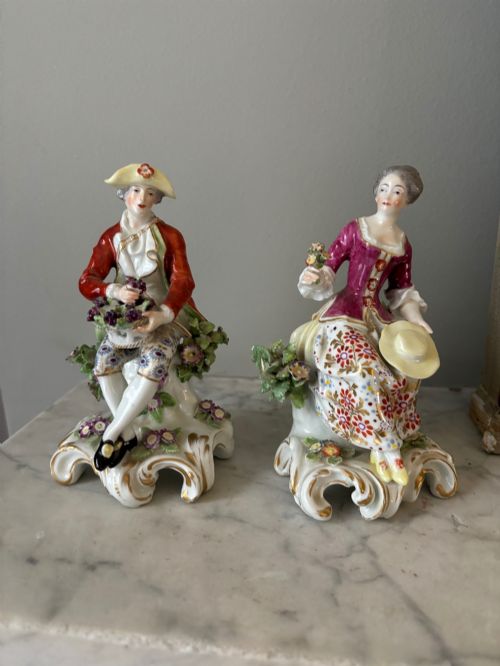
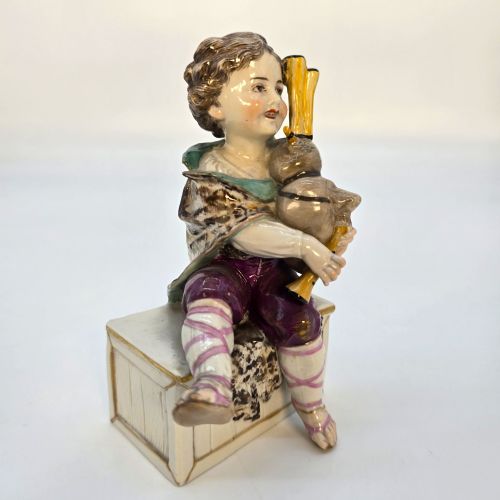
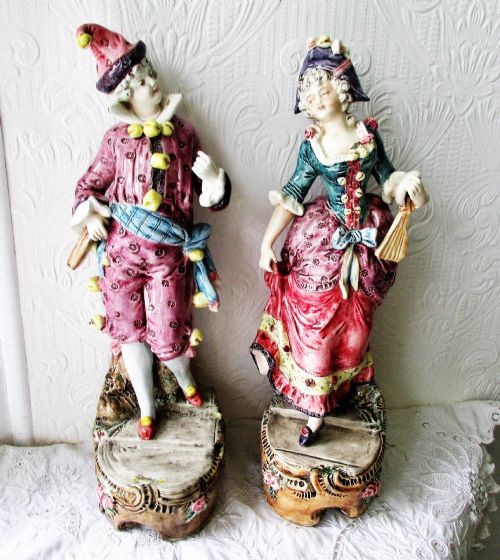
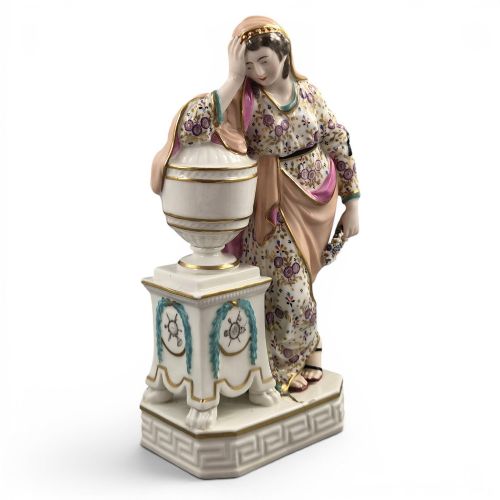
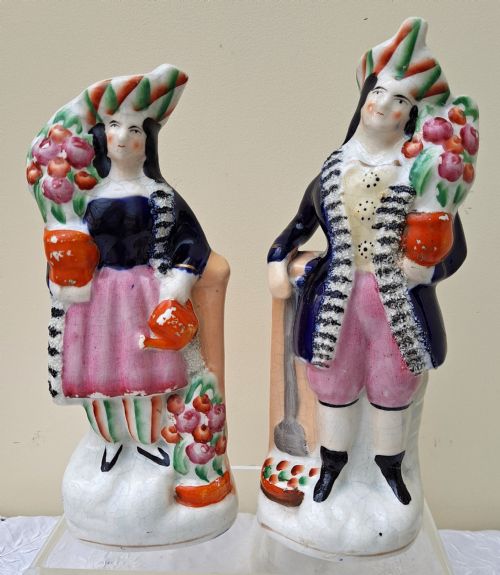
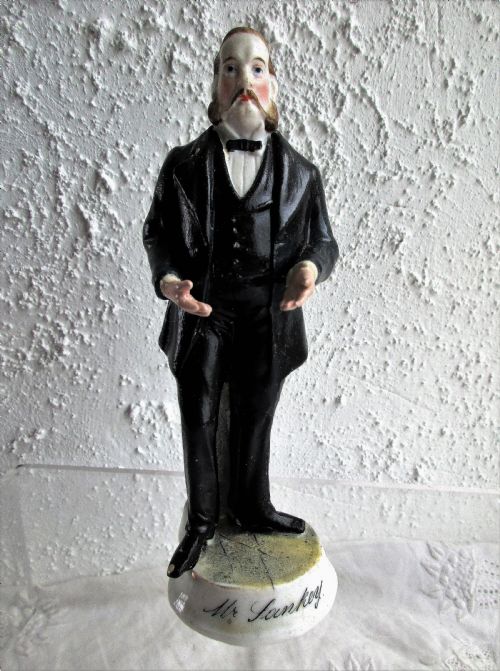
A polychrome ceramic statuette captures human figures, allegorical groups, and animals modelled in soft-paste porcelain, hard-paste porcelain, earthenware, and pottery. These small sculptures range from allegorical representations of the seasons and elements to theatrical characters and rustic vendors.
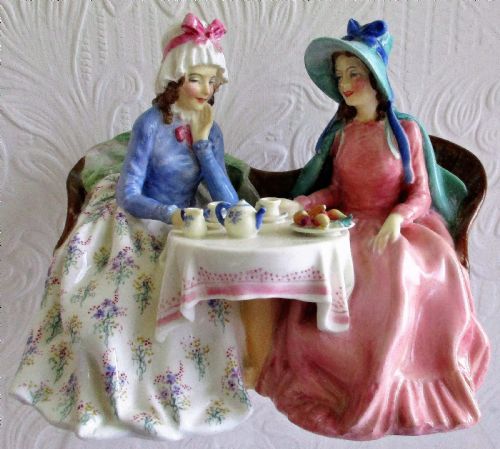
The versions most commonly met on this page originate from eighteenth-century European factories such as Meissen, Derby, and Bow, alongside nineteenth-century Staffordshire pottery and French porcelain productions. They take the form of single figures, seated pairs, and larger modelled groups created to ornament domestic interiors.
Makers drew inspiration from classical mythology, contemporary theatre, and rural life, translating these subjects into glazed and enamelled ceramic form. The resulting objects preserve the decorative tastes of the Georgian, Victorian, and later periods through modelled posture and painted detail.
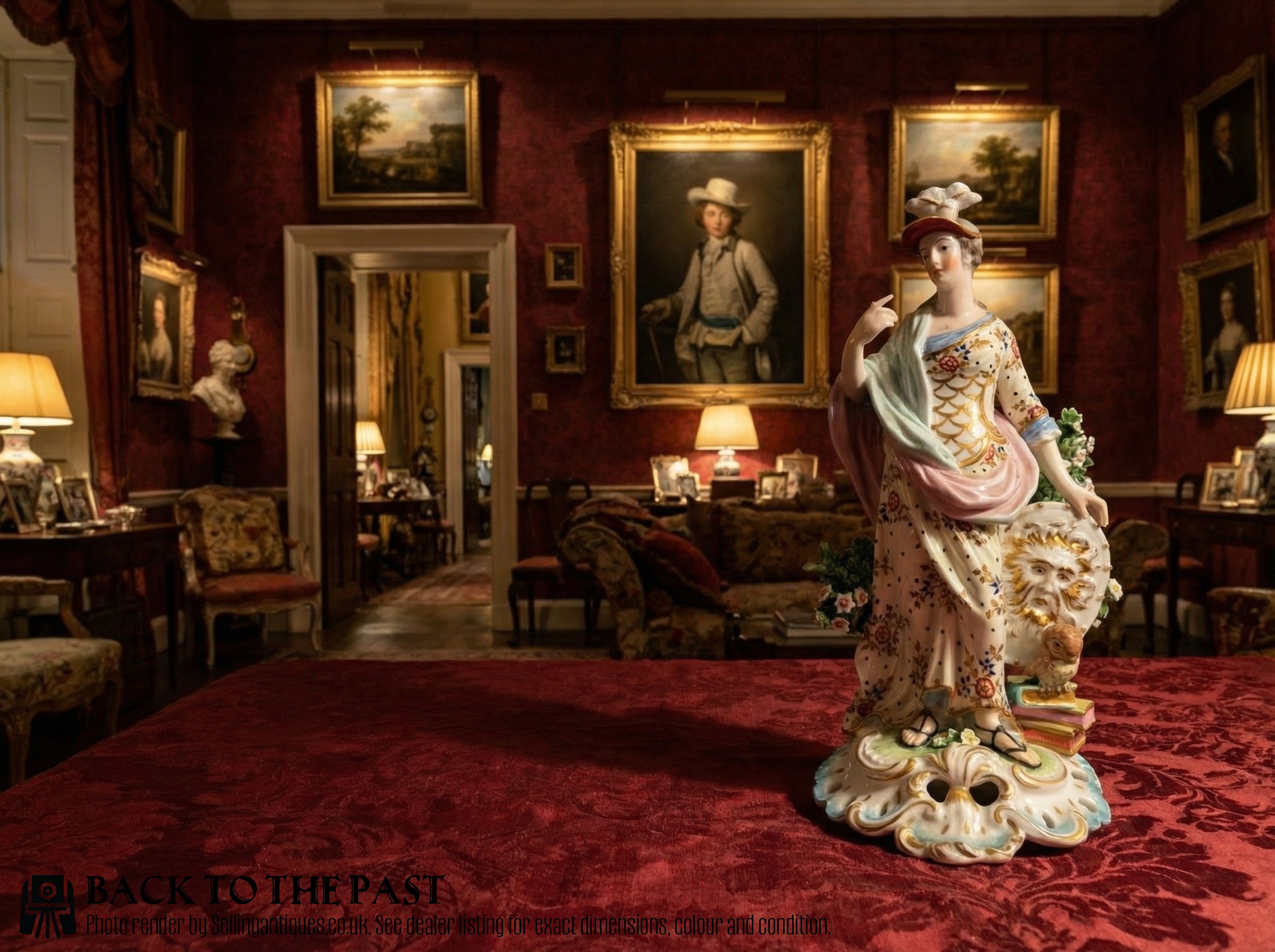
How these figures were shaped and painted
Manufacturers formed these pieces using plaster moulds filled with liquid clay slip or pressed clay body, allowing complex multi-figure groups and delicate limbs to be cast in sections before assembly. Artisans then joined the parts using liquid clay and refined the surface details by hand before the initial firing.
The fired biscuit body received hand-applied enamel colours, gilt highlights, and metallic oxides beneath or above a transparent glaze, followed by a subsequent kiln firing to fix the palette. The use of gold leaf, gilding, and varied glaze formulas produced the luminous surface textures characteristic of these ceramic sculptures.
Polychrome Ceramic Statuette Retail Price Guide 2026
Typical asking prices for polychrome ceramic statuette among the pieces listed under this phrase on Sellingantiques today, from the lower quarter to the upper quarter. They describe what is for sale here now, not the wider market.
Listings feature pieces spanning the eighteenth, nineteenth, and early twentieth centuries, rendered in hard-paste porcelain, soft-paste porcelain, and earthenware.
What separates standard examples from finer works
The crispness of the modelling defines the upper tier of these pieces, where facial expressions, drapery folds, and tiny applied elements like flowers or foliage remain sharp and distinct from the moulding process. Softer, blurred contours indicate worn moulds or secondary reproduction casts produced long after the original models.
The precision and depth of the hand-painted enamels dictate the visual success of the surface, with master painters achieving subtle shading and clean colour separation. Skilful application of gilding and gold leaf further separates workshop productions intended for display in formal settings from simpler utilitarian wares.
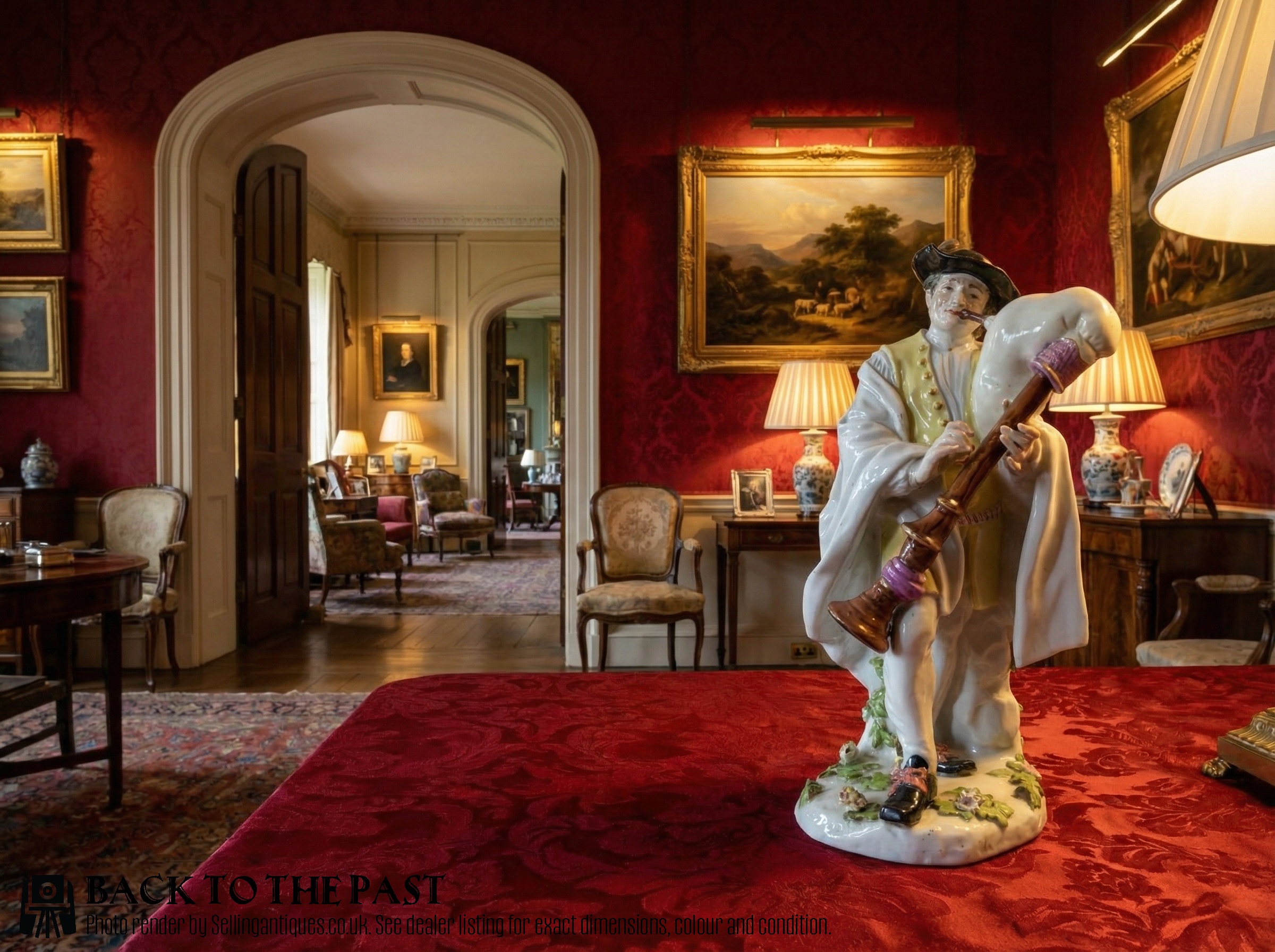
Meissen Porcelain Factory·Derby Porcelain Factory·Bow Porcelain Factory·Volkstedt Rudolstadt Factory·Edme Samson Paris
The Polychrome Ceramic Statuette Glossary
- Soft-paste porcelain
- A ceramic material composed of white clay mixed with ground glass and frit, fired at lower temperatures than hard-paste porcelain. This body type yields a warm, creamy translucency often found in eighteenth-century English factory productions.
- Hard-paste porcelain
- A true porcelain made from kaolin and petuntse fired at high temperatures, producing a durable, vitrified body with a bright white surface. Continental factories utilised this material for its resistance and ability to hold fine enamel details.
- Enamel
- Opaque or translucent coloured glass fused to the ceramic surface during a low-temperature kiln firing. Painters applied these mineral colours over the glaze to achieve the rich polychrome palette seen on figures.
- Gilding
- The application of gold or gold leaf to the ceramic surface, either as a paint or thin foil, to highlight borders, garments, and decorative attributes. This technique added metallic brilliance to the finished statuette.
- Bisque
- Unglazed ceramic body fired once to a porous state, sometimes used for figures to imitate carved marble. It provides a matte surface texture distinct from glossy glazed pieces.
Polychrome Ceramic Statuette: Frequently Asked Questions
What were polychrome ceramic statuettes used for?
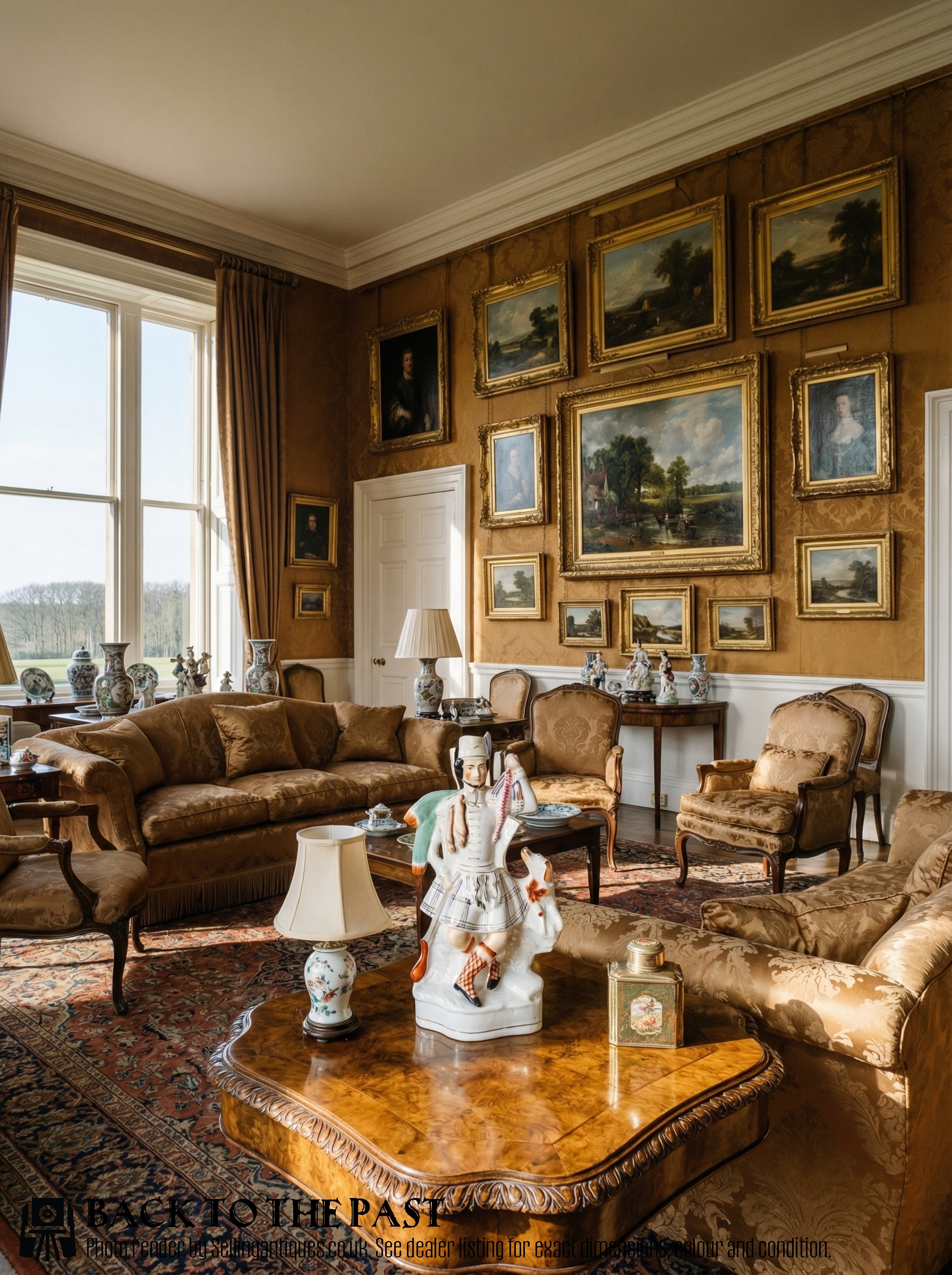
These figures served as decorative ornaments on dining tables, mantelpieces, and sideboards during the eighteenth and nineteenth centuries. Wealthy households displayed them in elaborate tableaus to signal cultural literacy, taste, and social standing to guests.
Over time, their function shifted purely to cabinet display as interior decoration styles evolved. Collectors today place them on desks and within glass-fronted vitrines to preserve their delicate enamel surfaces.
How do I distinguish eighteenth-century pieces from later copies?
Examining the base and the weight of the ceramic body offers initial clues regarding age and origin. Eighteenth-century pieces frequently display unglazed foot rims, subtle glaze pooling, and hand-painted factory marks corresponding to specific period standards.
Nineteenth-century revival factories often reproduced these early models with heavier paste, mechanical transfer printing, or different paste compositions. Comparing the sharpness of the hand-painted enamels and the modelling against documented examples clarifies the production era.
How should I display porcelain figures safely?
Protecting these objects requires stable placement away from direct sunlight, which can fade delicate enamel colours over extended periods. Enclosed display cabinets safeguard the protruding limbs, applied flowers, and fragile attributes from accidental knocks.
Maintaining a stable room temperature prevents thermal stress on the ceramic body and glaze. Cleaning should be limited to gentle dusting with a soft, dry brush rather than liquid immersion.
What do factory marks on the base indicate?
Underglaze blue or painted marks indicate the workshop, factory, or decorator responsible for producing the ceramic body. Common indicators include crossed swords for German works and anchor symbols for English factories.
Not all authentic period pieces carry visible marks, as many early makers operated without official stamps or used impressed culls. Unmarked pieces require attribution through stylistic analysis of the paste, modelling style, and colour palette.