



Victorian Earthenware Statuette
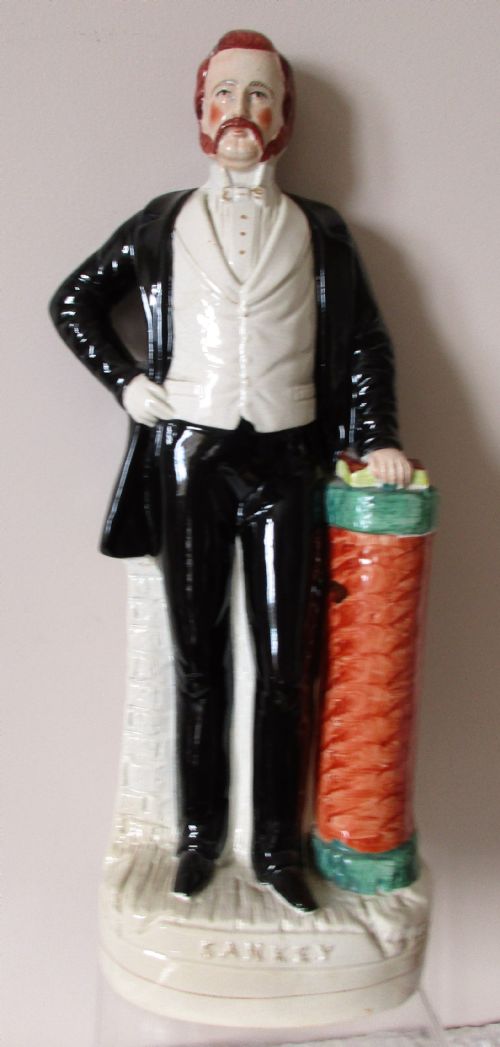
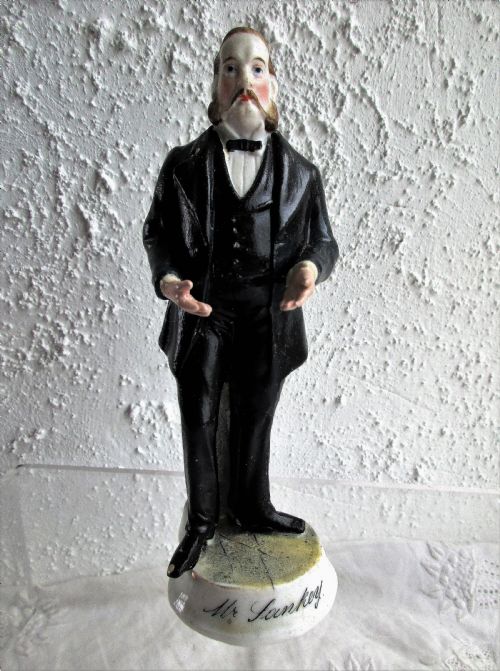
These robust victorian earthenware statuette examples capture the theatricality and historical portraiture of the nineteenth century with immense charm.
Victorian Earthenware Statuette
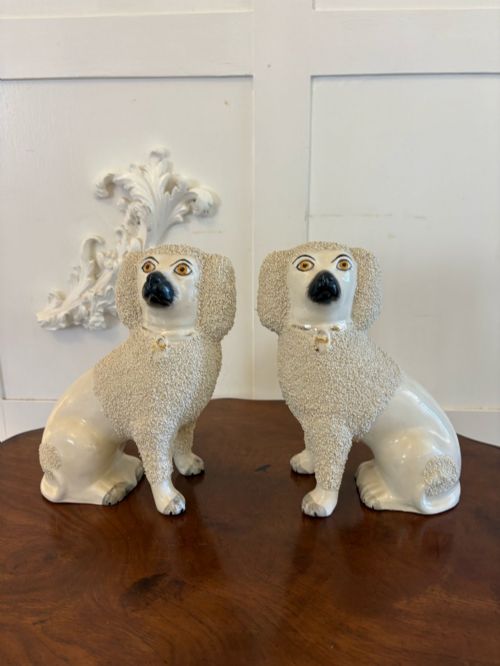
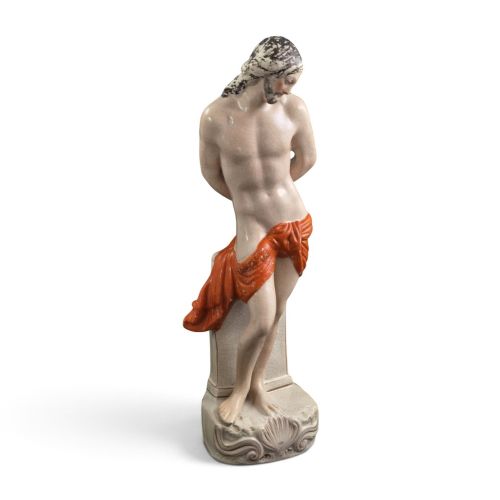
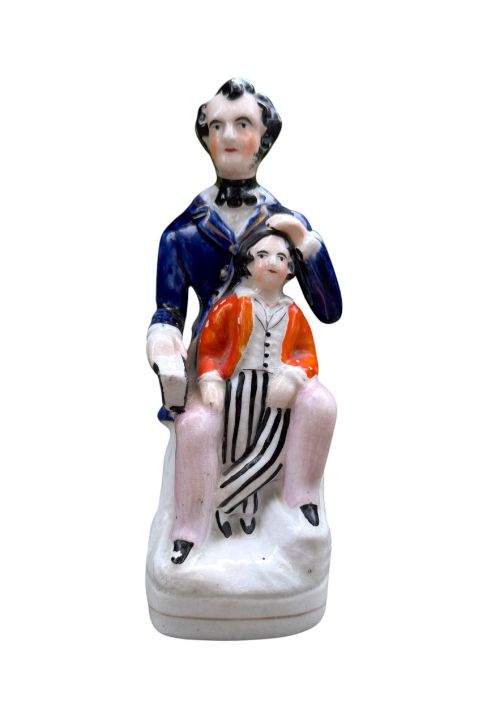
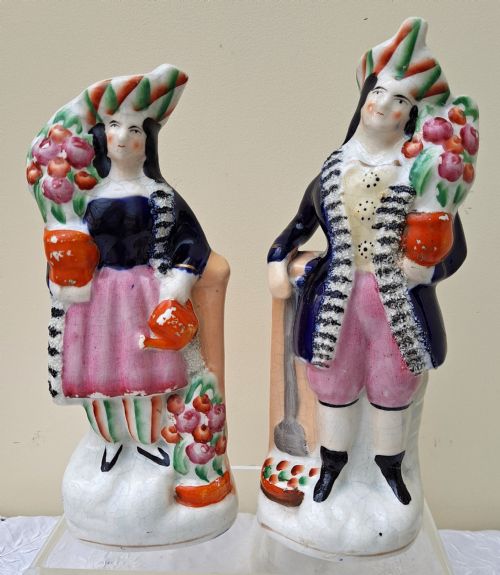
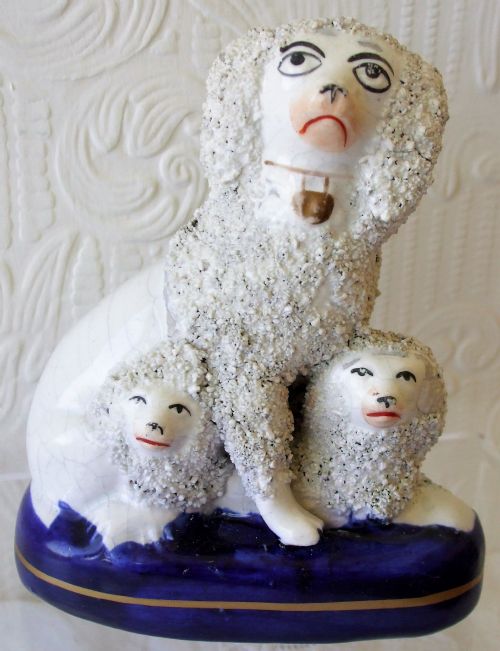
A victorian earthenware statuette typically takes the form of Staffordshire portrait figures, pairs of poodles, or theatrical subjects produced across the nineteenth century. These pieces record historical events, literary characters, and famous personalities ranging from military generals to popular performers.
Most examples encountered here are Staffordshire pottery figures and flatbacks designed to be displayed on mantelpieces, featuring moulded earthenware bodies finished with enamel paint and glaze.
Materials and Methods
Potters shaped these figures using clay moulded forms, applying lead glaze to seal the earthenware body before adding vibrant enamel paint details. Certain works incorporate additional embellishments such as gold leaf highlights.
The firing process fixed the earthenware body and underglaze colours, while enamel paints and gilding were often applied in subsequent low-temperature firings.
Several figures immortalise eccentric nineteenth-century public figures, ensuring your mantelpiece plays host to Victorian celebrities.
Assessing Quality
The scale and ambition of the piece also dictate its standing, with large figures, complex figure groups, and well-modelled pairs commanding greater visual presence than simpler single-figure iterations.
The Victorian Earthenware Statuette Glossary
- Earthenware
- A porous pottery type fired at relatively low temperatures, forming the primary body for these figures. It requires a glaze to become impermeable to liquids.
- Flatback
- A Staffordshire figure style where the reverse is left unmodelled and unpainted because the piece was intended to stand against a wall. This design saved space and materials during production.
- Enamel Paint
- Vitreous pigments applied over the fired glaze to provide bright surface colours. These paints are fixed with a subsequent low-temperature firing.
- Lead Glaze
- A glassy coating containing lead oxide applied to the earthenware body to give a smooth, glossy finish. It protects the porous clay beneath.
- Porcelain
- A fine, dense ceramic material fired at higher temperatures than earthenware, occasionally utilised for figures of this period. It offers a whiter, more refined body.
Victorian Earthenware Statuette: Frequently Asked Questions
What are flatback figures?
Flatback figures are ceramic pieces moulded with a finished front and a flat, unpainted back designed to sit flush against a mantelpiece wall.
This practical construction allowed Victorian potteries to economise on space and materials while creating tall, stable display ornaments.
Who do these figures depict?
The subjects range widely from royalty and military heroes to literary characters, theatrical performers, and notable public figures of the era.
Common historical subjects include military commanders, political figures, and dramatised pairs such as gardeners or poodles.
How do I clean them?
Dust these glazed ceramic pieces gently with a soft, dry brush to preserve the delicate enamel painted surfaces and any gold leaf.
Avoid using water or chemical cleaners, as nineteenth-century enamel paints can be fragile and prone to lifting.
Are they all from Staffordshire?
The vast majority of these figures originate from the Staffordshire potteries, though other ceramic traditions appear occasionally.
Regional variations and works from other European manufactories, such as Dutch makers, can also be found among nineteenth-century examples.