



19th Century Ceramic Figure
A 19th century ceramic figure brings shelf-bound personality and period charm into a room.
19th Century Ceramic Figure
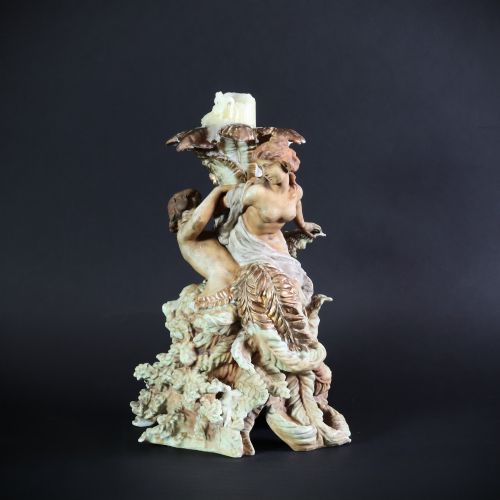
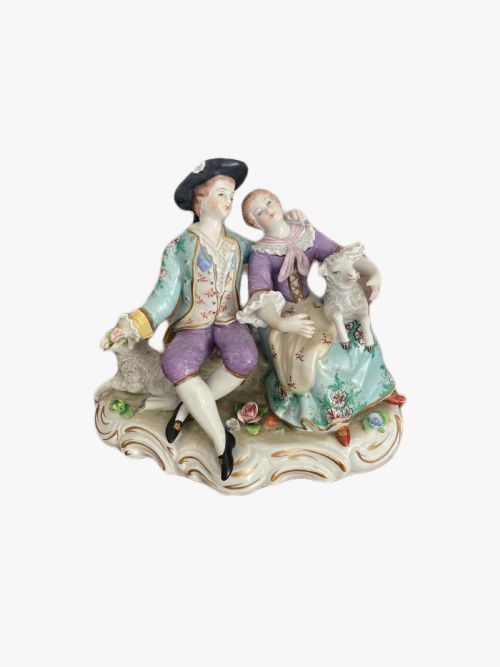
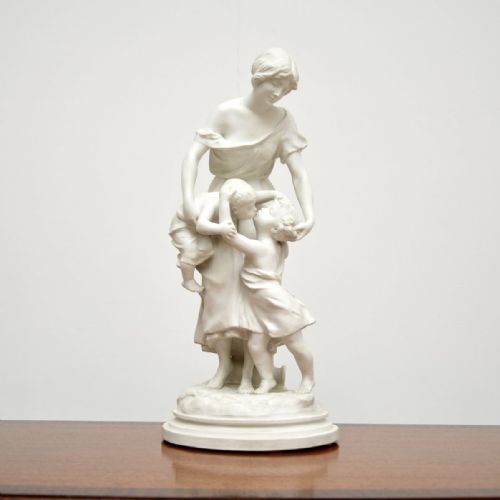
A 19th century ceramic figure encompasses a diverse range of decorative objects including figurines, spill vases, toby jugs, and figural groups. These pieces capture the visual tastes of the Victorian era, alongside continental European and Asian traditions.
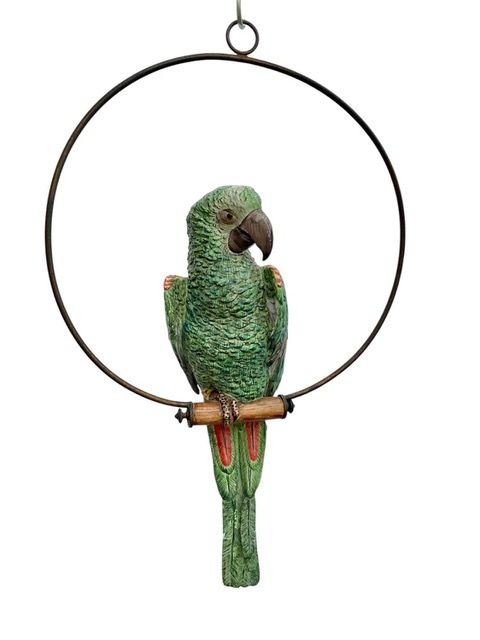
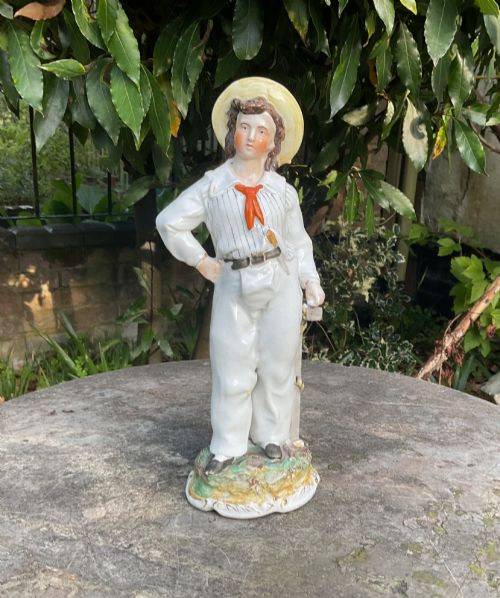
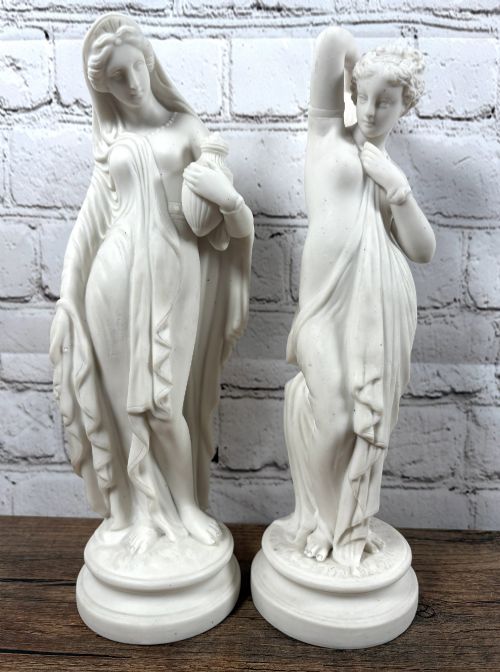
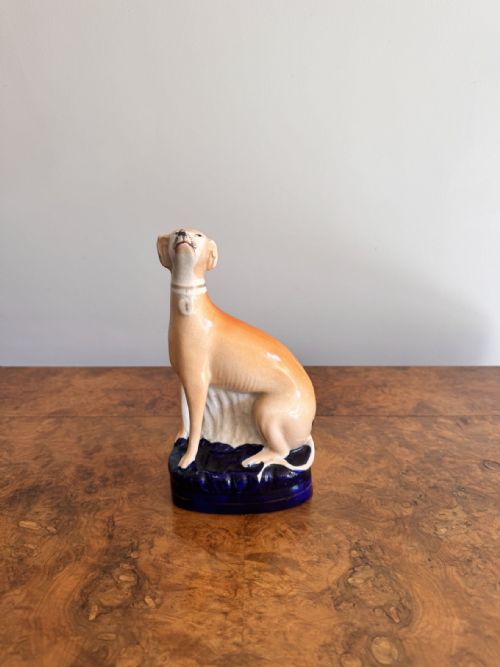
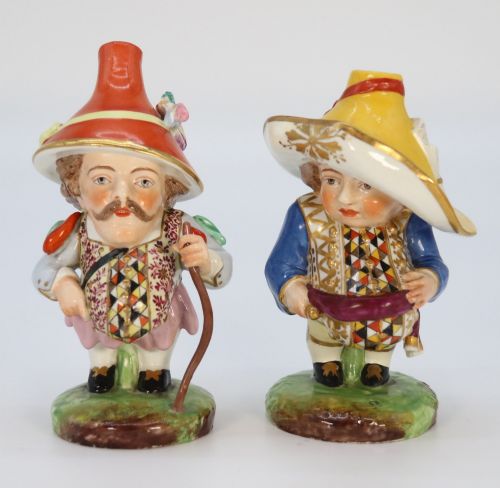
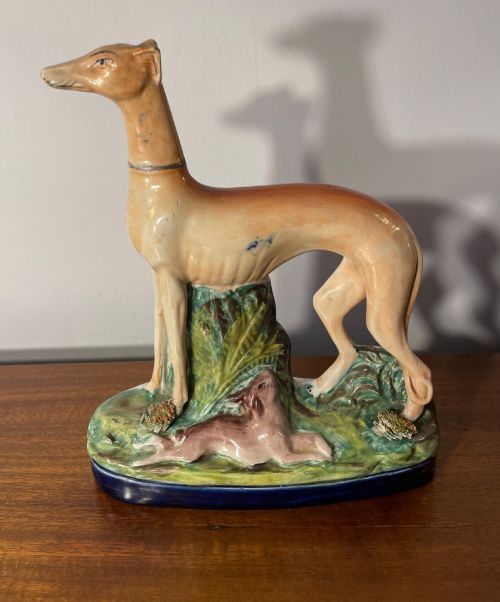
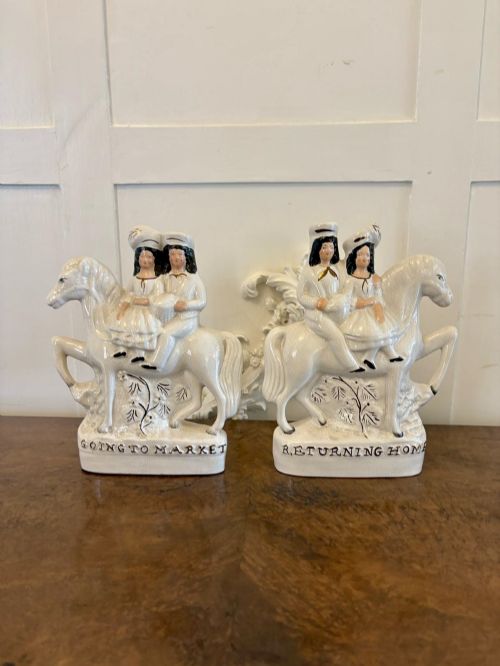
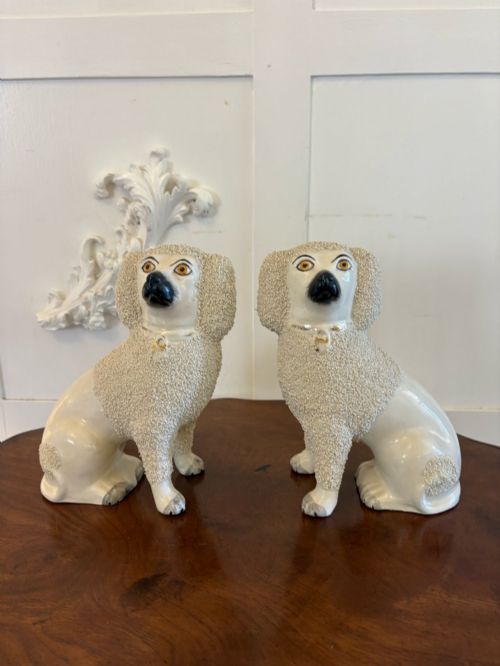
The selection on this page leans heavily toward Staffordshire earthenware pottery and European porcelain, featuring animals, literary characters, and historical portraits. Common forms include paired mantel dogs, birds perched on tree branches, and detailed human studies.
Originating from English potteries, German factories, and French workshops, these sculptures served primarily as mantelpiece ornaments in 19th-century homes. Buyers encounter both utilitarian items like inkwells and purely decorative sculptural works.
How they were made
Potters shaped these figures using earthenware, stoneware, or porcelain bodies, often forming them in moulds before hand-finishing details. Artisans then applied colourful enamel paints, glazes, or gilt highlights to decorate the surfaces.
Many Staffordshire pieces utilised lead glaze to seal the earthenware body and impart a glossy sheen. Porcelain works from continental factories frequently incorporated intricate pate sur pate techniques or delicate gold leaf accents.
19th Century Ceramic Figure Retail Price Guide 2026
Typical asking prices for 19th century ceramic figure among the pieces listed under this phrase on Sellingantiques today, from the lower quarter to the upper quarter. They describe what is for sale here now, not the wider market.
Ceramic poodles and greyhounds stand guard over centuries of mantelpiece history.
What varies in quality
The complexity of the form dictates distinction, such as free-standing limbs, elaborate foliage, or multi-figure groups. Early pearlware bodies and well-preserved original enamels generally indicate higher desirability among collectors.
Edmé Samson·Meissen·Volkstedt Rudolstadt Factory·John Bevington·Minton
The 19th Century Ceramic Figure Glossary
- Earthenware
- A porous pottery body fired at lower temperatures, requiring a glaze to become impermeable. It forms the foundation of most Staffordshire figures.
- Porcelain
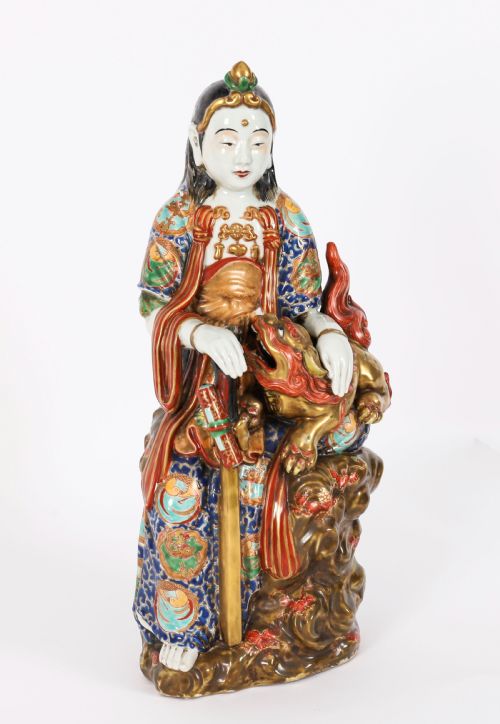
- A fine, vitrified ceramic material made from kaolin and petuntse, fired at high temperatures until white and translucent. European factories mastered this medium for elaborate sculptural groups.
- Parian
- A fine-grained, unglazed white porcelain resembling carved marble, developed by British potteries. Minton utilised this material for classical figure groups.
- Spill vase
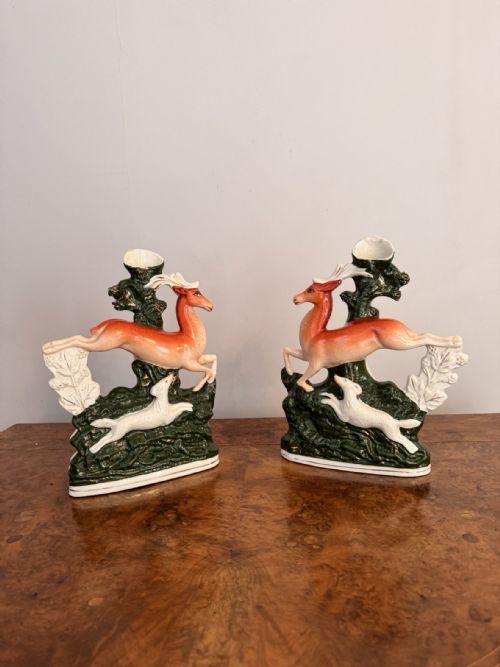
- A hollow figural sculpture incorporating a small cylindrical holder designed to store wooden spills for lighting pipes or candles. These often depict animals or rustic scenes.
- Pearlware
- An refined earthenware developed by British potters featuring a bluish-tinted glaze that pooled in recesses to mimic Chinese export porcelain.
19th Century Ceramic Figure: Frequently Asked Questions
What are 19th century ceramic figures made of?
These pieces consist primarily of earthenware, stoneware, and porcelain bodies decorated with coloured enamels and glazes. Some English items use pearlware, while finer continental sculptures employ hard-paste porcelain.
Surface treatments include lead glazes, gilt accents, and gold leaf highlights applied over the fired ceramic.
Where were Staffordshire figures displayed?
Victorian households placed these pottery figures prominently on mantelpieces, sideboard tables, and bookshelves. Paired animals like poodles and greyhounds traditionally flanked the centrepiece of a fireplace.
Many portrait figures and literary characters served as domestic conversation pieces for middle-class Victorian families.
How do I identify a spill vase?
A spill vase incorporates an integrated hollow tube beside or behind the main figural subject. Victorian households used these vertical cylinders to hold wooden spills for transferring flames from a hearth.
Common examples depict animals such as deer or dogs positioned against a tree trunk container.
What is the difference between earthenware and porcelain figures?
Earthenware figures feature an opaque, porous clay body that requires a glaze to hold water and seal the surface. These pieces, common in Staffordshire production, often possess a heavier and chunkier feel.
Porcelain figures are fired at much higher temperatures until the clay vitrifies, resulting in a dense, sometimes translucent material capable of showing finer anatomical detail.