

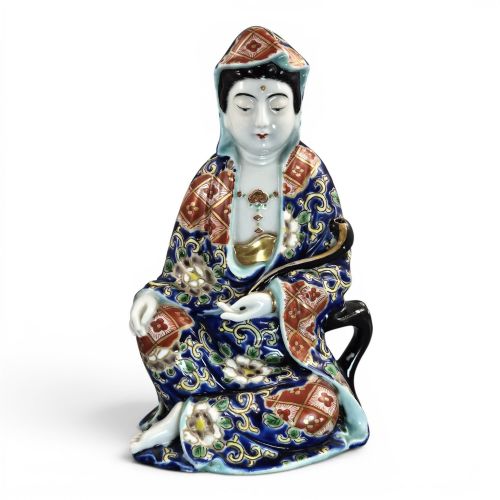
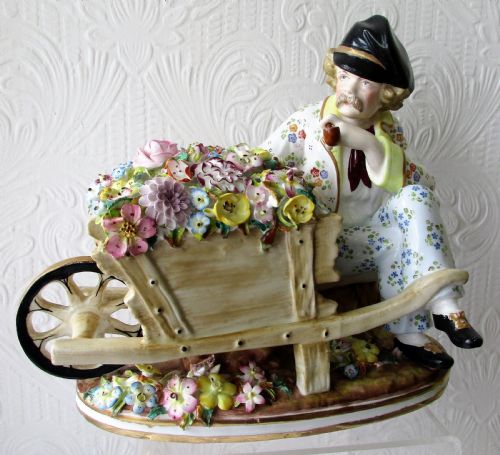
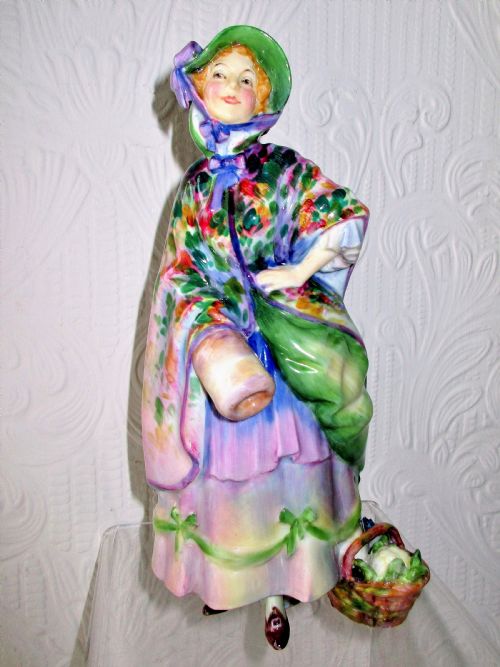
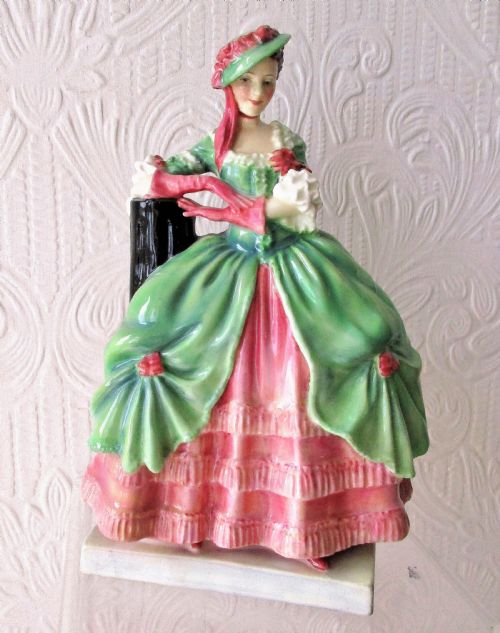
Hand Painted Porcelain Figurine
A hand painted porcelain figurine brings a vivid touch of personality to a mantelpiece, capturing centuries of skilled modelling and delicate brushwork.
Understanding the Pieces
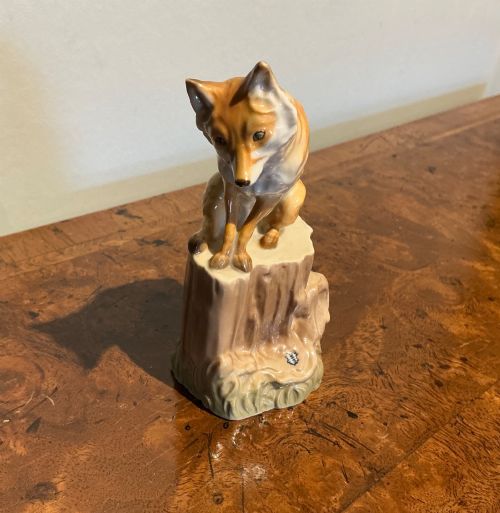
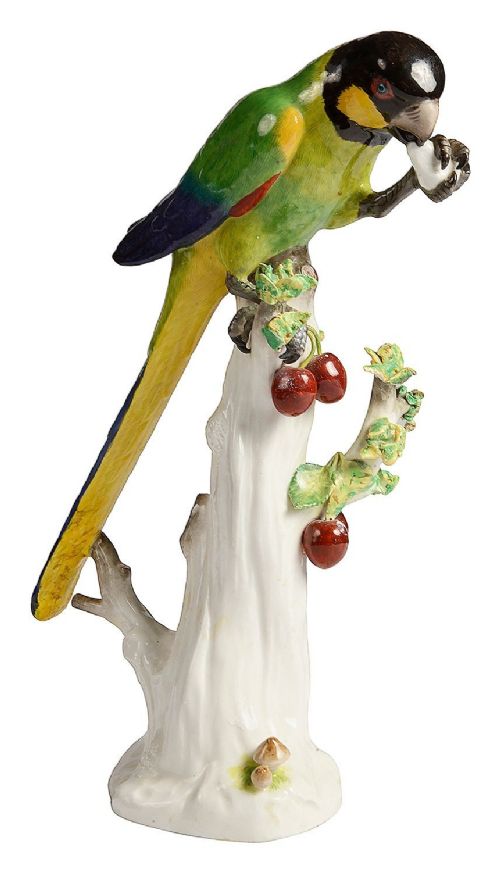
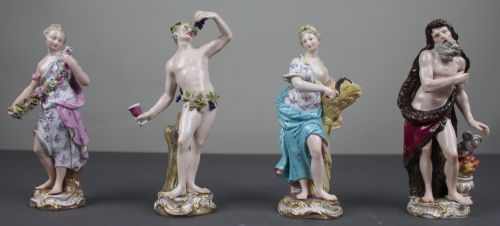
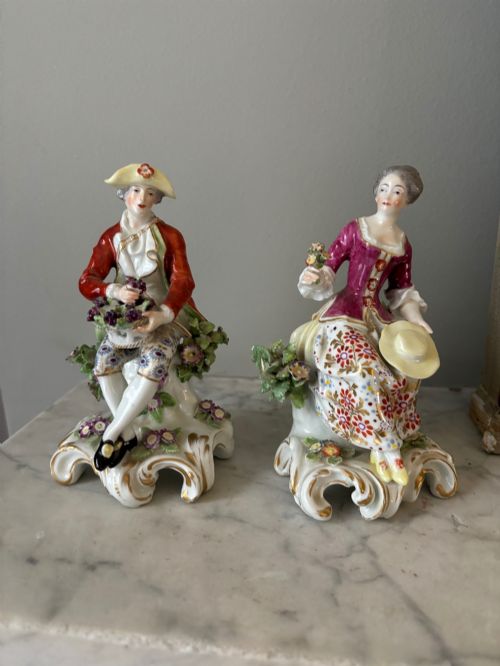
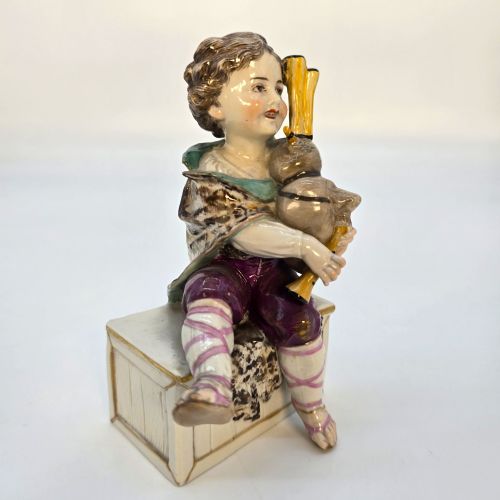
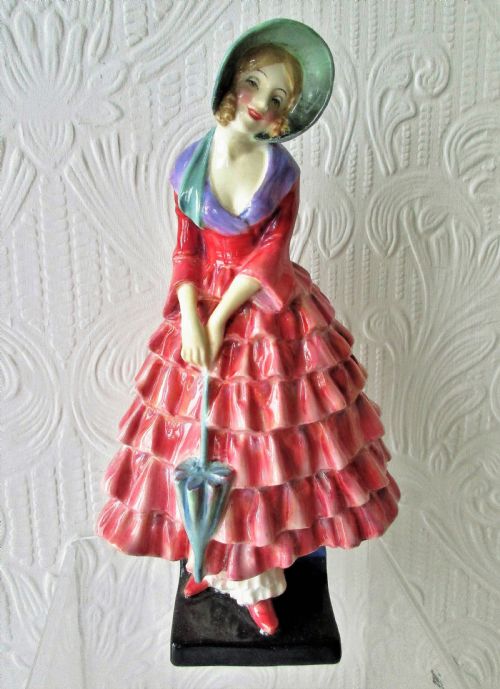
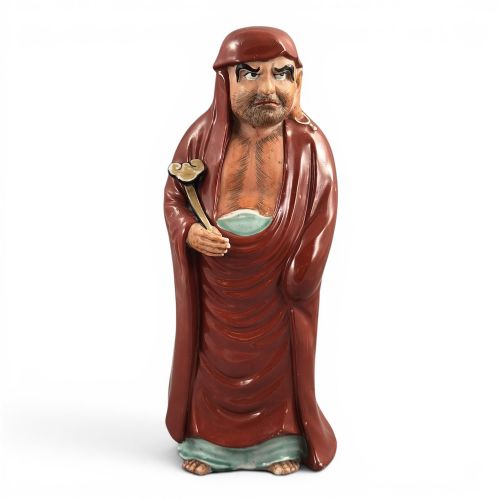
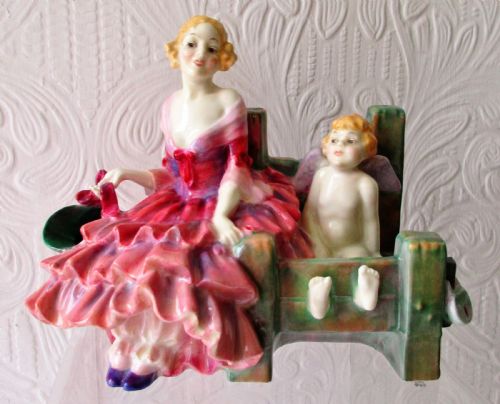
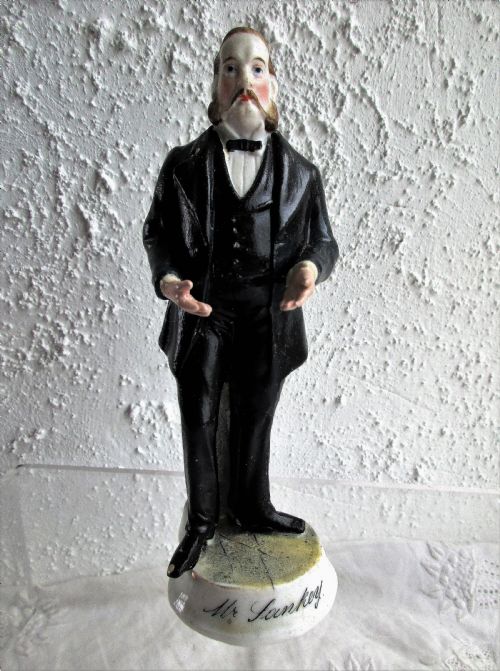
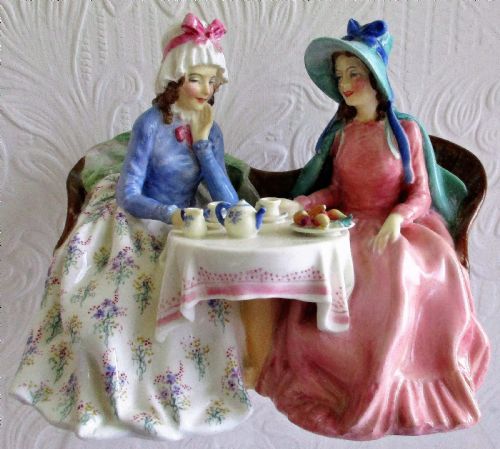
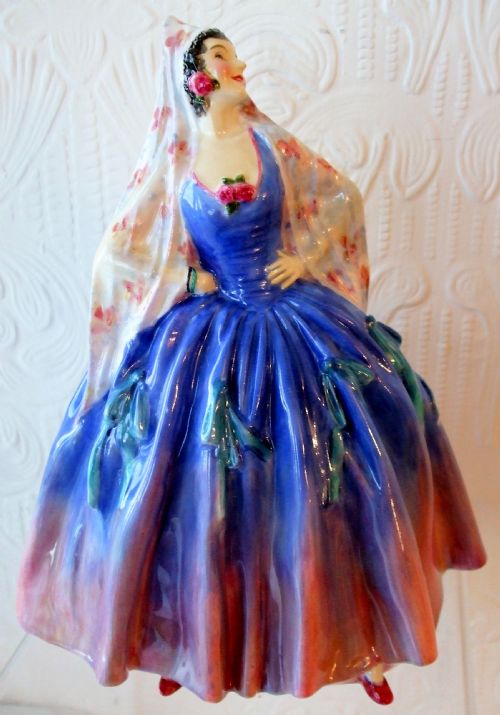
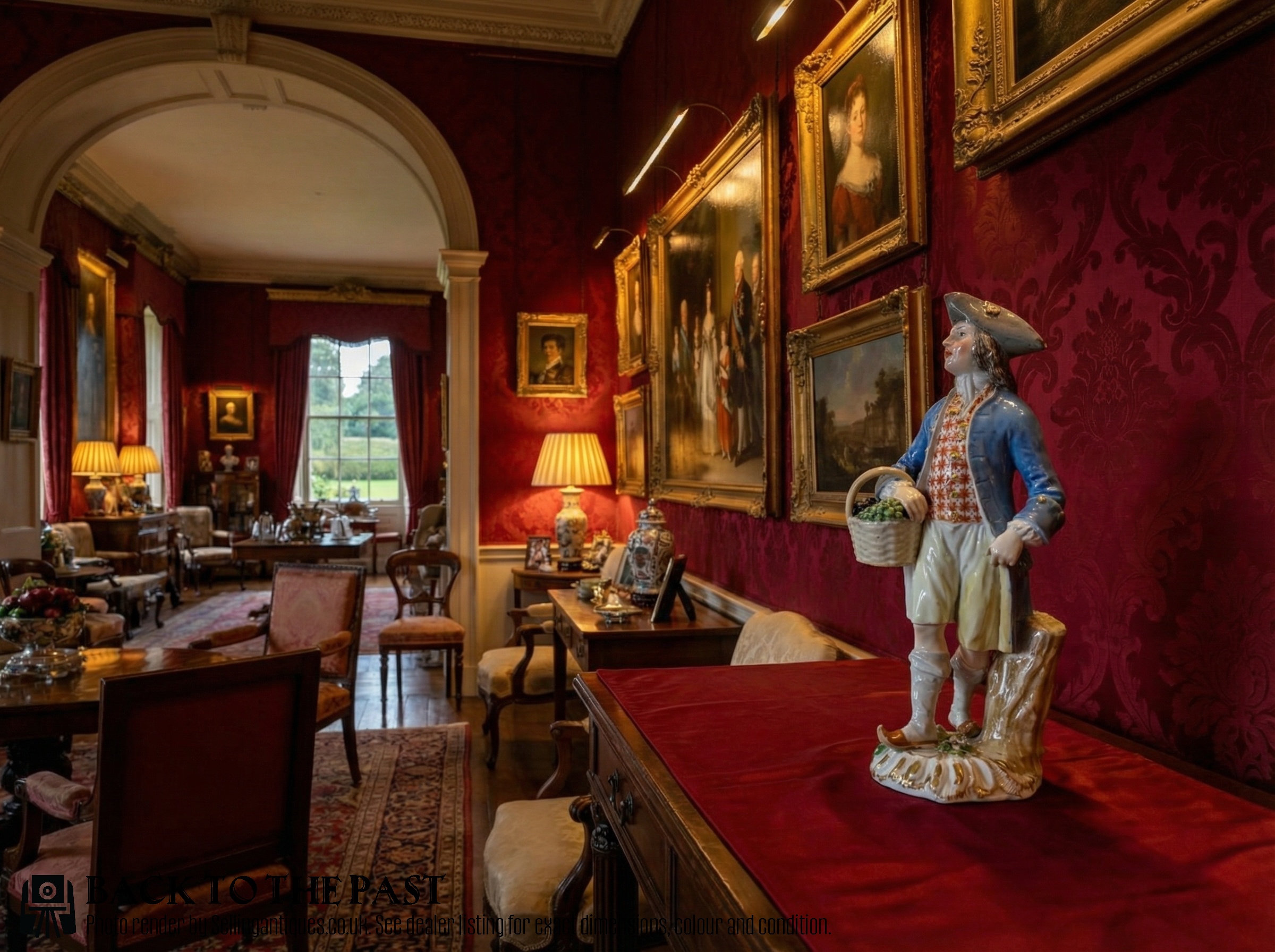
When you search for a hand painted porcelain figurine, you encounter sculptural works that capture human figures, cherubs, and animals across distinct historical periods. These pieces range from eighteenth-century German workshops to twentieth-century English potteries, reflecting changing tastes in interior ornament.
You are most likely to meet nineteenth-century examples and twentieth-century bone china pieces on this page, alongside earlier continental European works. Forms vary from single figures such as young boys and street traders to dancing angels and literary characters.
The styles span Rococo and Rococo Revival, Victorian design, and Art Deco, showing how makers adapted traditional sculptural forms to suit contemporary interiors. Each object balances fine ceramic modelling with careful surface decoration.
Materials and Technique
These figures utilise porcelain, hard-paste porcelain, and bone china as their primary body materials, shaped through skilled moulding and modelling. Makers applied glazes to create smooth, vitreous surfaces that held pigment effectively during firing.
Retail Price Guide 2026
Typical UK retail prices for hand painted porcelain figurine, calculated from the Sellingantiques database of over a million retail prices indexed since 2003. This retail price guide relies exclusively on Sellingantiques data; no external sources or auction records are used, so the figures do not describe the wider market.
A dancing angel and a duck sit among the humans, proving that porcelain whimsy knows no species boundary.
Judging Quality
Quality rests in the crispness of the modelling and the precision of the hand painting, where finer brushwork defines facial expressions and drapery folds. Superior examples display subtle shading in the enamels and clean application of gold gilt.
The sophistication of the form distinguishes exceptional work from simpler output, with Rococo Revival and eighteenth-century pieces often showing more intricate surface movement. The integration of glaze and pigment determines how well the surface retains its visual depth over time.
Meissen·Royal Doulton·Royal Berlin
The Hand Painted Porcelain Figurine Glossary
- Hard-paste porcelain
- A dense, durable ceramic material fired at high temperatures, composed of kaolin and petuntse. It provides a bright white body well suited to detailed modelling.
- Bone china
- An English ceramic body incorporating bone ash, known for its translucency and strength. It allows for thinner walls in sculptural forms.
- Enamel
- Opaque or translucent glass-based paints applied over the glaze and fired again to bond with the surface. These provide the primary colours on painted figurines.
- Gilt
- A thin layer of gold applied to surface details such as clothing edges and bases. Gold gilt enhances the decorative impact of the piece.
- Rococo Revival
- A nineteenth-century design style emulating the curves and ornate detailing of the eighteenth century. It appears frequently in continental European figures.
Frequently Asked Questions
How were these figures used?
Owners placed these pieces on mantelpieces, side tables, and within display cabinets to add colour and sophistication to reception rooms. They acted as conversation pieces and demonstrated the refined taste of the household.
Their scale made them suitable for tabletop display rather than heavy structural use. Collectors grouped them by subject or maker to create thematic arrangements.
How do I care for porcelain figures?
Keep these pieces out of direct sunlight to prevent fading on the hand-painted enamel surfaces. Dust them gently with a soft, dry brush to maintain the finish without risking abrasion.
Avoid using harsh chemical cleaners or submerging them in water, particularly where gold gilt is present. Handle them by the base rather than delicate protruding limbs.
How can I tell periods apart?
Examination of the paste, glaze, and painting style helps distinguish eighteenth-century pieces from nineteenth-century revivals and twentieth-century works. Earlier continental figures often feature softer enamel palettes and distinct modelling characteristics.
Victorian and later pieces show shifts in body composition and decorative techniques that align with industrial developments in ceramics. Comparing the handling of the base provides further clues to age.