


Antique Ceramic Portrait Figure
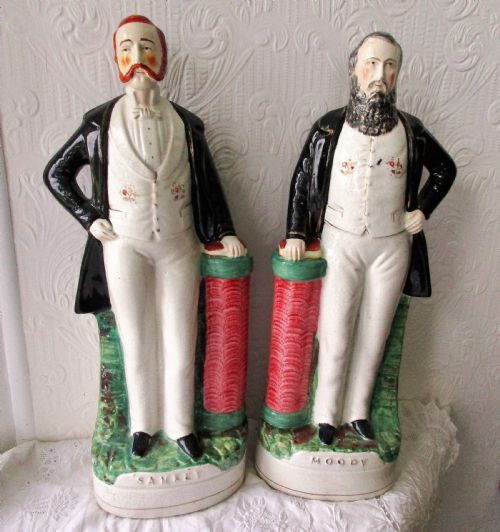
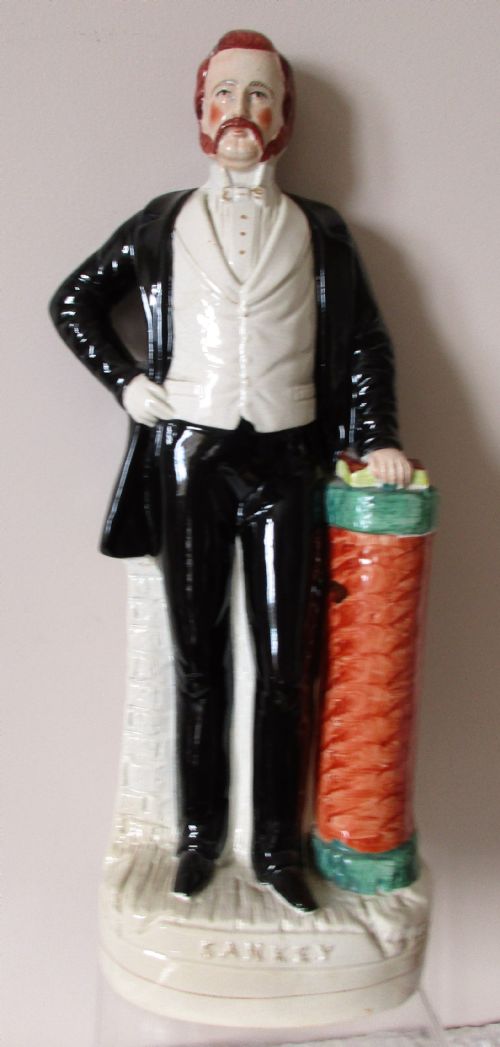
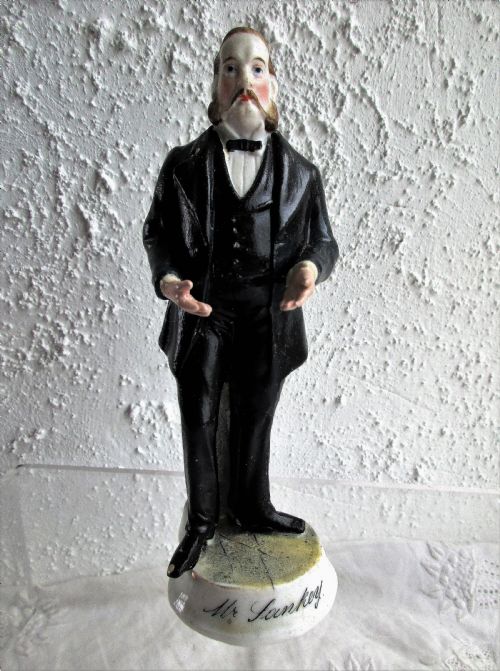
These antique ceramic portrait figure examples capture public heroes and royals in earthenware and porcelain.
Antique Ceramic Portrait Figure
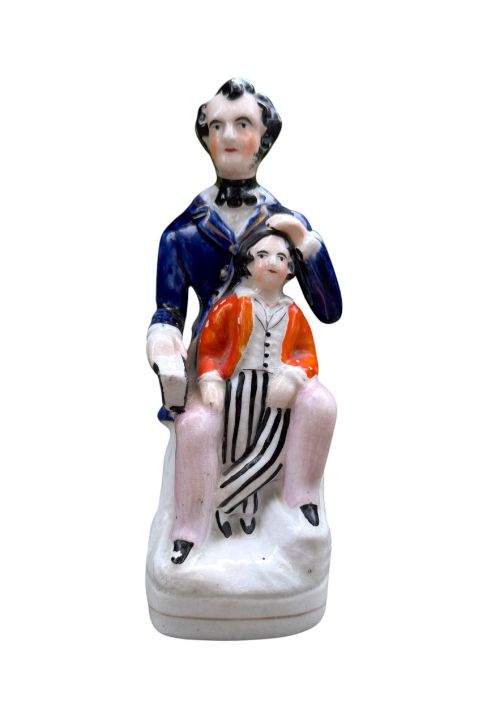
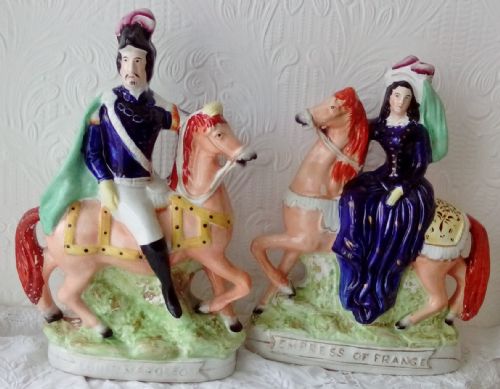
An antique ceramic portrait figure represents specific historical figures, royalty, literary characters and religious subjects from the nineteenth and early twentieth centuries. You will most frequently encounter Staffordshire pottery pieces depicting nineteenth-century personalities, alongside porcelain and terracotta busts.
The selections span distinct periods including the Victorian era, Art Nouveau and Art Deco. Makers captured notable figures ranging from Queen Victoria and military leaders to literary subjects and performers.
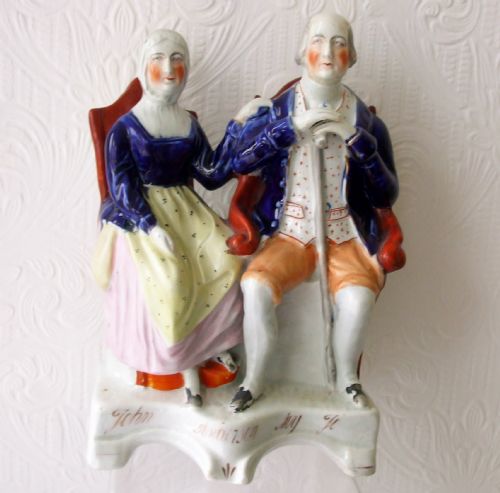
Forms vary from flatback wall-facing figures to freestanding busts and sculptural groups. These pieces record the popular heroes and political alliances of past decades in ceramic form.
Materials and construction
Potters utilised earthenware and porcelain as primary bases, shaping the forms with lead glaze and enamel paint. Terracotta also appears in sculptural busts from later periods.
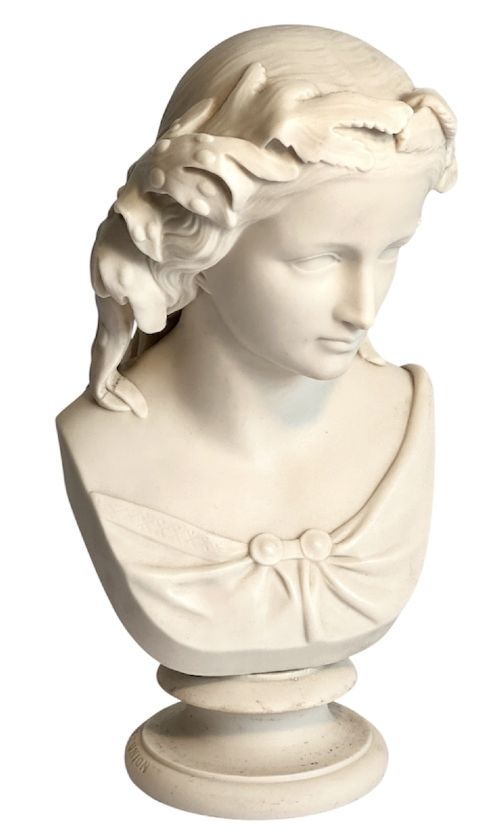
Listings feature Victorian earthenware, Parian ware and Art Nouveau terracotta from the nineteenth and early twentieth centuries.
Evaluating craftsmanship
Quality rests upon the crispness of the modelling and the precision of the hand-painted enamel details. Superior examples display clear facial likenesses and careful application of glaze.
The depth of historical detail in costume and lettering distinguishes finer portrait pieces. Finer sculptural busts reveal subtle contours in the clay or porcelain surface.
Copeland·Ernst Whaliss·Bohumil Rezl·A.Gory
The Antique Ceramic Portrait Figure Glossary
- Staffordshire pottery
- Earthenware produced in the Staffordshire Potteries region of England. This area supplied the bulk of nineteenth-century portrait figures found in collections today.
- Parian ware
- A fine-grained white unglazed porcelain resembling marble. Copeland and other makers utilised this material for classical and royal busts.
- Flatback
- A figure moulded with a finished front and a plain flat unpainted reverse. Potters designed these pieces to sit flush against a mantelpiece wall.
- Lead glaze
- A glossy vitreous coating applied to ceramic bodies before firing. This technique created a waterproof shiny finish on earthenware surfaces.
Antique Ceramic Portrait Figure: Frequently Asked Questions
What do antique ceramic portrait figures depict?
These pieces portray monarchs, politicians, military leaders, evangelists and literary characters. Makers recorded contemporary public interest through likenesses of historical figures.
Subjects range from British royalty to American statesmen and European political figures. They served as domestic ornaments honouring public figures of the nineteenth century.
How do I identify a Staffordshire portrait figure?
Staffordshire figures typically feature earthenware construction with hand-painted enamel colours and glossy lead glazes. Many examples include raised lettering on the base naming the subject.
Most nineteenth-century pieces utilise a flatback construction designed for mantelpiece display. These figures often depict British royalty or notable religious and military personalities.
What is Parian ware?
Parian ware is a type of fine white unglazed porcelain developed in the nineteenth century. It possesses a smooth matte texture that imitates carved marble.
Manufacturers utilised Parian ware primarily for portrait busts of royalty and literary figures. This material offered a neoclassical aesthetic distinct from brightly painted earthenware.
Where were these figures displayed?
Owners placed these ceramic figures on mantelpieces, sideboards and tables within nineteenth-century homes. Flatback varieties sat securely against walls in living spaces.
Displaying public heroes and royals demonstrated political loyalties and cultural interests. These domestic ornaments brought public figures into private parlours.