




19th Century Earthenware Figure
These figures bring the character, colour and stories of the Victorian era directly into your home.

19th Century Earthenware Figure
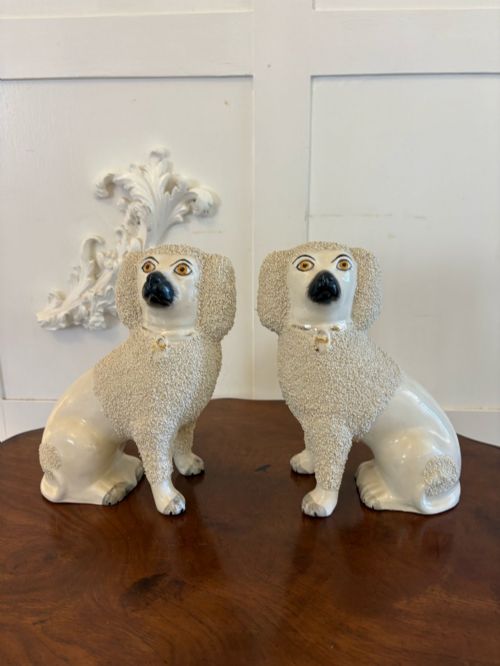
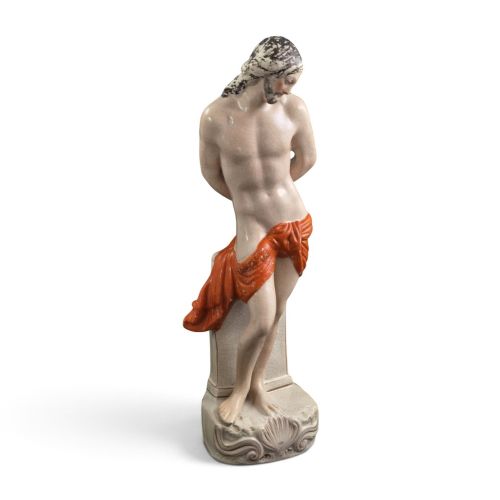
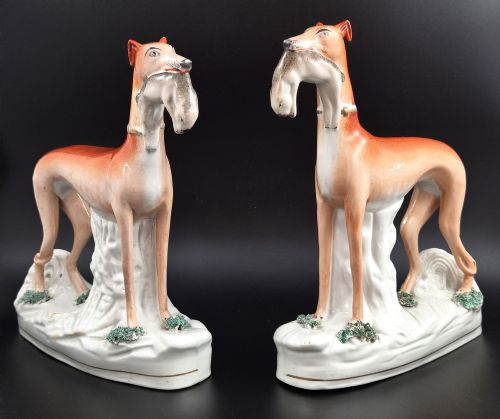
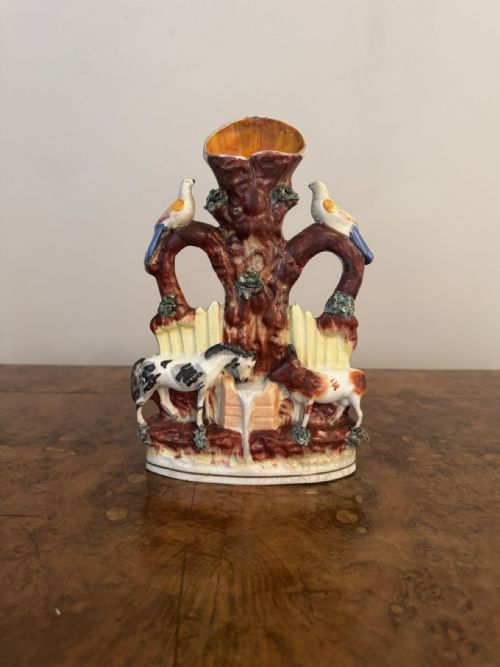
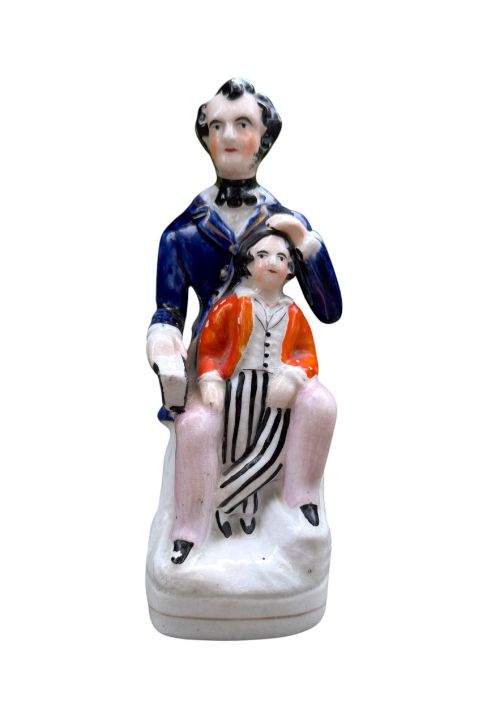
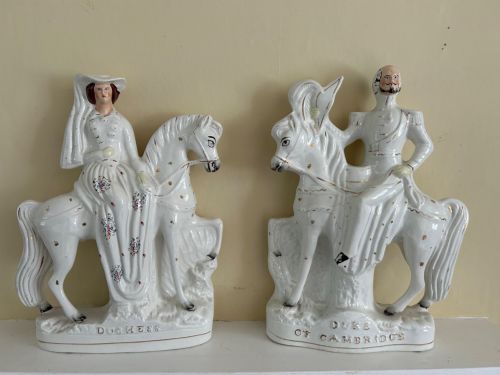
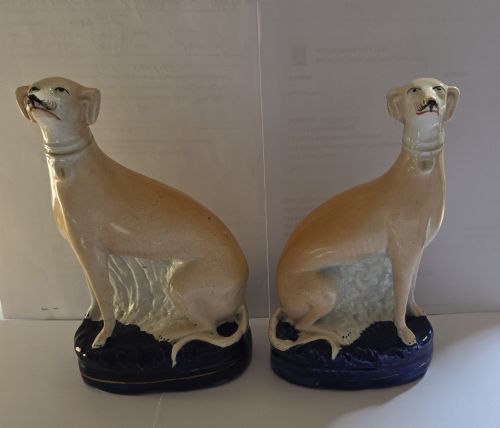
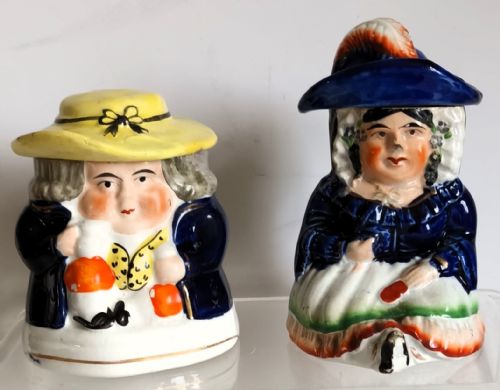
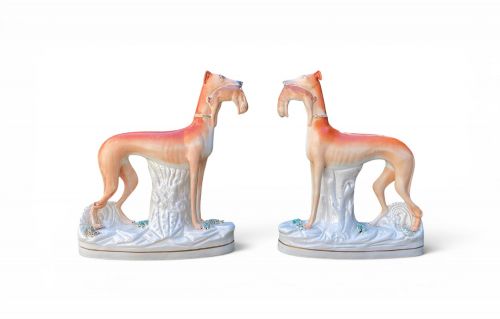
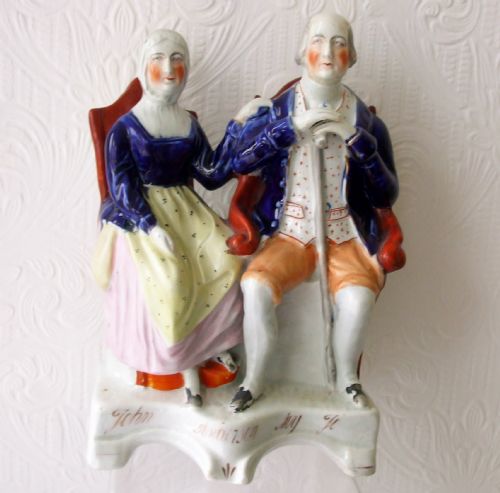
A 19th century earthenware figure captures the popular subjects, portraiture and domestic animals of the Victorian period in moulded clay. When searching for a 19th century earthenware figure, buyers encounter Staffordshire pottery portrait groups, spill vases, and pairs of seated dogs such as greyhounds and spaniels.
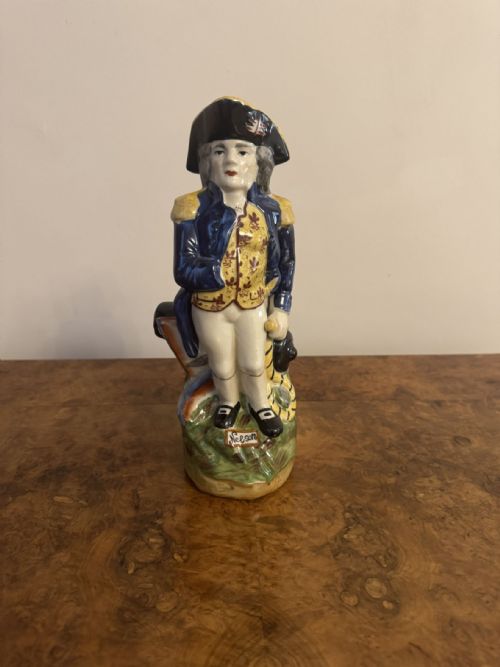
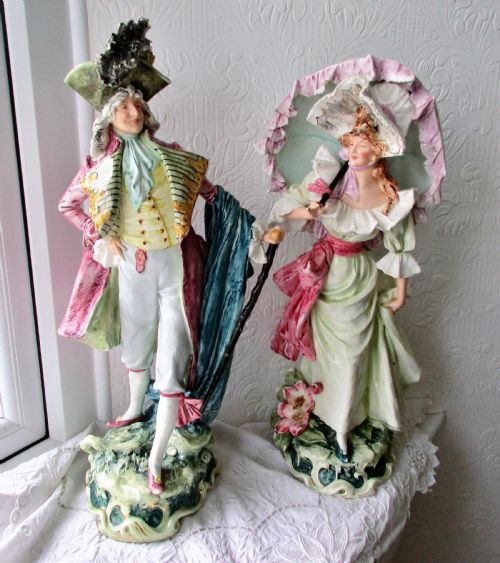
The selection ranges from historical figures and literary characters to flatback mantel ornaments designed to be viewed from the front. Most examples originate from English potteries, alongside occasional continental European pieces from the same period.
These ceramic pieces served as chimney ornaments and mantelpiece displays in homes during the nineteenth century. They reflect the tastes, amusements and commemorative culture of the Victorian era.
Materials and production methods
Moulds formed the body of the figure, with flatbacks left unglazed and hollow on the rear side to save weight and material during firing. Subsequent kiln firings set the ceramic body before artists added surface colours and secondary glazes.
Packs of ceramic poodles and greyhounds stand ready to guard the mantelpiece without ever shedding on the rug.
Factors influencing quality
Quality in a 19th century earthenware figure depends on the crispness of the moulding and the precision of the hand-painted enamels. Superior examples retain bright, clean colours and well-defined facial expressions without blurring or messy paint drips.
The crispness of the modelling in the clay dictates how effectively the piece conveys the likeness of a portrait subject or the texture of an animal's coat. Well-preserved gilding and minimal glaze crazing also distinguish finer specimens from ordinary production pieces.
The 19th Century Earthenware Figure Glossary
- Flatback
- A figure moulded with a finished front and a flat, unadorned rear designed to stand flush against a mantelpiece wall. This style became common in Staffordshire potteries during the Victorian period.
- Spill vase
- A hollow cylindrical vase attached to a figure, intended to hold wooden spill splints used for lighting fires or pipes. These combine decorative sculpture with practical domestic use.
- Pearlware
- A refined form of earthenware developed in the late eighteenth and early nineteenth centuries featuring a pale bluish glaze that pooled in recesses to mimic Chinese porcelain. It forms the base material for many early figures.
- Toby jug
- A pottery jug modelled in the form of a seated person, often a robust character wearing eighteenth-century attire. They were used for serving ale in homes and taverns.
- Lead glaze
- A glossy coating containing lead oxide applied to earthenware before firing to seal the porous clay body. It produces a characteristic shine across the surface of the figure.
19th Century Earthenware Figure: Frequently Asked Questions
What are 19th century earthenware figures?
These pieces are decorative ceramic sculptures produced in British and European potteries during the nineteenth century, depicting animals, historical personalities and everyday scenes.
Potters cast them in moulds from earthenware clay before decorating them with hand-applied enamel paints and glazes.
Where were they displayed?
Victorian households typically placed these figures on mantelpieces, tabletops and cottage dressers as decorative ornaments.
Flatback versions sat securely against walls on narrow shelves while spill vases served a functional purpose near hearths.
How do I identify a Victorian piece?
Look for characteristic Victorian subjects such as royalty, military heroes, literary characters and paired animals like spaniels or greyhounds.
The use of earthenware, lead glazes and hand-painted enamel colours further indicates nineteenth-century manufacturing methods.