


Cobalt Ceramic Statue
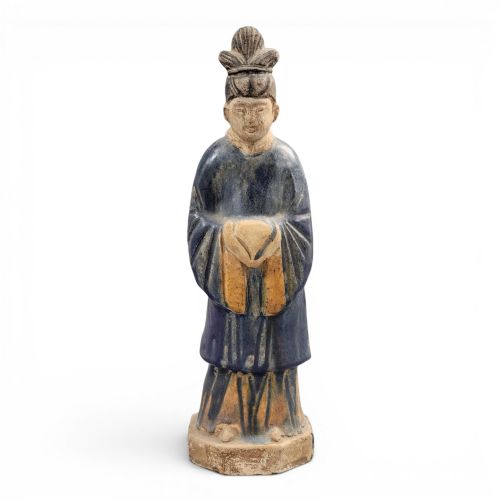
These cobalt ceramic statue pieces range from Tang Dynasty court attendants to Victorian Staffordshire figures, offering rich colour and historic character for any room.

Cobalt Ceramic Statue
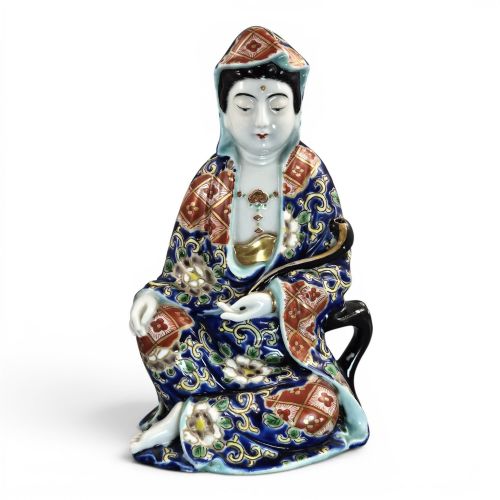
A cobalt ceramic statue brings figurative sculpture into domestic spaces through glazed earthenware and porcelain. Buyers searching this phrase encounter diverse forms, from English Staffordshire portrait figures and animals to Asian ceramic figures spanning multiple centuries.
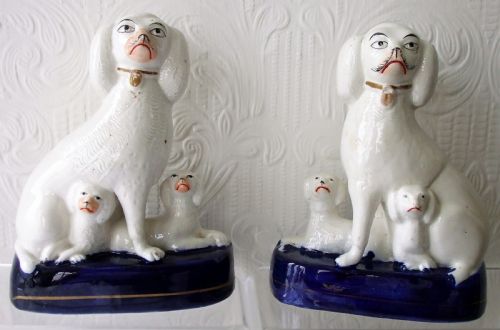
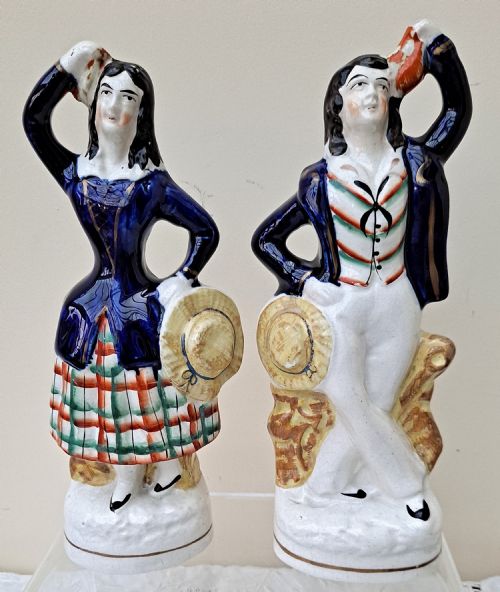
Staffordshire pottery dominates the current selection, featuring Victorian poodles, theatrical pairs, and royal portraits. Alongside these English earthenware pieces, continental porcelain and Japanese Arita or Kutani works appear.
The assortment bridges utilitarian desk accessories and pure decorative display objects. These figures capture human, animal, and mythological subjects rendered in durable ceramic bodies.
How they were made
Makers utilised earthenware, terracotta, and porcelain as the foundational bodies for these sculptures. Potters shaped the clay by hand or in moulds before applying lead or tin-based glazes.
Cobalt and other mineral pigments created the distinctive blue hues seen in the glazes and underglaze decoration. Skilled artisans occasionally added enamel colours and gold leaf highlights over the fired glaze surface.
Listings feature earthenware, porcelain, and terracotta materials decorated with glaze and gold leaf across the nineteenth century and earlier periods.
What varies in quality
Model crispness and facial expression set the finest figures apart from simpler production pieces. Superior examples display careful hand-painting in the eyes, clothing, and decorative details.
The stability of the ceramic body and the evenness of the glaze application indicate workshop skill. Intricate mouldings, such as encrusted details on cushions or applied hair work, require advanced technical control.
The Cobalt Ceramic Statue Glossary
- Staffordshire pottery
- Earthenware produced in the industrial potteries of Staffordshire, England. This region became famous for domestic figures, animals, and commemorative portrait pieces during the nineteenth century.
- Bisque porcelain
- Unglazed porcelain fired once to create a matte, porous surface with a texture similar to marble. It gained popularity for detailed portrait busts and classical figures.
- Sancai
- A three-colour glaze tradition used in Chinese ceramics, particularly during the Tang Dynasty. It typically combines amber, green, and creamy white or blue tones.
- Enamel
- Coloured vitreous glass fused to the ceramic surface during a secondary, low-temperature firing. This technique allowed makers to introduce bright surface colours.
- Gilt
- A thin layer of gold applied to the surface of the ceramic or glaze for decorative accent. It frequently highlights the borders, clothing, or bases of nineteenth-century figures.
Cobalt Ceramic Statue: Frequently Asked Questions
How do I clean antique ceramic figures?
Dust figures gently with a soft, dry brush to prevent the accumulation of dirt in crevices. Avoid harsh chemical cleaners or water immersion, particularly on pieces with enamel or gold leaf decoration.
Old glazes and applied details can be fragile. Professional conservation advice should be sought for pieces showing structural weakness or flaking surface decoration.
Are all blue glazed pieces from the same period?
Blue glazes span millennia of ceramic production across different continents. Tang Dynasty pieces utilise different clay bodies and glazing chemistry compared to nineteenth-century European pottery.
Examining the base, weight, and glaze crazing helps determine the likely era of manufacture. Regional differences in styling provide further clues to a piece's origin.
What is the difference between earthenware and porcelain?
Earthenware is a porous, opaque ceramic fired at lower temperatures, commonly found in English Staffordshire figures. It requires a glaze to become impermeable to liquids.
Porcelain is a dense, vitrified ceramic fired at much higher temperatures, often translucent when thin. Continental and Asian works in this selection typically utilise porcelain bodies.
How should I display ceramic statues safely?
Place figures on stable, level surfaces away from heavy foot traffic and direct sunlight. Enclosed display cabinets protect delicate protrusions and reduce dust accumulation.
Ensure that shelving supports the weight of denser earthenware and porcelain pieces. Avoid areas subject to rapid temperature fluctuations that could stress old ceramic bodies.