





18th Century Meissen Porcelain
These pieces of 18th century meissen porcelain offer hard-paste ceramic artistry and painted decoration that elevate any interior space.
What 18th century meissen porcelain is
When you search for 18th century meissen porcelain, you encounter hard-paste porcelain created at the European factory that mastered the medium. The inventory spans decorative objects, figures, bowls, and trinket boxes from this era.
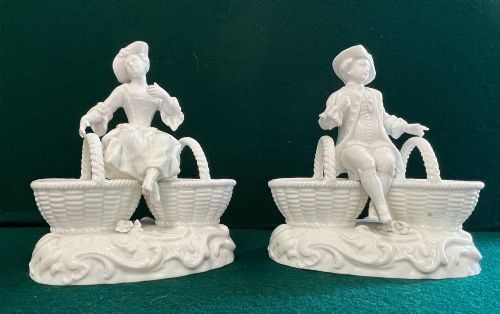
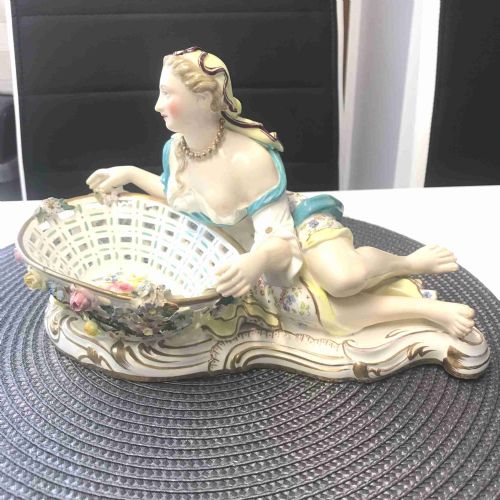
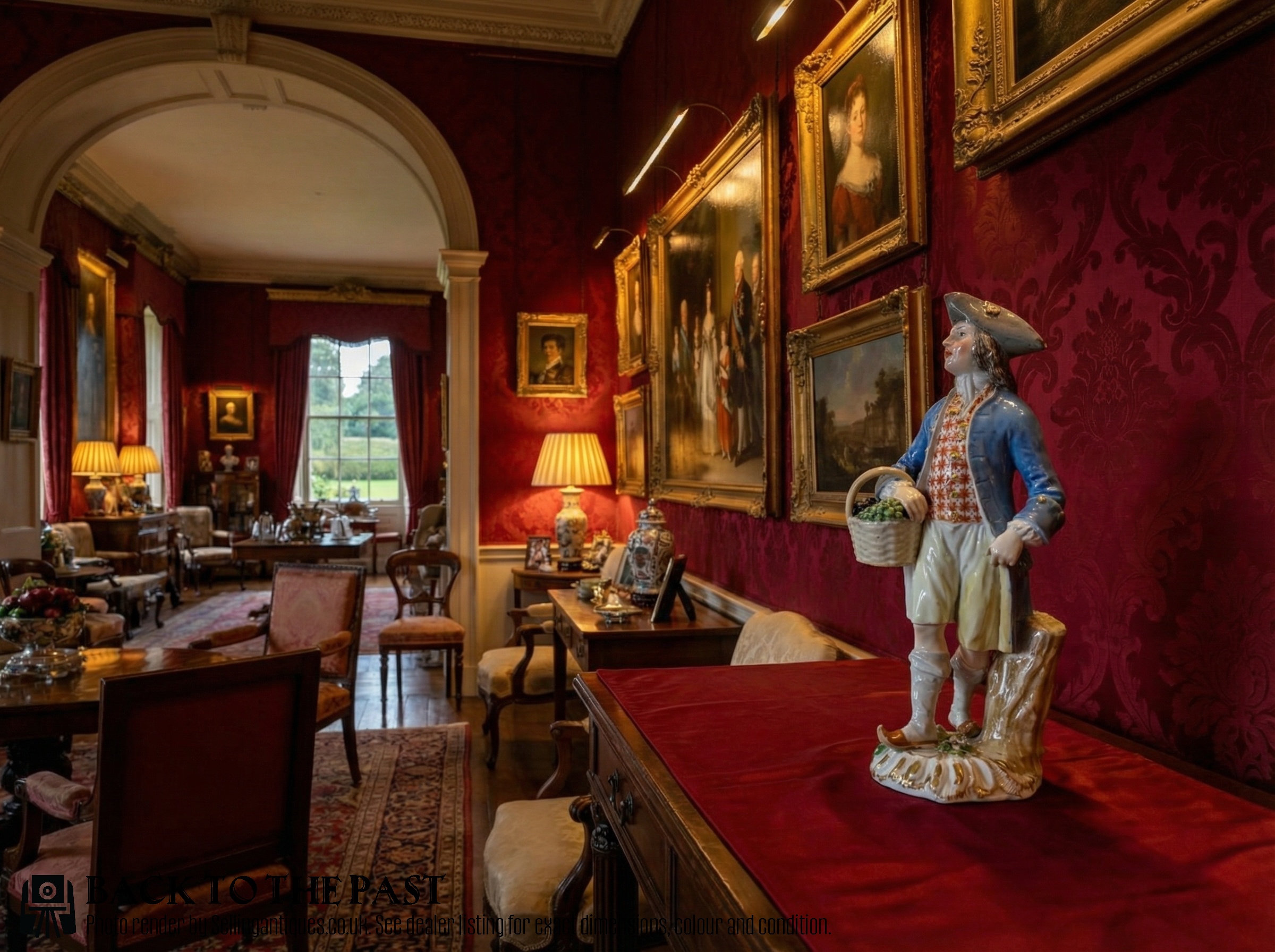
Figurines depicting street traders, ladies, ladies and gentlemen, harlequin and columbine, and putti appear frequently alongside useful forms like sugar bowls and plates.
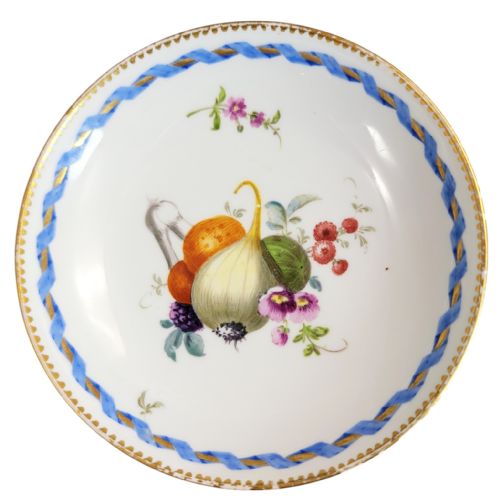
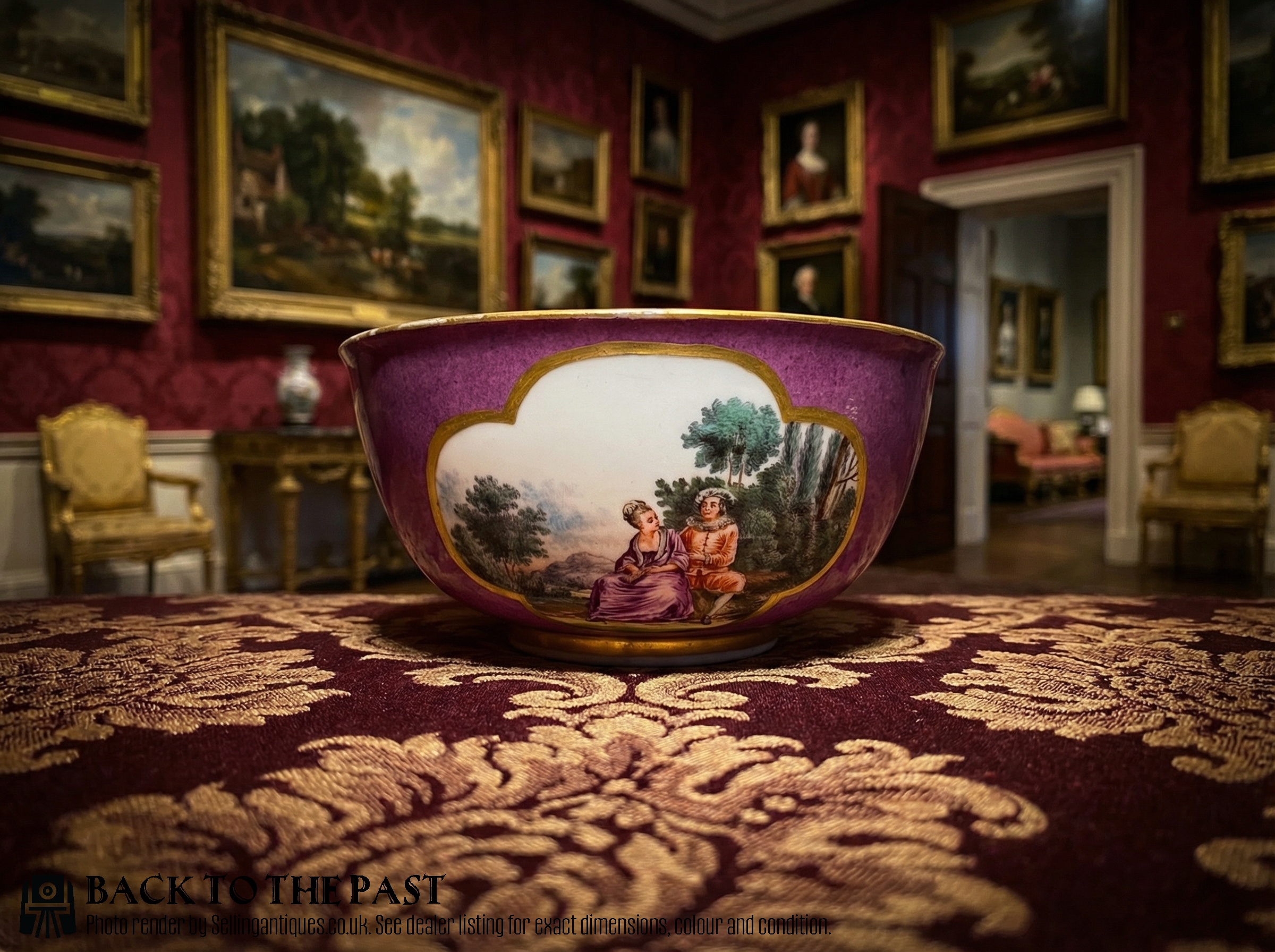
The objects showcase the rococo style, employing hand-painted enamel colours and gilt finishes that reflect the aesthetic of the period.
How they were made
Makers utilised hard-paste porcelain as the primary medium, shaping bowls, plates, trinket boxes, and sculptural figures by hand. Kiln firing fixed the ceramic body before artists applied surface decoration.
Enamel colours and gold leaf were hand-painted onto the glazed porcelain surfaces, sometimes supplemented with gilt bronze mounts, ormolu, and wooden elements.
Retail Price Guide 2026
Typical UK retail prices for 18th century meissen porcelain, calculated from the Sellingantiques database of over a million retail prices indexed since 2003. This retail price guide relies exclusively on Sellingantiques data; no external sources or auction records are used, so the figures do not describe the wider market.
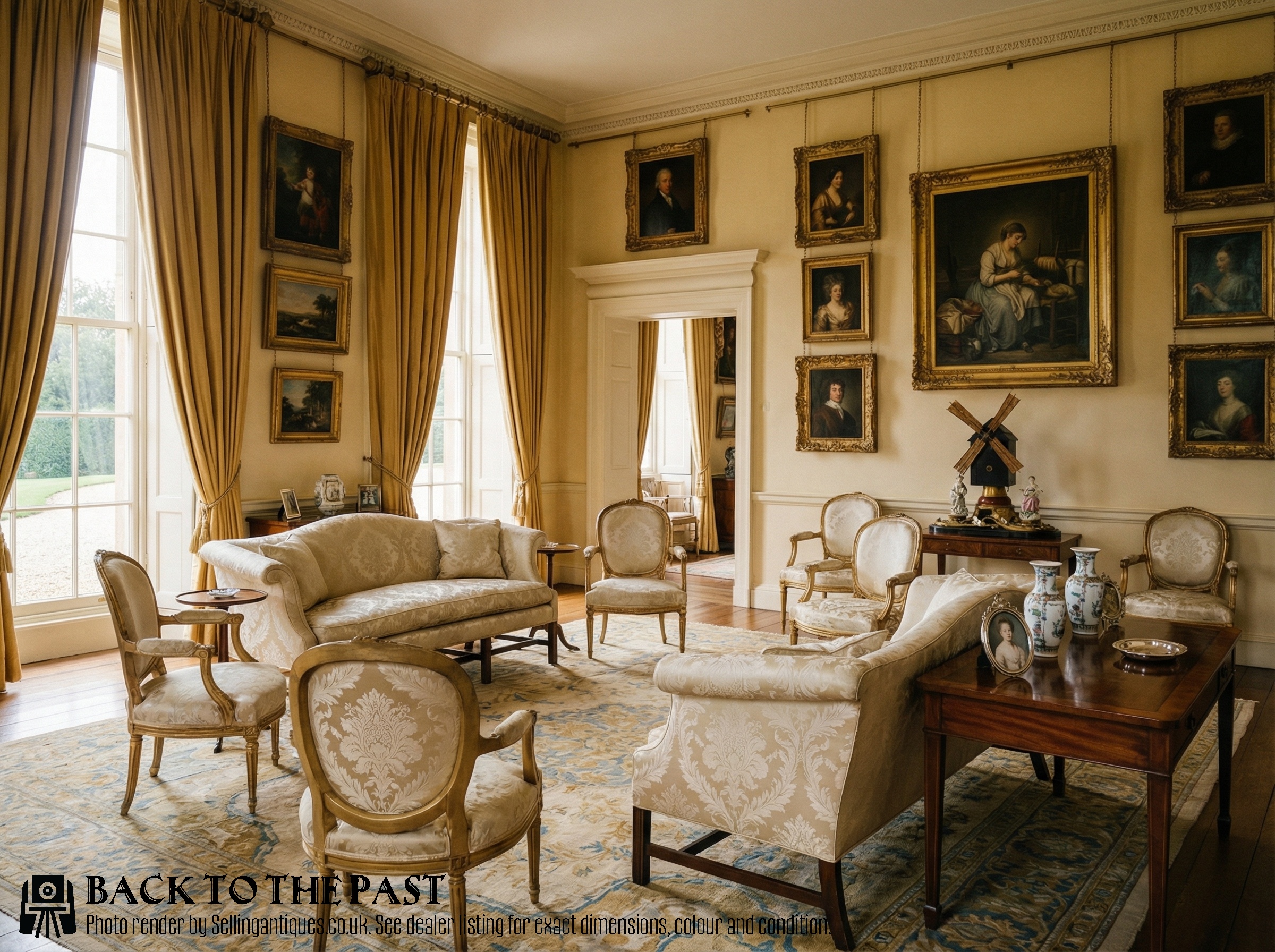
A windmill made of ormolu shares space with a harlequin and columbine, proving that eighteenth-century porcelain makers loved theatrical spectacle.
What varies in quality
The refinement of hand-painted enamel details and the precision of the modelling separate ordinary figures and vessels from superior examples. Early period pieces show distinct painting hands and varying depths of glaze.
The integration of secondary materials like ormolu mounts and gilt bronze influences the overall presence of decorative objects and boxes.
The 18th Century Meissen Porcelain Glossary
- Hard-paste porcelain
- A true ceramic paste composed of kaolin and petuntse, fired at high temperatures to create a dense, vitrified body. This material forms the durable foundation of German factory pieces.
- Enamel
- Opaque vitreous pigment applied to the porcelain surface and fired to fuse with the glaze. It provides the permanent colour for painted scenes and figures.
- Ormolu
- Gilded bronze used for mounts, frames, and structural elements supporting porcelain figures and boxes. This technique frames the ceramic components in polished metal.
- Rococo
- An artistic style characterised by asymmetric curves, natural motifs, and ornate scrollwork. It dominates the decorative vocabulary of mid-eighteenth-century European objects.
- Dot Period
- A specific phase of production identified by factory marking conventions used during the eighteenth century. Collectors use this term to date marked plates and vessels.
Frequently Asked Questions
What is 18th century meissen porcelain?
It is hard-paste ceramic ware produced at the Meissen factory during the eighteenth century, encompassing figures, bowls, plates, and trinket boxes.
These objects combine European ceramic innovation with hand-painted enamel decoration and rococo styling.
How were these porcelain figures used?
Figures and decorative objects served as table ornaments and display pieces in wealthy European interiors during the period.
Bowls and plates functioned as tableware or decorative service items for sugar and sweetmeats.
How do I live with antique meissen?
Display pieces securely on stable surfaces away from direct sunlight and heavy foot traffic to protect delicate enamel and gilt surfaces.
Handle boxes and figures with care, supporting any ormolu mounts or protruding limbs during cleaning.
How do I identify dot period pieces?
Look for specific factory marks applied beneath the glaze during the mid-eighteenth-century production runs.
Compare the painting style, form, and material characteristics against documented examples from the same era.