



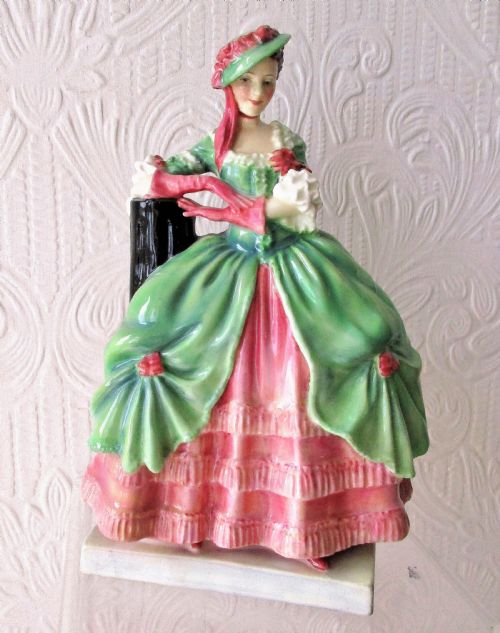
English Porcelain Collectable
An english porcelain collectable brings centuries of painterly skill and modelled form directly to the cabinet.
English Porcelain Collectable
Collectors seeking an english porcelain collectable find an array of utilitarian vessels and decorative objects originating from notable British factories and workshops.
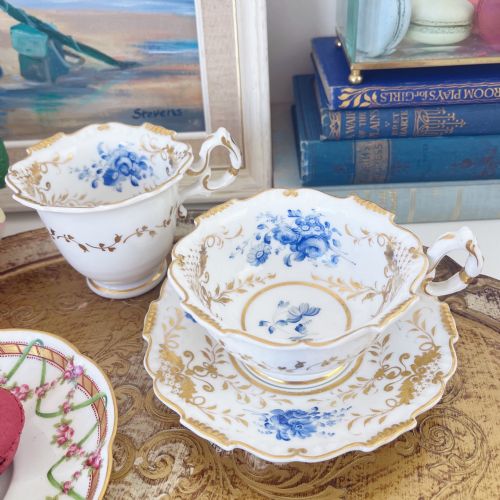
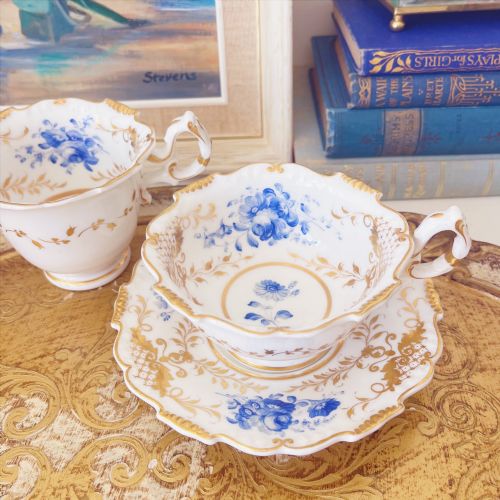
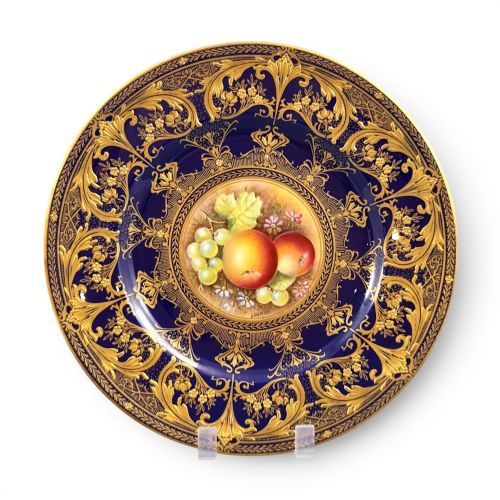
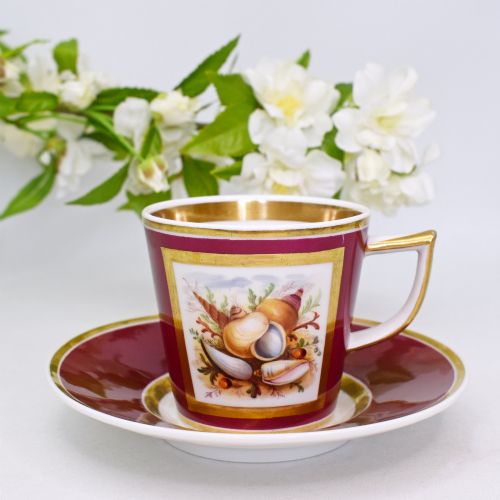
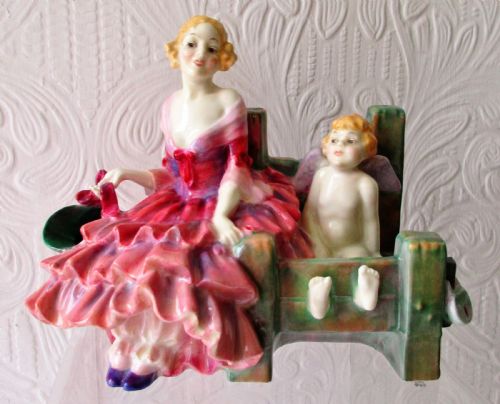
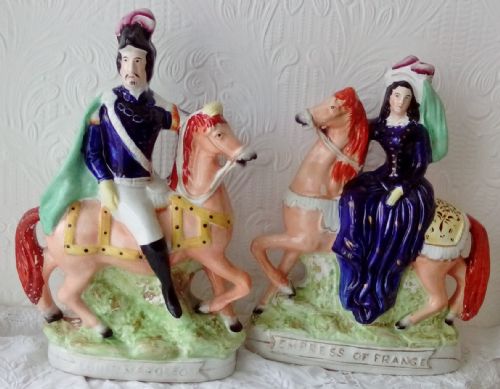
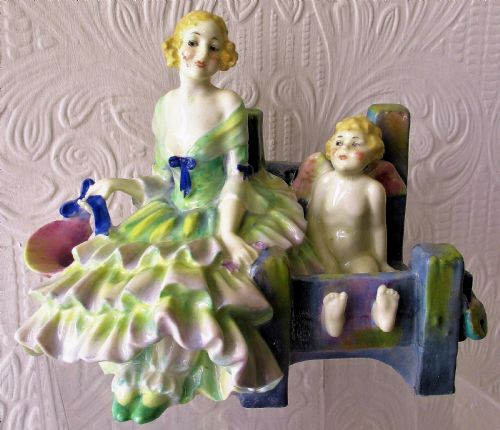
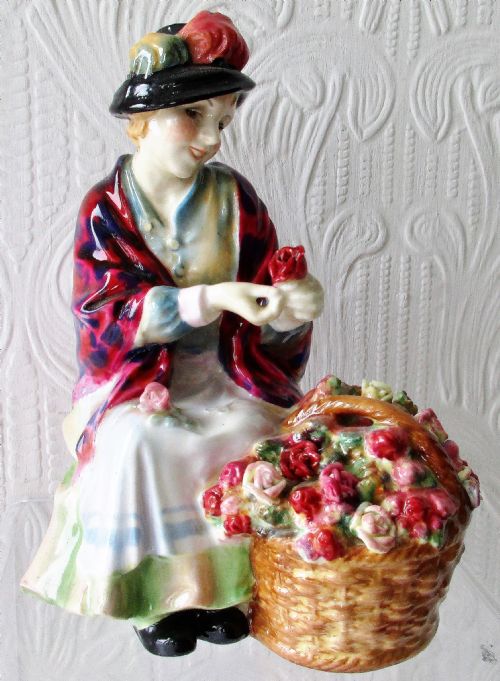
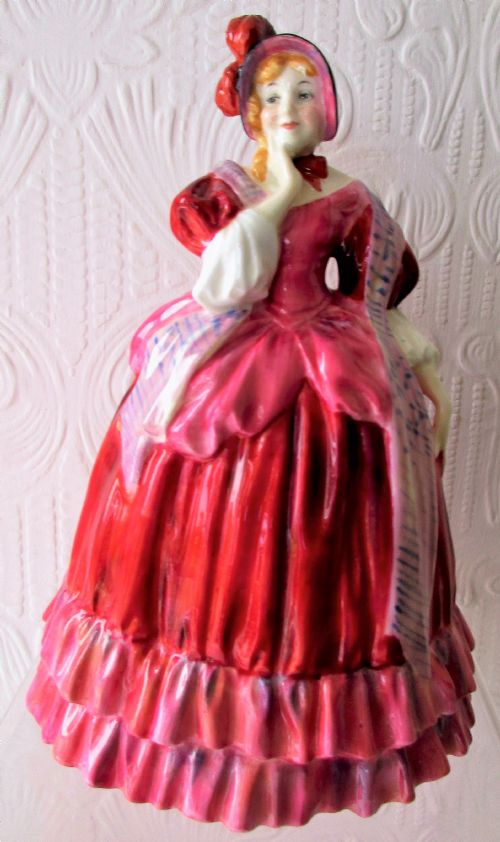
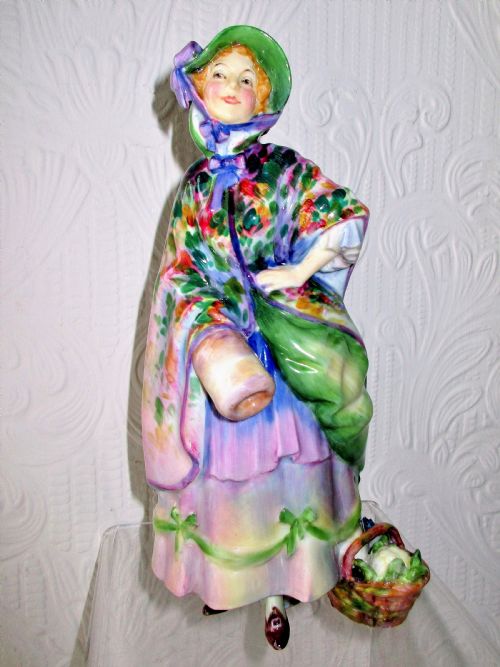
The selections span cabinet plates, handpainted teacups, saucers, vases, and characterful figures produced across Georgian, Victorian, and twentieth-century periods.
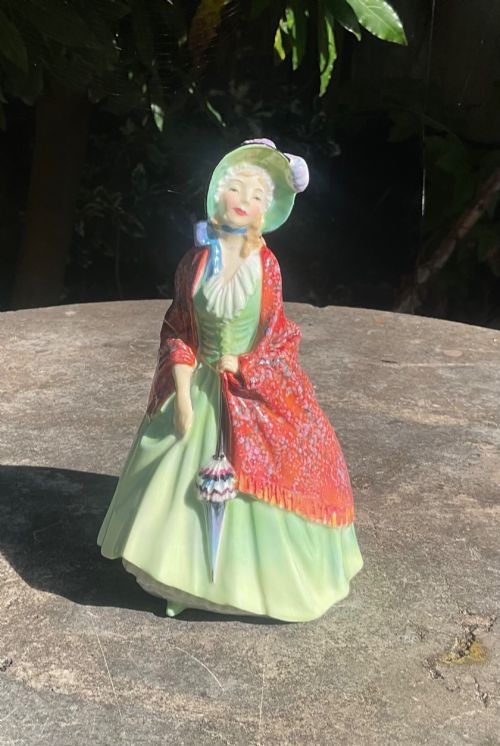
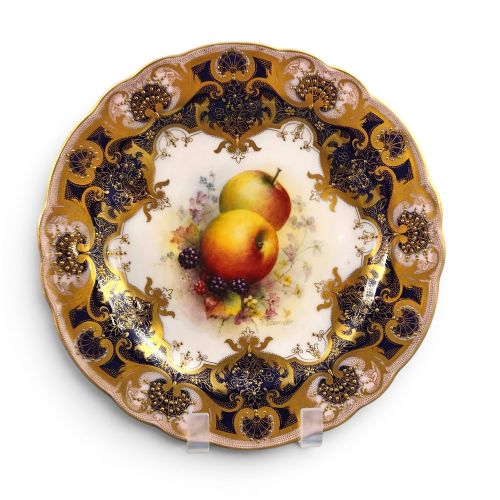
Figurines and fruit-painted dessert plates emerge most frequently, representing both eighteenth-century animal models and detailed twentieth-century character studies.
Materials and production methods
Makers utilised fine porcelain and bone china bodies, shaped manually or cast in moulds before receiving smooth glaze layers.
Decoration relied on handpainting, rich enamels, and delicate gilding with gold leaf applied to accentuate surface details.
English Porcelain Collectable Retail Price Guide 2026
Typical asking prices for english porcelain collectable among the pieces listed under this phrase on Sellingantiques today, from the lower quarter to the upper quarter. They describe what is for sale here now, not the wider market.
Porcelain snow leopards and wild boars share shelf space with polite Victorian ladies.
Judging the range of quality
Excellence rests upon the precision of the handpainting and the crispness of the modelling, particularly visible in painted fruit scenes and facial expressions on figures.
Early eighteenth-century bodies and named artist works demonstrate superior handling of enamel colours and gilding compared to simpler standard wares.
Royal Doulton·Royal Worcester·Derby Porcelain·Flight Barr and Barr·Wedgwood
The English Porcelain Collectable Glossary
- Bone china
- A type of porcelain incorporating bone ash to achieve a whiter, more translucent body.
- Cabinet plate
- A decorative ceramic plate intended for display in a cabinet rather than dining use.
- Enamel
- Opaque vitreous colours fused to the ceramic surface during a secondary firing stage.
- Gilding
- The application of gold leaf or gold paint to highlight rims, handles, and painted motifs.
English Porcelain Collectable: Frequently Asked Questions
How do I date an antique porcelain piece?
Dating relies heavily on factory backstamps, pattern numbers, and stylistic markers associated with specific periods like the Georgian era or the twentieth century.
Comparison with documented examples by known artists further narrows the production window.
Are painted fruit plates safe to use?
These decorative cabinet plates feature delicate handpainted designs and gilding that suffer wear from active daily use.
Preserving the painted fruit surfaces makes display in a cabinet the preferred choice for collectors.
What defines a tea trio?
A trio consists of a matching teacup, coffee cup, and saucer produced together as a coordinated set.
Such sets showcase the height of early nineteenth-century painterly skill and porcelain body formulation.
How should porcelain figures be cleaned?
Dusting gently with a soft, dry brush prevents accumulation without risking the delicate enamels and gold leaf.
Moisture and harsh cleaning agents can damage vulnerable painted details and historic glazes.