



Art Deco Ceramic Figure
An art deco ceramic figure brings the distinctive geometry and bold character of the interwar period straight into a room.
Art Deco Ceramic Figure
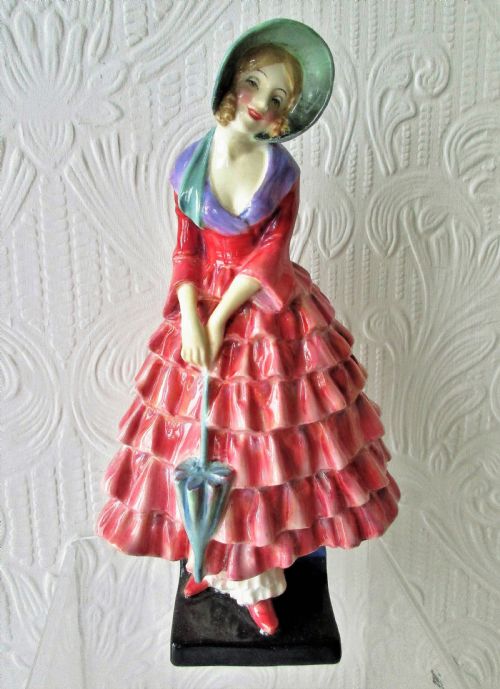
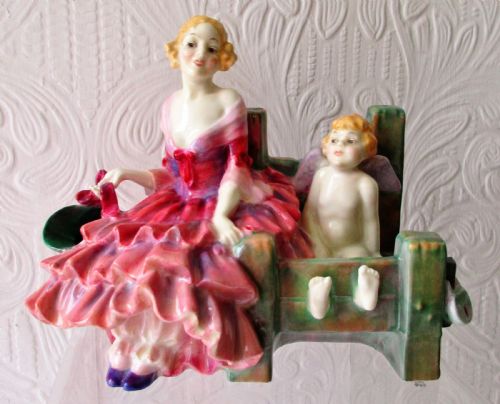
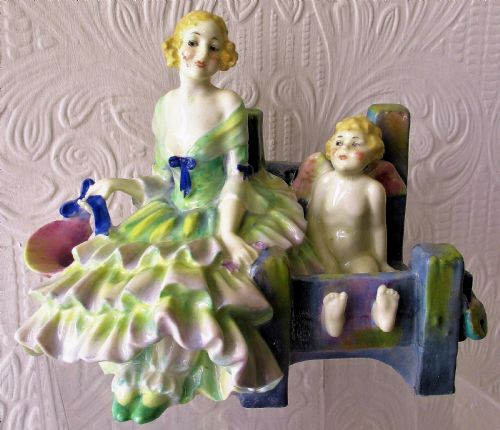
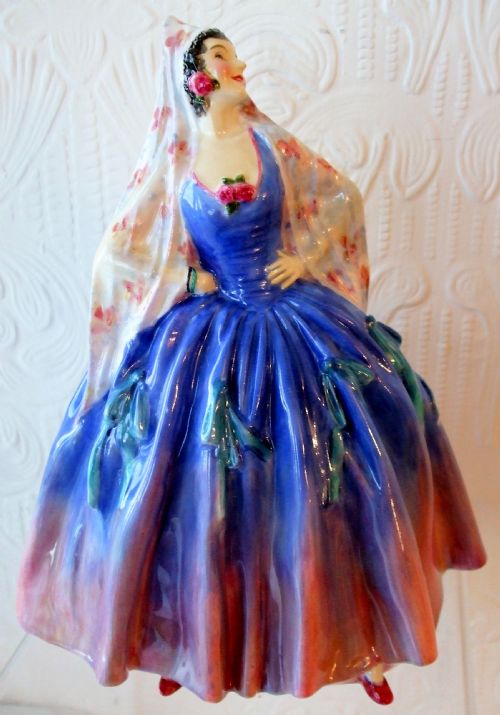
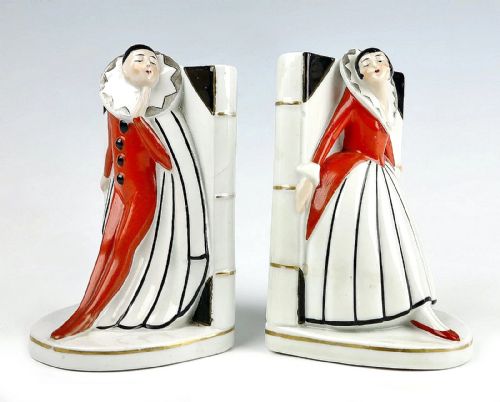
When you search for an art deco ceramic figure, you enter a domain of stylish figurines, bookends, and animal sculptures shaped during the 1920s and 1930s. These pieces capture human dancers, flappers, nudes, and animals through the lens of twentieth-century design.
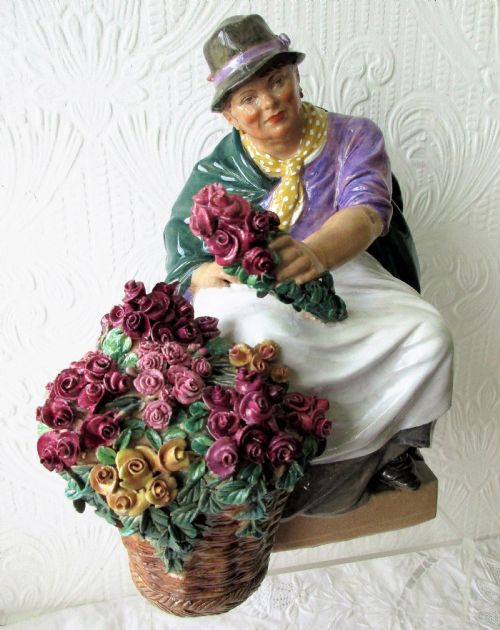
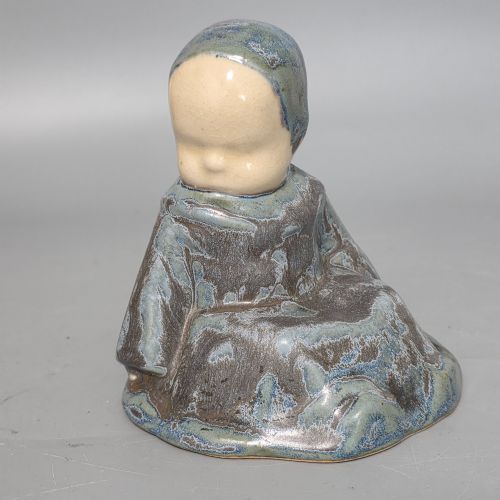
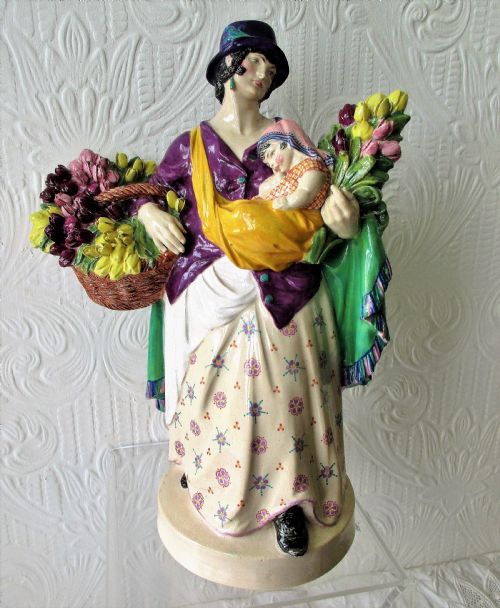
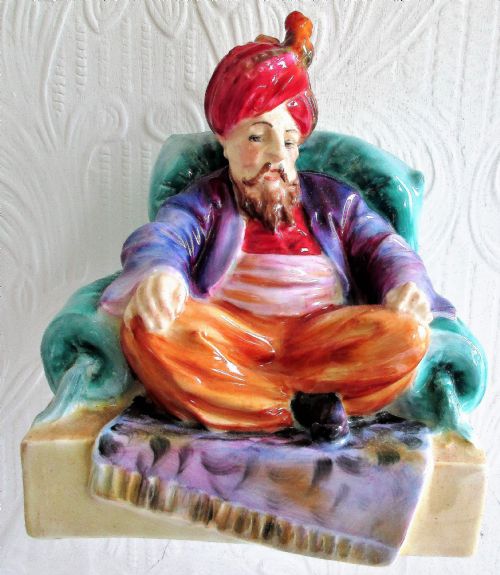
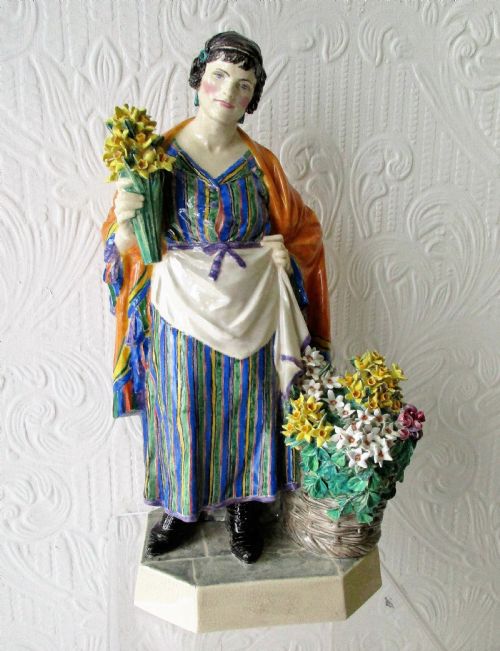
The selection ranges from English porcelain character studies and studio pottery street vendors to continental European earthenware animals and terracotta models. Many pieces reflect the distinct aesthetics of German, French, and English workshops from the period.
Forms stretch beyond standard standing ladies to include powder boxes, lamp bases, perfume stands, and pin cushion dolls. Each object utilises ceramic materials to translate modern artistic movements into domestic ornaments.
Materials and methods
Makers shaped these sculptures from porcelain, earthenware, terracotta, bone china, and stoneware, applying complex glazes to finish the surface. Some objects incorporate crackle glazes, gilded highlights, or inset glass eyes to add texture and depth.
Factories and studios cast the clay bodies in moulds or hand-modelled the forms before firing them in kilns at high temperatures. Artisans then hand-painted or glazed the surfaces, resulting in varied gloss, matte, and bisque finishes.
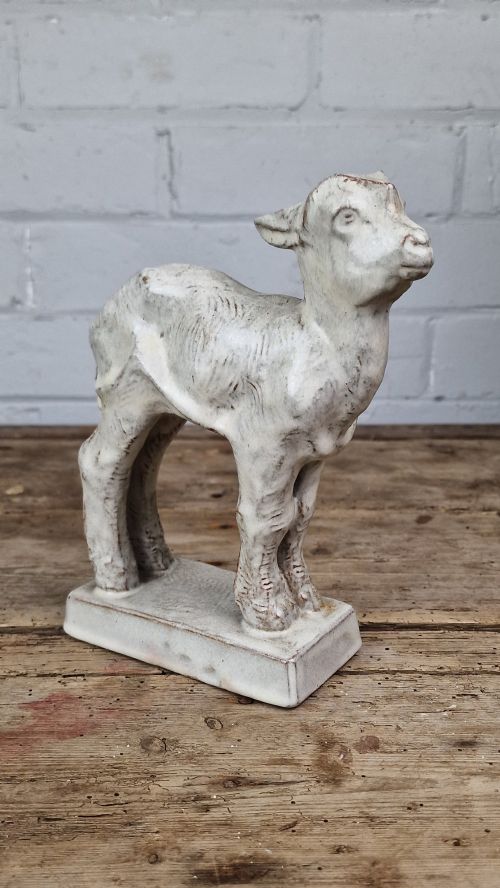
A French cat watches the room through glass eyes while a porcelain kid goat stands nearby.
Distinctions in quality
Signatures, impressed factory marks, and artist attributions elevate certain examples above unmarked commercial output. Pieces bearing the names of recognised modellers or distinguished potteries display superior technical execution in both clay body and surface decoration.
Charles Vyse·Berthe Savigny·Paul Scheurich·Theo Voss·Hans Henrik Hansen·Guido Cacciapuoti·Bohumil Rezl·Fasold & Stuach·Lemanceau
The Art Deco Ceramic Figure Glossary
- Bisque
- Unglazed ceramic body that has been fired once, offering a matte, porous texture often used for delicate sculptural details.
- Bone China
- Type of porcelain containing bone ash, known for its high strength, bright white appearance, and fine translucency.
- Terracotta
- Porous brownish-red earthenware fired at relatively low temperatures, frequently utilised for animal and figurative models.
- Earthenware
- Coarse ceramic material fired at lower heats than porcelain, requiring a glaze to achieve a completely waterproof surface.
Art Deco Ceramic Figure: Frequently Asked Questions
What materials make up an art deco ceramic figure?
These sculptures are constructed from various ceramic compositions, including porcelain, earthenware, terracotta, and bone china. Artists finished the clay bodies with specialised glazes, occasionally adding gilding or glass elements.
The choice of material often dictates the texture and weight of the piece. Denser porcelains allowed for finer facial details, while earthenwares and terracottas supported bolder, heavier silhouettes.
How do I identify the period of a ceramic figure?
Dating relies on stylistic markers, clothing styles of depicted figures, and any impressed or painted factory marks on the base. Pieces from the 1920s and 1930s frequently display characteristic geometric lines, stylized drapery, and modernist motifs.
Studying the specific signature or pottery stamp helps narrow down the decade of production. Many pieces also carry model numbers that link them directly to historical factory catalogues.
Where were these ceramic figures originally displayed?
Owners placed these decorative items on mantelpieces, sideboards, vanity tables, and desks as fashionable interior ornaments. Functional variants like powder boxes and lamp bases also served practical daily roles in domestic spaces.
Their compact sizes made them versatile additions to dressing rooms and living areas. They functioned as conversation pieces that reflected modern tastes of the interwar household.
Are all art deco figures marked by the maker?
Not every piece carries a visible signature or stamp, as many studio works and smaller commercial potteries left items unmarked. Unsigned figures are judged entirely on their artistic merit, modelling quality, and glaze characteristics.
Signed examples typically feature artist monograms, painted titles, or impressed factory ciphers on the underside. The presence of a signature often connects the sculpture to a specific European workshop or known ceramicist.