




Cobalt Blue Pottery Pair
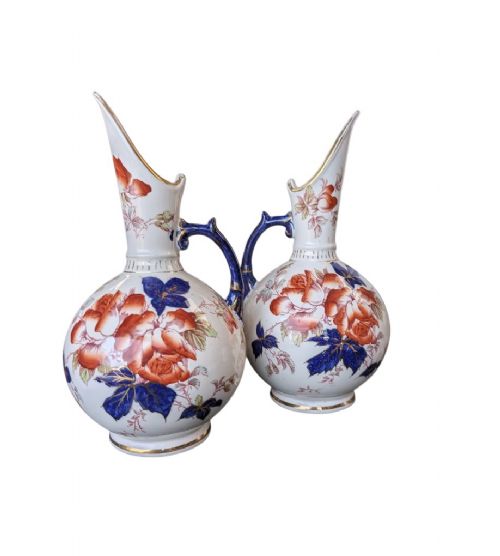
These cobalt blue pottery pair selections bring matching symmetry to any room, spanning centuries of global ceramic artistry from domestic delft to Japanese imari.
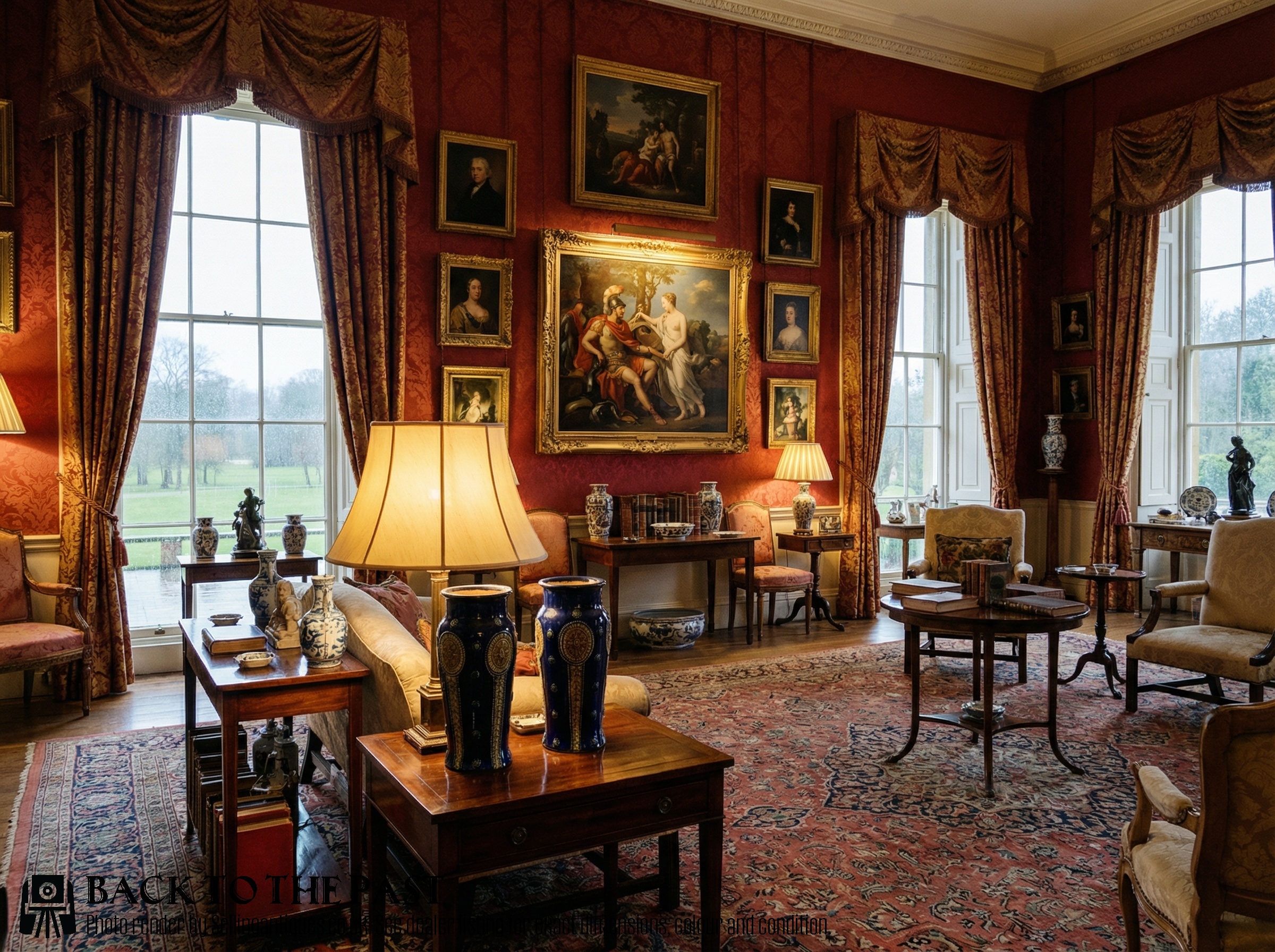
Cobalt Blue Pottery Pair
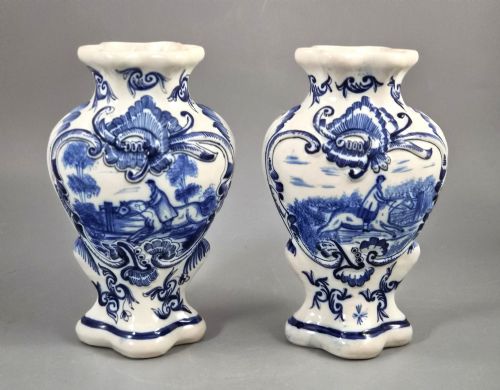
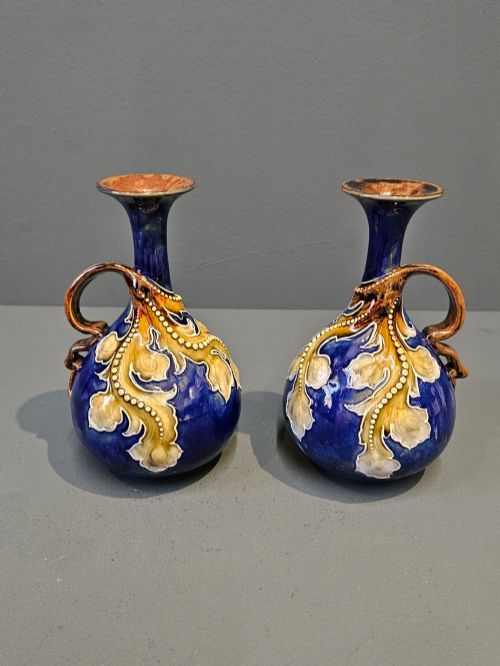
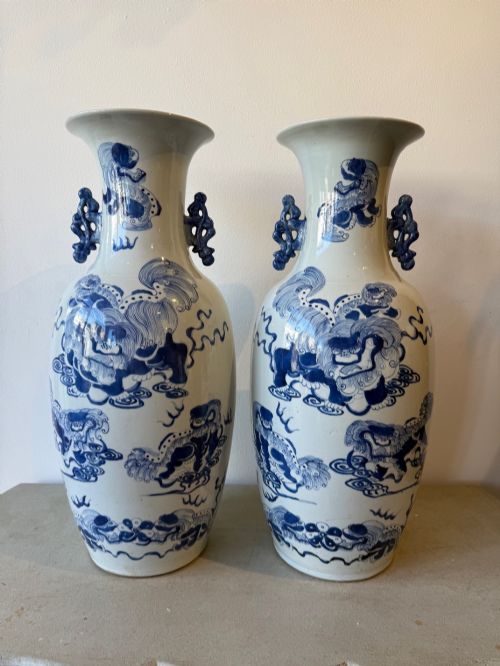
A cobalt blue pottery pair comprises dual matching ceramic items produced across centuries, appearing here in forms such as vases, plates, chargers, and figures. Buyers find matching vessels created for symmetry in display, often originating from English potteries, European factories, and Japanese kilns.
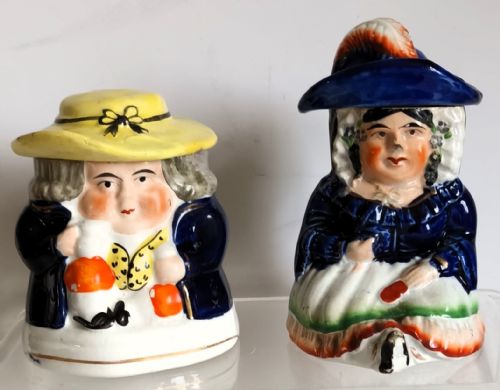
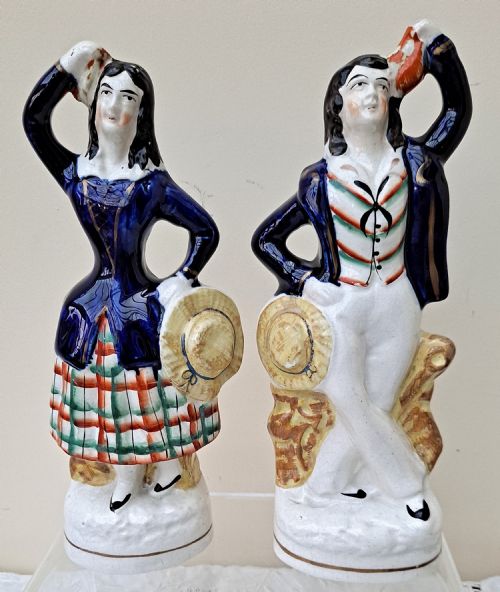
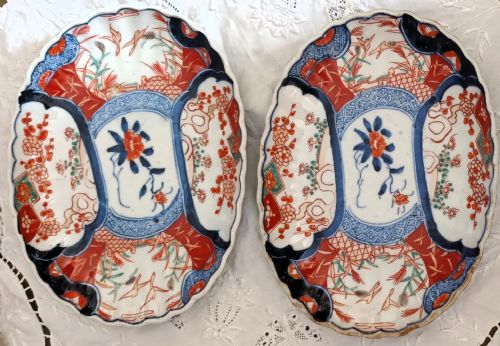
The selection ranges from eighteenth-century delft plates and jars to nineteenth-century Victorian Staffordshire figures and Doulton Lambeth salt-glazed vessels. Japanese Imari and Satsuma porcelains from the Meiji period also feature prominently among these paired objects.
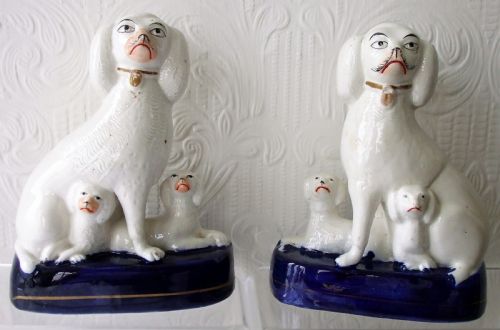
Domestic Staffordshire dogs, inkwells, and tobacco jars sit alongside large decorative chargers and ovid jars. This variety reflects how diverse ceramic traditions utilised cobalt pigment and blue glazes to create balanced pairs for interior decoration.
Materials and methods of production
Potters shaped earthenware, stoneware, and porcelain bodies before applying cobalt pigment directly to the raw clay or over a white tin glaze. This intense blue oxide withstands high kiln temperatures without losing its depth of colour.
Many pieces incorporate additional decorative layers, such as gold leaf, enamel highlights, and raised moriage paste work applied over the glaze. Clear transparent glazes or salt-glazing methods seal the ceramic surface during firing to protect the painted details.
Listings feature earthenware, stoneware, and porcelain spanning the seventeenth through the twentieth centuries.
Distinctions in craftsmanship and design
Quality rests in the precision of the hand-painted cobalt decoration and the crispness of the moulded or thrown ceramic form. Superior pairs exhibit deliberate brushwork and balanced symmetry between both items, whereas simpler versions show minor irregularities from the kiln.
The application of supplementary materials like heavy gilding or elaborate enamel panels elevates certain works, distinguishing standard production items from exhibition pieces created by named makers and major potteries.
Fourmaintraux Courquin at Desvres·Doulton Lambeth·Royal Doulton·Kinkozan·Mintons·Moorcroft Macintyre·Pilkingtons Royal Lancastrian·Ernst Wahliss
The Cobalt Blue Pottery Pair Glossary
- Cobalt Pigment
- A metallic oxide used underglaze to produce a rich, stable blue colour on ceramics fired at high temperatures. It remains the defining colouring agent for traditional blue and white pottery.
- Imari
- A Japanese export porcelain style characterised by underglaze blue combined with iron red, gold, and other enamel colours. The style originated during the Edo period and heavily influenced European ceramic design.
- Delft
- Tin-glazed earthenware originating from the Netherlands and England, typically featuring blue painting on a white opaque background. The porous body requires careful firing and glazing.
- Moriage
- A Japanese ceramic technique using raised clay dots or lines to create textured decorative patterns on vessels. This slip-trailing method is often accented with gold leaf.
- Stoneware
- A dense, hard ceramic fired at high temperatures until vitrified and rendered impermeable to liquids. Doulton Lambeth vessels frequently utilise this durable body.
Cobalt Blue Pottery Pair: Frequently Asked Questions
What defines a cobalt blue pottery pair?
A cobalt blue pottery pair consists of two matching ceramic objects designed to be displayed together for visual balance. They share identical decorative motifs, forms, and blue colour palettes.
These items range from functional vessels like vases and jars to decorative plates and figurines made across various global ceramic traditions.
How do I identify Japanese Imari pairs?
Japanese Imari pieces display a distinctive combination of deep underglaze cobalt blue and iron red, frequently enriched with gold leaf details. They often feature intricate floral, bird, or landscape panels.
Meiji period examples demonstrate exceptional precision in painting and gilding across both matched vessels.
What is the difference between delft and porcelain?
Delft is a tin-glazed earthenware with a porous, softer body covered in an opaque white glaze that takes blue painting readily. Porcelain is a vitrified, dense ceramic fired at much higher temperatures until non-porous.
Delft pieces generally date from earlier centuries, while fine porcelain wares often show more refined, translucent bodies.
How should I display a ceramic pair?
Ceramic pairs look best placed symmetrically on mantelpieces, sideboards, or dedicated display cabinets to preserve their intended visual harmony. Keeping them out of direct sunlight protects any delicate enamel or gold leaf highlights.
Ensure stable placement on flat surfaces since older earthenware and porcelain bases can be uneven.