




Edwardian Stoneware Vessels
Edwardian stoneware vessels are heavy, salt-glazed and slip-decorated items that bring robust utility and early twentieth-century artistry into modern interiors.
Edwardian Stoneware Vessels
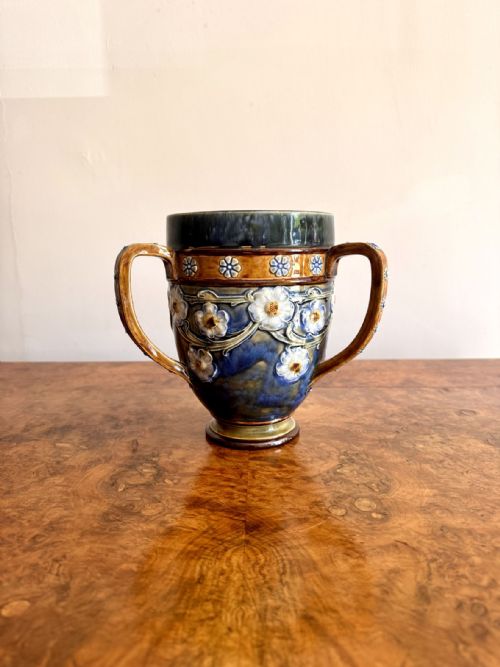
Edwardian stoneware vessels encompass a variety of utilitarian and decorative objects shaped from dense, vitrified clay. When searching for edwardian stoneware vessels, buyers encounter sturdy storage crocks, tall baluster vases, and intricate puzzle jugs originating around the turn of the twentieth century. These pieces bridge the gap between heavy industrial utility and refined domestic display.
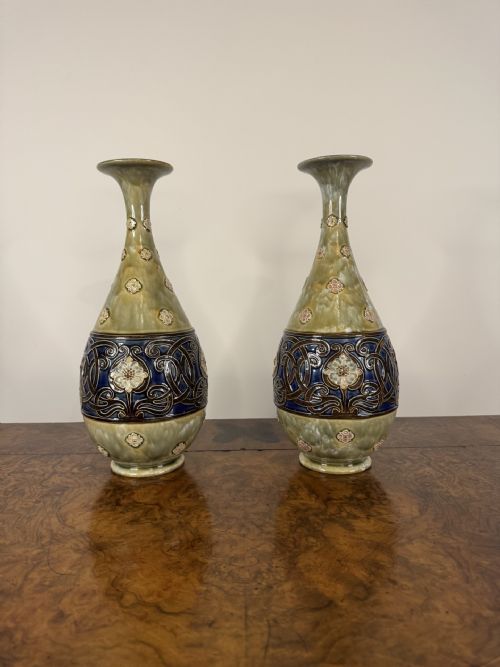
The selections available here lean heavily toward domestic and decorative pottery produced by prominent British potteries. Vases dominate the forms, frequently styled with Art Nouveau floral motifs, autumnal glazes, or raised enamel decoration. Alongside these, buyers find utilitarian bowls and jugs that demonstrate the era's capacity to elevate everyday kitchenware into decorative art.
How they were made
Makers shaped these vessels from dense stoneware clay, often applying salt glazing to create a durable, textured surface with distinctive orange-peel dimpling. Potters utilised specialised techniques like Slater's patent application, pressing lace or textured fabrics into the damp clay body to create intricate background patterns before firing.
Surface decoration frequently involved rich enamel floral details and hand-painted autumnal glazes applied by skilled studio artists. The combination of high-temperature kiln firing and applied slip decoration ensured that each vessel achieved a resilient finish capable of holding liquids or withstanding daily kitchen use.
Edwardian Stoneware Vessels Retail Price Guide 2026
Typical asking prices for edwardian stoneware vessels among the pieces listed under this phrase on Sellingantiques today, from the lower quarter to the upper quarter. They describe what is for sale here now, not the wider market.
The material selection across these items centres entirely on heavy ceramic, clay, and enamel, reflecting the robust industrial output of early British potteries.
What varies in quality
Quality in these pieces is dictated by the crispness of the moulded or incised patterns and the dexterity of the individual decorator. Studio pieces bearing the specific monogram or signature of accomplished artists demonstrate a superior level of hand-finishing compared to standard factory output.
The complexity of the glaze application also separates standard utilitarian wares from high-end decorative objects. Rich, multi-toned autumnal glazes and precise enamel floral borders indicate a more ambitious production process and a higher artistic standard.
Royal Doulton·Doulton Lambeth·Fulham Pottery·Louisa Wakely·Ethel Beard
The Edwardian Stoneware Vessels Glossary
- Stoneware
- A type of pottery fired at high temperatures until the clay body becomes vitrified and non-porous. This density makes the vessels remarkably durable and watertight.
- Salt glaze
- A finish achieved by throwing common salt into the kiln during high-temperature firing, reacting with the silica in the clay to form a glossy, textured coating. It leaves a subtle orange-peel texture across the surface.
- Baluster
- A bottle-like architectural form characterised by a rounded body that tapers upward into a narrow neck. Many decorative vases of this period adopt this classic silhouette.
- Puzzle jug
- An antique drinking vessel featuring a perforated neck that prevents normal drinking, requiring the user to sip through a specific spout or hidden channel. These items tested the drinker's ingenuity through clever ceramic engineering.
- Slater's patent
- A proprietary Doulton technique involving the impression of lace, matting, or textiles into damp clay to produce textured backgrounds. It provides a rich, tactile contrast to smooth glazed panels.
Edwardian Stoneware Vessels: Frequently Asked Questions
What are Edwardian stoneware vessels made from?
These vessels are constructed from heavy, dense clay that undergoes a high-temperature kiln firing until the material vitrifies into a durable, non-porous ceramic. This creates a sturdy body that resists moisture and heavy wear.
Surfaces are frequently enhanced with salt glazes, enamel floral decorations, or textured clay impressions that provide both colour and tactile contrast.
How were these ceramic vessels used originally?
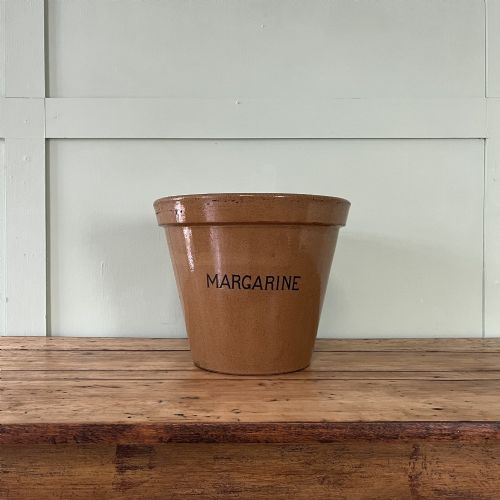
Many pieces served practical domestic functions, ranging from large storage crocks for margarine and provisions to pouring jugs and puzzle vessels. Kitchens and larders relied on their durability for daily food storage.
At the same time, tall baluster vases and ewers were designed specifically for interior decoration, often displayed on mantelpieces or tables to showcase contemporary artistic styles.
How do I style these vessels at home?
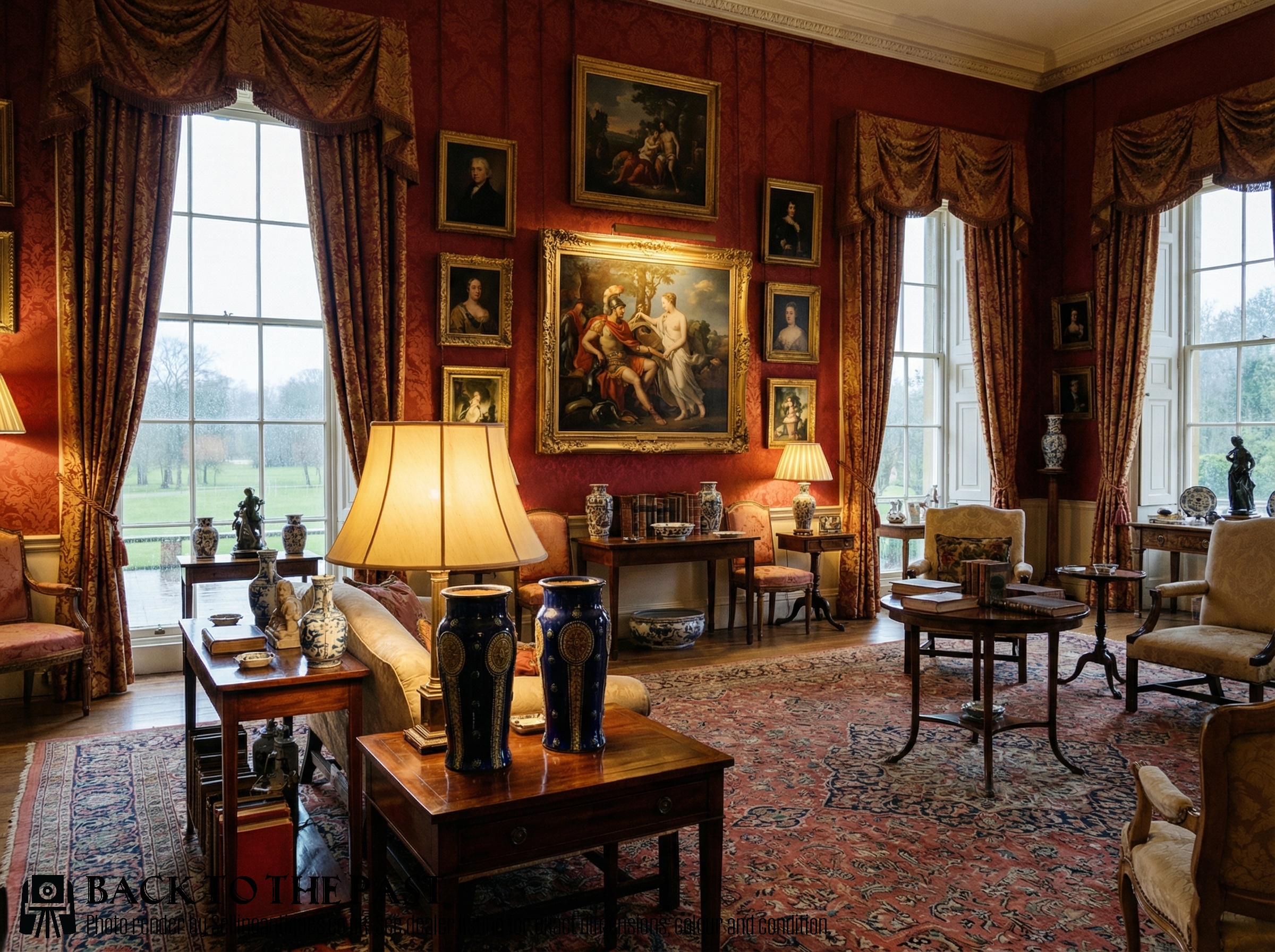
Their earthy tones and tactile salt-glazed surfaces make them natural centrepieces for rustic, transitional, or Arts and Crafts interiors. Tall baluster vases work well standalone or holding dried botanicals.
Utilitarian crocks and jugs can be repurposed as umbrella stands, kitchen utensil holders, or simple tabletop displays that highlight their historical craftsmanship.
How can I tell the period of a stoneware piece?
Dating relies heavily on maker's marks, registry numbers, and stylistic markers associated with specific decades around the turn of the twentieth century. The presence of distinct Art Nouveau motifs or Arts and Crafts lettering points directly to this era.
Changes in glaze techniques and the attribution to named studio artists also help narrow down the production window to the late Victorian and Edwardian periods.