
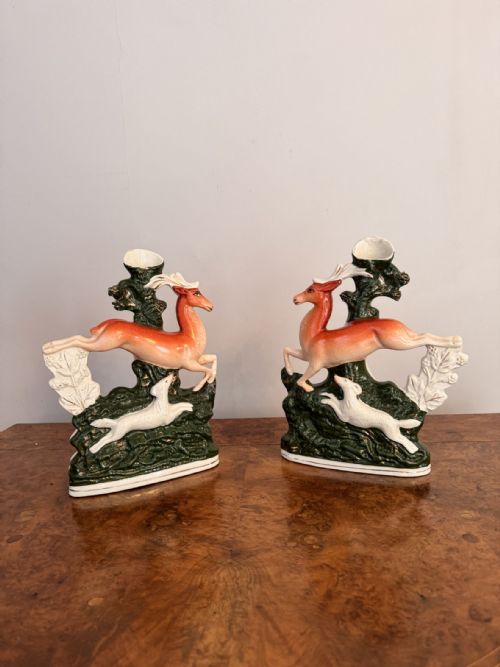
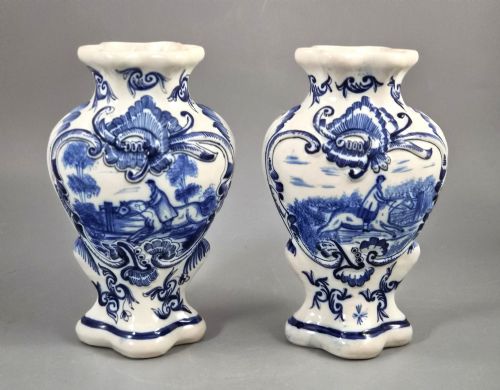
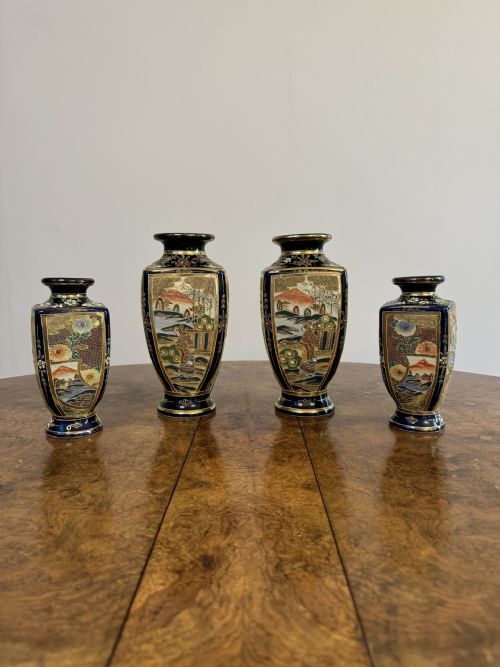
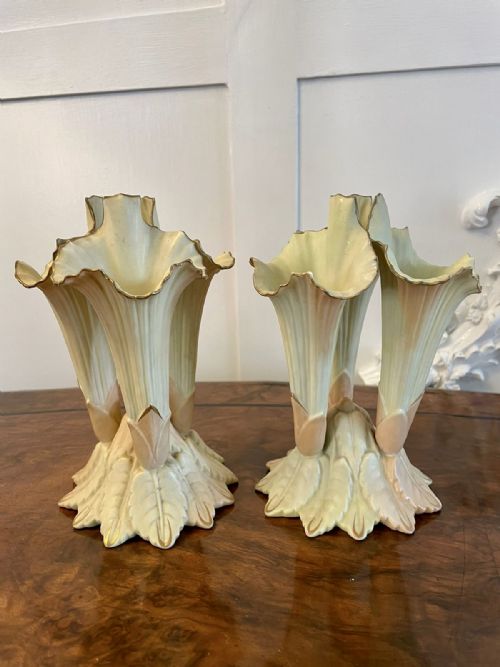
Antique Ceramic Mantel Vases
These antique ceramic mantel vases bring striking colour and formal symmetry to a hearth, combining period artistry with practical decorative flair.

What antique ceramic mantel vases are
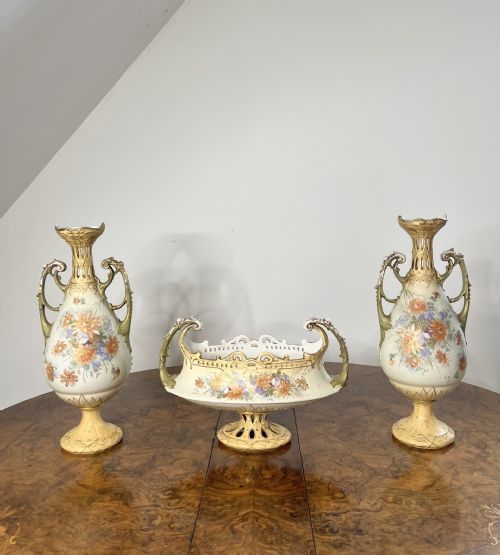
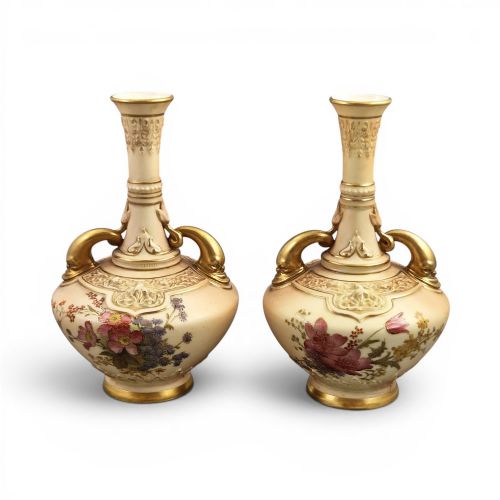
Antique ceramic mantel vases comprise decorative vessels designed specifically for display on a fireplace shelf or sideboard. Buyers searching this phrase encounter pairs and garnitures intended to create balanced, formal arrangements in traditional interiors.
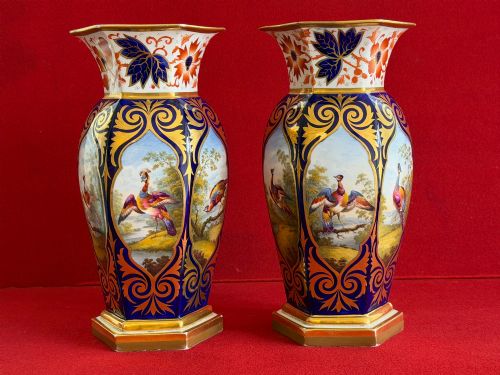
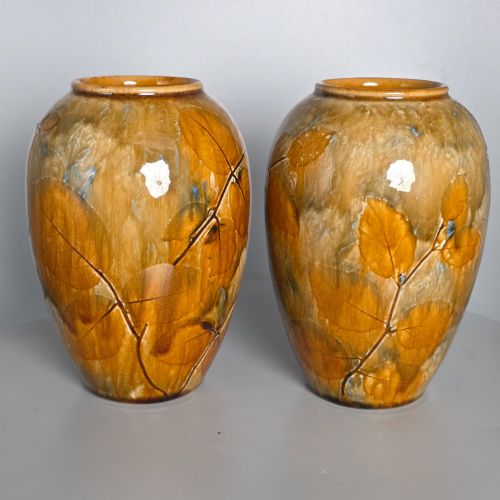
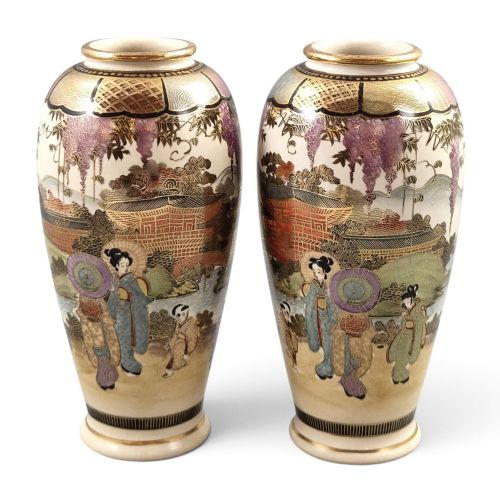
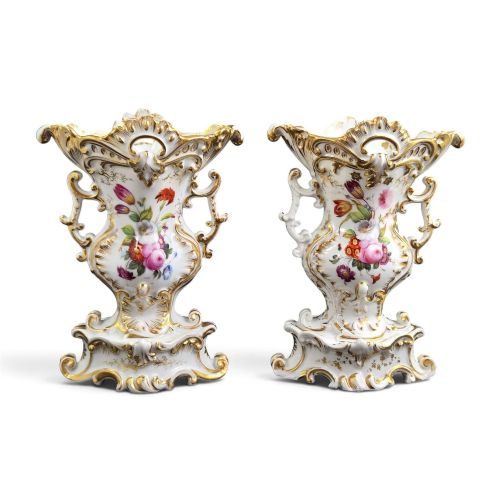
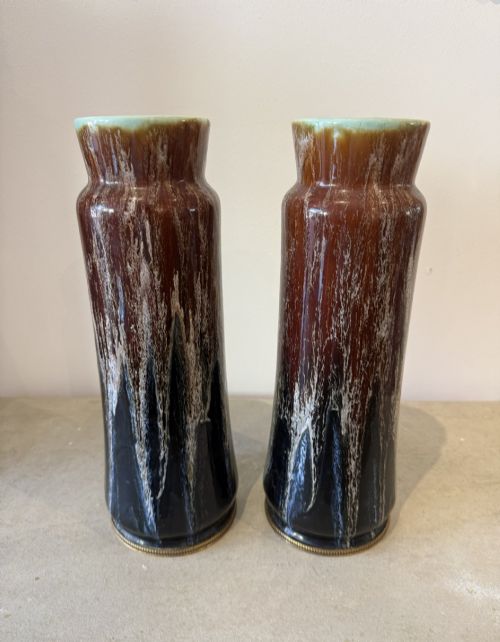
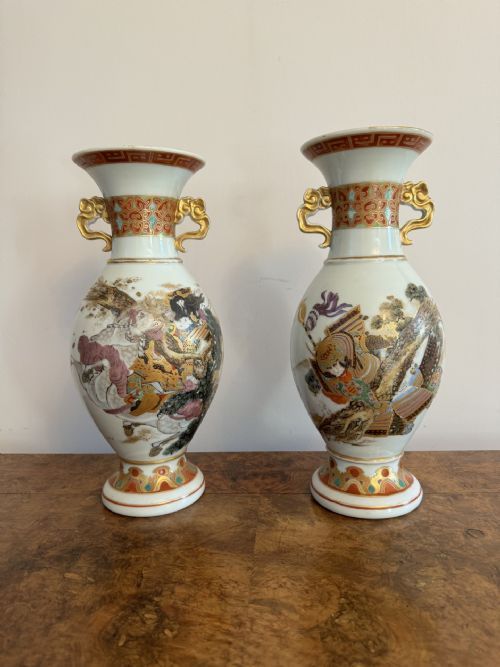
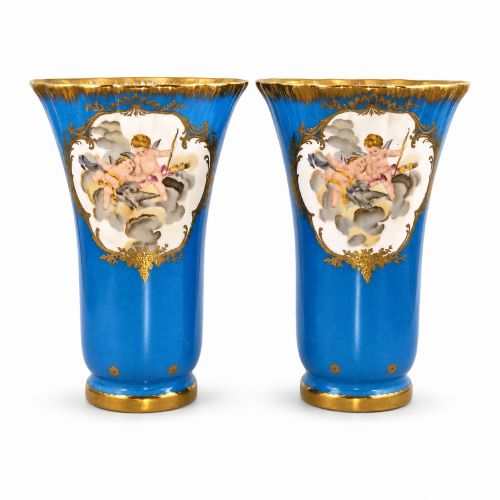
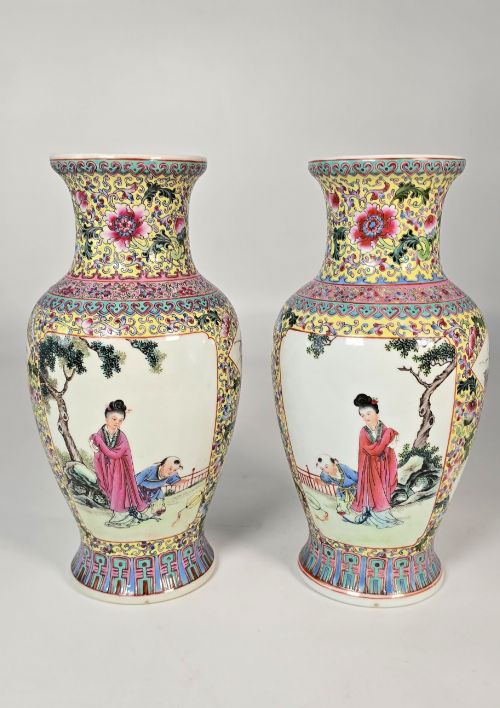
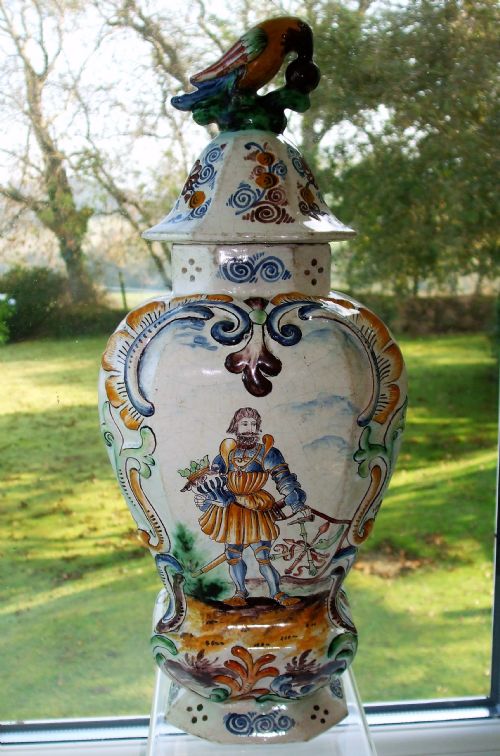
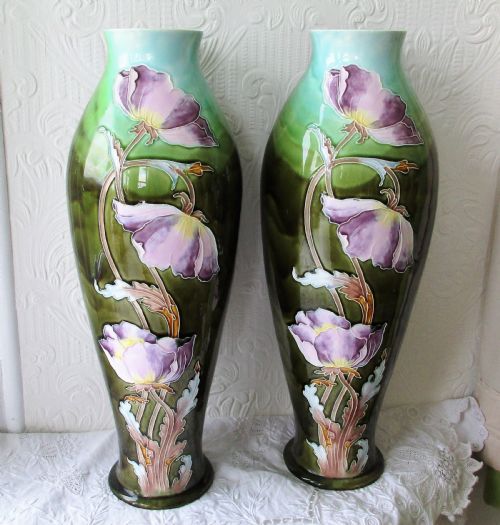
The selections span distinct periods from the Regency era through to the early twentieth century, taking in English porcelain, European earthenware, Japanese export ware and Spanish glazed ceramics. Forms range from classical garnitures to fluid Art Nouveau shapes and vibrant Chinoiserie patterns.
Makers represented include renowned English names such as Royal Doulton, Mason's and Flight, Barr & Barr Worcester, alongside continental firms like Boch Freres and Japanese Satsuma workshops. These pieces reflect the evolving tastes of nineteenth and twentieth century domestic display.
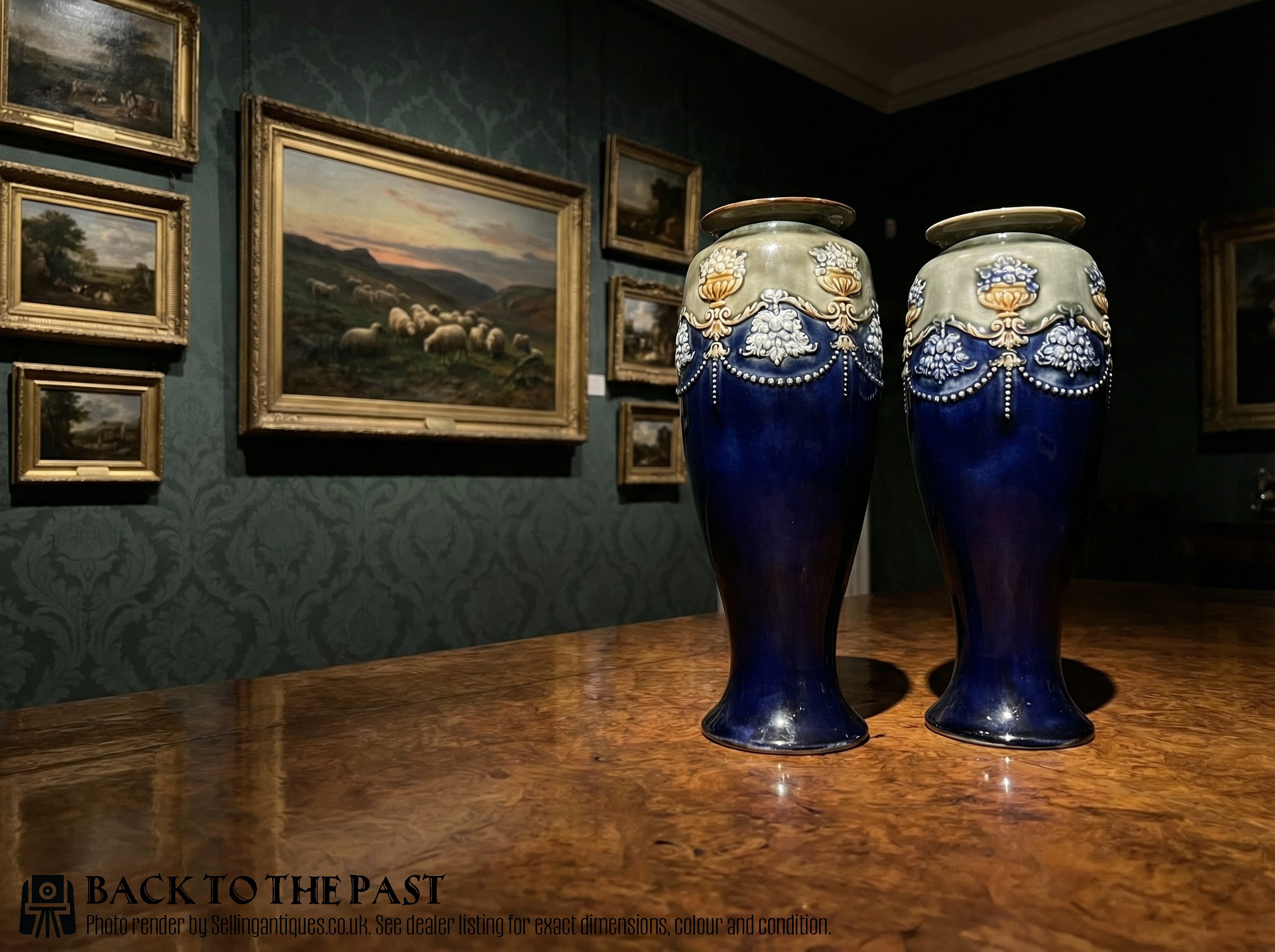
How they were made
These vases utilise diverse ceramic bodies including porcelain, ironstone china, stoneware and earthenware, shaped by hand or moulded. Glazes vary from smooth enamel finishes to rich green lead-glazed surfaces characteristic of Hispano-Moresque traditions.
Decoration relies on meticulous hand-painting, intricate gilding and transfer printing, often featuring orientalist Chinoiserie motifs or Japanese Satsuma imagery. Some pieces incorporate applied brass or enamel details to enhance their sculptural presence on the mantel.
Retail Price Guide 2026
Typical UK retail prices for ceramic mantel vases, calculated from the Sellingantiques database of over a million retail prices indexed since 2003. This retail price guide relies exclusively on Sellingantiques data; no external sources or auction records are used, so the figures do not describe the wider market.
Listings feature ceramics spanning the nineteenth century, Regency period, Meiji period and the 1920s, utilising porcelain, stoneware, ironstone and glazed earthenware.
What varies in quality
Quality rests in the crispness of the modelling and the precision of the hand-painted or gilt decoration applied to the ceramic body. Pieces from established factories exhibit finer detail in their patterns, particularly intricate Chinoiserie or Satsuma scenes.
The ambition of the form also separates standard production from exceptional work, with unusual shaped bodies and coordinated garniture sets demanding greater skill from the potter and decorator.
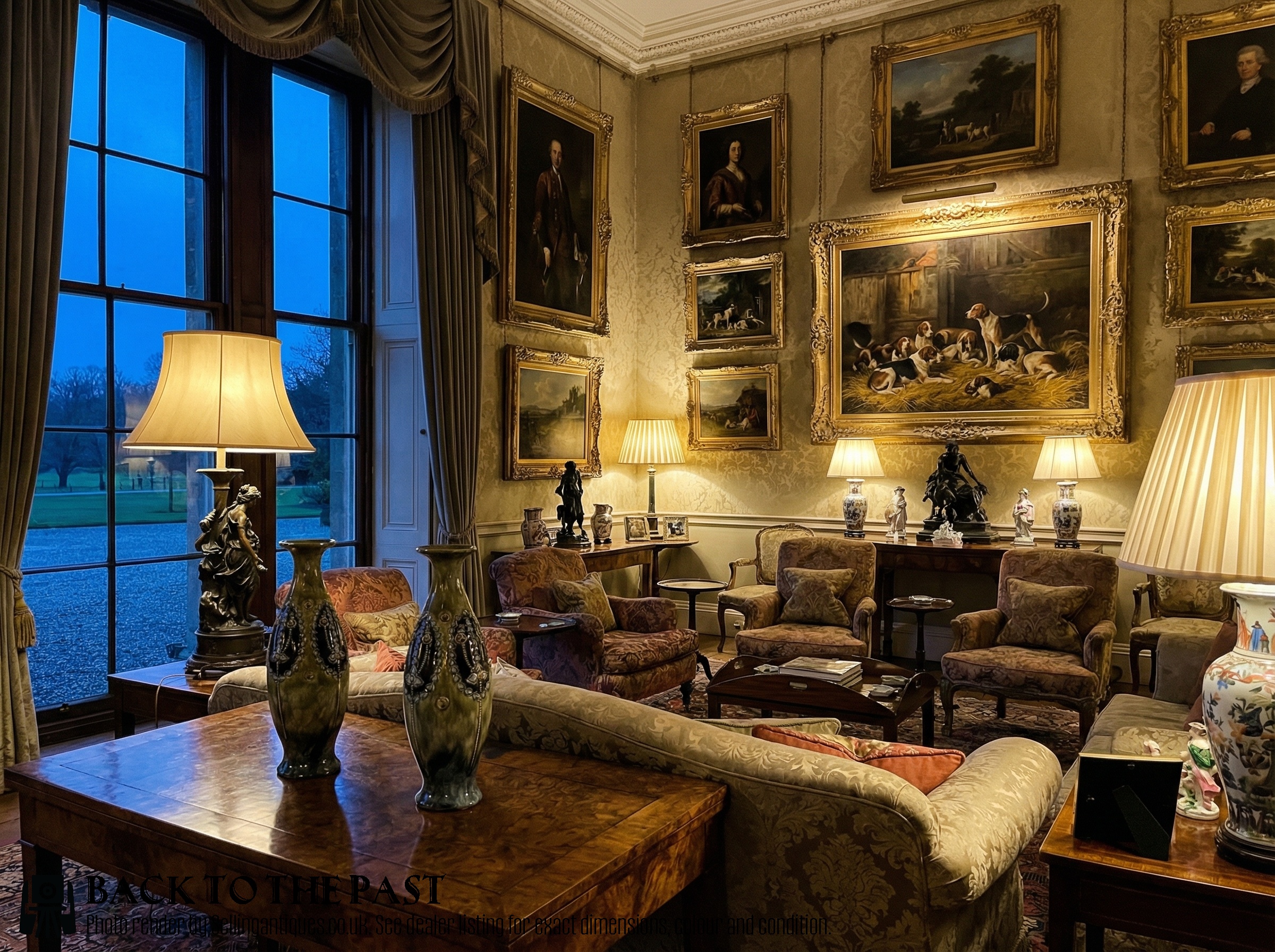
Flight, Barr and Barr·Boch Freres·Royal Doulton
The Antique Ceramic Mantel Vases Glossary
- Garniture
- A matched set of three or more vases designed to be displayed together on a mantelpiece. Such sets usually comprise a central taller vessel flanked by matching smaller pieces.
- Chinoiserie
- European decorative style reflecting Chinese artistic influences, prominent in nineteenth century ceramic patterns. This style brings intricate figurative and landscape scenes to the vase surface.
- Satsuma
- Japanese earthenware pottery featuring a crackle-glaze ivory body heavily decorated with polychrome enamels and gold. These pieces were widely exported during the Meiji period.
- Ironstone
- A patented ceramic type developed in the nineteenth century for its durability and resemblance to porcelain. It provides a robust body suitable for bold decorative transfer prints and enamels.
- Regency
- An English design period spanning the early nineteenth century defined by classical restraint and elegance. Vases from this era often display refined neoclassical forms and fine porcelain bodies.
Frequently Asked Questions
What is a garniture of vases?
A garniture is a set of matching vessels designed to sit together across a mantelpiece or shelf. Typically comprising three or five pieces, they create a balanced decorative scheme.
In nineteenth century interiors, these sets formed the visual centrepiece of a room. The tallest piece usually sits in the middle with smaller matching vessels flanking it.
How do I date an antique ceramic vase?
Dating relies on maker marks stamped or painted on the base, combined with stylistic clues from the period. Glaze composition and ceramic body type also offer clear chronological markers.
Comparing the decorative motifs, such as Regency classical lines or Art Nouveau organic curves, helps narrow the decade of manufacture. Archive records for factories like Royal Doulton or Worcester provide precise confirmation.
Where should I display mantel vases?
These pieces suit fireplace mantelpieces, large sideboards and architectural consoles where their symmetry can be fully appreciated. Pairs work best when centered beneath a mirror or painting.
Because many antique vases are delicate or intended purely for dry display, avoid placing them in damp areas or high-traffic zones where they might be knocked.
How do I clean antique ceramic vases?
Dusting gently with a soft, dry feather duster or microfiber cloth is the safest method for routine maintenance. Avoid using water or chemical cleaners, especially on pieces with surface gilding or enamel decoration.
If a piece requires deeper cleaning due to historic grime, consult a professional conservator to prevent damaging fragile glazes or ironstone bodies.