



Decorative Stoneware Urn
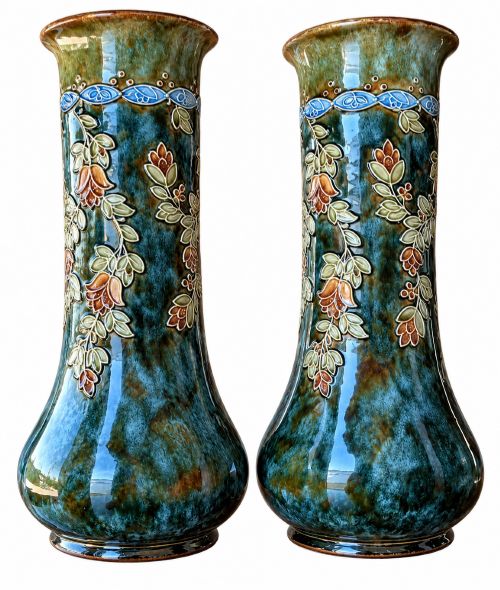
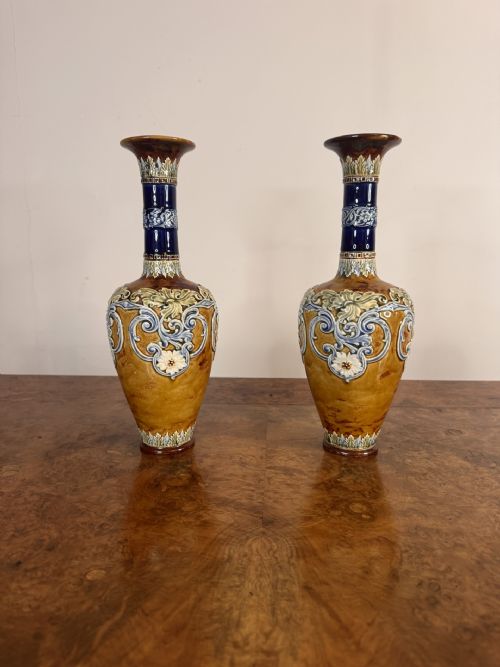
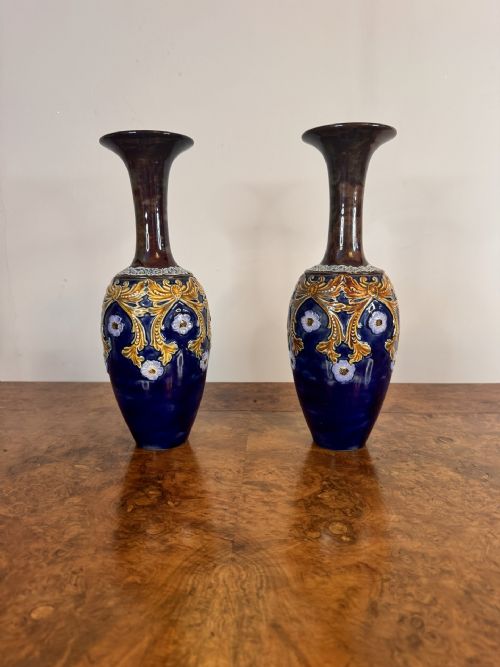
These decorative stoneware urn pieces bring substance and texture to a room, drawing the eye with robust clay bodies and historic glazes.
Decorative Stoneware Urn
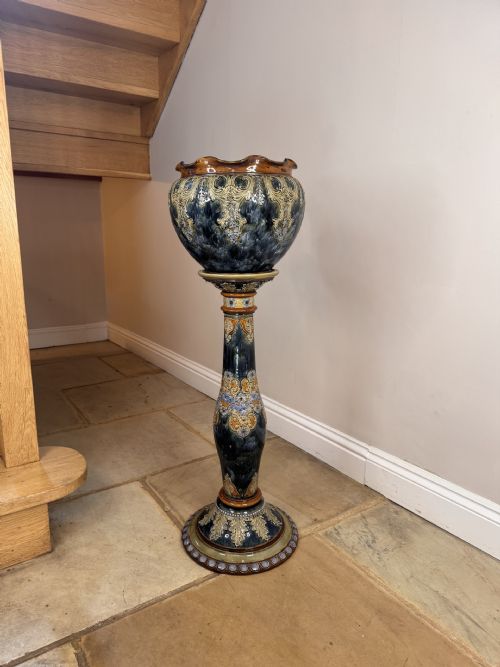
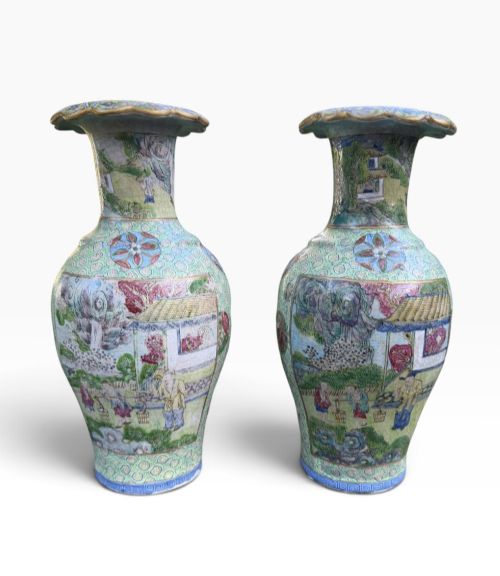
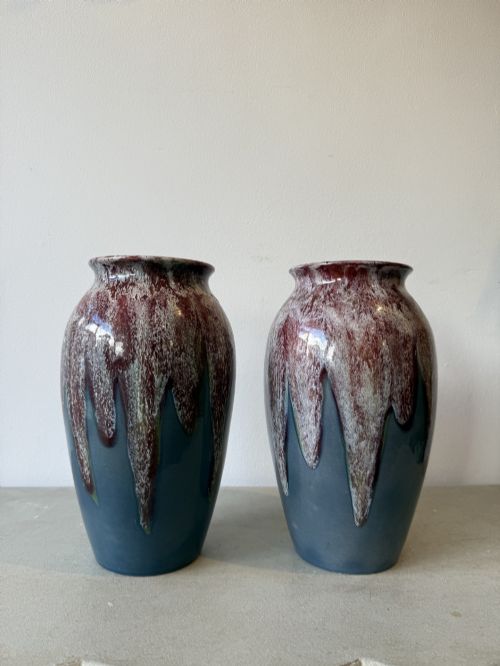
A decorative stoneware urn search brings together heavy ceramic vessels, jardinieres, and baluster shapes spanning the Victorian era through the early twentieth century. Buyers encounter robust British art pottery alongside continental European works and Asian ceramics.
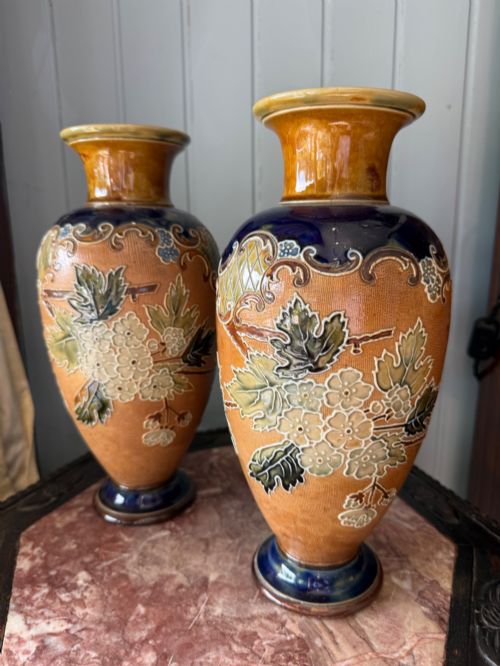
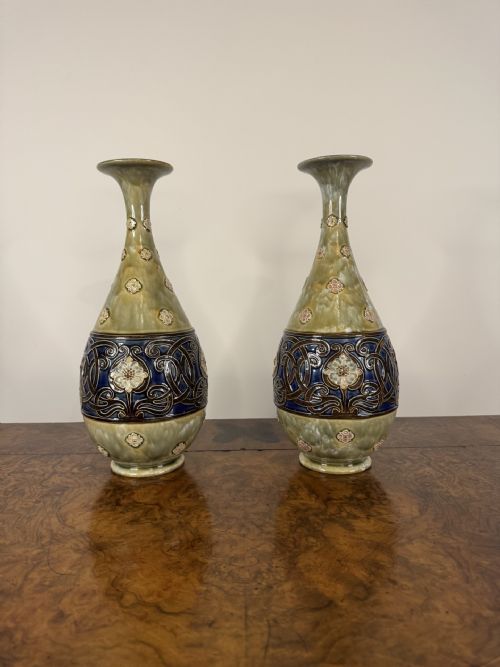
The pieces most frequently met on this page are salt-glazed and glazed stoneware vessels from British potteries, particularly works originating from London workshops active in the late nineteenth and early twentieth centuries. These vessels often take the form of pairs designed for display on side tables or mantels.
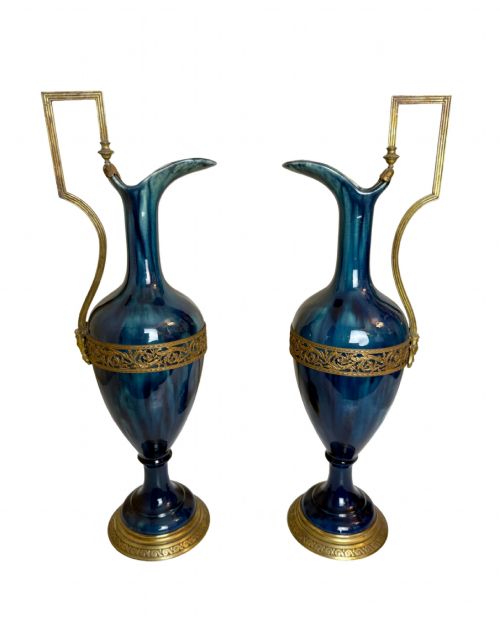
Beyond standard vases, the selection encompasses specialised forms such as campana urns, planters, and handled ewers. Each item relies on fired stoneware bodies designed to hold weight and display intricate surface decoration.
Materials and Technique
Potters shaped dense stoneware and earthenware bodies on the wheel or in moulds before applying rich surface treatments. Glazes, enamel, and gold leaf added colour and reflectivity to the absorbent clay surfaces.
Specialised techniques such as Slaters Patent utilised lace pressed into wet clay to create textured backgrounds beneath coloured glazes and floral motifs. Salt glazing introduced chemical reactions in the kiln to form dimpled, protective orange-peel finishes.
Relief ornamentation, including white bas-reliefs and incised foliage, was applied by hand before firing. These methods ensured the resulting vessels combined structural durability with intricate decorative detail.
Decorative Stoneware Urn Retail Price Guide 2026
Typical asking prices for decorative stoneware urn among the pieces listed under this phrase on Sellingantiques today, from the lower quarter to the upper quarter. They describe what is for sale here now, not the wider market.
Some Victorian potters pressed actual lace into wet clay to create textured patterns, leaving fabric impressions preserved in ceramic stone.
Standards of Execution
Quality rests in the crispness of the modelled relief and the control demonstrated in hand-painted enamel and slip decoration. Superior examples display balanced proportions and cleanly incised motifs that reflect the direct hand of named studio artists.
The depth and consistency of the glaze application separate ordinary production pieces from exceptional studio works. Fine pieces maintain uniform colour saturation and clean transitions where different decorative textures meet on the body.
Royal Doulton·Doulton Lambeth·Mettlach Pottery·Makuzu Kozan II·Wedgwood·Royal Lancastrian·Poole Pottery
The Decorative Stoneware Urn Glossary
- Stoneware
- A sturdy type of pottery fired at high temperatures until vitrified and impervious to liquids. It forms a heavy, durable body suitable for large decorative urns and garden planters.
- Campana Urn
- A bell-shaped vessel with a flared rim, frequently mounted on a square pedestal base. This classic Neoclassical form appears in nineteenth-century ceramic and jasperware productions.
- Baluster
- A architectural form resembling a pillar, swelling near the base and tapering toward the top. Many tall ceramic vases adopt this silhouette for visual stability.
- Jardiniere
- An ornamental ceramic pot or stand designed to hold live plants or floral arrangements. They often feature wide mouths and decorative exterior patterns.
- Slaters Patent
- A Victorian ceramic decoration technique involving lace or fabric pressed into damp clay to create textured patterns. Potteries utilised this method to generate intricate patterned backgrounds.
Decorative Stoneware Urn: Frequently Asked Questions
What defines a decorative stoneware urn?
A decorative stoneware urn is a heavy ceramic vessel fired at high temperatures to achieve a vitrified, durable body. These items are produced primarily for visual display rather than utility.
They often feature patterned glazes, hand-painted enamels, or applied relief work reflecting Victorian and early twentieth-century design movements.
How were these urns used historically?
Historically, these vessels served as interior ornaments placed on side tables, pedestals, and mantelpieces. Some forms functioned as jardinieres to hold potted plants within formal drawing rooms.
Their substantial weight and decorative finishes made them centrepieces for domestic interior decoration.
How do I care for antique stoneware?
Antique stoneware requires gentle cleaning with a dry or barely damp cloth to preserve delicate enamel and gold leaf decorations. Avoid submerging pieces with porous earthenware bodies or applied metal trims in water.
Stable indoor placement away from direct heat sources protects the historic glaze and ceramic structure.
How can I tell the period?
Dating relies on maker marks, impressed factory stamps, and stylistic cues such as Art Nouveau floral motifs or Neoclassical relief work. Examining the base often reveals specific impressed ciphers used by studio artists and potteries.
Material composition and glaze styles also point toward specific manufacturing decades between the nineteenth and twentieth centuries.