




Antique Spill Holder
An antique spill holder is a small vessel designed to store taper matches for lighting fires, offering a touch of period charm to a mantelpiece.
Antique Spill Holder
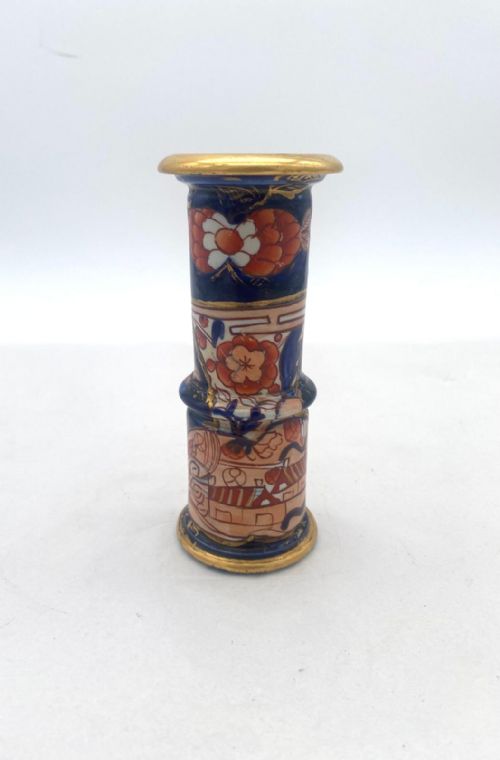
An antique spill holder takes the form of a small vase, box or turned wooden stem designed to hold thin wooden spills for transferring a flame from a hearth fire to a candle or pipe. Buyers encounter these pieces fashioned from earthenware, porcelain, wood and silver across periods ranging from the Georgian era through to the mid-twentieth century.
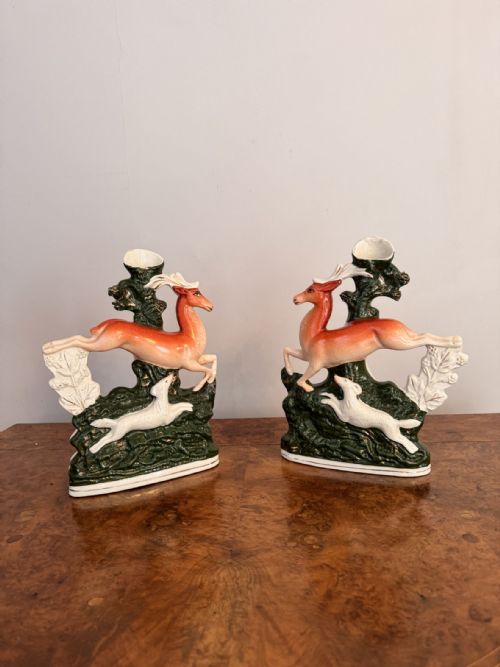
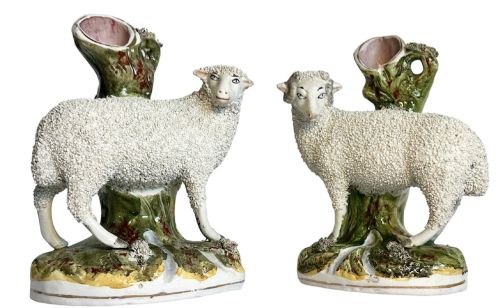
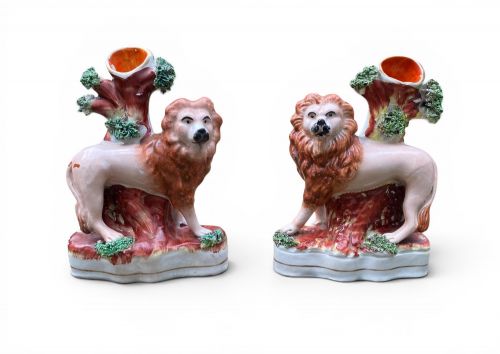
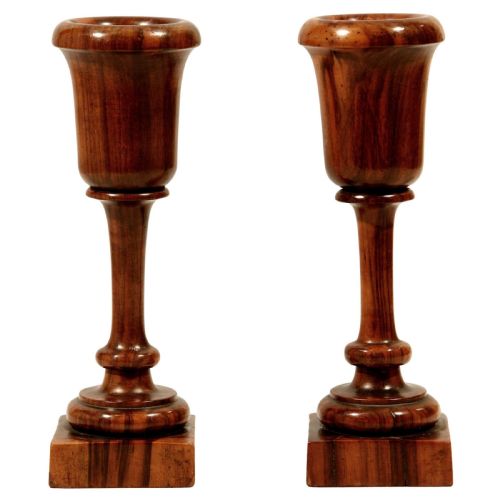
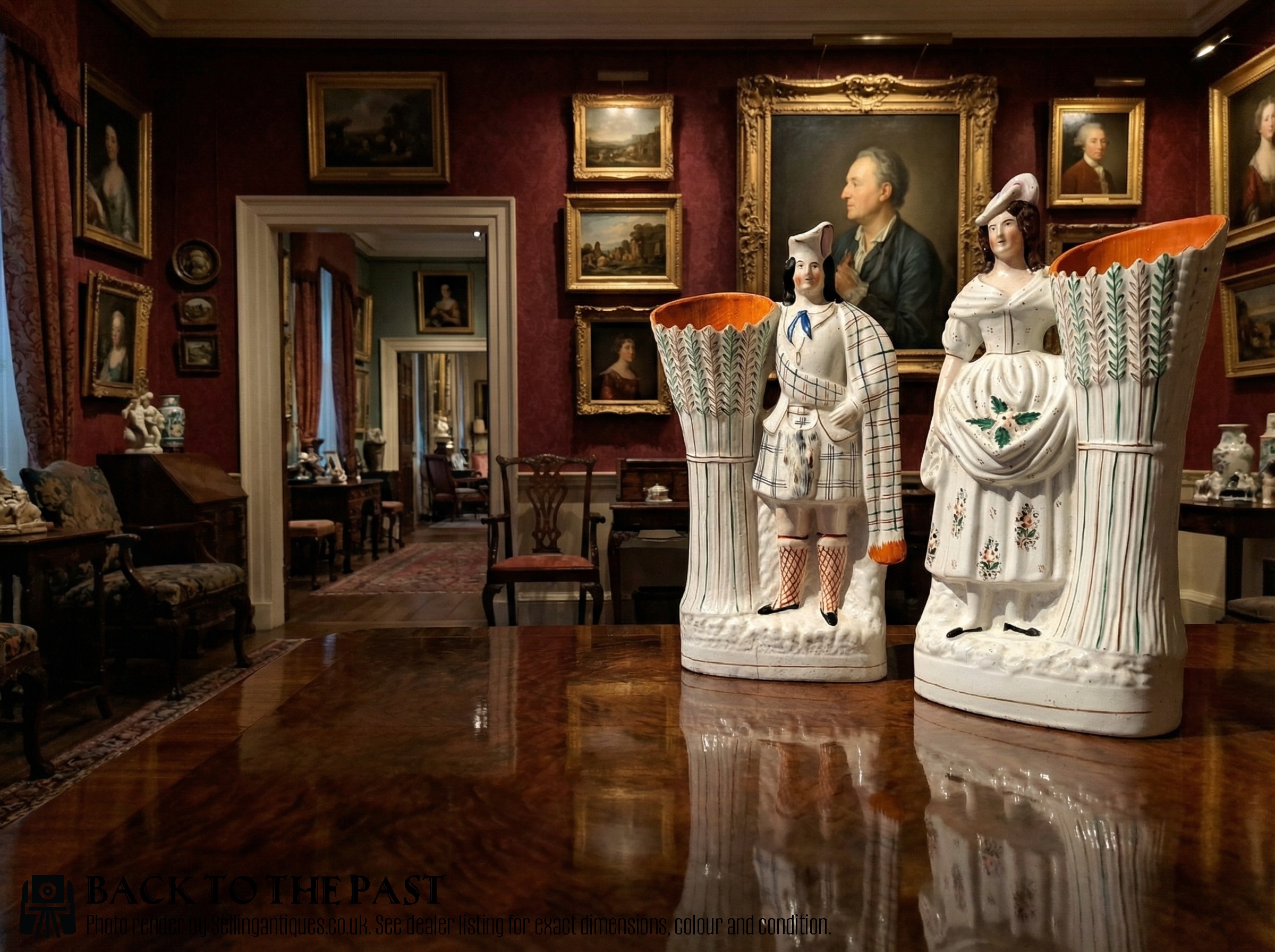
Staffordshire pottery figures form a prominent part of the selection, often depicting animals such as deer, lions, sheep and swans integrated with a hollow tube for spills. Alongside figurative ceramics, turned treen vessels in oak and lignum vitae appear frequently, representing practical domestic items from the nineteenth century.
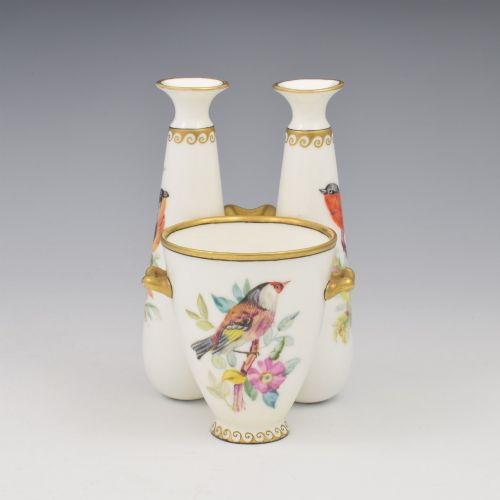
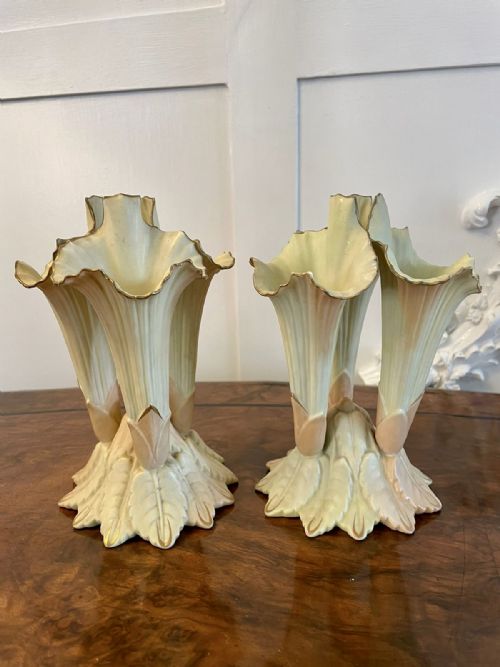
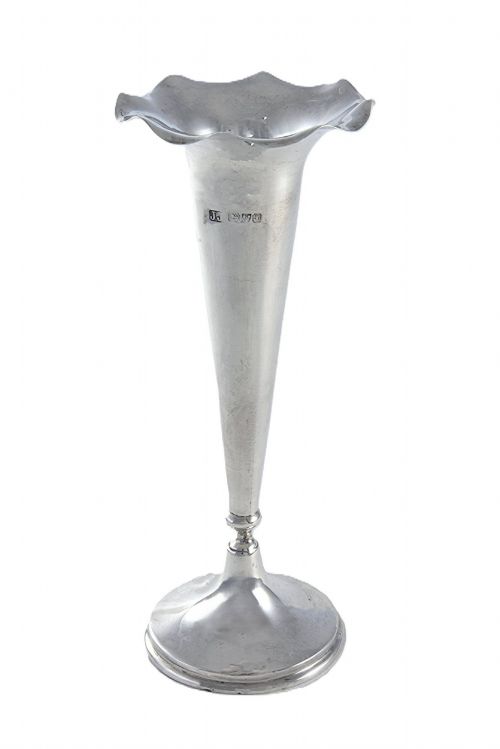
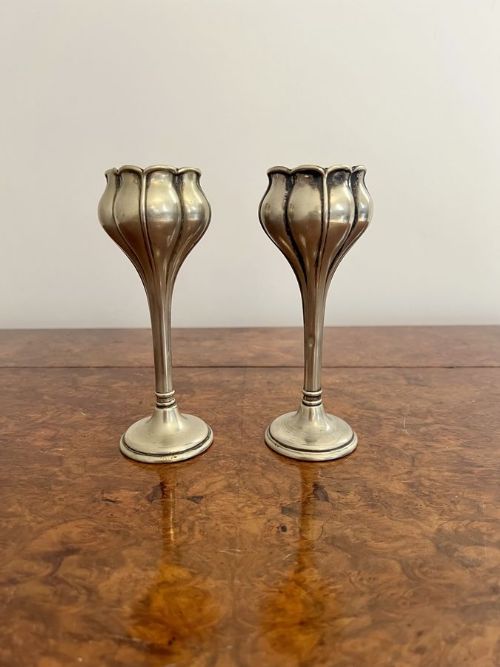
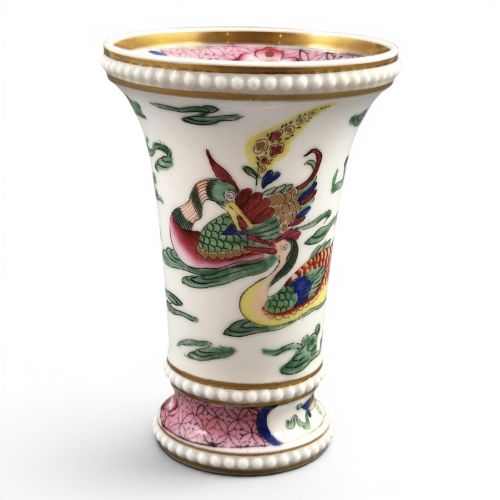
Porcelain examples from makers such as Royal Worcester introduce painted decoration including highland cattle, birds and fruit, dating from the late Victorian and Edwardian periods. Silver and silver-plated receptacles also feature, spanning posy vases and hanging candle boxes from the Georgian era onwards.
How they were made
Pottery spill holders rely on earthenware and porcelain bodies shaped by moulding or throwing, finished with lead glazes, enamel colours and occasional gilding. Staffordshire figures use slip-cast or pressed clay techniques, hand-painted with mineral pigments before a final kiln firing.
Wooden spill stems and boxes utilise turned hardwoods such as oak, yew and lignum vitae, shaped on a lathe to exploit the natural grain and figuring of the timber. Metal pieces combine silver plating or hallmarked silver with cut glass and turned mounts to create durable receptacles.
Stiff ceramic sheep and defiant lions double as domestic fire-lighters.
What varies in quality
Quality rests in the crispness of the modelling on ceramic figures and the delicacy of hand-painted porcelain decoration by named artists. Early treen relies on the density and natural figuring of the timber, alongside the precision of the lathe work.
The sophistication of the glaze and the preservation of original gilding distinguish finer examples from standard production pieces. Detailed painting of subjects like cattle and ornithological studies marks out the higher tiers of factory output.
John Hopewell·Locke & Co.·Spode·Walton·Ernst Wahliss·Royal Worcester
The Antique Spill Holder Glossary
- Spill
- A thin slip of wood or rolled paper used to transfer a flame from a fire to a candle or pipe. These were kept ready in dedicated holders on the mantelpiece.
- Flatback
- A style of Staffordshire pottery figure moulded with a detailed front and a flat, unglazed or minimally decorated back designed to stand against a wall.
- Pearlware
- A refined earthenware developed in the late eighteenth century featuring a subtle bluish glaze that pools in recesses, often found on early Staffordshire spill holders.
- Blush ivory
- A matte cream porcelain ground developed by manufacturers like Royal Worcester, typically decorated with pastel florals and gilding.
Antique Spill Holder: Frequently Asked Questions
What is an antique spill holder?
An antique spill holder is a small receptacle designed to hold thin wood splints used for lighting candles and fires.
These pieces were kept on mantelpieces in domestic interiors before the widespread availability of matches.
How were spill holders used?
Users placed a thin wooden spill into the hollow vase or box to keep it within reach near the fireplace.
When a light was needed, the spill was touched to the hearth fire and carried to the candle or tobacco pipe.
What materials are spill holders made from?
Spill holders appear in glazed earthenware, fine porcelain, turned hardwoods and silver or silver plate.
Staffordshire pottery and Royal Worcester porcelain dominate the ceramic offerings, while treen examples utilise dense timbers.
How do you date Staffordshire spill figures?
Dating relies on stylistic clues such as modelling conventions, glaze types like pearlware, and the presence of flat backs.
Figures from the early nineteenth century often display distinct pearlware glazes, while Victorian pieces adopt heavier proportions.